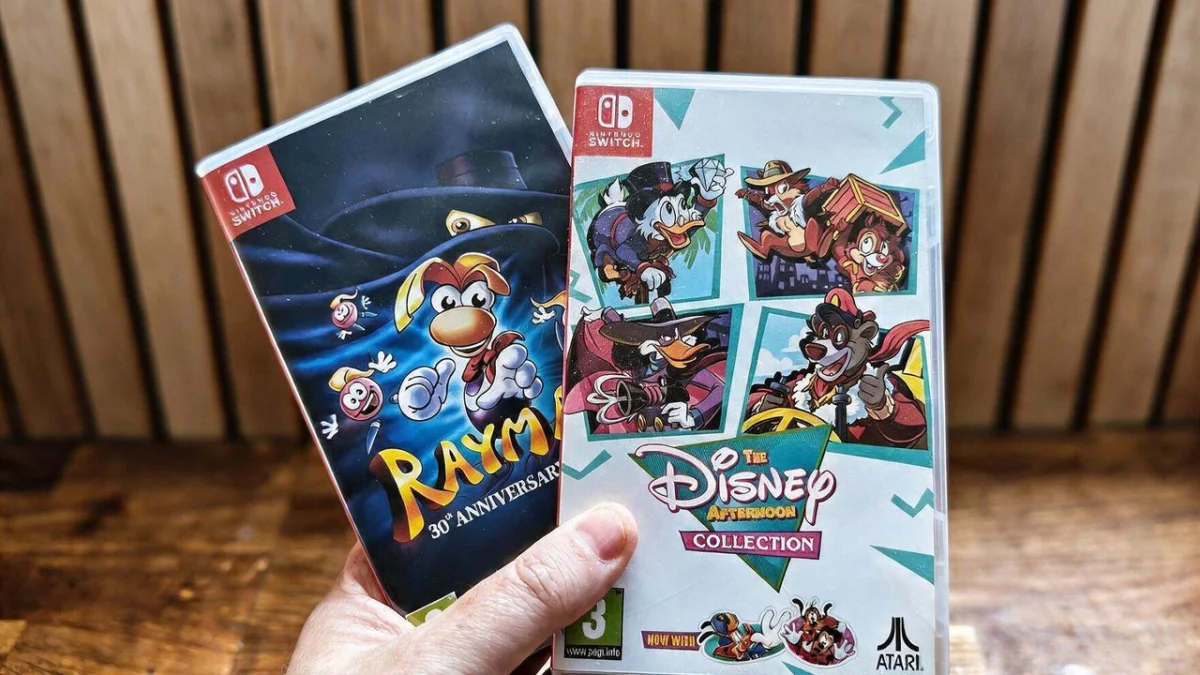
For many, the mention of DuckTales, Chip ‘n Dale: Rescue Rangers, or the original Rayman conjures up a warm, fuzzy sense of Saturday morning nostalgia. These titles, often characterized by vibrant pixel art, catchy chiptune soundtracks, and beloved characters, are frequently remembered as the "comfort food" of the 8-bit and 16-bit eras. However, a recent revisit to these classics via The Disney Afternoon Collection and the newly released Rayman 30th Anniversary Edition on the Nintendo Switch reveals a jarring truth: our childhood memories were, perhaps, a bit too kind.
Behind the welcoming cartoon aesthetics lies a gauntlet of punishing level design and unforgiving mechanics. Far from the casual experiences one might expect from licensed media, these games were, and remain, remarkably difficult.
The Illusion of Accessibility: Capcom’s NES Legacy
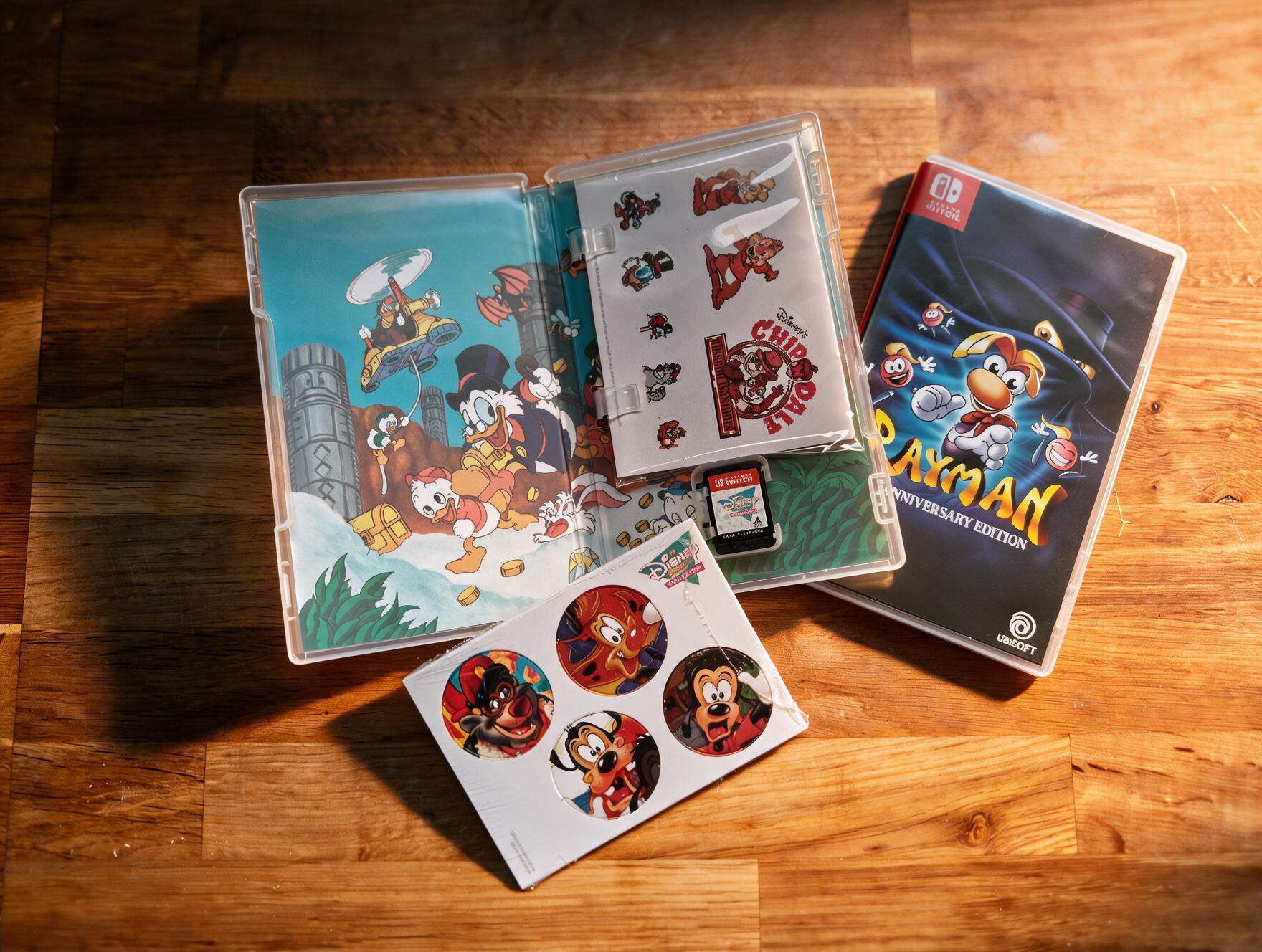
The Disney Afternoon Collection serves as a masterclass in how 8-bit developers maximized limited hardware to create surprisingly deep experiences. The collection brings together six iconic NES titles: DuckTales, DuckTales 2, Chip ‘n Dale: Rescue Rangers, Chip ‘n Dale: Rescue Rangers 2, Darkwing Duck, and TaleSpin.
When these games originally launched, they were often dismissed as mere marketing tie-ins. However, Capcom’s approach was radically different. Rather than delivering "throwaway" software, the studio built robust, genre-defining platformers. DuckTales famously introduced a non-linear world structure that allowed players to tackle levels in different orders, while Rescue Rangers brought cooperative play to the forefront, a rarity for the time.
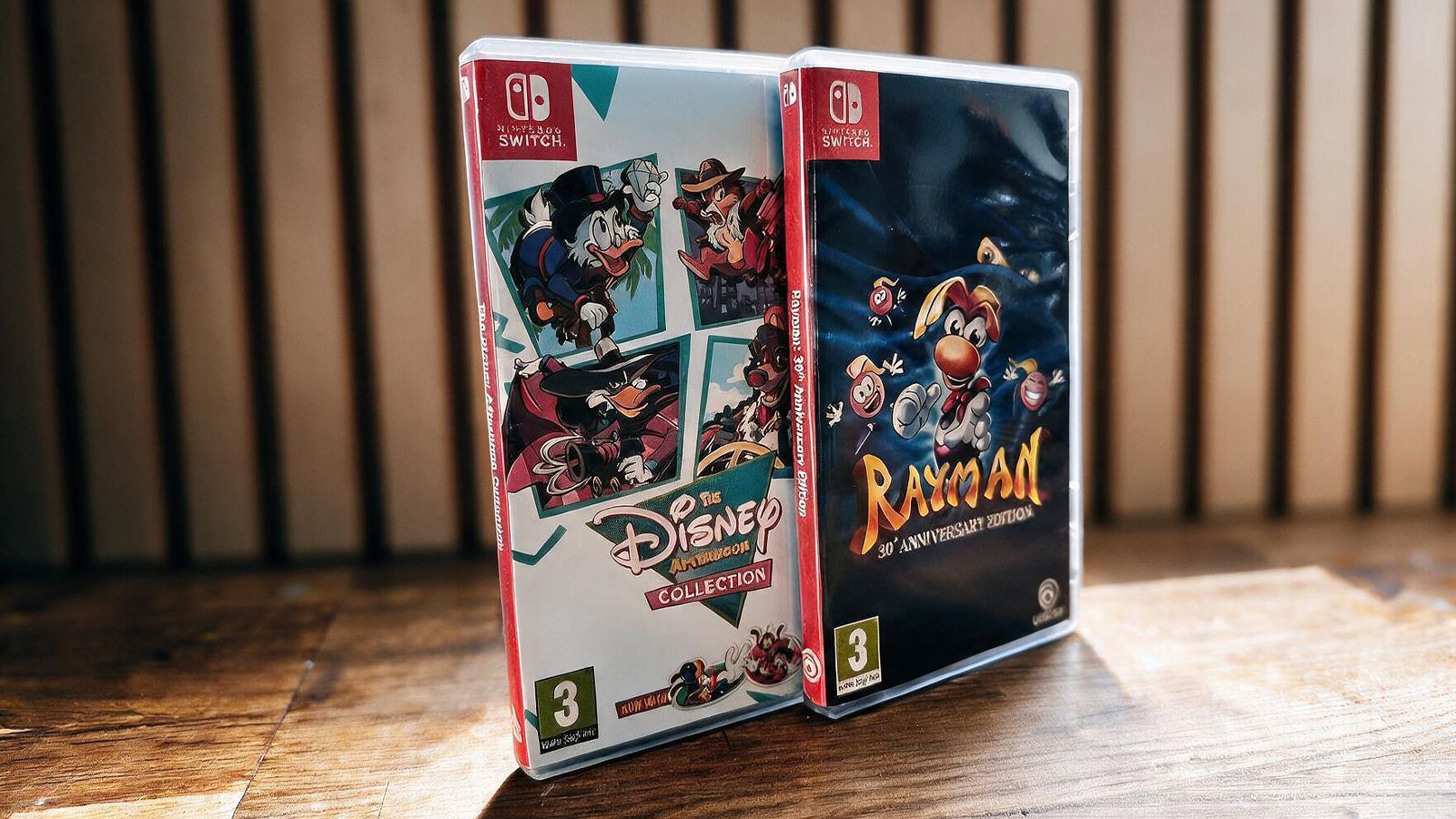
Yet, revisiting them today exposes their hidden hostility. Darkwing Duck, for instance, heavily borrows from the Mega Man school of game design. It requires precise timing and an intimate knowledge of enemy placement—demands that feel almost surreal when contrasted with the whimsical nature of the source material.
TaleSpin stands out as particularly unforgiving. Its status as a side-scrolling shooter means players are forced to navigate tight corridors with a character model that has a painfully slow rate of fire. When the screen fills with projectiles, the lack of room to maneuver creates a tension that contradicts the show’s breezy, adventurous tone. These aren’t just games; they are tests of endurance.
Rayman: Thirty Years of Surreal Punishment
Ubisoft’s Rayman 30th Anniversary Edition offers a different, yet equally challenging, look at the evolution of platforming. When Rayman first debuted, it was heralded for its stunning, detailed pixel art and unique "oddball" character design. It put Ubisoft on the global map, but it also cemented a reputation for being tough but fair.
The 30th Anniversary Edition is a massive package, acting as both a love letter and a history lesson. It includes five versions of the original game, over 120 additional levels, a rare SNES prototype, and an interactive documentary featuring 50 minutes of developer interviews.
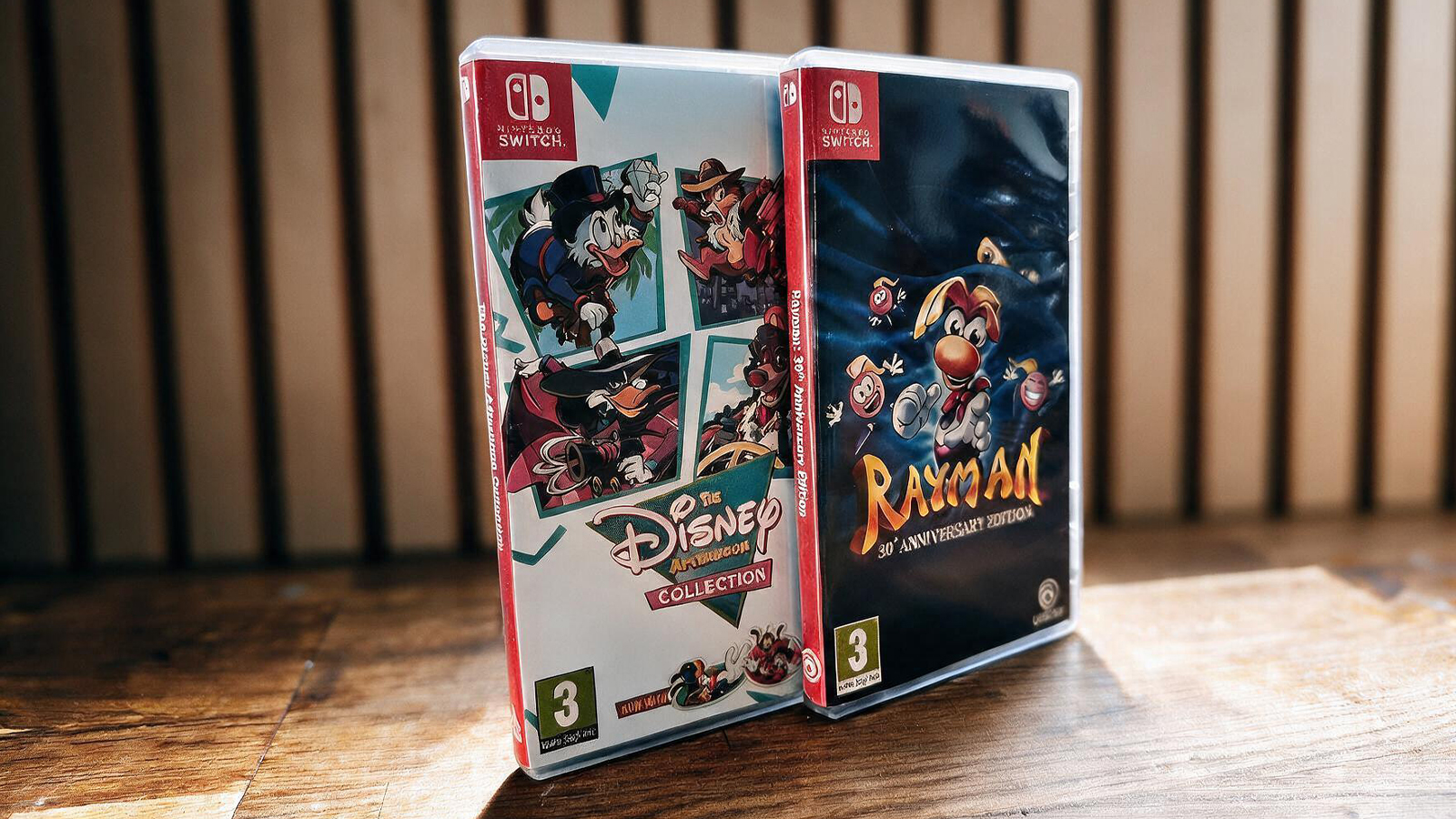
Despite the inclusion of these historical artifacts, the core gameplay remains an uncompromising challenge. Ubisoft has implemented modern "concessions" to help contemporary players navigate the original’s spikes in difficulty—features like rewind, infinite lives, and instant level unlocks. While these additions make the game more approachable, they also highlight just how much the industry’s philosophy toward player frustration has shifted over the last three decades.
A Chronology of Difficulty: From Arcade Roots to Home Consoles
To understand why these games are so punishing, one must look at the historical context of game design. In the 1980s and early 90s, the "length" of a game was often artificially extended by its difficulty.
- The Arcade Era (Early 80s): Developers designed games to consume quarters. High difficulty was a business model; the faster a player lost, the sooner they had to insert another coin.
- The NES/SNES Transition: When these games moved to home consoles, developers retained that "arcade-style" difficulty. Players didn’t have access to vast libraries of games; they had one or two titles for the year. Consequently, a game that could be beaten in 30 minutes would have been a poor investment.
- The Memory Test: Difficulty wasn’t just about reflexes—it was about memorization. Players were expected to fail, restart, and learn the exact pixel-perfect path through a level.
- Modern Accessibility: Today, developers prioritize flow and narrative. The implementation of "rewind" features in modern re-releases is a tacit admission that the "punishment" of the past is no longer viewed as a desirable trait for the majority of modern players.
Supporting Data: Why "Hard" is Harder Now
In modern game design, players are accustomed to generous "checkpoints" and "health regeneration." In the titles discussed here, the design philosophy is granular and absolute:
- Hitboxes: Hazards are often positioned exactly where a player is most likely to land after a jump.
- Resource Scarcity: Power-ups are rarely given out freely, forcing players to manage their limited resources with extreme caution.
- Limited Mobility: Characters often lack the "air control" found in modern titles, meaning once a jump is initiated, the player is committed to the trajectory—for better or worse.
Official Perspectives and Industry Implications
The inclusion of "rewind" and "save-state" features in these collections represents a fascinating industry intersection. On one hand, companies like Capcom and Ubisoft want to preserve the integrity of the original experience. On the other, they recognize that if the game is too difficult, it risks alienating the very audience they are targeting: adults who want to relive their childhoods without the stress of losing an entire afternoon’s progress.
"The difficulty isn’t really about enemies having enormous health bars," notes industry observers. "It’s baked into the levels and the design at a granular level."
The decision to include these accessibility tools is, effectively, a bridge between two generations of gaming. It allows the purist to play without assistance while granting the modern player the ability to experience the history of the medium without hitting a wall of frustration.
The Psychological Hook: Why We Keep Returning
If these games are so difficult, why do we return to them? The answer lies in the psychological satisfaction of "mastery."
Modern games often provide a sense of achievement through unlocking rewards or narrative progression. Retro games provide it through the refinement of skill. When a player finally clears a level in Darkwing Duck or Rayman that they have failed at ten times before, the sense of accomplishment is tangible. It is a reward for persistence, a trait that the "Saturday morning cartoon" aesthetic initially lures us into, but which the game design forces us to develop.
Conclusion: The Value of the "Original" Experience
As players navigate these re-released classics, there is a temptation to use every tool provided to make the experience easier. However, there is a strong argument for playing them as they were originally intended—at least for a while.
We didn’t necessarily have "easier" games as children; we simply had more time, fewer alternatives, and an astonishing tolerance for failure. By embracing that difficulty today, we don’t just relive the past; we gain a deeper appreciation for the craft of early game design. Whether you are navigating the hazards of TaleSpin or leaping through the surreal landscapes of Rayman, you are participating in a tradition of persistence that remains the bedrock of great game design to this day.
These games are not just artifacts; they are reminders that even in a world of endless, instant entertainment, there is still immense value in the struggle to get just a little bit better, one pixel at a time.