

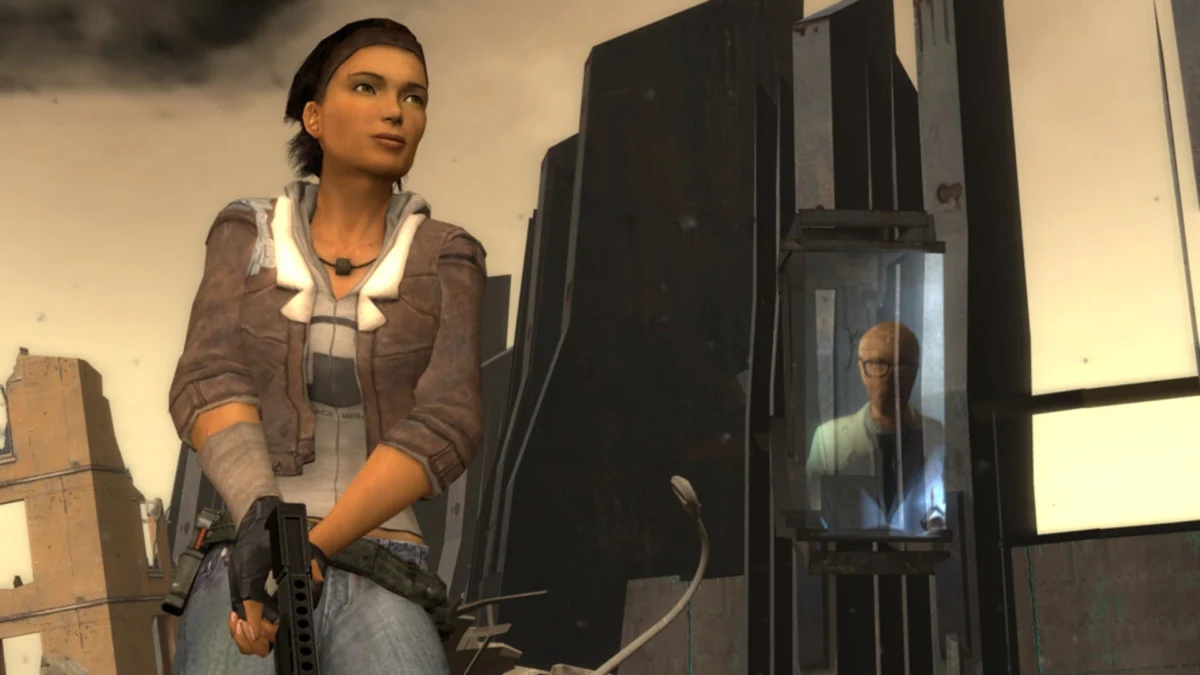
For over a decade, the gaming industry has been haunted by the specter of Half-Life 3. It remains the "white whale" of interactive entertainment—a project whispered about in forums, teased by cryptic images, and demanded by fans with a fervor that borders on the religious. Yet, for those who actually built the foundations of the franchise, the prospect of returning to City 17 is less a dream and more a professional nightmare.
Chet Faliszek, a former writer at Valve who played a pivotal role in shaping the narratives of Half-Life 2, Left 4 Dead, and Portal, has issued a definitive rebuff to those hoping for his involvement in a hypothetical third installment. His message is blunt, clear, and underscores a profound reality about the creative process: sometimes, the weight of history is too heavy to carry.
The Myth of the "Easy Sequel"
The discourse began following a social media interaction where a commenter suggested that crafting a narrative for Half-Life 3 would be "a piece of cake" because the plot "could go anywhere." It is a sentiment common among fans who view the series through the lens of infinite potential. However, Faliszek, speaking from the perspective of a veteran narrative designer, dismantled this notion with surgical precision.
Faliszek’s rejection is not rooted in a lack of love for the series, but rather in a visceral aversion to the constraints of established lore. For a writer, the appeal of a new project often lies in the "blank page"—the ability to build worlds, define rules, and cultivate mystery from scratch. Half-Life, by contrast, is a dense, intricate labyrinth of established history, scientific jargon, and unresolved plot threads that have been scrutinized by millions of fans for decades.
"I almost never want to touch something that already has some kind of lore, some kind of back history about it," Faliszek explained. He noted that the prospect of writing for an established franchise—or even his own past works—is a daunting challenge he prefers to avoid. The fear, he admits, is that players will inevitably know the lore better than the creator, leading to a constant, exhausting battle against fan scrutiny.
A Chronology of Expectation
To understand why Faliszek’s comments carry such weight, one must look at the timeline of the Half-Life phenomenon.
- 1998: Half-Life launches, revolutionizing the first-person shooter genre by integrating narrative directly into the gameplay.
- 2004: Half-Life 2 is released, raising the bar for physics-based gameplay and environmental storytelling.
- 2006–2007: Half-Life 2: Episode One and Episode Two are released. The latter ends on a heart-wrenching cliffhanger that leaves Gordon Freeman and Alyx Vance in a precarious position.
- 2008–Present: The "Waiting Period." Valve pivots toward digital distribution (Steam) and live-service models. Half-Life 3 becomes a meme, an urban legend, and a point of genuine frustration for the community.
- 2020: Valve releases Half-Life: Alyx, a VR-exclusive prequel that briefly reignites the conversation, proving that while the series is not "dead," its path forward is entirely different from what fans originally envisioned.
Throughout this timeline, the "lore" has only grown more tangled. Every game released in the universe adds layers of complexity, making the task of writing a sequel not merely a creative exercise, but a historical excavation.
The "Lore Terror": Why Established Worlds Are Stifling
Faliszek’s concerns highlight a fundamental tension in modern game development: the trade-off between brand recognition and creative freedom. When discussing his interactions with other major studios, specifically Bungie, he recalled feeling intimidated by the sheer scale of their world-building.
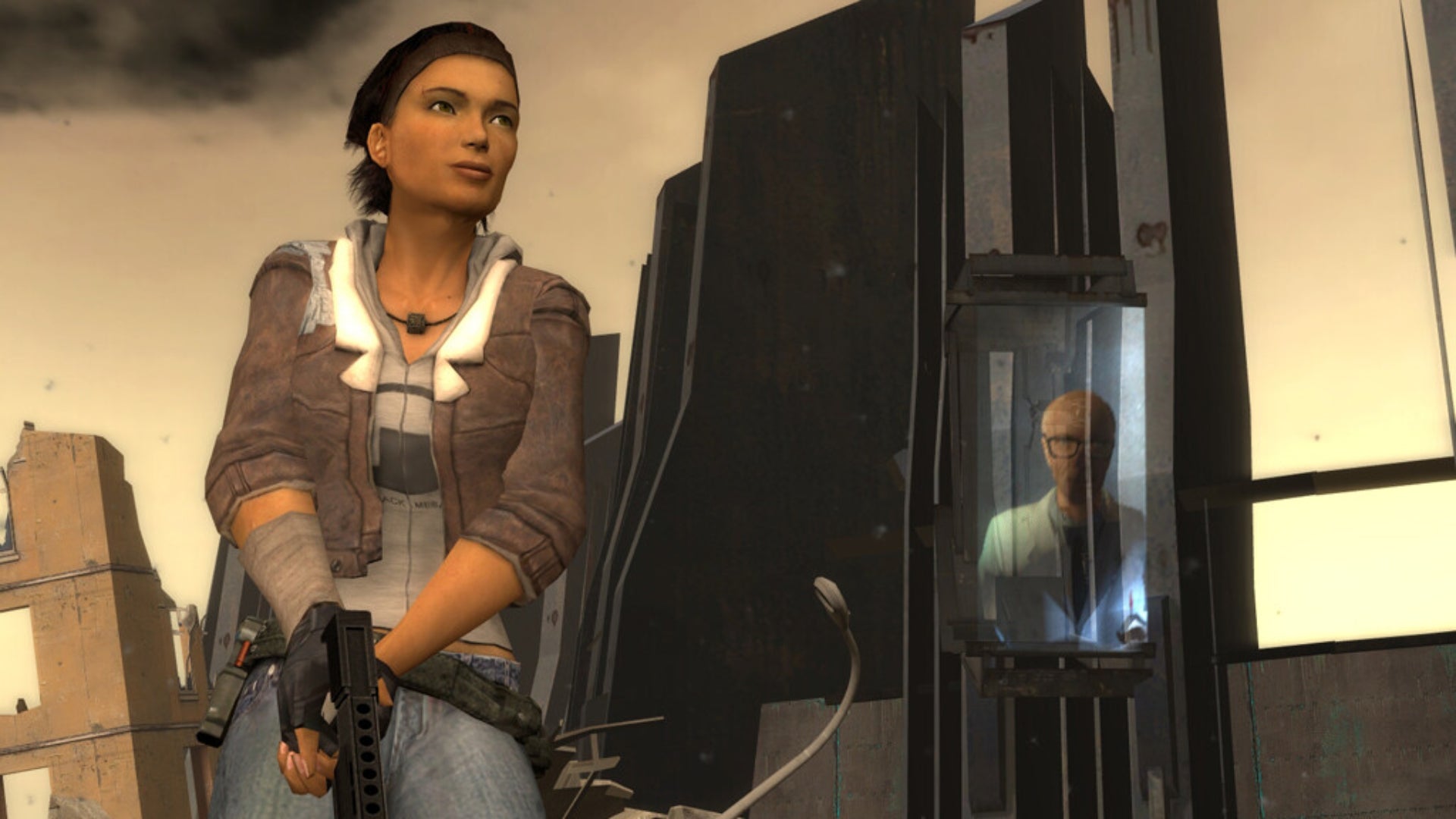
"They have so much lore and I’m like, that lore terrifies me," he stated. "I don’t know that much lore about my own life, let alone your games."
This "lore terror" is a legitimate professional concern. In a medium where fans can create entire wikis dedicated to the color of a specific character’s eyes or the timeline of a background event, the writer is no longer just an author—they are an administrator of a canon. For a writer like Faliszek, who values the spontaneity of new ideas, having to navigate the minefield of "history from 50 years ago" is the antithesis of inspiration.
He described the prospect of working on a project like Half-Life 3 as a "disaster nightmare." His rejection is absolute: he wouldn’t touch it with a "ten-foot pole," nor would he allow a "grav gun" to bridge the distance.
Implications for the Industry
The implications of Faliszek’s stance are significant for the broader gaming landscape.
- The Creative Cost of Sequels: While publishers often view sequels as "safe bets," they are often the most difficult projects for creative talent. The pressure to live up to the past while simultaneously appeasing a vocal, hyper-informed fanbase can lead to "creative paralysis."
- The Shift to Original IPs: Faliszek’s preference for starting fresh suggests that the industry’s obsession with established franchises might be alienating the very writers needed to make them work. When developers are constantly tasked with maintaining old universes, they are prevented from creating the "next" Half-Life.
- The "Fan-Lore" Barrier: There is a growing gap between what fans want (more of the same, but better) and what writers want (to explore new territory). As games become more complex, this gap is likely to widen.
Conclusion: Letting the Past Rest
The tragedy—or perhaps the liberation—of Half-Life is that it was a product of a specific time, a specific team, and a specific set of creative circumstances. Asking a writer to step back into that world is to ask them to walk through a doorway they already closed.
While the community may continue to clamor for a conclusion to the story of Gordon Freeman, it is worth respecting the creator’s perspective. If the people who made the series great feel that the weight of their own legacy is too heavy to lift, perhaps we should stop asking them to carry it.
After all, the beauty of the Half-Life series wasn’t just in the lore—it was in the innovation. By demanding a third entry that satisfies every fan-theorized plot point, we might be forcing a sequel that is shackled by the past, rather than one that pushes the medium forward. As Chet Faliszek has made clear, some doors are better left closed—not out of malice, but out of a desire to keep the future as open as the past was when it first began.











No comments yet. Be the first to join the conversation!