Sagoh
Sagoh
For years, the intersection of high-fashion eyewear and wearable technology has been a difficult space to navigate. While the tech industry has chased the dream of the "all-day" smart device, the result has often been bulky, unattractive hardware that prioritized function over form. Enter the Ray-Ban Meta Optics line—a strategic pivot by Meta and Essilor Luxottica that aims to bridge the gap between necessary medical equipment and cutting-edge silicon.
The premise is deceptively simple: what if your daily prescription glasses were also a powerful, AI-driven computing platform? While Meta has supported prescription lenses for some time, the Optics line represents a fundamental shift in design philosophy. These are no longer just "smart glasses with a lens option"; they are a refined, premium eyewear experience tailored for those who wear glasses by necessity rather than novelty. However, as our testing reveals, this marriage of convenience and innovation comes with a hefty price tag—and a complex set of ethical considerations.
The Evolution of the Gen 2 Hardware
The Ray-Ban Meta Optics are not a radical departure from the successful second-generation frame lineup; rather, they are an evolution of it. The primary differentiator here is comfort and customization.
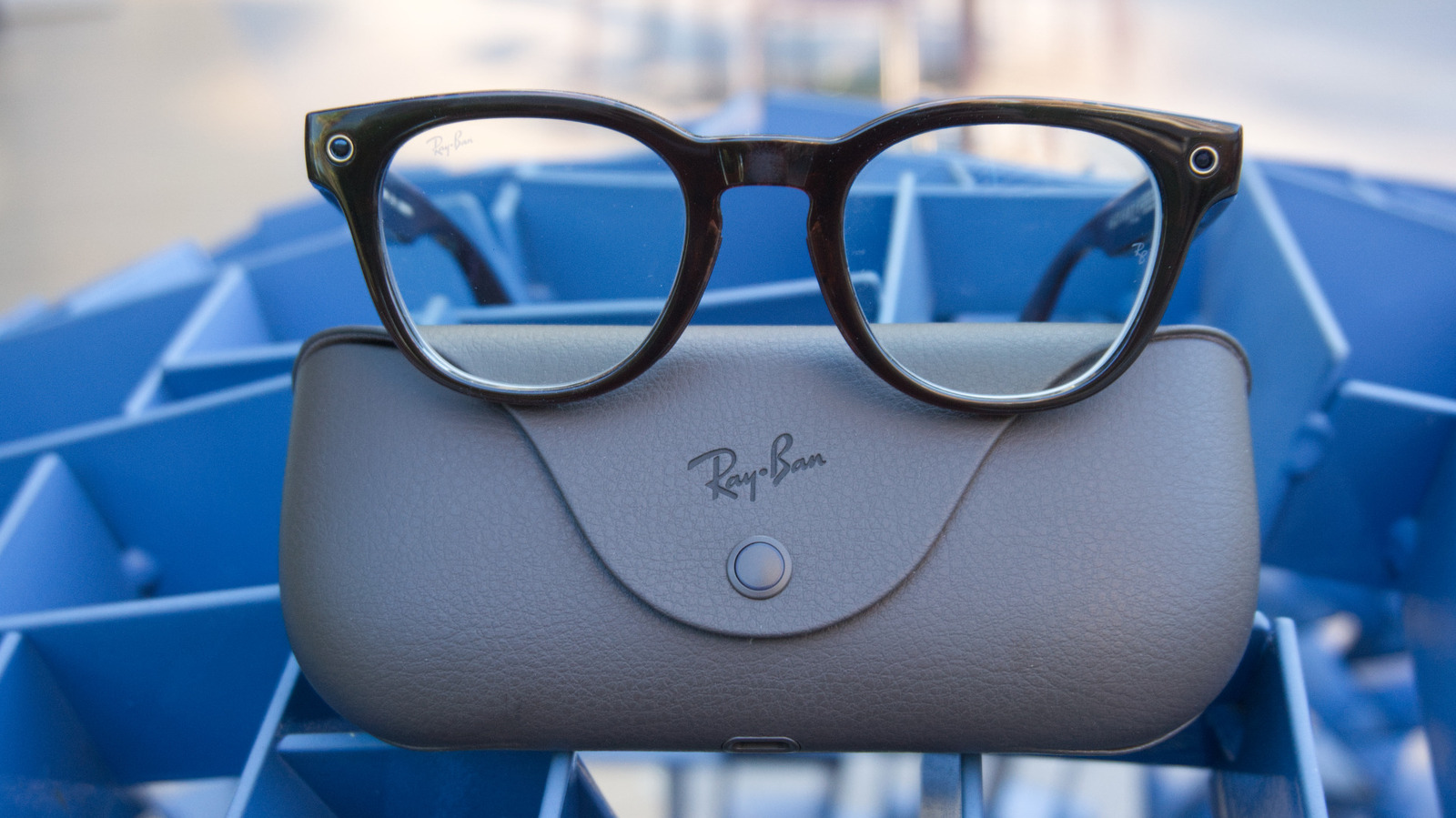
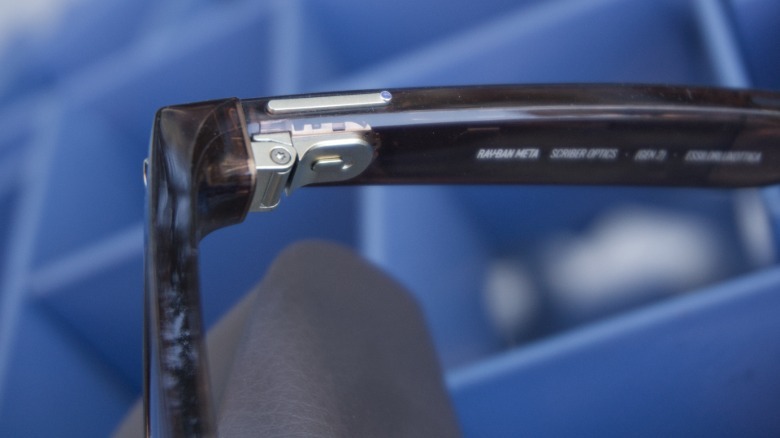
For many users, the "one size fits all" approach of previous smart glasses was a dealbreaker. The frames were often prone to sliding down the nose, particularly during long-term wear. With the Optics line, Meta has introduced swappable nosepads, offering both "high bridge" and "low bridge" options. In our testing, this small mechanical change made a world of difference, providing a level of security and stability that finally makes the device feel like a permanent part of one’s face.
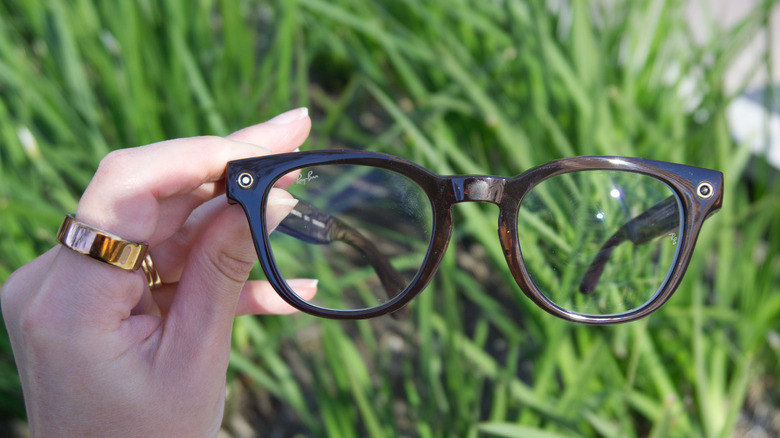
Furthermore, the integration of moldable temple tips allows for a bespoke fit that can be adjusted at an optician’s office. When combined with the flexible, overextension hinges, the result is a pair of frames that avoids the common "pressure headache" associated with heavier tech-integrated eyewear. Visually, the frames—specifically the "Scriber" style—are notably more subtle. They lack the aggressive, tech-heavy aesthetic of early AR concepts, making them nearly indistinguishable from high-end, non-smart Ray-Bans to the casual observer.
Battery Life and the Action Button
Power management remains the "holy grail" of wearable technology. The Optics line offers a marginal but meaningful improvement over the standard Gen 2 glasses. While the original models were rated for "up to 8 hours," the Optics frames are officially rated for "more than 8 hours."
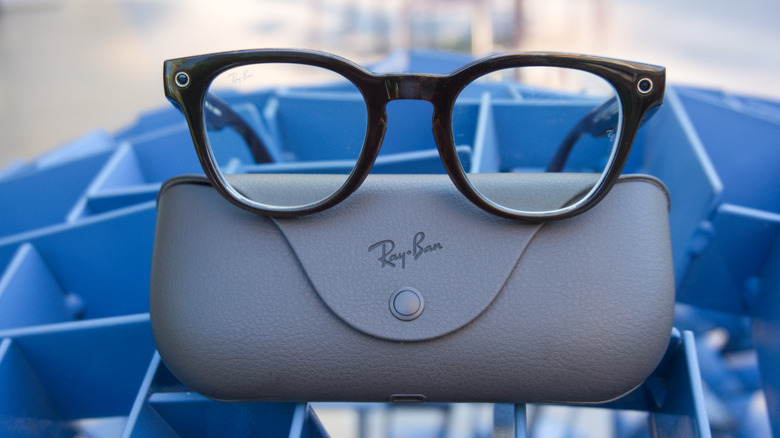
In real-world usage, this increase is tangible. Even with a mix of open-ear audio streaming and intermittent Meta AI queries, the glasses easily survived a full workday without requiring a trip to the charging case.
A significant hardware addition is the new, customizable "action button." Positioned as an extension of the capture controls, this button allows users to map specific tasks to a single physical press. While some might find it redundant, it addresses one of the most glaring issues with voice-controlled AI: the "social friction" of talking to one’s face in public. By mapping the button to "read my latest text message," users can retrieve information discreetly, bypassing the need to trigger the assistant with a verbal command—a major win for both productivity and social etiquette.
The "New Brain": Meta AI and the Multimodal Shift
The true intelligence of the Optics line lies in its integration with the latest version of Meta AI, powered by the "Muse Spark" model. This update fundamentally changes how the glasses process requests.

The assistant is now more conversational, capable of handling follow-up questions without the need for constant re-activation phrases. However, this "always-ready" state comes with a notable caveat: the assistant’s listening window. In our tests, the microphone remained active for roughly 20 seconds after the final interaction. While this allows for more natural, back-and-forth dialogue, it also leads to instances where the AI erroneously processes background conversations.
While Meta provides an option to disable this feature, it is active by default. For privacy-conscious users, this default setting represents a potential point of concern, as it creates an environment where the glasses feel like they are constantly "waiting" for an opportunity to intervene.
Nutrition and AI Limitations
Meta’s push into health-related AI—such as identifying food or providing nutritional data via the camera—is an ambitious attempt to prove the value of "multimodal" AI. Currently, the implementation is a mixed bag.

While the system is impressive when it works—correctly identifying ingredients or calculating nutritional estimates—it is prone to inconsistencies. The AI often struggles with context, failing to distinguish between specific quantities or complex plating. In one instance, the AI correctly identified a snack as a "high-protein" option when asked, yet struggled to distinguish between the correct number of slices on a pizza. These are growing pains, undoubtedly, but they highlight that the technology is not yet a reliable tool for health-conscious users who require accuracy.
The Financial Reality
The financial barrier to entry for the Ray-Ban Meta Optics is steep. The base frame price is $499, but that is merely the starting point. When adding a moderate prescription, blue light filtering, and scratch-resistant coatings, the total can quickly eclipse $700.
For the average consumer, this raises a difficult question: is the utility of the AI and the capture capabilities worth the cost of two or three pairs of standard designer glasses? This is particularly relevant given that vision prescriptions change. Investing $700 in a piece of technology that may become obsolete—or require a lens replacement that is prohibitively expensive—is a significant risk. Furthermore, leveraging vision insurance remains an opaque process, as many optical providers are not yet equipped to integrate Meta’s proprietary hardware into their billing systems.
Privacy in the Age of Surveillance
Perhaps the most significant hurdle for the Optics line is the growing shadow of privacy concerns. Meta’s data collection practices have been the subject of intense scrutiny, and the Optics glasses are no exception.
The policy regarding the storage of voice recordings—which cannot be opted out of by US users—has created a firestorm of debate. Moreover, whenever a user leverages the camera for AI analysis, that image data is processed to train Meta’s underlying models. While Meta maintains that this training does not include the private images saved to a user’s camera roll, the possibility of third-party contractors reviewing these "anonymized" snapshots remains a point of contention for many.
The recent controversy surrounding the "name tag" facial recognition code discovered by researchers has only exacerbated these fears. Although Meta removed the code and stated that no such feature was being launched, the incident fueled a broader cultural narrative that these glasses are a "dystopian" tool. For the wearer, this is a social tax: the burden of constantly reassuring others that you are not recording them or using facial recognition.
Conclusion: A Vision of the Future or a Costly Toy?
The Ray-Ban Meta Optics are, without question, the most refined pair of smart glasses ever produced. They offer a legitimate "all-day" experience, a comfortable fit, and a suite of AI features that genuinely enhance daily life.
However, they are not for everyone. The user must weigh the convenience of a hands-free assistant and an integrated camera against the significant financial investment and the persistent, complex privacy baggage that comes with the Meta ecosystem. If you are a tech enthusiast who is already comfortable within the Meta environment, the Optics line is an impressive, premium upgrade. But for the general consumer, the price of admission—both in dollars and in privacy—is a high one to pay.
As we look toward the future of wearable computing, the Optics line serves as a fascinating snapshot of where we are: hardware has finally caught up to the dream, but the societal and financial frameworks required to support that dream are still very much under construction.

 Raul Delapena Setiawan
 Asep Darmawan