

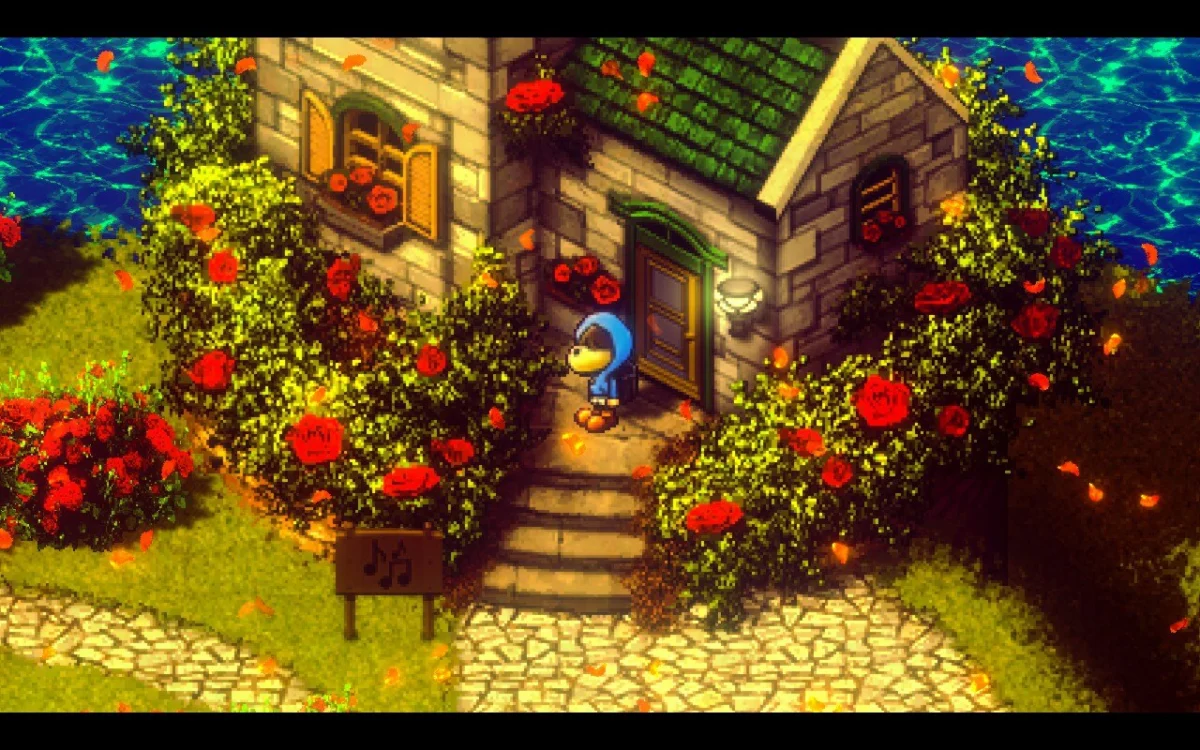
At first glance, Stray Children—the latest title from Onion Games—appears to be a quaint, charming pixel-art RPG. However, beneath its deceptively simple exterior lies a narrative and mechanical labyrinth that demands both patience and intellectual engagement. For those acquainted with the legendary lineage of Love-de-Lic and the visionary work of Yoshiro Kimura, the game’s depth is not merely a surprise; it is a homecoming. It is a title that marries the mechanical DNA of classic cult-RPGs with a poignant, unflinching meditation on the nature of adulthood, grief, and the loss of innocence.
The Genesis of a Digital Limbo
The journey of Stray Children begins with a seemingly mundane premise: a late-night excursion to an uncle’s workplace. The protagonist, a child searching for their missing father, finds themselves in a clandestine office—a workshop belonging to a video game designer. In a moment of childish curiosity that mirrors the inciting incidents of many classic adventure tales, the protagonist interacts with forbidden technology, triggering a displacement that thrusts both child and uncle into the RPG world of Crescent Moon.
This world is not merely a setting; it is a spiritual successor to the 1997 cult classic Moon: Remix RPG Adventure. Fans of Kimura’s previous work will recognize the thematic framework: a world where the traditional "Hero’s Journey" has already reached its conclusion, leaving behind a wake of collateral damage and broken individuals. Stray Children effectively speed-runs the narrative tropes of its predecessor before abruptly pulling the rug out from under the player, casting them into a surreal, isolated realm where children have established a Lord of the Flies-esque society, entirely severed from the influence of adults.
Chronology of an Existential Adventure
The true adventure commences when the player leaves the initial safe zones, venturing into a world governed by the fear of the "Olders." These creatures are the manifestations of adults who have succumbed to their own obsessions, transformed into hostile, tragic specters. The player’s quest to find their missing father serves as the narrative through-line, guiding them through a series of increasingly bizarre and imaginative locales:
- The Inmate Prison: A claustrophobic environment governed by the logic of child captives.
- The Frog Kingdom: A fantasy setting that subverts the tropes of high-fantasy gaming with an unsettling, bubbly levity.
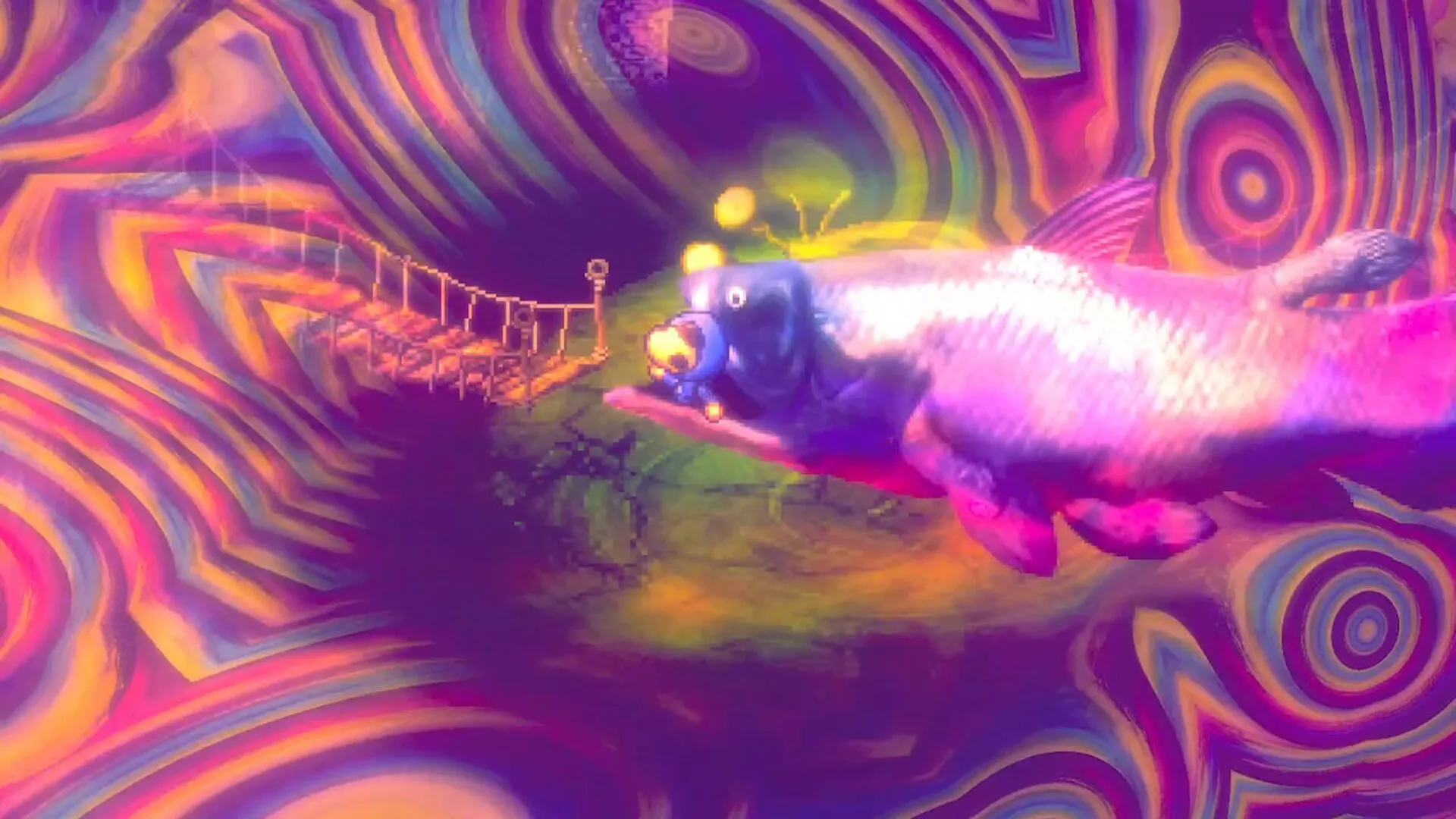
- The Hallucinogenic Mushroom Realm: A visual and auditory shift that challenges the player’s perception of reality.
- The Haunted House: A quintessential trope repurposed to explore the lingering ghosts of personal history.
As the player navigates these spaces, they are tasked with "pacifying" the Olders rather than defeating them. This is not a game of combat in the traditional sense, but one of empathy and psychological deconstruction.
The Mechanical Symbiosis: From Bullet-Hell to Minigames
The gameplay loop of Stray Children is a masterclass in tonal dissonance. While it shares a lineage with iconic titles like EarthBound, OFF, and Undertale, it distinguishes itself through a staggering array of bespoke minigames.
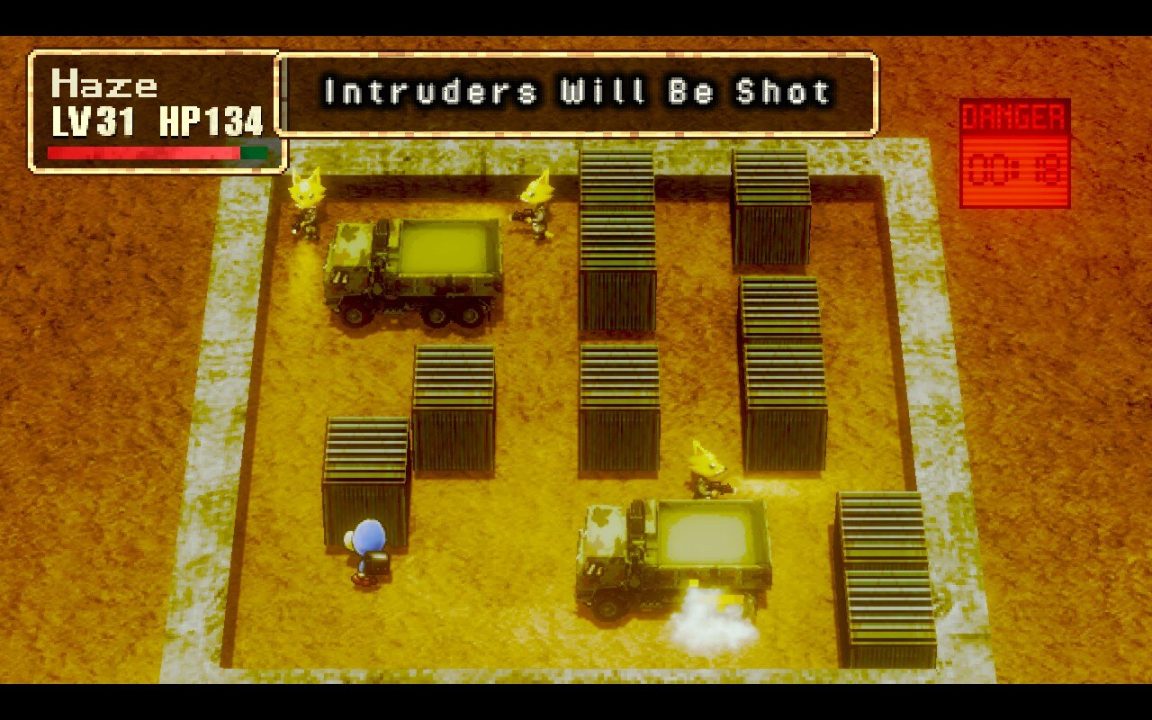
The combat is a turn-based framework, but it is frequently interrupted by rapid-fire, context-sensitive challenges. One moment, you are engaging in a standard encounter; the next, you are navigating a Metal Gear-inspired stealth sequence, playing Space Invaders, or stepping up to a baseball plate. These minigames are not mere distractions; they are mechanical metaphors for the specific traumas and obsessions of the Olders being confronted.
The puzzle-solving elements are equally unconventional. Progressing through the game requires either a brute-force approach—which the game subtly discourages—or a meticulous observation of environmental storytelling. The player must synthesize signposting, dialogue fragments, and visual cues to understand how to reach the remaining shreds of humanity within the Olders. This requires a level of player agency that is rarely seen in modern, hand-holding RPG design.
Supporting Data: A Circle of Creative Influence
The relationship between Stray Children and the broader indie RPG canon is circular and profound. Toby Fox, the creator of Undertale, famously cited Moon as a massive influence on his own work, despite never having finished the game. Yoshiro Kimura, in turn, has explicitly pointed to Undertale as a foundational influence for Stray Children.
This cross-pollination is evident in the game’s design:
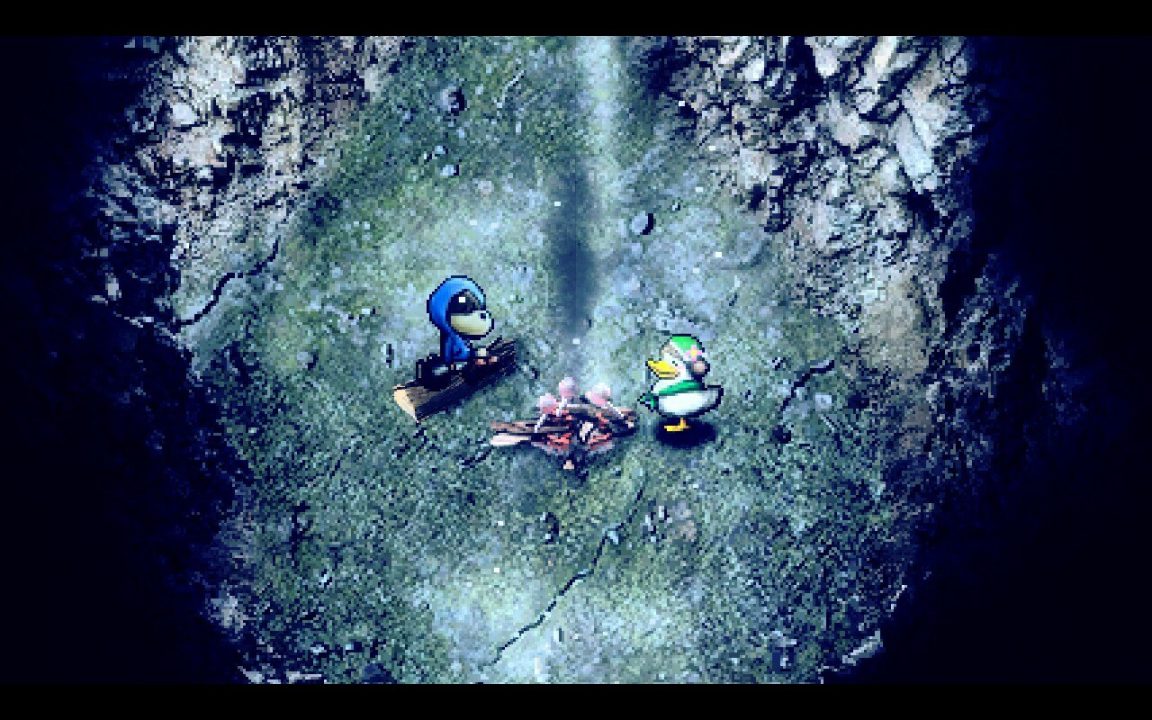
- Visual Language: Top-down pixel art that utilizes a warm, nostalgic palette for the protagonist, contrasted against grotesque, high-detail backgrounds.
- Narrative Delivery: The use of "remixed gibberish" for character dialogue—a signature of the Love-de-Lic era—which allows for expressive, witty, and darkly comedic storytelling without the need for traditional voice acting.
- Combat Philosophy: The emphasis on non-lethal resolution, where the objective is to "save" or "pacify" the adversary.
Implications: The Diagnosis of Adulthood
What truly separates Stray Children from its peers is its philosophical core. The game does not view adults as villains, but as casualties. The Olders are individuals who allowed their anxieties, addictions, and failures to calcify, eventually becoming barriers to their own happiness and the happiness of those around them.
The game’s design choices reflect this theme of "irreversible loss." With a single save file that only updates at specific campfires and a complete lack of backtracking for missed items, Stray Children forces the player to live with their mistakes. It is a game that refuses to let the player be a "completionist" in the traditional sense. You will miss things. You will make the wrong choice. And the game expects you to carry that baggage to the end.
As Kimura has framed it, growth is predicated on loss. By refusing to offer constant assistance or "fail-safe" mechanics, the game trusts the player to navigate the wreckage of its world with the same vulnerability as its protagonist. It is an exercise in patience that feels deeply rewarding because it respects the player’s intelligence and emotional capacity.
The Visual and Auditory Landscape
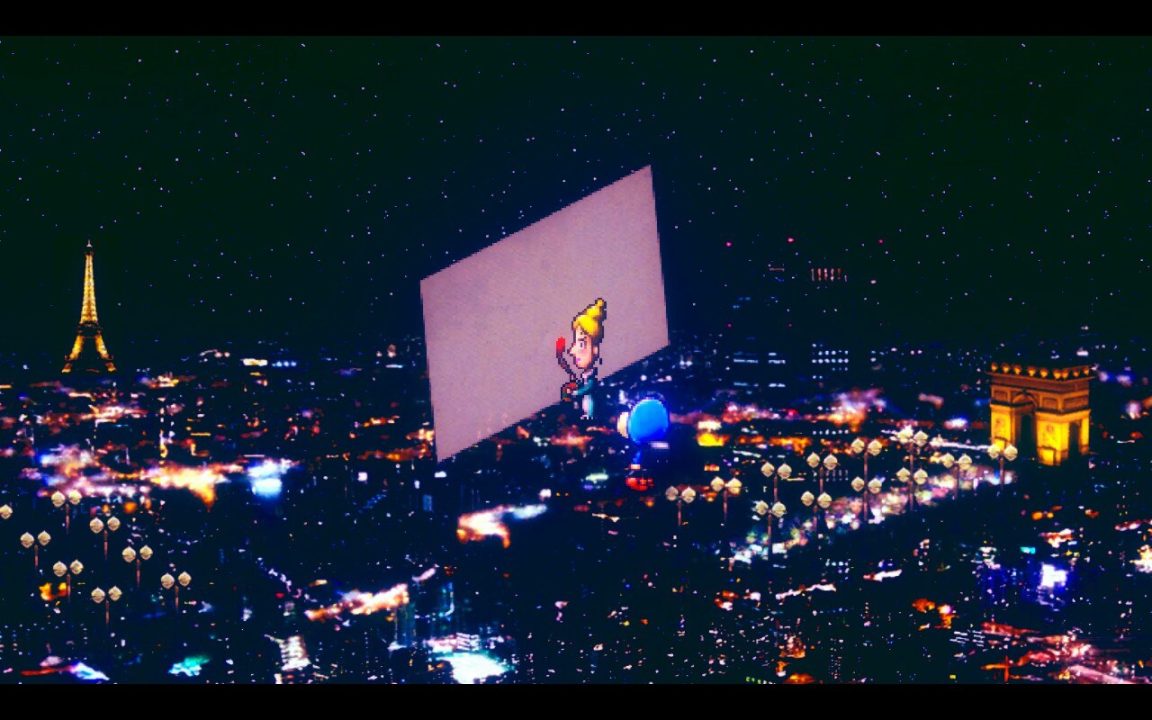
Visually, Stray Children is a contender for one of the most striking pixel-art games ever developed. The art direction—a fusion of Studio Ghibli’s warmth and Tim Burton’s macabre whimsy—creates a world that is visually arresting. The sepia-toned sprites of the children stand out sharply against environments that feel deformed by the trauma of the adults who built them.
The soundtrack complements this visual dissonance perfectly. Composed with an ear for the uncanny, the music shifts from whimsical, lighthearted melodies to icy, unsettling arrangements. Standout tracks, such as the spy-themed music of the prison or the battle themes that persist in the player’s memory long after the game is closed, serve as the glue that holds the game’s tonal shifts together.
Conclusion: A Masterpiece of Vulnerability
Stray Children is a rare example of a game that is unafraid to be difficult, not just in its mechanics, but in its emotional demands. It is a work of art that burrows into the heart, asking the player to confront the reality that we are all, in some way, drifting children in a world of broken adults.
For those who appreciate the avant-garde sensibilities of Hylics or the emotional resonance of Undertale, Stray Children is an essential experience. It is not a game for everyone, but for those it connects with, it will leave an indelible mark.
One final word of advice for those embarking on this journey: when you think the story has reached its natural conclusion, do not put the controller down. Follow the train tracks to the very end. The destination is worth every bit of the struggle.












No comments yet. Be the first to join the conversation!