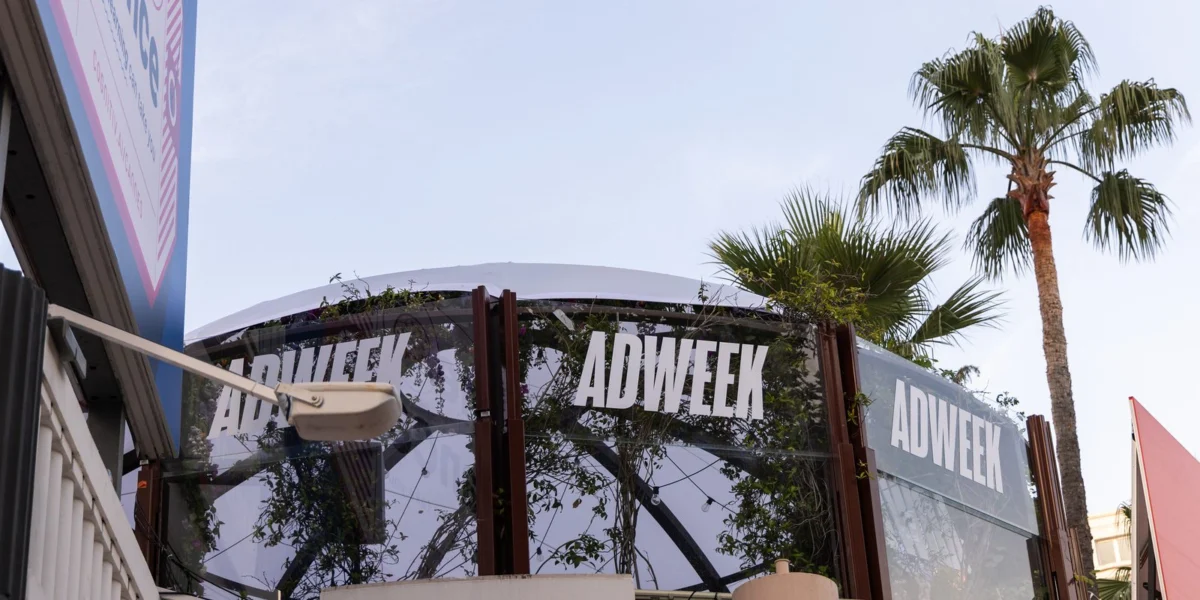
The annual pilgrimage to the French Riviera for the Cannes Lions International Festival of Creativity serves as more than just a celebration of high-end advertising; it is the industry’s primary barometer for the state of global marketing. Adweek House, situated at the epicenter of the Croisette, acted as the unofficial nerve center for these discussions. As the dust settles on the 2024 iteration of the festival, it is clear that the industry is navigating a pivotal intersection of generative artificial intelligence, shifting consumer loyalties, and the persistent demand for authentic, human-centric storytelling.
Main Facts: A Festival Defined by Transformation
The 2024 Cannes Lions festival was characterized by a massive influx of technology providers, moving the discourse beyond traditional media agencies and into the realm of deep-tech integration. Adweek House hosted a series of high-level panels that centered on one singular theme: "The New Creative Infrastructure."
The primary takeaway from this year’s gathering was the maturation of Generative AI. While 2023 was a year of experimentation and curiosity regarding AI tools, 2024 shifted the focus toward practical application, scalability, and, most importantly, brand safety. Executives from the world’s largest holding companies—including WPP, Omnicom, and Publicis—all echoed a common sentiment: AI is no longer a "bolt-on" feature; it is being woven into the fabric of agency workflows.
Furthermore, the "creator economy" has officially graduated to the "creator enterprise." Influencers and content creators were not merely relegated to the sidelines of the festival; they were central figures in boardrooms, proving that the lines between entertainment, media, and commerce have effectively dissolved.
Chronology: The Week on the Croisette
To understand the trajectory of the festival, one must look at the thematic evolution of the week:
- Monday: The AI Awakening. The opening day was dominated by announcements regarding enterprise-level AI partnerships. Adobe, Microsoft, and Google occupied significant space, detailing how their respective platforms are being utilized to automate mundane production tasks to free up creative bandwidth.
- Tuesday: The Sustainability Mandate. Discussions shifted toward the "Green Economy." CMOs from global CPG brands participated in forums at Adweek House, addressing the pressure to align creative messaging with tangible ESG (Environmental, Social, and Governance) results. The critique of "greenwashing" was palpable, with speakers emphasizing that creative work must be backed by transparent, data-driven supply chain realities.
- Wednesday: The Creator-Brand Symbiosis. Mid-week was defined by the intersection of platform power and brand strategy. Panels focused on the migration of ad dollars from traditional linear television toward TikTok and YouTube Shorts, highlighting the need for "native-first" content strategies.
- Thursday: The Human Element. As the week progressed, the tension between automation and human intuition peaked. Industry veterans argued that while AI can optimize for performance, it often lacks the cultural nuance required for brand-building, leading to a consensus on the need for "human-in-the-loop" creativity.
- Friday: The Future Outlook. The final day focused on the 2025 roadmap, specifically how creative agencies can pivot to become business transformation consultancies.
Supporting Data: The Metrics of Change
The scale of the 2024 event was unprecedented. According to festival organizers, attendee numbers surpassed pre-pandemic levels, with a 15% increase in representation from the tech sector compared to 2023.
Data presented during Adweek House sessions highlighted several key shifts:
- AI Adoption Rates: A survey of attendees revealed that 72% of agencies have now integrated some form of generative AI into their daily production workflows, up from 38% in the previous year.
- Budget Shifts: Advertising spend on social video platforms rose by 22% year-over-year, while linear TV ad spend saw a marginal decline of 4%.
- Measurement Frustration: Despite the abundance of data, 65% of CMOs expressed dissatisfaction with current cross-platform attribution models, citing a lack of standardization across "walled gardens" like Meta and Amazon.
Official Responses: Voices from the Industry
Throughout the week, industry titans offered their perspectives on the changing landscape.
On AI’s Role in Creativity:
"The goal of AI is not to replace the creative spark," noted one agency CEO during a keynote session. "It is to provide a safety net for the mundane, allowing our people to take the risks that actually move the needle for brands. We are entering the era of the ‘augmented creative.’"
On the Sustainability Challenge:
"Consumers are smarter than we give them credit for," a global CMO remarked. "If your creative campaign tells a story of sustainability that isn’t reflected in your manufacturing processes, the backlash is immediate and global. Authenticity is no longer a buzzword; it is a business imperative."
On the Evolution of the Cannes Festival:
Festival organizers emphasized that the goal of the 2024 event was to bridge the gap between "the boardroom and the studio." By bringing tech leaders and creative directors together, they aimed to dispel the notion that technology and art are at odds.
Implications: The Road Ahead
The implications for the marketing industry are profound. As we look toward the remainder of the decade, several trends are set to define the competitive landscape:
The "Consultancy-Agency" Hybrid
Agencies are increasingly morphing into consultancy-style entities. They are no longer just producing assets; they are architecting the customer experience. This requires a new breed of talent—one that understands data science as well as they understand narrative structure.
The Death of Mass-Market Homogeneity
With the power of AI to generate hyper-personalized content at scale, the "one-size-fits-all" campaign is rapidly becoming obsolete. The future of advertising lies in "mass personalization," where every consumer receives a brand interaction tailored to their specific behavioral history.
Navigating the Privacy Paradox
As cookies fade and privacy regulations tighten, the industry is forced to rely more heavily on "first-party data." This means that the creative work itself must become the engine for data collection. Brands that offer value in exchange for data—through interactive content, loyalty programs, or community building—will thrive, while those that rely on intrusive tracking will face mounting friction.
A Renewed Focus on Craft
Perhaps the most optimistic takeaway from Cannes 2024 is the renewed appreciation for high-quality human craft. In a digital landscape saturated with AI-generated noise, the work that stood out was work that felt undeniably human. Emotional resonance, cultural insight, and raw, unfiltered storytelling remain the most valuable currencies in the creative economy.
Conclusion
The 2024 Cannes Lions festival was a testament to the resilience and adaptability of the creative industry. While the buzz of AI dominated the hallways and the debate stages of Adweek House, the underlying theme remained constant: technology is merely a tool. The true power of advertising continues to reside in the ability to connect, persuade, and inspire.
As brands head back to their respective markets, the challenge remains clear. The tools of production have evolved, but the requirements for brand longevity have not. Success in the coming years will belong to those who can effectively harmonize the efficiency of the machine with the intuition of the human spirit. The Croisette may have been crowded, but for those who listened closely, the message was clear: the future belongs to the storytellers who aren’t afraid to use the latest technology to tell the oldest of truths.