

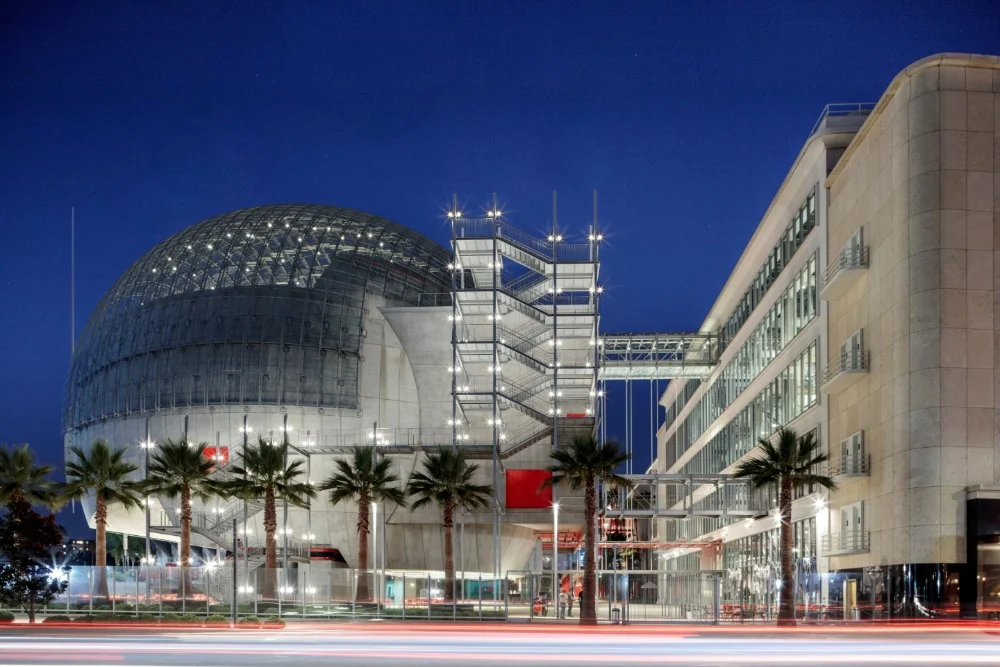
The landscape of modern entertainment is undergoing a dual evolution. On one side, the Academy of Motion Picture Arts and Sciences—the venerable guardian of cinematic excellence—is pivoting to protect the sanctity of the physical moviegoing experience. Simultaneously, industry titan James Cameron is cementing the future of immersive storytelling by bringing cutting-edge stereoscopic technology under the umbrella of his own production house. Together, these developments signal a robust commitment to both the historical roots of cinema and its high-tech, multisensory future.
Part I: The Academy Marquee Theater List – Celebrating the Temple of Cinema
In an era defined by the ubiquity of streaming services and the convenience of at-home viewing, the Academy of Motion Picture Arts and Sciences has launched a strategic initiative to reassert the cultural importance of the theatrical experience. The newly announced "Academy Marquee Theater List" is not merely an award; it is a global recognition program designed to identify, celebrate, and preserve the "temples of cinema" that define moviegoing as a communal, transformative event.
The Vision Behind the List
The Academy defines the inaugural Marquee Theater List as a tribute to exhibition spaces that transcend the role of mere retailers. To qualify, a theater must act as a cultural anchor within its community, demonstrating an unwavering commitment to the preservation of cinematic history while providing an "exceptional audience experience." By recognizing these venues, the Academy aims to highlight the intrinsic value of the big screen, reinforcing that cinema is meant to be consumed in an environment designed for immersion.
Selection Criteria and Process
The process of selecting the first 50 theaters—slated for the spring of 2027—is rigorous and holistic. The selection committee, comprised of Academy members from all branches, will assess candidates based on a multi-faceted rubric that extends beyond screen size and seating capacity. The evaluation criteria include:
- Community Engagement: How the theater interacts with its local audience and serves as a cultural hub.
- Technical Presentation: The quality of visual and audio fidelity, ensuring that films are presented exactly as the filmmakers intended.
- Programming: The breadth and diversity of the film selection, including independent, repertory, and first-run features.
- Diversity, Inclusion, and Accessibility: The theater’s ability to serve a broad spectrum of the public, ensuring the experience is welcoming to all.
- Historic Significance: Recognition of the architectural and historical pedigree of the building.
- Operational Excellence: The quality of design, lighting, maintenance, and the standard of concessions.
The selection will be finalized through an approval process by the Academy’s Board of Governors. By capping the number of submissions from any single theater chain at 10, the Academy ensures that the list remains a diverse mix of independent landmarks and top-tier commercial venues, rather than a tally of corporate dominance.
Part II: A New Chapter in 3D—Lightstorm Vision Acquires Stereotec
While the Academy looks to preserve the traditions of the past, James Cameron’s Lightstorm Vision is aggressively securing the future. The recent acquisition of Stereotec, a German-based manufacturer renowned for its precision 3D camera rigs, represents a significant consolidation of power in the stereoscopic imaging market.
The Legacy of Stereotec
Stereotec has long been the "secret weapon" for directors aiming to push the boundaries of 3D filmmaking. With twelve Lumiere Awards from the Advanced Imaging Society under its belt, the company has proven its technical mettle across a decade of ambitious productions. Their equipment has been instrumental in the creation of:
- Gemini Man (2019): A technical marvel that utilized high-frame-rate 3D to create hyper-realistic visuals.
- Billy Lynn’s Long Halftime Walk (2016): An exploration of deep-focus, immersive storytelling.
- Dune: Part Two (2024): Where Stereotec’s IR-3D rigs provided the visual scale necessary for Denis Villeneuve’s sweeping sci-fi epic.
- Live Concert Experiences: Including the high-fidelity Billie Eilish – Hit Me Hard and Soft: The Tour (Live in 3D), proving that 3D is moving beyond traditional narrative film into the realms of live entertainment.
The Synergy of Vision
For James Cameron, the acquisition is personal. "Florian (Dr. Maier) and I share a vision for the 3D future, like brothers from another mother," Cameron stated in a press release. The acquisition is not just about owning hardware; it is about vertical integration. By aligning Lightstorm’s creative output with Stereotec’s manufacturing prowess, Cameron intends to accelerate the development of "integrated 3D production technology."
Part III: Implications for the Film Industry
The intersection of these two stories—the Academy’s theater initiative and the Lightstorm acquisition—paints a complex picture of where the film industry is headed.
The "Eventization" of Cinema
The Academy’s move to label specific theaters as "cultural anchors" serves a defensive purpose. By creating a prestige category for theaters, the Academy is incentivizing exhibitors to invest in their infrastructure. If a theater knows that superior audio-visual standards and historic preservation could earn them an Academy designation, they are more likely to spend on upgrades. This "eventization" of the theater experience is essential to differentiate the cinema from the living room.
The Ubiquity of Immersive Tech
James Cameron’s acquisition of Stereotec implies that he sees a future where 3D is not a gimmick, but a standard—not just for blockbuster movies, but for sports, streaming content, and virtual reality platforms like the Apple Vision Pro. The technology is shifting from cumbersome, heavy rigs to efficient, high-performance systems that allow creators to capture 3D content as easily as 2D.
As Cameron noted, "As stereoscopic 3D expands in all entertainment media… we will remain at the cutting edge." This suggests that the next generation of "Marquee Theaters" might eventually be equipped not just for traditional projection, but for high-end, immersive stereoscopic presentations that rival the quality of the best consumer headsets.
Part IV: Chronology and Context
To understand the trajectory of these announcements, it is helpful to look at the recent history of the industry:
- 2010–2015: The "3D Boom" initially driven by Avatar leads to a saturation of 3D, followed by a decline in consumer interest due to poor implementation.
- 2016–2020: Directors like Ang Lee and James Cameron continue to refine the technology, proving that when 3D is shot natively (as opposed to post-converted), the visual experience is vastly superior.
- 2020–2022: The COVID-19 pandemic threatens the existence of brick-and-mortar theaters, forcing the industry to rethink the value proposition of public moviegoing.
- 2023–2024: The rise of spatial computing (Apple Vision Pro, Meta Quest) creates a new market for high-quality stereoscopic content, breathing new life into the work Stereotec has been pioneering.
- 2025: The Academy announces the Marquee Theater List, marking the first major structural effort to reward the preservation of physical exhibition spaces.
Part V: Looking Toward the Future
The Academy’s Marquee Theater List and the Stereotec acquisition represent two sides of the same coin. One is an effort to curate and protect the physical spaces that have defined our cultural lives for a century; the other is an investment in the tools that will redefine how we experience the visual arts in the coming century.
For the theater owner in a small town, the Academy’s new program offers a path to relevance and prestige. For the filmmakers and technologists, the marriage of Lightstorm and Stereotec offers the tools to push the boundaries of human perception. Together, they suggest that while the delivery method of film may continue to evolve—from the historic palace theaters to the digital, immersive headsets of tomorrow—the core goal remains the same: to transport the audience to another world.
As the industry prepares for the first round of applications for the Marquee Theater List, and as Lightstorm Vision begins its integration of Stereotec, the film world is signaling that it has no intention of fading into the background. Instead, it is doubling down on the magic of the screen—wherever that screen may be.
How to Get Involved
The Academy has officially opened the application process for the Marquee Theater List. Theater owners, curators, and managers interested in submitting their venues for consideration should visit the official Academy portal at Oscars.org. The deadline for the first cycle of submissions will be a critical date for exhibitors worldwide, as they vie for a spot in what promises to be the definitive guide to the world’s best moviegoing experiences.
As we move toward 2027, the dual focus on "community anchors" and "technological innovation" will undoubtedly shape the discourse around cinema for years to come. Whether in the grand, historic lobby of a restored 1920s cinema or through the lens of a cutting-edge 3D camera, the art of the motion picture remains as vital and as ambitious as ever.











No comments yet. Be the first to join the conversation!