

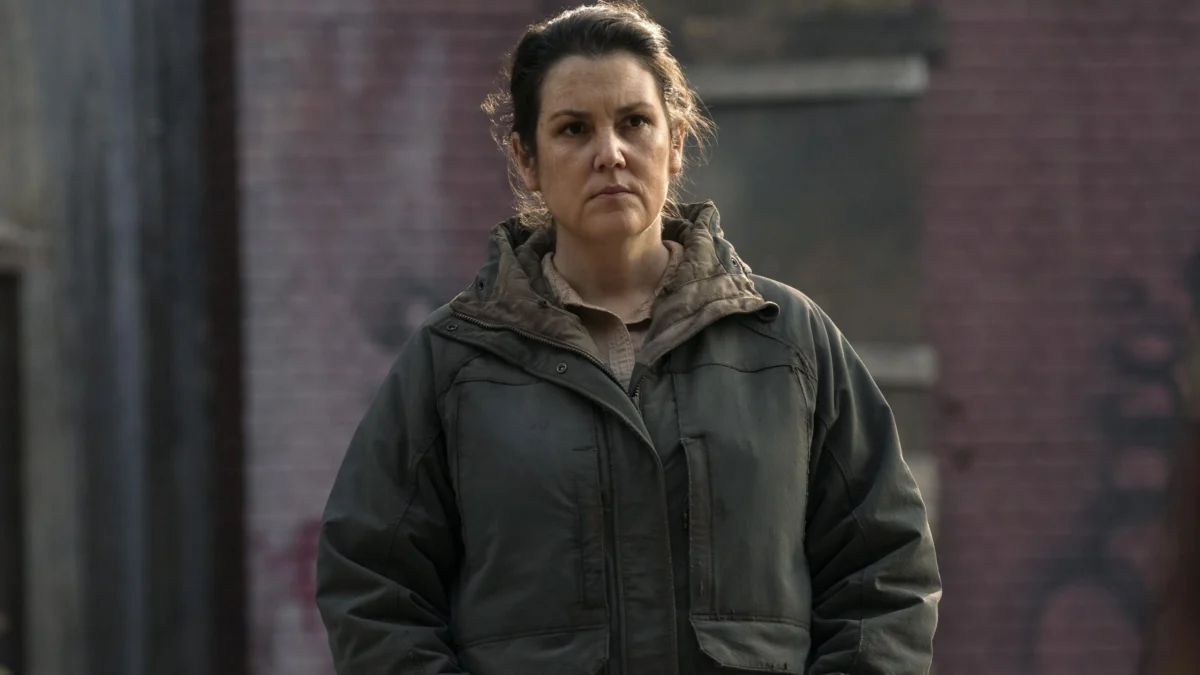
HBO has long occupied a singular position in the television landscape, acting as a crucible for the industry’s most compelling performances. From the visceral intensity of James Gandolfini’s Tony Soprano to the haunting moral ambiguity of Michael K. Williams’ Omar Little and the meteoric rise of stars like Sydney Sweeney and Michael B. Jordan, the network’s casting directors have consistently demonstrated an uncanny ability to identify talent that elevates script to myth. Whether through the sprawling, interconnected ensembles of The Wire and Succession or the biting, satirical character studies in The White Lotus, HBO has mastered the art of the "scene-stealer."
However, in 2023, the network faced a challenge that had proven to be the graveyard of many ambitious production houses: the video game adaptation. With the release of The Last of Us, HBO didn’t just produce a show; they broke a decades-long curse, setting a new gold standard for how prestige television can translate digital interactive experiences into profound human drama.
A Legacy of Failure, A New Standard of Success
For over thirty years, the history of video game adaptations was defined by critical derision and commercial disappointment. Studios frequently prioritized visual spectacle and superficial "lore" over the character-driven narrative arcs that make games like Naughty Dog’s The Last of Us so resonant.
The tide began to turn with the success of Arcane and Fallout, but The Last of Us stands as the definitive pivot point. By bringing in Chernobyl creator Craig Mazin—a writer known for his ability to find human intimacy within global catastrophes—and partnering him with Neil Druckmann, the original creative architect of the games, HBO ensured that the transition from console to screen was handled with surgical precision.
The result was an immediate, resounding triumph. Critics praised the writing for its emotional intelligence, while the visual effects team successfully rendered a post-apocalyptic United States that felt lived-in, decaying, and terrifyingly real. Yet, while the world-building was exceptional, it was the casting—the human element—that truly anchored the production.
The Impossible Task: Recasting Icons
When HBO cast The Sopranos, they were creating an archetype. No one had "owned" the role of Tony Soprano before James Gandolfini. In contrast, the casting team for The Last of Us faced a daunting hurdle: the characters of Joel Miller and Ellie Williams were already defined by the legendary performances of Troy Baker and Ashley Johnson.
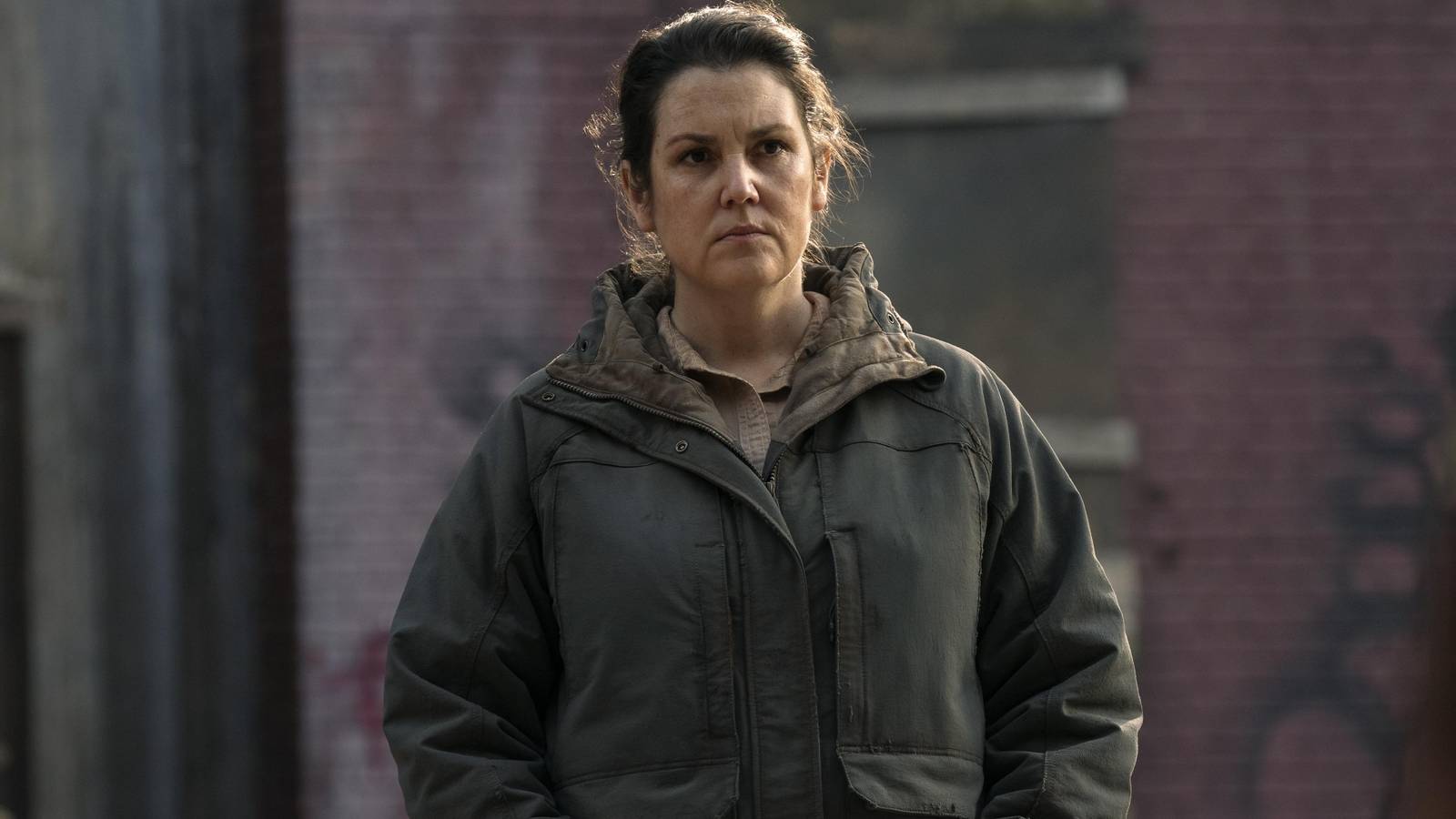
The audience was not merely being introduced to characters; they were being asked to accept new versions of figures they had lived with for years. The challenge was to avoid a "cosplay" imitation and instead find performers capable of embodying the essence of these characters while carving out their own unique interpretations.
The Pascal-Ramsey Dynamic
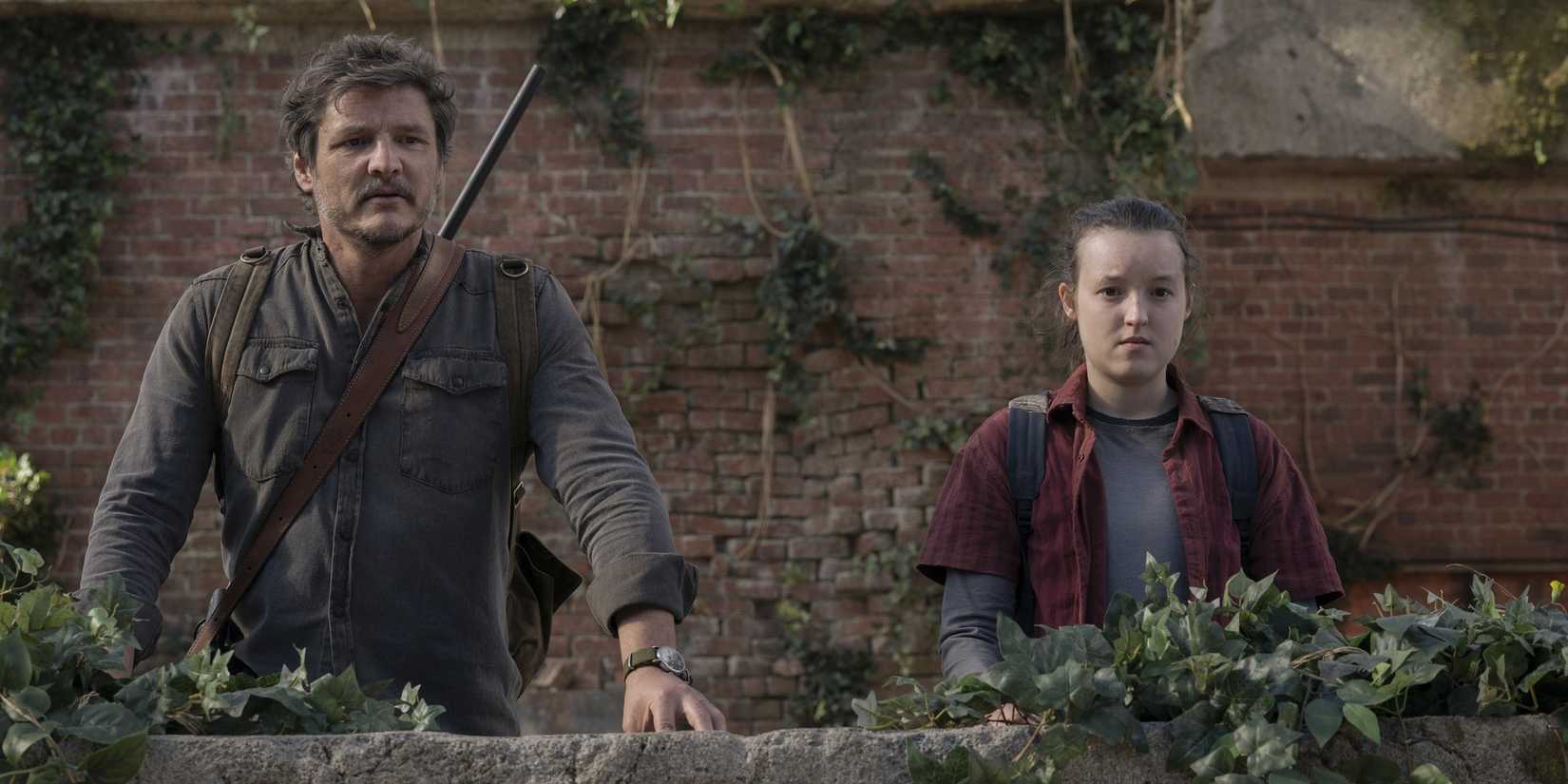
In Pedro Pascal and Bella Ramsey, HBO found lightning in a bottle. Pascal’s portrayal of Joel is notably more sensitive and emotionally fragile than his digital predecessor. By leaning into the character’s profound grief and his quiet, desperate need for redemption, Pascal created a father figure who felt like a man physically and mentally broken by the collapse of society.
Conversely, Bella Ramsey’s Ellie is sharper, more volatile, and fiercely defiant. Where the game’s Ellie was a symbol of hope through a certain innocence, Ramsey’s iteration feels hardened by a world that has never been kind to her. Yet, when the two share the screen, the chemistry is undeniable. It is a masterclass in non-verbal storytelling; the way they navigate the silence between them conveys more about their surrogate father-daughter bond than any line of dialogue could.
The Supporting Architecture: Elevating the Ensemble
A prestige drama is only as strong as its periphery, and The Last of Us features perhaps the most robust supporting cast in modern television. The production team understood that in a world defined by scarcity, every life is a story.
The casting of guest stars was particularly inspired. Take, for instance, the third episode, "Long, Long Time." By handing the reins to Nick Offerman and Murray Bartlett, the show transformed a minor piece of environmental storytelling from the game—a survivalist named Bill—into one of the most celebrated and devastating love stories in the history of television. This was not a side quest; it was a profound exploration of what it means to live, not just survive, in the end times.
Breadth of Talent
The depth of the ensemble continues to impress as the series progresses:
- Gabriel Luna (Tommy Miller): Brought a necessary layer of grounded, fraternal complexity to Joel’s estranged brother.
- Isabela Merced (Dina): Has already begun to redefine the emotional stakes for Ellie’s future, providing a mirror to the trauma Ellie carries.
- Kaitlyn Dever (Abby Anderson): Perhaps the most difficult role to cast, Dever has been tasked with humanizing a character who, in the source material, was the subject of immense, polarized debate. Her ability to match the intensity of Laura Bailey’s original performance while introducing her own nuance is a testament to the show’s casting rigor.
The Economic and Creative Implications
The success of The Last of Us has sent shockwaves through Hollywood. It has proven that "prestige TV" is not mutually exclusive with "genre adaptation." By investing in top-tier acting talent—actors who would otherwise be leading prestige dramas on Netflix or Apple TV—HBO has validated the video game industry as a legitimate source of high-quality IP.
From an economic standpoint, the show has revitalized the Naughty Dog brand, leading to a massive resurgence in game sales and a renewed interest in the franchise’s future. For the actors involved, the series has served as a career-defining platform. Pedro Pascal, already a star, has transitioned into the stratosphere of "generational talent," while Bella Ramsey has cemented their status as one of the most compelling performers of their generation.
Chronology of Casting Success
- Pre-Production (2020-2021): The initial search for Joel and Ellie was characterized by intense fan speculation and rigorous chemistry reads. The goal was to find a pair whose rapport was instantaneous.
- Premiere (2023): The first season drops, silencing skeptics who doubted that a video game could sustain such a high-brow emotional tone.
- Expansion (2024-2025): The casting process for Season 2 demonstrated that HBO was willing to take risks, particularly with the introduction of complex characters like Abby and Dina, who require the audience to challenge their own allegiances.
Conclusion: The Art of the Human Connection
The primary reason The Last of Us works is not the fungal zombies, the ruined skylines, or the faithful recreation of game mechanics. It is the casting. By treating the source material with the same reverence one might afford a literary classic, HBO’s casting team has achieved something rare: a show that satisfies the die-hard gamer while captivating a general audience that doesn’t know a "Clicker" from a "Bloater."
Ultimately, the show serves as a reminder that even in the most sterile or post-apocalyptic environments, the audience will always return for the human heartbeat at the center of the story. Whether it is Joel looking for a reason to keep moving or Ellie looking for a reason to trust, the performances in The Last of Us ensure that the stakes are always personal. HBO has once again proven that if you cast with intelligence and heart, you can turn any medium into a work of art.











No comments yet. Be the first to join the conversation!