

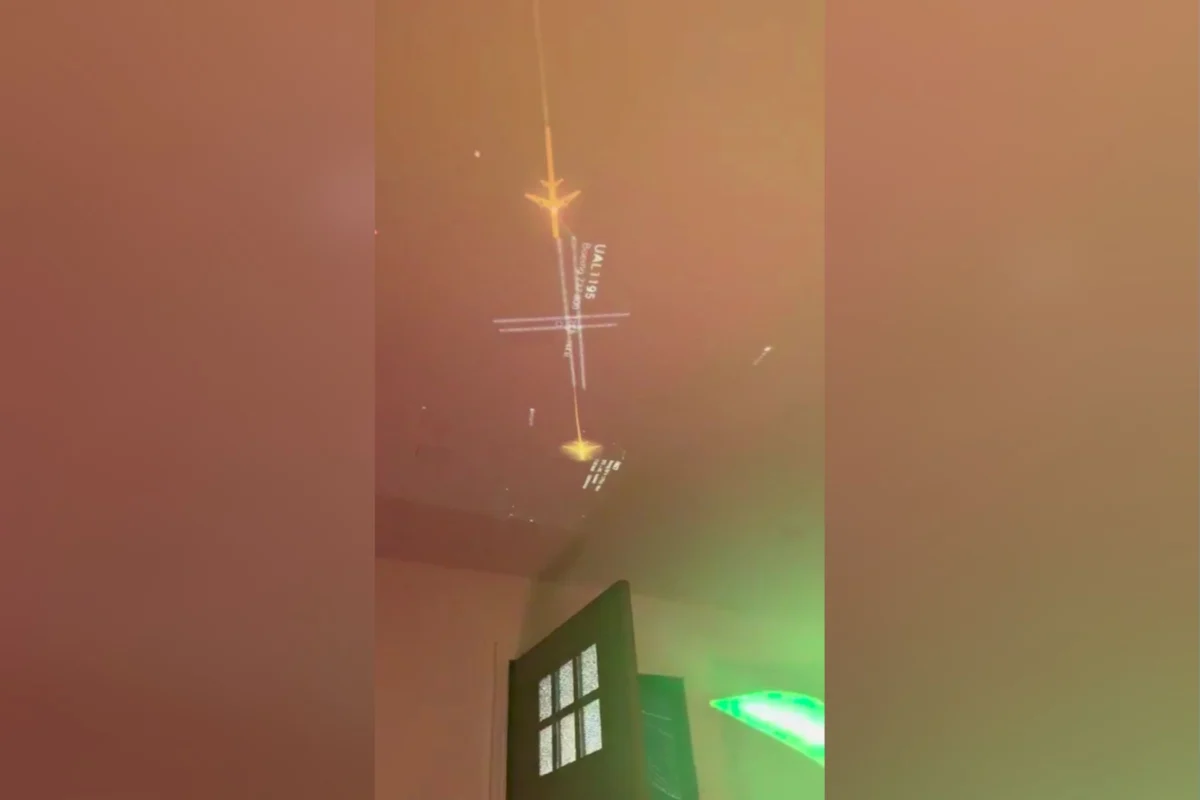
In the world of DIY electronics and hobbyist engineering, it takes a truly exceptional project to stop a seasoned enthusiast in their tracks. While the Raspberry Pi ecosystem is flooded with retro-gaming consoles, smart home sensors, and weather stations, a new project known as "Skylight" has recently captured the imagination of the community. Created by GitHub developer cpaczek, Skylight transforms a standard ceiling into a real-time, interactive aviation map, effectively bringing the complex world of air traffic control directly into the living room.
Main Facts: Bringing the Skies Indoors
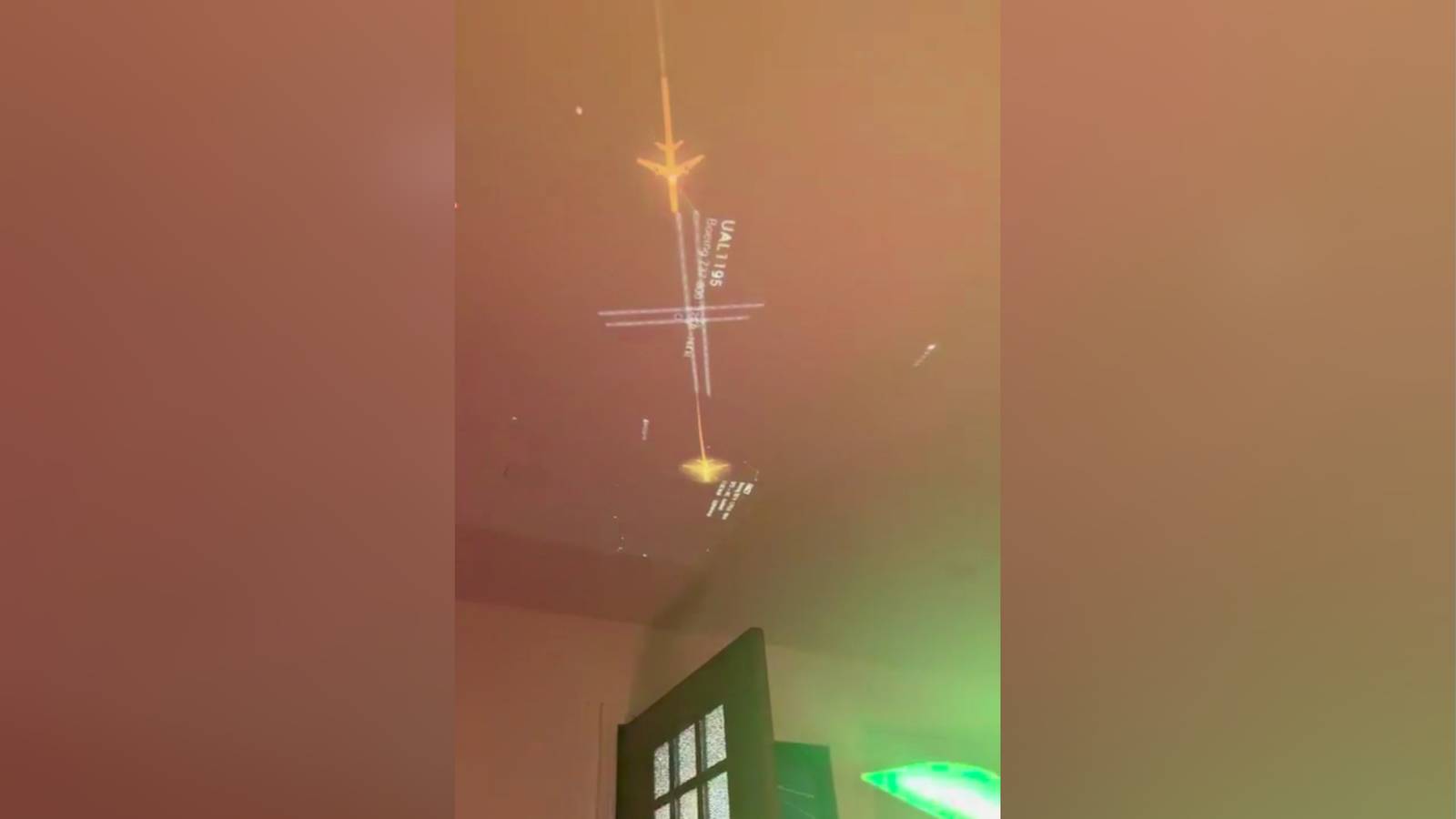
At its core, Skylight is an open-source initiative that leverages the compact power of the Raspberry Pi 5 to render live flight data onto a surface. By utilizing a projector as the primary display, the system maps the airspace immediately above the user’s home. The result is a dynamic visualization that tracks aircraft as they traverse the sky, providing users with live telemetry, flight identification, and trajectory data without the need to consult a smartphone or tablet.
The project bridges the gap between hardware and software, utilizing radio-frequency signals captured from aircraft transponders. By decoding these signals, the system generates a live graphical overlay that moves in sync with the physical reality of the plane flying overhead. For aviation enthusiasts, hobbyists, or anyone who has ever wondered, "Where is that plane going?", Skylight offers a sophisticated, immersive, and highly aesthetic solution.
Chronology: From Concept to Viral Success
The project recently gained significant traction following a demonstration on the r/raspberry_pi subreddit. While the developer, cpaczek, has maintained a modest profile, the impact of their demonstration was immediate.
- Initial Development: The developer began by conceptualizing a method to visualize ADS-B (Automatic Dependent Surveillance–Broadcast) data in a spatial context.
- The Technical Build: The project underwent several iterations, focusing on optimizing the latency of the data stream to ensure that the "digital twin" of the plane on the ceiling accurately reflected the physical aircraft’s position.
- The Reddit Reveal: On June 4, 2026, the project was shared with the public. The video featured a dual-perspective setup: first showing the real-world aircraft and then shifting to the interior of a room where a projector beamed the corresponding data onto the ceiling.
- Community Adoption: Within hours of the post, the project repository on GitHub saw a surge in traffic. Hobbyists began reviewing the documentation to replicate the setup, signaling a shift in how enthusiasts are approaching "data visualization" in home automation.
Supporting Data: The Hardware Behind the Magic
One of the most appealing aspects of Skylight is its accessibility. Unlike enterprise-grade aviation tracking systems, which can cost thousands of dollars, the Skylight project is built on a relatively modest bill of materials.
The Hardware Stack
- Raspberry Pi 5: The engine of the project. The Pi 5’s increased processing power allows it to handle the simultaneous decoding of radio signals and the rendering of the graphical interface without stuttering.
- RTL-SDR Blog V4: This software-defined radio (SDR) dongle is the project’s "ears." It listens for 1090MHz signals broadcast by aircraft transponders.
- Projector: Any standard projector capable of being mounted or positioned to beam onto a ceiling works. The fidelity of the experience depends largely on the projector’s lumen output and resolution.
- Connectivity: A simple micro-HDMI to HDMI cable connects the Pi to the projection device.
Software Integration
The software stack is designed to be modular. While the project is optimized to use the RTL-SDR dongle to pull raw data directly from the air, it is also capable of interfacing with free aviation APIs. This flexibility ensures that even users who live in areas with lower signal density or who prefer not to manage an antenna setup can still enjoy the visual experience by pulling data from internet-based flight tracking services.
Official Responses and Community Impact
While the developer has remained largely silent regarding the "why" or the specific inspirations behind the project, the community response has been overwhelmingly positive. The r/raspberry_pi community, known for its high standards regarding DIY projects, lauded the project for its "clean implementation" and "lack of fluff."
"It’s not just about the code," noted one prominent community member. "It’s about the transformation of a space. Turning a ceiling into an augmented reality display is something that felt like science fiction just a few years ago. Now, it’s a weekend project for anyone with a Pi 5."
The silence from the creator—beyond providing the necessary GitHub repository—has ironically fueled the project’s popularity. By refusing to over-market or "hype" the software, the developer has allowed the functionality to speak for itself. The GitHub repository currently serves as a central hub where users are contributing "issues" and "pull requests" to improve the UI, add new map styles, and refine the trajectory-tracking algorithms.
Implications: The Future of Home Augmented Reality
The success of the Skylight project holds broader implications for the DIY home automation and "Smart Home" sectors. We are seeing a shift away from simple functional devices—like smart lights or thermostats—toward "ambient computing" projects that provide information in an artistic and spatial way.
1. Data as Decor
Skylight highlights the growing trend of "Data-Driven Interior Design." By projecting information onto architecture, users can make their environment more informative without cluttering it with screens. This could eventually lead to custom applications that display weather patterns, localized star maps, or real-time transit data in a similarly elegant fashion.
2. Democratization of Aviation Tech
Traditionally, tracking aircraft was restricted to professionals or serious hobbyists with complex base stations. By integrating the RTL-SDR hardware into a user-friendly software package, Skylight lowers the barrier to entry for understanding aviation logistics. It turns a "boring" radio signal into a visual narrative, educating users on flight paths, air traffic corridors, and aircraft identification.

3. Open Source as a Catalyst
The project serves as a perfect case study for the power of open-source development. By making the code accessible, the developer has enabled a global cohort of engineers to iterate on the software. Features that might have taken a single developer months to implement—such as support for different map projections or integration with secondary data sources—are being handled by the community in a matter of weeks.
Conclusion: Is This the Future of Hobbyist Tech?
The Skylight project is a poignant reminder of why the Raspberry Pi platform remains the gold standard for innovation. It isn’t just about building a computer; it’s about solving a problem, or in this case, answering a curiosity, in a way that is both technically robust and aesthetically profound.
For those looking to replicate this, the entry barrier is low, but the ceiling—pun intended—for customization is high. Whether you are an aviation enthusiast, a coder looking for a new weekend challenge, or simply someone who enjoys having the most interesting conversation piece in the neighborhood, Skylight represents the pinnacle of modern, accessible DIY tech.
As we look toward the future of home computing, projects like Skylight suggest that our walls and ceilings may soon become the next frontier for information display. The sky, as they say, is no longer the limit—it is simply a projection on your living room ceiling. If you are ready to start your own build, the GitHub repository is active, the community is helpful, and the data is waiting to be captured from the air above your head. Don’t just watch the planes go by—know them, track them, and bring the horizon into your home.












No comments yet. Be the first to join the conversation!