Iffa Jayyana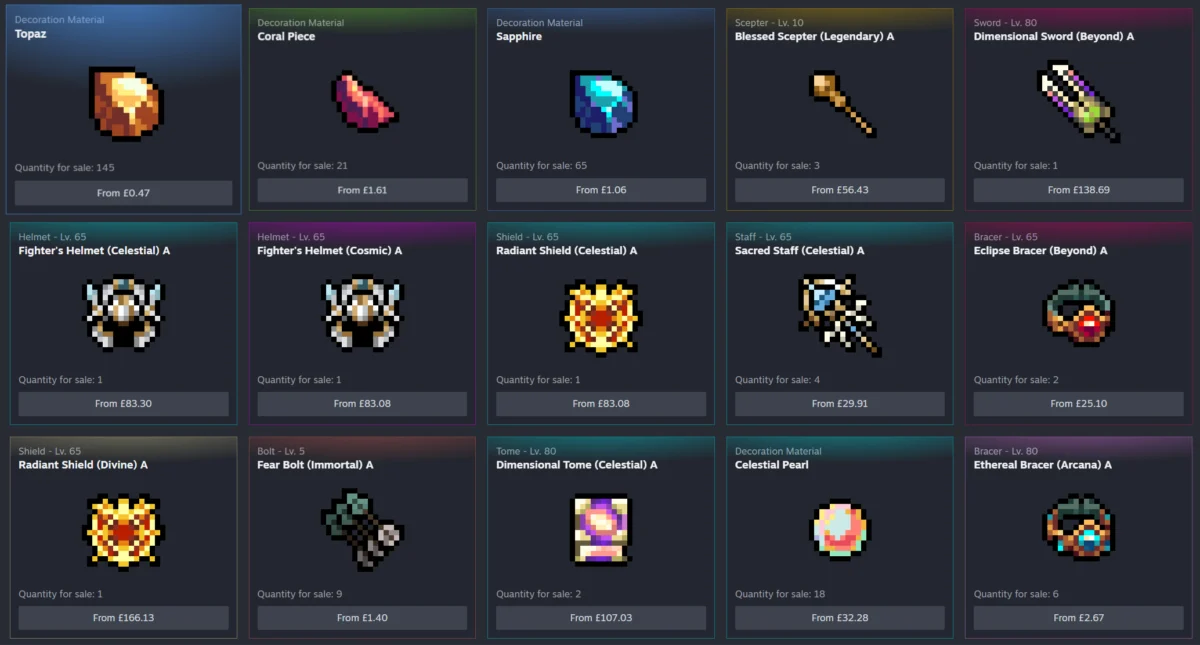
The Steam player charts are no longer the sole domain of AAA blockbusters and competitive esports juggernauts. In an increasingly surreal shift in gaming trends, the digital storefront has become a hotbed for "idle" games—minimalist, often passive experiences that command hundreds of thousands of concurrent users. Following the viral success of Bongo Cat and the controversial, market-driven phenomenon of Banana, a new challenger has emerged: Task Bar Hero.
Since its launch in late May, Task Bar Hero has exploded in popularity, recently hitting a staggering all-time peak of 526,596 concurrent players. To put that figure in perspective, it currently sits comfortably above industry titans like Dota 2, PUBG: Battlegrounds, and the highly anticipated Path of Exile 2. However, beneath the surface of this massive player count lies a complex ecosystem of item trading, allegations of bot farming, and significant concerns regarding user privacy and account security.
The Chronology of a Viral Idle Hit
The meteoric rise of Task Bar Hero did not follow the traditional trajectory of a game launch. There were no massive marketing campaigns or high-budget trailers. Instead, it leveraged a strategy that has become a hallmark of the "Steam idle" genre: passive engagement combined with the promise of real-world monetary value via the Steam Marketplace.
- Late May 2024: Task Bar Hero makes its quiet debut on Steam.
- Early June 2024: The game begins to climb the charts, moving from a niche novelty to a mainstream sensation as word spreads about its integrated item-earning mechanics.
- Mid-June 2024: Concurrent player counts surge past the 400,000 mark overnight, signaling that the game has entered the top-tier of Steam’s most-played titles.
- Current Status: With a peak of 526,596 players, the game has solidified its position in the top ten, though it faces increasing scrutiny from the community regarding its actual "gameplay" value versus its role as a marketplace engine.
The game’s core hook is simple: it lives in your taskbar, ostensibly rewarding users for keeping it open. As users "play," they accumulate items—weapons and armor—that can be sold on the Steam Community Market. This is the primary driver behind the massive concurrent player count, as users leave the game running in the background while they go about their daily digital lives.
Supporting Data: The Economics of Digital Junk
To understand why half a million people are playing a game that essentially resides in a taskbar, one must look at the Steam Marketplace. Similar to the "Banana" craze, where players clicked on a fruit to earn tradable JPEGs, Task Bar Hero offers an economy of virtual assets.
A scan of the marketplace reveals the reality of this ecosystem. While the vast majority of items are functionally worthless, the presence of rare drops creates a "lottery" effect. Common items may sell for fractions of a cent, but there is a clear attempt by the community to inflate the value of specific gear. Currently, mid-tier armor and weapons are listed between £50 and £150, while a legendary bow is listed by an optimistic seller for £1,183.16.
This is a classic example of a speculative economy. The high price points are rarely reflective of actual market demand but rather a reflection of the hope that these items will appreciate in value or be purchased by collectors. However, experienced Steam users and analysts point to a darker reality: the game is likely being dominated by automated bot farms. By running thousands of instances of the game simultaneously, botters can harvest items at scale, dumping them onto the market to slowly siphon money out of the ecosystem.
The "Anti-Cheat" Controversy and Account Security
Perhaps the most alarming aspect of Task Bar Hero is its implementation of an invasive anti-cheat system. Because the game is intended to run in the background, it inevitably conflicts with other applications running on the user’s PC.
Reports have flooded social media and community forums, such as Reddit, from users claiming that the game’s anti-cheat has triggered "false flag" bans on their Steam profiles. For a game that is essentially an idle clicker, the presence of an anti-cheat is unusual—unless one considers the marketplace. The developers have a vested interest in preventing automated botting, but the collateral damage appears to be legitimate players who simply want to run the game while they work or browse the web.
One user on Reddit lamented, "Wish I had read this sooner. They tarnished my profile for no reason whatsoever." For many, a "Game Ban" on a Steam profile is a permanent scarlet letter that can impact trade reputation and the ability to play other titles, making the potential for a few cents in marketplace credit a high-risk gamble.
Official Responses and Data Collection
As the controversy has deepened, the developers of Task Bar Hero have released statements intended to reassure the community, though these have arguably exacerbated concerns.
In a recent update, the developers announced a transition to a server-based model, which carries implications for data privacy. The statement noted: "As the game’s structure changes to a server-based model, the amount of information we collect will increase… additional data will be introduced to help identify users of unauthorized programs."
While the developers maintain that they are only collecting standard metrics—such as User IDs, device information, and versioning—to combat botting, the player base remains skeptical. The shift toward higher data collection, paired with the existing reputation for false-positive bans, has caused a decline in user sentiment. The game currently sits at a "Mixed" review rating (roughly 48% positive), with the majority of negative reviews highlighting the "pay-to-win" or "scam-like" nature of the market and the intrusive nature of the software.
Implications: The Future of Steam Idle Games
The success and subsequent controversy surrounding Task Bar Hero force a broader question: What is the future of the "idle" genre on Steam?
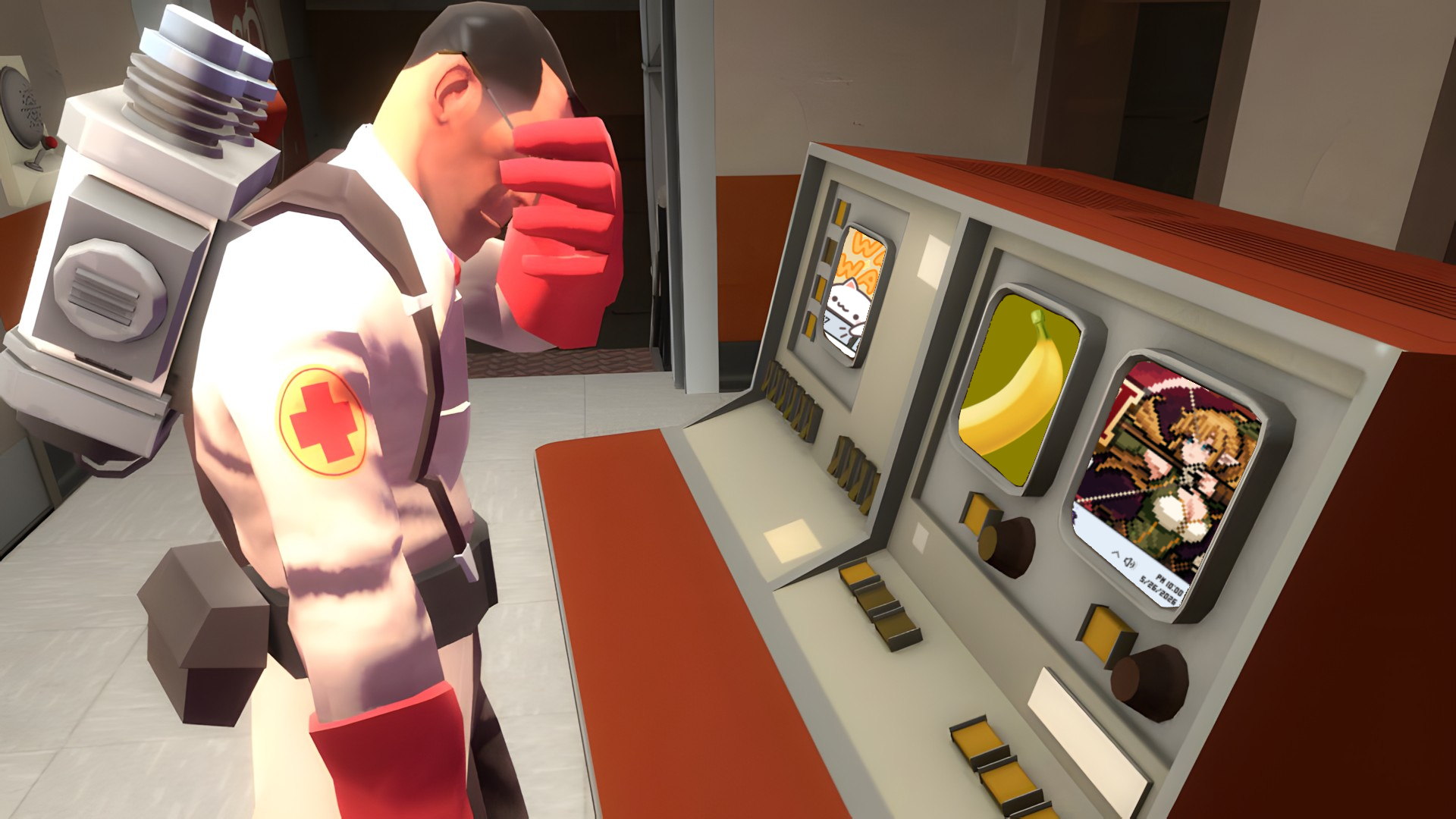
When games like Banana first appeared, they were viewed as a harmless, albeit bizarre, trend. However, as these games become increasingly sophisticated in their integration with the Steam Marketplace, they are evolving into something else entirely—a form of "click-to-earn" platform that sits in a legal and ethical grey area.
The Risks of Market Saturation
The influx of these titles threatens to dilute the Steam storefront. When half a million players are logged into a taskbar application, they are not engaging with the vast library of indie or AAA titles that Valve spends millions promoting. If this trend continues, Valve may be forced to intervene, potentially placing stricter limitations on how items are generated or traded within such simple, idle applications.
The Security Dilemma
The "false flag" ban issue is a significant warning for the average user. While the temptation to earn a few pounds worth of digital currency is strong, the risk of losing access to a curated, long-term Steam account is exponentially higher. Players must weigh whether a potential digital payout is worth granting an unverified idle application deep access to their system processes.
Conclusion: A Cautionary Tale
For now, Task Bar Hero remains a giant in the player charts, a testament to the allure of "free" money and the power of idle engagement. But for those looking for a genuine gaming experience, it offers very little.
Whether this is a legitimate game project or a thinly veiled vehicle for marketplace exploitation remains a point of contention. What is clear, however, is that the Steam community is becoming increasingly wary. As the developers move toward more intrusive data collection and the marketplace continues to be flooded with inflated, potentially bot-farmed items, the "hero" of the taskbar may find its reputation permanently tarnished.
Ultimately, the choice lies with the player. One can choose to chase the fleeting, often speculative value of digital assets, or one can seek out experiences that offer genuine enjoyment—like building a digital utopia or simply finding a game that respects both your time and your system’s security. As the saying goes: if something seems too good to be true, it probably is. In the case of Task Bar Hero, the price of entry might be far higher than any digital item is worth.

 Asro
Asro
 Muslim