Layla Zulfa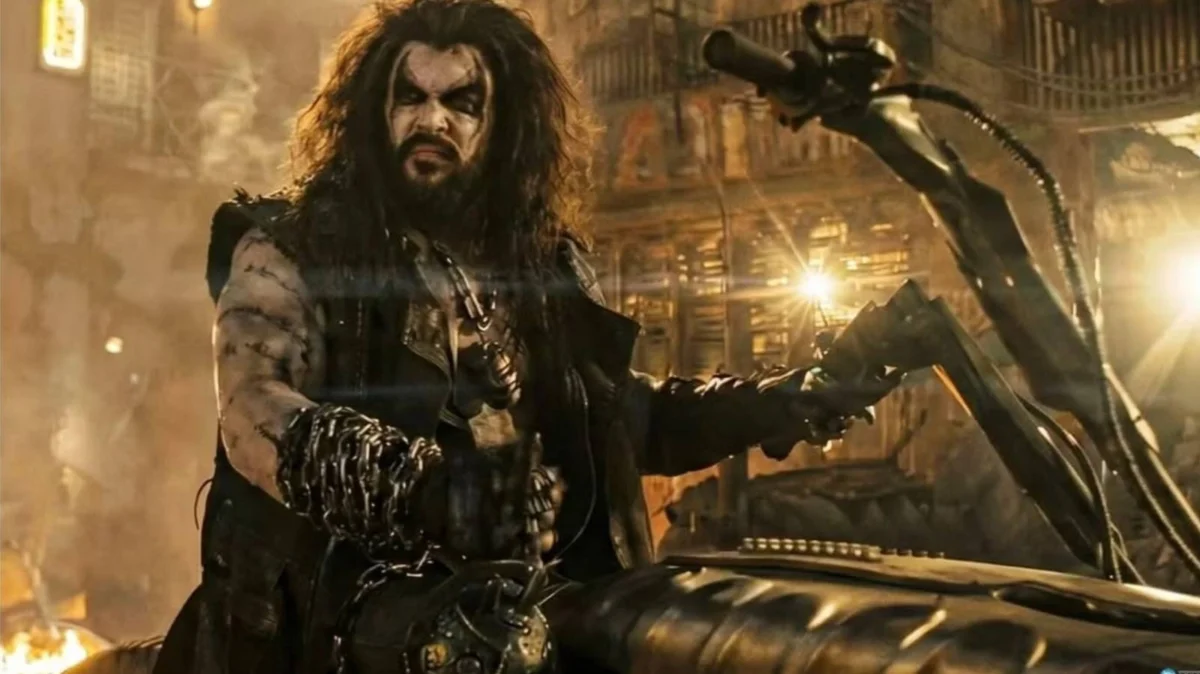
In the modern landscape of blockbuster filmmaking, the "shared universe" model has become both a standard and a trap. Following the monumental success of the Marvel Cinematic Universe, Hollywood studios spent years attempting to replicate that interconnected magic, often resulting in hurried, clunky world-building—such as the ill-fated Dark Universe or the early, disjointed entries of the DC Extended Universe (DCEU). However, with the transition to James Gunn and Peter Safran’s DC Studios, a new, more organic philosophy has taken hold.
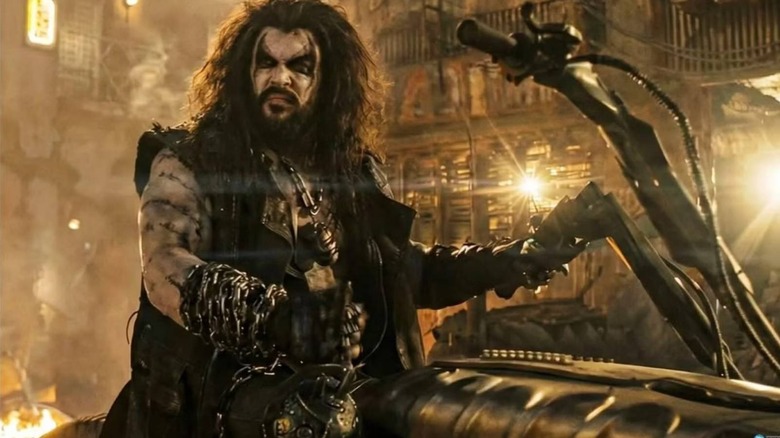
The release of Supergirl serves as the latest proof of this evolution. Rather than relying on clunky post-credit scenes or forced cameos to build hype, the film introduces the Czarnian bounty hunter, Lobo (played by Jason Momoa), as a functional, narrative-driven element. By folding this fan-favorite antihero into the fabric of Kara Zor-El’s journey, DC Studios isn’t just adding a character; they are effectively testing the waters for a potential solo franchise that could redefine the tone of the entire DC Universe.
The Evolution of the DC Universe: From "Batman v Superman" to the Gunn-Safran Era
To understand why the introduction of Lobo is so significant, one must first look at the history of DC’s cinematic struggles. In the previous era, characters were often inserted into films like Batman v Superman: Dawn of Justice as "de facto" trailers for future sequels. This strategy often felt inorganic, prioritizing brand expansion over cohesive storytelling.
James Gunn and Peter Safran, now at the helm of DC Studios, have pivoted toward a "writer-driven" model. This shift was first evidenced in last year’s Superman, which introduced a fully realized world where the titular hero functioned within a society already populated by other metahumans. The approach is deliberate: allow the story to dictate the characters, not the marketing department. Supergirl, directed by Craig Gillespie and written by Ana Nogueira, continues this trajectory. Lobo’s arrival on screen doesn’t feel like a studio mandate; it feels like an inevitable consequence of the dangerous, cosmic underworld Kara Zor-El finds herself navigating.
Chronology of the Bounty Hunter: A Natural Integration
The introduction of Lobo within the narrative of Supergirl follows a classic, yet highly effective, storytelling trope: the reluctant ally.
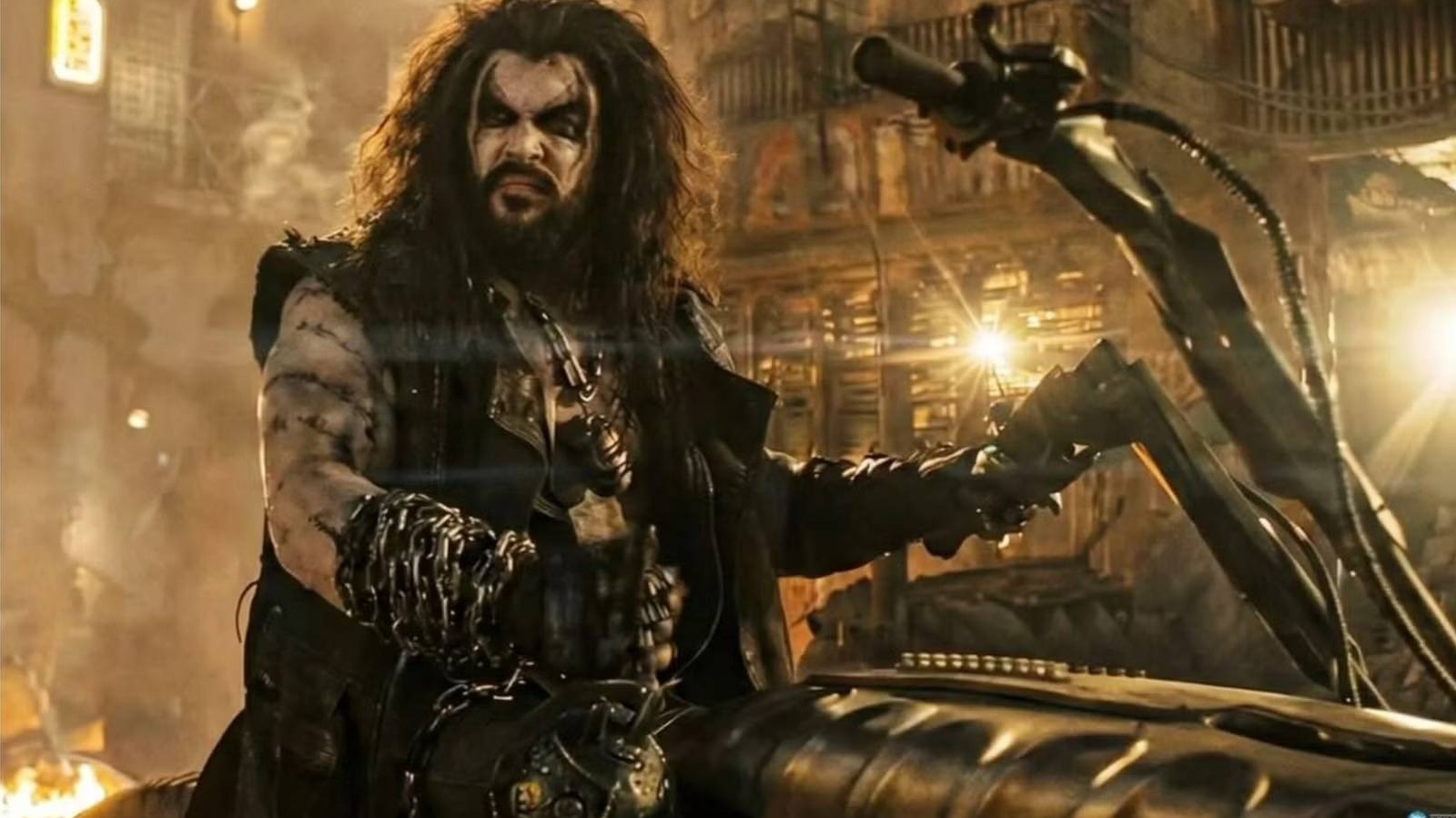
- The Meeting of Rogues: The plot sees Kara Zor-El and her companion, Ruthye, searching for the criminal mastermind Krem in a seedy, dangerous dive bar—a locale teeming with intergalactic riff-raff.
- The Parallel Mission: Lobo enters the scene not as a hero, but as a professional. He is tracking a different member of the Brigands, the same syndicate Kara is targeting. Their goals overlap, leading to a temporary, begrudging cooperation.
- The Dynamic: Throughout the film, the trio does not necessarily "team up" in the traditional superhero sense. Instead, they operate in the same space, fighting in the same direction, which serves to preserve Lobo’s "lone wolf" persona.
- The Departure: By the end of his screen time, Lobo has asserted his independence. He remains an agent of his own code—a character who is neither a villain to be defeated nor a hero to be recruited, but a wild card that remains at large in the galaxy.
This progression is vital. By keeping Lobo’s role modest and focused, the film establishes him as a legitimate force in the DCU without overstaying his welcome.
Why Jason Momoa is the Perfect Fit for Lobo
Casting in superhero films is often a game of aesthetic alignment, but for Jason Momoa, the role of Lobo feels like a synthesis of his entire career trajectory. While his portrayal of Aquaman in the previous DCEU era was praised for its "outside-the-box" energy, it was often tempered by the demands of a traditional royal protagonist.
Lobo, by contrast, removes those constraints. The character is inherently sarcastic, boisterous, and perpetually on the edge of chaos. Momoa’s recent work, most notably his electric and unhinged performance as Dante Reyes in Fast X, demonstrated his capacity for playing characters that are larger than life. Lobo provides a platform for that same brand of grandiosity, but with a sharper, more cynical edge.
The Archetype of the Scoundrel
In Supergirl, Lobo echoes the spirit of Han Solo or the classic "rogue with a heart of gold" archetype—if that heart were encased in iron and spiked leather. He is rude and unpredictable, yet he possesses a distinct moral code that prevents him from being a mere caricature. This balance is what makes the potential for a solo film so compelling. If audiences can connect with a character who is fundamentally selfish yet undeniably charismatic, the studio has found its next "Deadpool"—a character who can carry an R-rated or edgy project without needing to anchor the main Justice League team.
Implications: A New Direction for DC Studios
The most exciting implication of Lobo’s inclusion is the creative freedom he represents. James Gunn has emphasized that DC Studios is committed to fostering a writer-driven environment, and Supergirl stands as a testament to that goal.
Breaking the "Superhero Fatigue"
As audiences continue to express fatigue regarding the standard "save the world" superhero formula, the introduction of a character like Lobo offers a necessary antidote. Lobo is not interested in saving the world; he is interested in his bounty, his motorcycle, and his next drink. His history in the comics—often involving bizarre, reality-bending figures like Howard the Duck or The Mask—suggests that a solo Lobo film could venture into genres that are typically off-limits for major studio blockbusters.
Intergalactic Potential
Unlike grounded heroes, Lobo’s status as an alien allows for a narrative scope that is effectively limitless. A standalone Lobo movie could function as:
- An Intergalactic Action-Thriller: A high-octane bounty hunt that spans multiple sectors of the DC Universe.
- A Supernatural Horror-Comedy: Leveraging his ability to contend with demons and gods, the film could lean into the weird, occult side of DC lore.
- The "Wild Card" of the DCU: Much like Deadpool in the Marvel ecosystem, Lobo could act as a disruptor, popping up in other films to create chaos, or anchoring his own R-rated adventures that exist on the fringes of the main narrative.
Official Responses and Industry Outlook
While Warner Bros. and DC Studios have yet to officially announce a green-lit Lobo solo project, the industry sentiment is overwhelmingly positive. Sources close to the production of Supergirl have noted that the chemistry between the established leads and Momoa’s presence was a highlight during test screenings.
James Gunn’s own social media activity, often teasing future projects and interacting with fans about comic book history, has frequently highlighted Lobo as a character he is personally fond of. For fans, this is the most encouraging sign that the character is not just a cameo, but a strategic piece of the puzzle.
Furthermore, the financial success of Supergirl—which has garnered praise for its grounded, character-focused script—suggests that the audience is ready for more intimate, specialized storytelling. By integrating Lobo into this success, DC is effectively de-risking the character. They have proven he works in a team setting, and they have established his voice and tone.
Conclusion: The Road Ahead
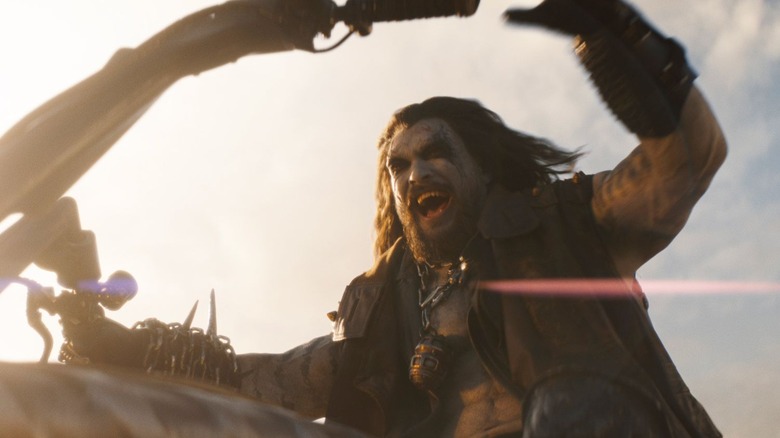
Supergirl is a film that respects its own story, and in doing so, it has managed to lay the groundwork for something much bigger. Lobo is no longer just a rumor or a piece of fan-cast wishful thinking; he is a tangible, living part of the new DC Universe.
The promise of a Lobo movie—if it leans into the character’s inherent chaos, his unique brand of humor, and his cosmic capabilities—could provide DC Studios with a genuine "wild card." In an era where audiences are looking for something different, something weirder, and something more uncompromising, the Main Man might just be the hero (or antihero) that DC needs. As Supergirl continues its theatrical run, the conversation has already shifted from "Who is Lobo?" to "When can we see more?" For the DCU, that is the best possible position to be in.

 Nila Kartika Wati
 Ammar Sabilarrohman