Siti Muinah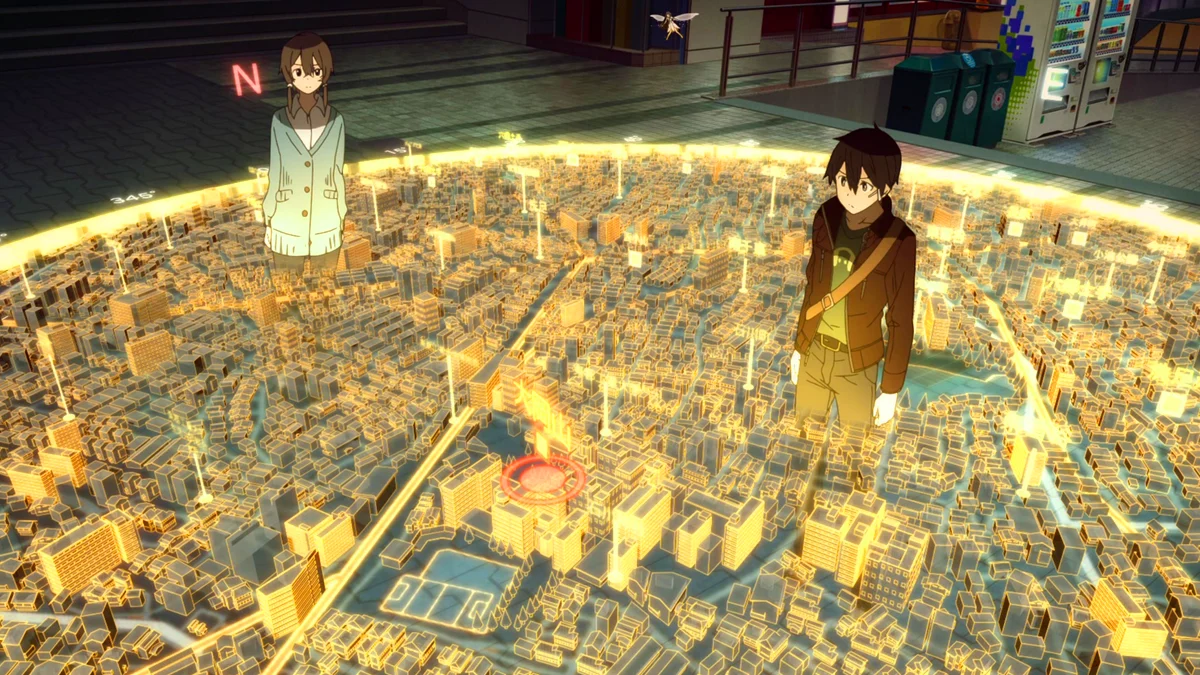
Main Facts: A Warning Against Creative Dilution
In the rapidly evolving landscape of global entertainment, Japanese animation—commonly known as anime—has transitioned from a niche subculture to a dominant pillar of international pop culture. However, this meteoric rise has brought with it a complex dilemma: should Japanese creators adapt their stories to suit the sensibilities of a global audience, or should they remain rooted in the specific cultural soil that birthed the medium?
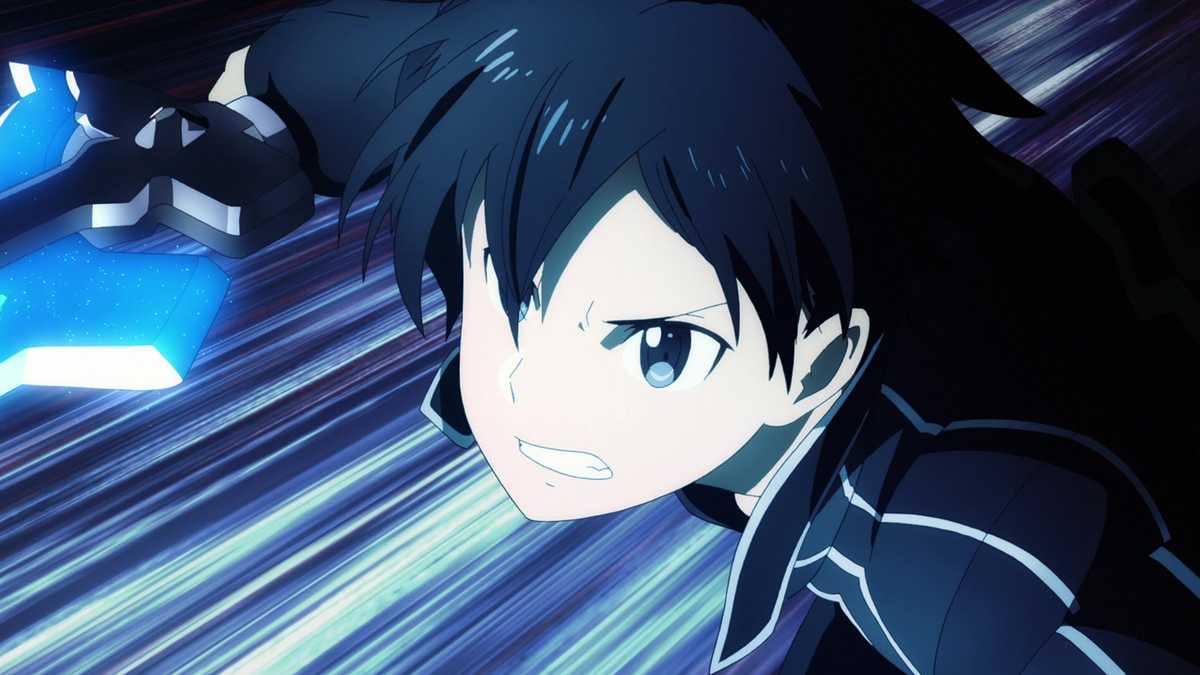
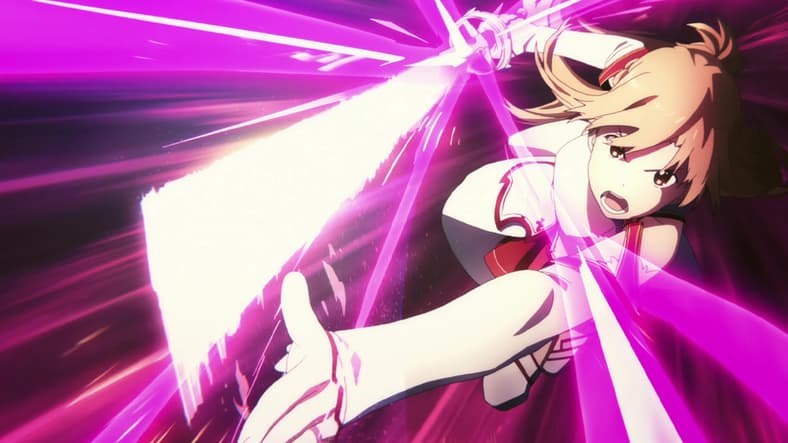
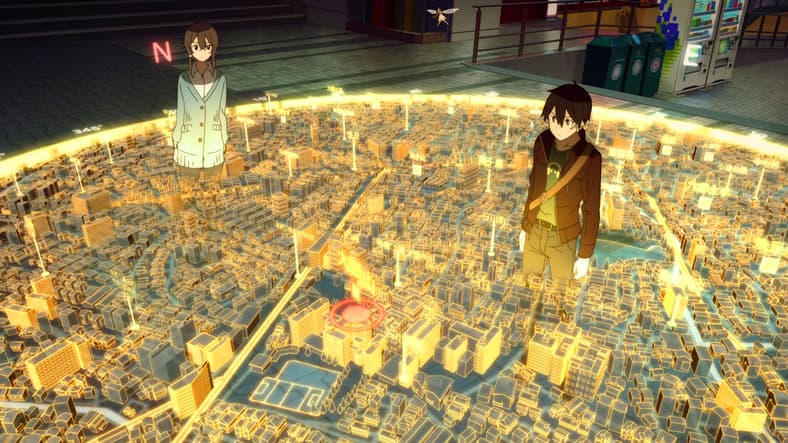
Tomohiko Itō, the acclaimed director behind the Sword Art Online franchise, ERASED, and Hello World, has weighed in on this debate with a firm stance. In a recent comprehensive interview with the Japanese news outlet Daily Shincho, Itō expressed significant skepticism regarding the trend of "globalizing" anime’s creative intent. While he acknowledges and takes pride in the medium’s overseas success, he warns that pointedly pandering to international audiences—particularly those in the West—is a strategy that "often leads to failure."
Itō’s argument centers on the idea that the very thing making anime attractive to global fans is its distinct "Japaneseness." By attempting to preemptively sanitize content or align it with Western social and political norms, creators risk losing the unique identity that fueled the medium’s popularity in the first place. His comments come at a pivotal moment as major Japanese conglomerates like Sony and Toho aggressively expand their international distribution footprints.
Chronology: From Export Item to Global Juggernaut
The trajectory of anime’s global expansion has been marked by several key phases that set the stage for Itō’s recent warnings.
The Streaming Revolution (2010–2019)
The previous decade saw the transition of anime from physical media and limited cable broadcasts to the forefront of the streaming wars. Platforms like Crunchyroll and Funimation democratized access, allowing fans in North America, Europe, and Latin America to watch series simultaneously with their Japanese broadcasts. This period established the "simulcast" as the industry standard, creating a unified global conversation around seasonal hits.
The Consolidation Era (2020–Present)
The landscape shifted dramatically in 2020 when Sony’s Aniplex acquired Crunchyroll, eventually merging it with Funimation. This created a near-monopoly on global anime distribution outside of Netflix and Disney+. More recently, the Japanese film giant Toho acquired the British distribution company Anime Limited, signaling a desire by Japanese firms to own the entire supply chain—from production in Tokyo to the box office in London and New York.

The Hollywood Gap
As Itō noted in his interview, the period between 2020 and 2024 provided a unique opening for Japanese content. The combination of the COVID-19 pandemic, which halted live-action production, and the subsequent 2023 Hollywood writers’ and actors’ strikes, left a vacuum in the global entertainment market. "Hollywood films seem to have lost some of their power," Itō observed. "I think Japanese anime has effectively filled that gap."
Supporting Data: The Market and the "PC" Friction
The economic data supports Itō’s observation of an "explosion" in popularity. According to the Association of Japanese Animations (AJA), the overseas anime market has grown exponentially, often rivaling or exceeding domestic Japanese revenue in recent years. This financial reality is what drives the pressure on creators to "globalize."
However, this growth has brought anime into direct contact with Western "political correctness" and "cancel culture," which Itō identifies as a potential pitfall. In the United States and Europe, certain long-standing anime tropes—such as stylized violence, fan service, or specific gender depictions—are often met with scrutiny or calls for censorship.

Itō highlights a fundamental disconnect: "What Japanese people think will be popular globally probably won’t appeal to people overseas." He suggests that when Japanese creators try to guess what a Western audience wants, they often end up with a product that feels "uncanny" or "sanitized," alienating the core fanbase without successfully capturing a broader one. He specifically mentioned the "suspicion" in North America regarding shows where "girls fight with lots of skin," noting that while these are standard genre tropes in Japan, they are often the first things targeted for removal in the name of global appeal.
Official Responses: Itō and the Industry Perspective
Itō’s comments reflect a growing sentiment among veteran creators who fear the "Disney-fication" of anime. He is not alone in this sentiment; recently, Tatsuya Nagamine, director of One Piece Film: Z and Dragon Ball Super: Broly, suggested that Western audiences are drawn to anime specifically because they are "tired of Disney-style predictable harmony."
The Call for Staff Recognition
Beyond the creative content itself, Itō used his platform to address a systemic issue in how anime is marketed and documented. While voice actors (seiyuu) are celebrated as the faces of a franchise, the "internal staff"—the directors, cinematographers, and animators—remain largely invisible to the public.
Itō pointed to Haruo Sotosaki, the director of the record-breaking Demon Slayer: Kimetsu no Yaiba series and films. Despite directing Mugen Train, the highest-grossing Japanese film of all time, Sotosaki is rarely a household name in Japan, though he receives significant acclaim at international film festivals. Itō also mentioned Yuichi Terao, the cinematographer responsible for the "Ufotable look" that defined Demon Slayer’s visual identity.
"For the sake of those aspiring to work in anime in the future, I hope the history of who did what is preserved," Itō stated. He argues that if Japan wants to maintain its status as a global creative powerhouse, it must celebrate its auteurs and technical masters with the same fervor it grants to its voice talent.
Implications: The Future of Cultural Authenticity
The warning issued by Tomohiko Itō touches on a broader cultural phenomenon known as the "Galapagos Effect," where a product evolves in isolation to suit a specific environment, only to become a global hit because of its unique characteristics. The danger, as Itō sees it, is that by "opening up" the creative process to international committees and Western sensibilities, the very "evolutionary quirks" that made anime a success will be smoothed over.
The Risk of Creative Homogenization
If Japanese studios begin to prioritize "global standards" over local creative impulses, the industry may see:
- Reduced Risk-Taking: Stories that tackle controversial or uniquely Japanese social issues may be sidelined for "safer," more universal narratives.
- Visual Standardization: The "moe" aesthetic or "ecchi" elements, while controversial to some, are part of the medium’s visual language. Removing them to appease overseas distributors could lead to a loss of stylistic diversity.
- Loss of Domestic Support: The Japanese "Otaku" market remains the bedrock of the industry. If these fans feel that their favorite medium is being altered to suit foreigners, the domestic foundation of the industry could crumble.
A New Path Forward?
Itō’s upcoming project, an anime film adaptation of Keigo Higashino’s Kusnoki no Bannin (The Guardian of the Camphor Tree), will likely serve as a test case for his philosophy. Higashino is a master of Japanese mystery and human drama—genres that are deeply rooted in Japanese social dynamics and etiquette. By choosing to adapt such a work, Itō is doubling down on the idea that a story told with local sincerity has more global value than a story designed by a global committee.
The director’s message to the industry is clear: the world did not fall in love with anime because it was "like" Hollywood; the world fell in love with anime because it offered something Hollywood could not. To preserve that magic, Japanese creators must have the courage to remain "uniquely Japanese," even as their work reaches every corner of the globe.

As the industry moves forward, the tension between commercial expansion and creative sovereignty will remain the defining conflict of the era. Whether the industry heeds Itō’s warning or continues toward a path of global synchronization will determine if anime remains a vibrant, distinct medium or becomes just another cog in the global entertainment machine.

 Azzam Bilal Chamdy
 Raul Delapena Setiawan