


Alina Ito is a study in contrasts. Half-Japanese, half-American, and possessing a nomadic upbringing that spanned seven different countries, she embodies the modern, globalized spirit of Tokyo. By day, she is a vibrant staff writer for Tokyo Weekender, where her boundless energy and eclectic list of “side quests” keep the editorial team on their toes. By night—or perhaps during her next adventurous excursion—she is Miss Cosmo Japan 2026, a title that reflects her poise, intelligence, and deep-rooted connection to the city she calls home.
Beyond her editorial work covering travel destinations and the monthly horoscopes that guide thousands of readers, Ito has become a cultural bridge-builder. Her unique perspective—one that balances the refined traditions of Japan with a worldly, adventurous American sensibility—makes her an ideal guide for those looking to experience the Japanese capital beyond the tourist brochures.
The Chronology of a Perfect Tokyo Day
When asked to curate a “perfect day” in the metropolis, Ito envisions a meticulously planned but joyfully spontaneous journey. She emphasizes that her ideal itinerary is always contingent on one crucial factor: a gorgeously sunny Tokyo sky.
Morning: The Nakameguro Stroll
The day begins in the trendy, riverside neighborhood of Nakameguro. Ito favors the slow-burn energy of the Meguro River, where she starts her morning with a high-quality brew. Her preferred stops include Streamer Coffee Company, renowned for its elite latte art, or Onibus Coffee, a local favorite that embodies the artisanal, community-focused coffee culture of the area.
For brunch, the options reflect her eclectic taste. Whether it is the rustic, freshly baked sourdough at Bricolage in Roppongi, the cosmopolitan, New York-inspired atmosphere of Cafe Gitane in Ebisu, or the idyllic waterside pizza at Canal Cafe in Iidabashi, Ito prioritizes spaces that offer a sense of place alongside exceptional culinary craft.
Afternoon: The Parisian Charm of Kagurazaka
As the day matures, Ito pivots to Kagurazaka, a historic enclave often dubbed “Little France.” This neighborhood is a masterclass in architectural and cultural synthesis, featuring cobblestone streets, hidden alleyways, and a concentration of fine dining that feels like a dialogue between Parisian elegance and Kyoto’s refined aesthetic.
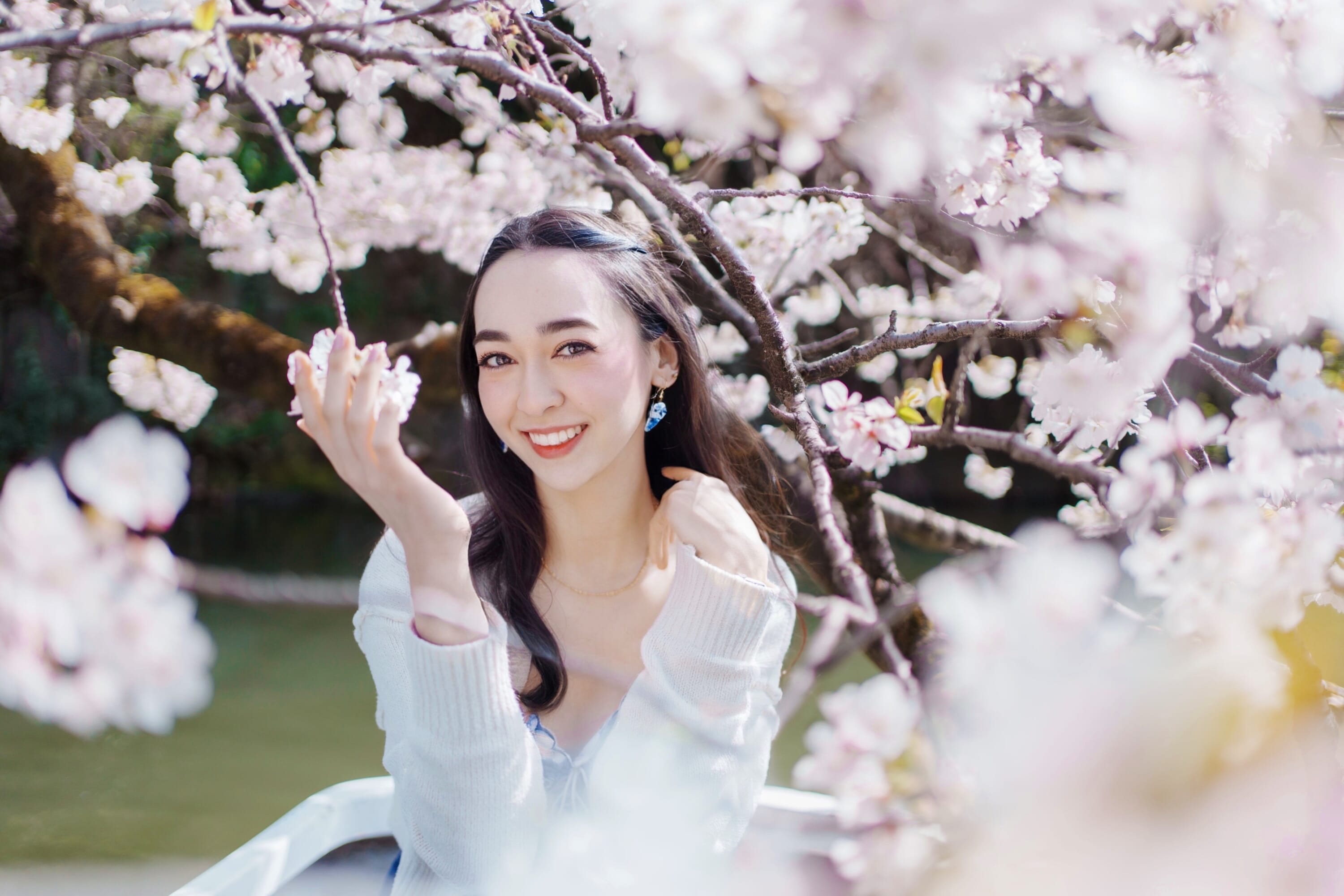
A centerpiece of this visit is the Akagi Shrine. Designed by the world-renowned architect Kengo Kuma, the shrine is a modernist interpretation of Shinto tradition, complete with an integrated cafe. For Ito, the visit is personal. “I actually used to work here as a shrine maiden,” she explains. “It’s a place of deep nostalgia for me, and I always make sure to stop by and say hello to the head priest, who has been like an uncle to me for years.”
Evening: Views, Vintages, and Vinyl
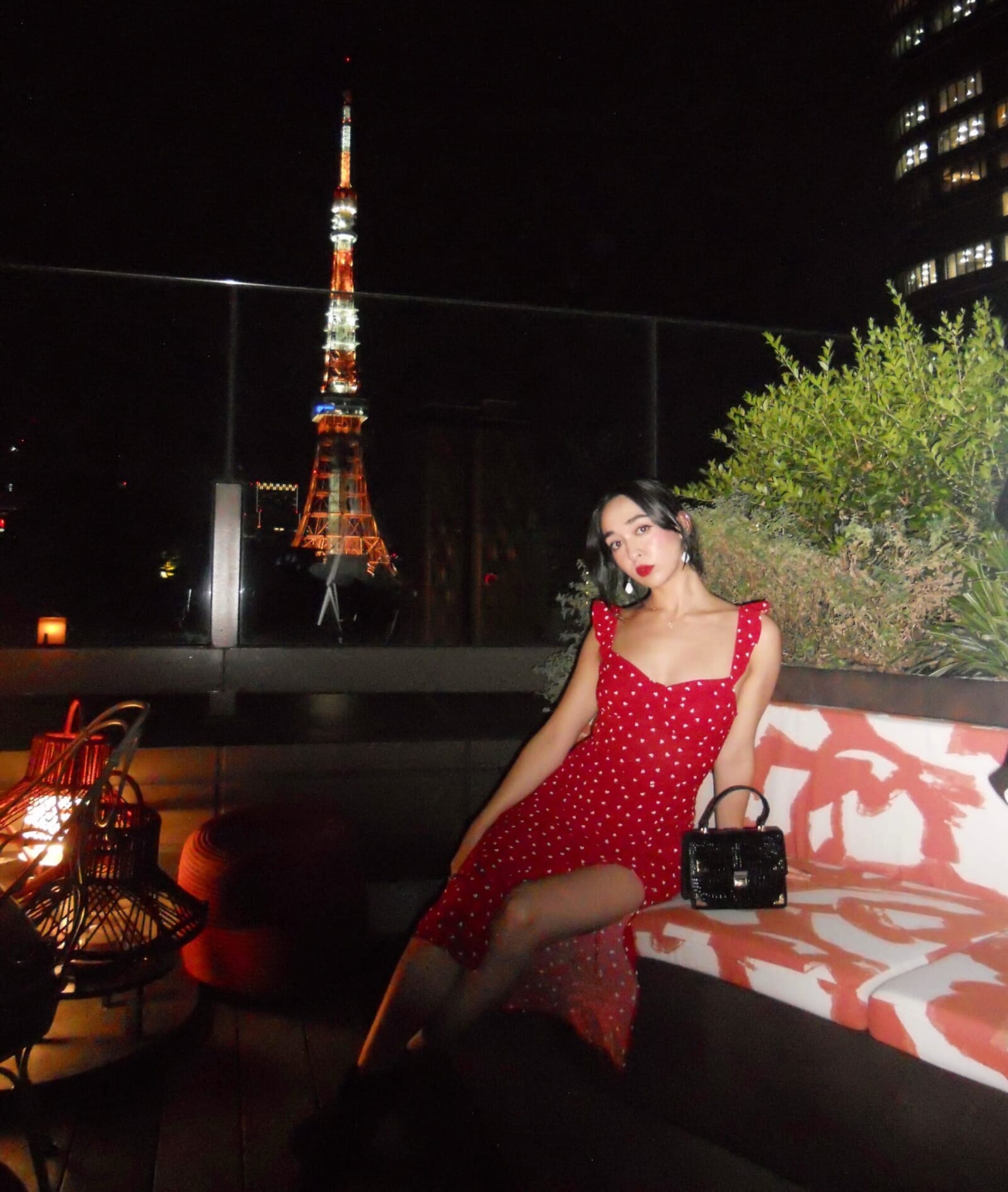
As the sun sets, the focus shifts to Tokyo’s sophisticated skyline. Ito favors locations that provide a panoramic visual experience. Her shortlist includes The Roof at The Tokyo Edition, Ginza, for its vibrant, color-soaked atmosphere; Mercato at Janu Tokyo, where the open-kitchen concept highlights the artistry of fresh, handmade pasta; and Two Rooms in Omotesando, a staple for those who value an extensive, expertly curated wine list.
Post-dinner, the night evolves into a tribute to Tokyo’s legendary audiophile culture. Record bars, or kissa, are essential to the city’s nightlife DNA. Ito recommends The Music Bar — Cave Shibuya for its immersive soundscapes and A10 in Ebisu. The latter, a speakeasy-style venue, has gained notoriety on social media platforms like TikTok for its elusive entrance—a modern-day treasure hunt that serves as a perfect precursor to an evening of high-fidelity listening.
Night: The Rhythm of the City
The day concludes with movement. Japan may have a reputation for reserve, but Ito highlights a vibrant, albeit small, community of Latin dance enthusiasts. Whether at El Café Latino or Studio Pepe 2, she finds that bachata and salsa offer a universal language. For Ito, these venues are more than just dance floors; they are spaces for human connection, community building, and the shedding of the day-to-day social barriers that can sometimes define urban life.
Supporting Data: Tokyo’s Hidden Social Fabric
While many international observers define Tokyo through the lens of “silence” and “privacy,” Ito offers a corrective view based on her lived experience. She posits that the true, best-kept secret of the city is its culture of gathering.
“I think a lot of foreigners imagine Japanese people to be quiet and private,” Ito observes. “And while that can be true in certain professional contexts, so much of Japanese culture is fundamentally based on coming together.”
This social behavior is observed in the ubiquitous after-work nomikai (drinking parties) at local izakayas, where the hierarchy of the office dissolves over beer and yakitori. Similarly, the tradition of hanami (flower viewing) or simple picnics with bento boxes in public parks like Yoyogi or Shinjuku Gyoen serves as a vital community anchor. These customs are not merely recreational; they are the glue that holds the frantic, fast-paced Tokyo society together, providing a necessary, shared human experience.
Official Perspectives and Future Aspirations
Ito’s professional journey as a writer and her public role as Miss Cosmo Japan have given her a unique vantage point on the city’s evolution. She remains a keen observer of the culinary scene, constantly seeking the next frontier of gastronomy.
When asked about her “bucket list” destination, she does not point to a glamorous global capital, but rather to a specific, hard-to-reach table in Tokyo: The Pizza Bar on 38th at the Mandarin Oriental. “I love Tokyo pizza,” she says, “and I am so intrigued by the concept of an omakase pizza course. It’s just difficult to get a reservation there without some serious commitment.” This desire for the omakase experience—a Japanese tradition of trusting the chef to decide the menu—applied to a non-traditional food like pizza, perfectly encapsulates the way Tokyoites embrace and refine global influences.
Implications for the Modern Traveler
What does Alina Ito’s “perfect day” suggest about the future of Tokyo tourism?
- The Shift Toward Hyper-Localism: Modern travelers are increasingly moving away from the "must-see" landmarks and toward the neighborhoods that offer a specific, textured atmosphere, such as Kagurazaka or Nakameguro.
- The Integration of Technology and Tradition: From finding hidden record bars through social media to participating in traditional Shinto life, the contemporary Tokyo experience is defined by the seamless blending of the analog and the digital.
- The Humanizing of the Metropolis: By highlighting the Latin dance scene and the social nature of the izakaya, Ito reminds visitors that Tokyo is not just a city of neon lights and skyscrapers; it is a city of communities.
As Miss Cosmo Japan 2026, Alina Ito serves as a vital ambassador for this nuanced reality. She invites visitors to look past the monolithic image of the city and find the pockets of humanity, history, and community that make Tokyo one of the most vibrant urban environments in the world.
For those who wish to follow her journey, Ito continues to document her adventures through her writing at Tokyo Weekender and her personal updates on Instagram via @alina.joan. Whether she is exploring a new café or preparing for her next official appearance, one thing is certain: her list of “side quests” is far from complete, and the city of Tokyo remains her most captivating subject.












No comments yet. Be the first to join the conversation!