Pevita Pearce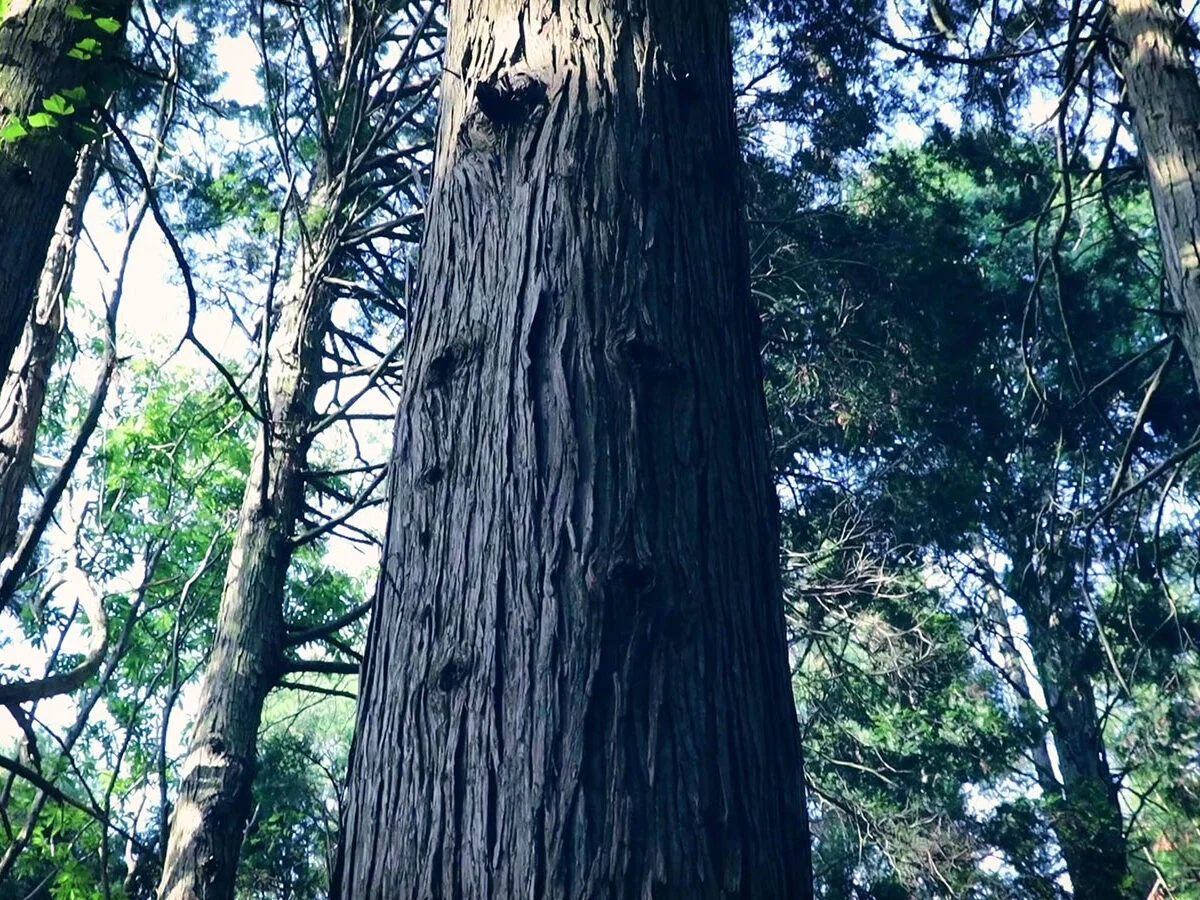
Japan’s relationship with wood is more than a construction methodology; it is a profound cultural dialogue between human ingenuity and the natural world. From the earthquake-resistant joints of ancient pagodas to the minimalist elegance of contemporary interior design, Japanese woodcraft has captivated the global imagination for centuries. Today, as the world pivots toward sustainable architecture and biophilic design, Japan’s mastery of timber is experiencing a sophisticated renaissance, drawing architects, designers, and enthusiasts from across the globe to study its unique intersection of tradition and innovation.
The Architecture of Harmony: A Historical Context
The history of Japanese wooden architecture is a narrative of resilience and respect. Unlike Western traditions that often relied on stone and masonry for permanence, Japan embraced the flexibility of wood—a necessity born from the archipelago’s frequent seismic activity.
A Chronology of Craft
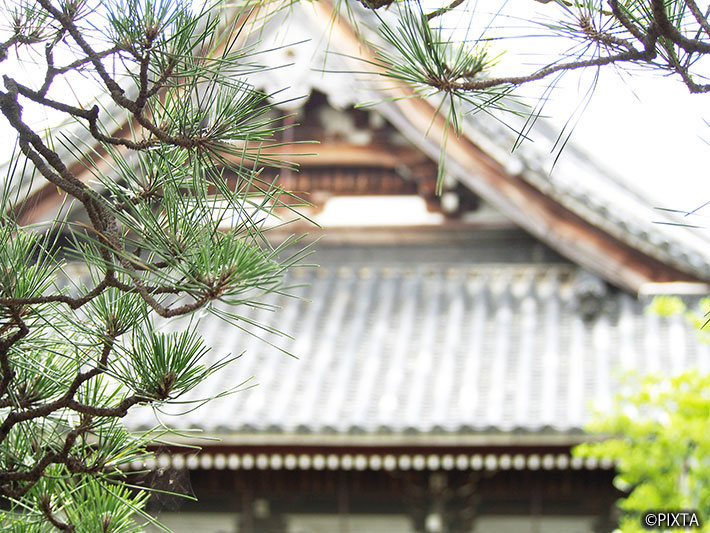
- The Asuka and Nara Periods (6th–8th Century): The arrival of Buddhism brought advanced Chinese construction techniques, which Japanese carpenters adapted to local climates. The construction of the Hōryū-ji Temple in Nara, which contains some of the world’s oldest standing wooden structures, serves as the ultimate testament to this era’s durability.
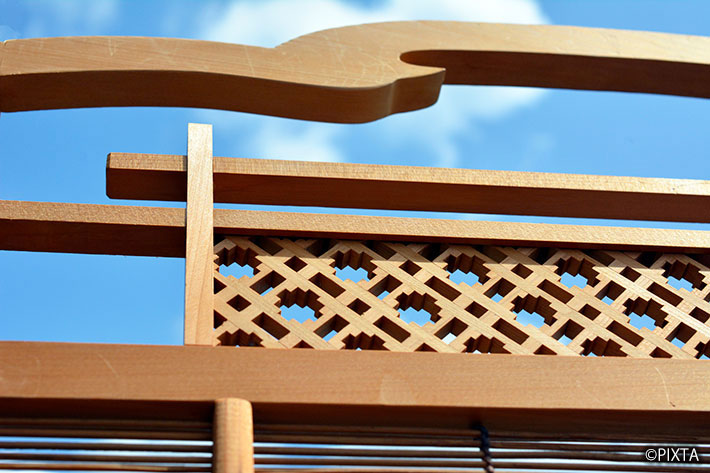
- The Edo Period (17th–19th Century): This era saw the refinement of joinery (kigumi). By eliminating the need for metal nails, master craftsmen developed complex interlocking systems that allowed buildings to sway and dissipate energy during tremors.
- The Modern Era (20th Century–Present): Following a period of modernization where concrete and steel dominated urban landscapes, there has been a resurgence in "New Wood" architecture. Architects like Kengo Kuma have brought international acclaim to the use of cedar and cypress, blending traditional wood-slat aesthetics with cutting-edge structural engineering.
The Anatomy of the Craft: Nature’s Artistry
The soul of Japanese woodworking lies in the deep, inherent understanding of the material. In Japan, wood is not viewed as a commodity but as a living entity. The seasonal climate of the archipelago—characterized by distinct changes in humidity and temperature—produces timber of exceptional density and quality.
Material Intelligence: Cedar and Hinoki
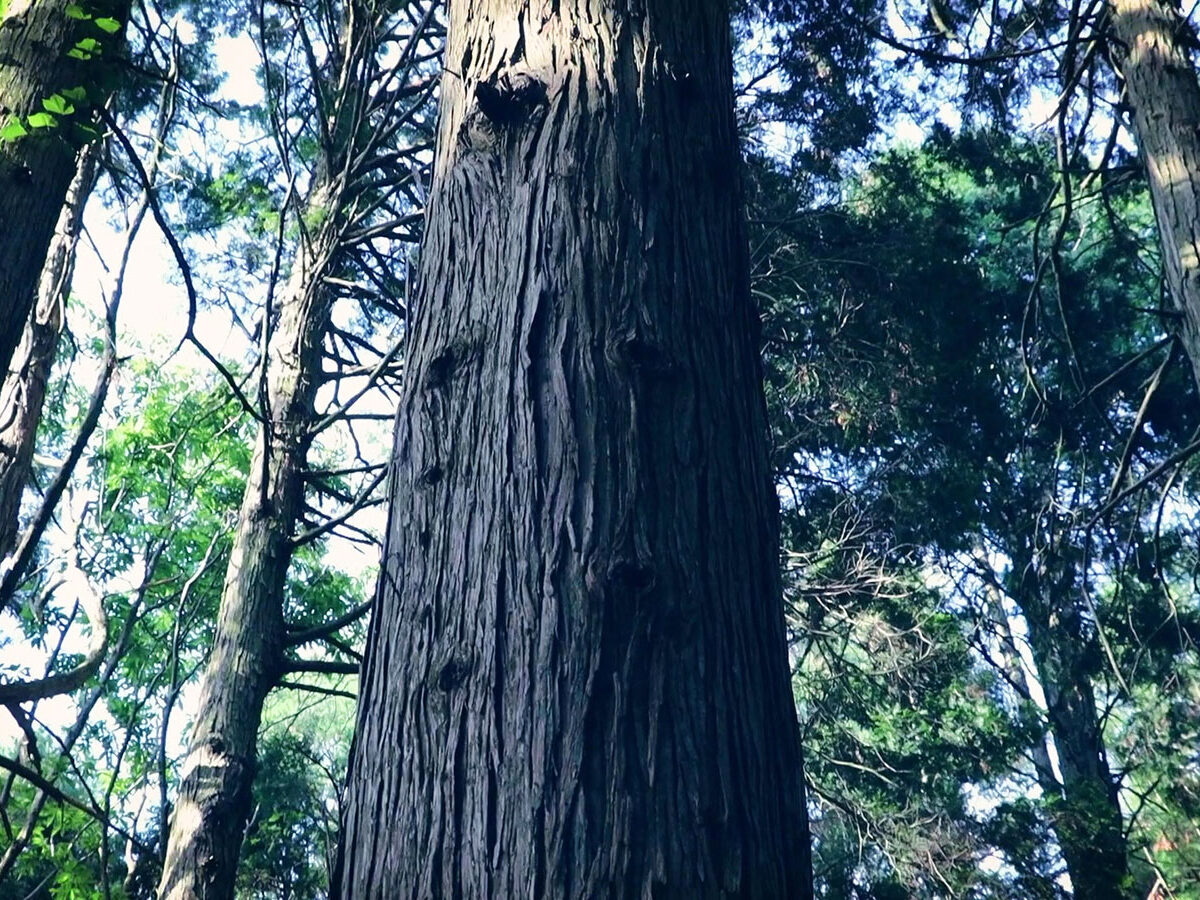
The industry relies heavily on two iconic species: Sugi (Japanese Cedar) and Hinoki (Japanese Cypress). As lead carpenter Adam Zgola, an expert with years of on-site experience in Japan, notes:
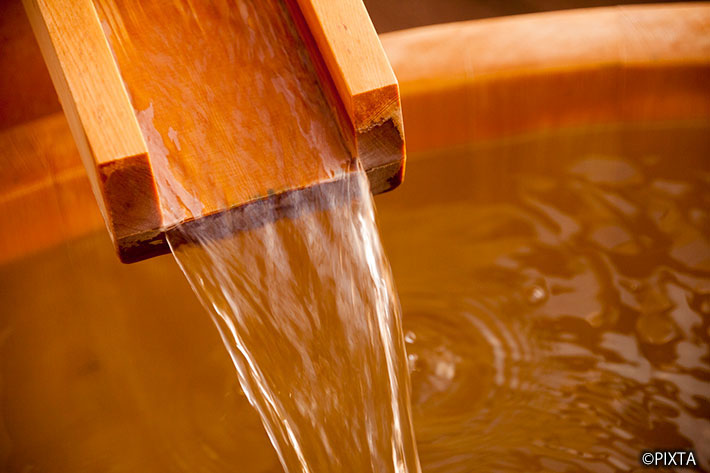
"Cedar has a gloss so it feels warm. Hinoki cypress is cool and lovely. It has lots of oil inside, so it is resistant to insects. You can smell hinoki when you go to hot springs."
This sensory appeal is foundational to the Japanese approach. Hinoki, prized for its natural fragrance and antimicrobial properties, has been used for centuries in everything from imperial palaces to traditional soaking tubs (ofuro). The ability to harness these natural oils and textures allows Japanese architecture to transcend the purely functional, creating spaces that actively promote human well-being.
The Global Standard: Official Industry Perspectives
The Japan Wood Products Export Association (JWPEA) has been instrumental in bridging the gap between Japan’s artisanal heritage and the international market. Their recent initiatives, including the documentary film Japan – Land of Wood, highlight the precision required in modern Japanese carpentry.
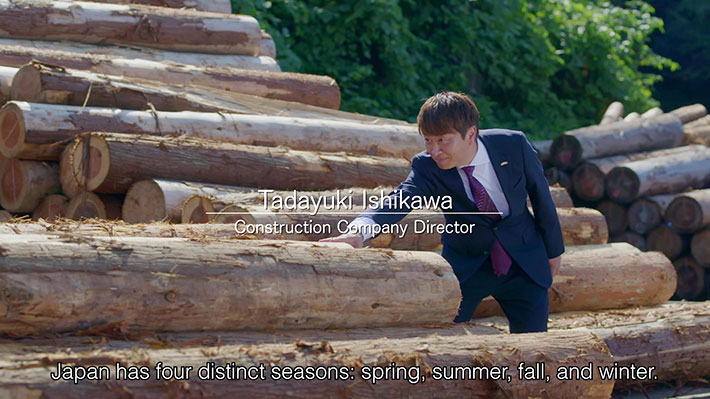
Tadayuki Ishikawa, a director at a prominent construction company focused on timber exports, posits that the Japanese method remains unrivaled. "If you look anywhere in the world, the quality of Japanese building techniques is unmatched," Ishikawa asserts. His perspective is echoed by a growing body of international contractors who are increasingly adopting Japanese joinery methods to solve modern construction challenges, particularly in creating high-performance, low-carbon buildings.

Market Implications: The Export of Aesthetic Values
The appeal of Japanese wood is moving beyond the structural realm and into the heart of global lifestyle trends. As urbanization increases, the "biophilic" demand—the human need to connect with nature—has driven a spike in the popularity of Japanese-style furniture and interior fixtures.
Tiffany Luk, an international sales executive specializing in high-end wood products, observes a distinct shift in consumer behavior: "Furniture that combines classic Japanese woodworking techniques with modern designs is gaining interest abroad."

This transition has several key implications for the global market:
- The Premiumization of Wood: Consumers are increasingly willing to pay a premium for furniture that features exposed joinery and natural finishes, moving away from mass-produced synthetic alternatives.
- Sustainability as a USP: Japanese timber is often harvested from highly regulated, sustainably managed forests. As global markets implement stricter ESG (Environmental, Social, and Governance) criteria, the transparent, traceable nature of the Japanese supply chain provides a competitive advantage.
- Cross-Cultural Design Synergy: By integrating Japanese joinery into Western furniture manufacturing, companies are creating products that are not only aesthetically superior but structurally more durable, as interlocking wood joints often outperform glued or metal-fastened connections over time.
Sustainability: The Future of the Forest
Sustainability in Japan is not a modern buzzword; it is a legacy of forest management that dates back to the Edo period. The Japanese wood industry maintains a "cycle of cultivation," where forests are thinned and replanted to ensure the long-term health of the ecosystem.
The JWPEA emphasizes that the longevity of Japanese wood products is their most sustainable feature. By creating furniture and architecture that lasts for generations, the carbon sequestered in the wood remains locked away, preventing the emissions associated with short-lived, disposable materials. This "slow architecture" philosophy stands in stark contrast to the rapid consumption models prevalent in the global housing market.
Conclusion: A Living Heritage
The invitation extended by the Japan Wood Products Export Association is not merely to buy a product, but to adopt a philosophy. Whether it is through the installation of a hinoki soaking tub or the selection of a handcrafted cedar dining table, incorporating Japanese wood into one’s lifestyle is an act of connecting with a tradition that values patience, precision, and the environment.
As we look toward a future where the built environment must become more sustainable and human-centric, the lessons from Japan’s wooden architecture are more relevant than ever. The marriage of ancient, time-tested wisdom and modern, innovative design ensures that Japan’s wood tradition will continue to grow, protecting both our homes and the forests from which they come.
By embracing these materials, we are not just building for the present; we are preserving a heritage of craftsmanship that has sustained Japan for over a millennium, and which now stands ready to shape the global architectural landscape of the 21st century.


 Neng Nana
 Asro
Asro