

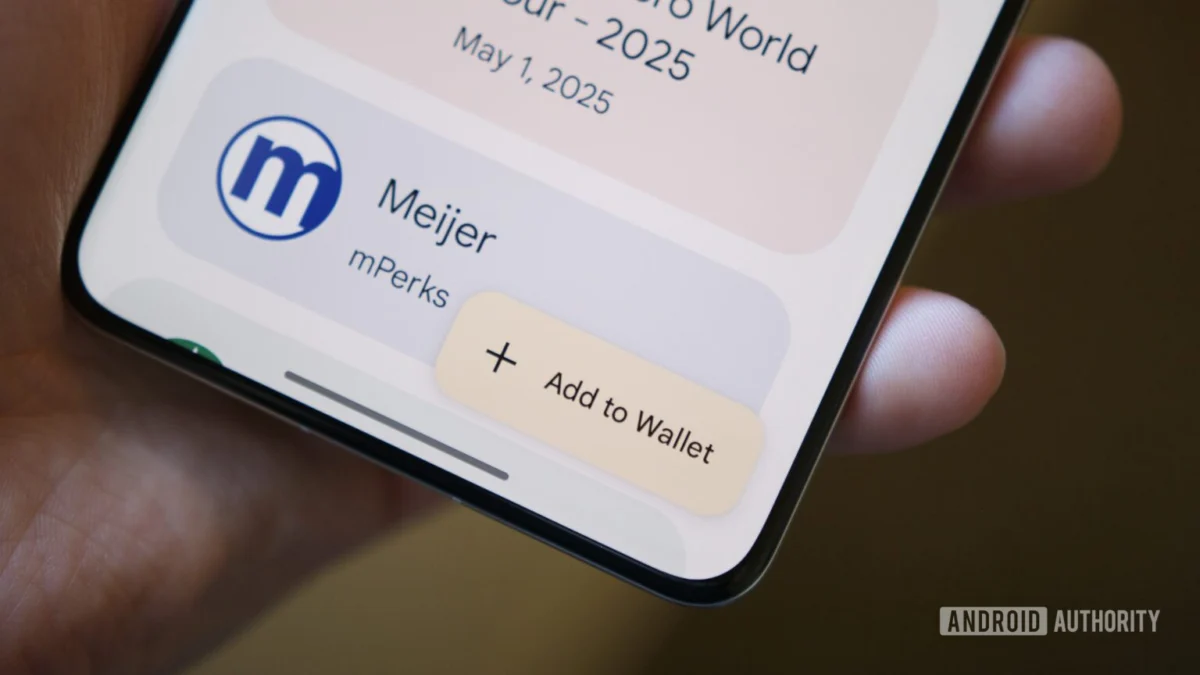
In a long-awaited update that promises to streamline personal finance management for millions of users, Google has begun rolling out a unified transaction history within the Google Wallet app. This update effectively bridges the long-standing divide between mobile payments made via Android smartphones and those initiated through Wear OS smartwatches.
For years, users have navigated a fragmented ecosystem where transaction logs were siloed based on the hardware used to authorize the payment. By consolidating these disparate data points into a single, cohesive interface, Google is transforming its digital wallet from a simple payment pass into a comprehensive financial dashboard.
The Core Transformation: Breaking Down the Silos
For the average consumer, the shift might seem subtle, but it represents a significant architectural overhaul for Google’s financial services infrastructure. Previously, if a user tapped their smartphone to pay for a morning coffee and their smartwatch to pay for an afternoon lunch, the Google Wallet app on their phone would only display the former. To view the latter, users were forced to either check the specific payment history on their watch or navigate to the dedicated Google Wallet web portal.
This disjointed experience was more than just a minor inconvenience; it created a hurdle for budget tracking, expense reporting, and verifying charges. With the new update, the Google Wallet app on Android now acts as a central repository, pulling data from the user’s Google Account to synchronize payments across all registered NFC-enabled devices.
A Chronology of the Integration
The path to this unified experience has been a methodical, months-long endeavor by the Google engineering team.
Early 2025: Laying the Foundation
As early as January 2025, eagle-eyed developers and tech analysts began uncovering code references within the Google Wallet APK (Android Package) that suggested a deeper integration of search and transaction history. At the time, early builds of the app indicated that Google was testing the ability to pull purchase data from multiple devices simultaneously.
The Development Sprint
Throughout the spring, updates to the Google Wallet interface began hinting at a more robust search architecture. The company focused on improving how transaction metadata—such as merchant names, timestamps, and geolocation tags—was processed and synced. During this period, the web-based version of Google Wallet served as the "source of truth," providing a unified view that the mobile app had yet to adopt.
Mid-2026: The Rollout
By July 2026, reports began surfacing from users across various regions indicating that their Wear OS transaction history had finally begun appearing in their phone’s Wallet app. This rollout is currently in a staggered phase, meaning that while the feature is live, not every user will see it immediately. It serves as the culmination of Google’s effort to harmonize its hardware ecosystem.
Supporting Data and User Behavior
The necessity for this change is rooted in how modern consumers interact with wearable technology. According to recent market analytics, the "multi-device lifestyle"—where users switch between high-end smartphones and smartwatches throughout the day—has reached an all-time high.
- Fragmented Usage Patterns: Studies indicate that nearly 65% of Wear OS users engage in "device-agnostic" payments, alternating between their phone and watch based on convenience or activity (e.g., using a watch during a run, using a phone during a commute).
- Customer Support Volume: Historically, a recurring theme in user feedback forums and help centers involved confusion regarding missing transaction records. Users frequently reported "missing" payments, which were actually just hidden behind the device-specific limitation of the app.
- The Web-App Gap: Prior to this update, Google’s own data showed that users who required a complete audit of their spending were significantly more likely to use the web interface. By moving this functionality into the native Android app, Google expects to increase engagement with the Wallet application by an estimated 20–30% in the coming fiscal year.
Official Perspective and Strategic Direction
While Google has not released a singular, high-profile press release detailing every technical facet of this update, the company’s broader strategy for Google Wallet is clear. Google views the Wallet app as the "digital front door" to a user’s financial life.
In recent developer conferences, representatives from the Google Pay and Wallet divisions have emphasized a "Unified Experience" roadmap. The goal is to ensure that the user’s experience remains consistent, regardless of whether they are interacting with the service via a Pixel phone, a Galaxy Watch, or the web.
This update is not merely about UI convenience; it is a vital step in maintaining competitiveness against rivals like Apple Wallet. Apple has long maintained a highly integrated ecosystem where transactions are synced across iCloud, regardless of whether they originated on an iPhone or an Apple Watch. By finally closing this feature parity gap, Google is fortifying its position in the competitive digital wallet market.
Implications for the Future of Payments
The implications of this update extend beyond simple convenience. As Google continues to refine the Wallet app, we can expect several long-term shifts in how we manage digital finances.
Enhanced Financial Literacy and Budgeting
With a consolidated view of all tap-to-pay transactions, users are better equipped to monitor their spending habits. When all expenses are centralized, it becomes significantly easier for third-party budgeting applications—or even Google’s own integrated tools—to categorize spending. This leads to better insights, such as "You spent $200 on transit across all devices this week."
The Death of Device-Specific Silos
This update signals the end of hardware-bound financial reporting. As Google continues to push its "ambient computing" vision, where software moves seamlessly across hardware, users will stop thinking about their phone and watch as separate financial tools. Instead, they will view their Google Account as the primary entity, with devices acting as interchangeable keys to that account.
Security and Fraud Detection
Centralizing transaction history also aids in security. When a user can view their entire transaction history in one place, they are more likely to notice anomalies or unauthorized charges. By providing a single point of truth, Google empowers users to identify and report fraudulent activity faster, which in turn feeds into the machine-learning models that protect the entire network.
Navigating the Rollout
For users who have not yet seen the update, there is no need for alarm. Google typically employs a "phased rollout" strategy to ensure server-side stability. To increase the chances of receiving the update, users should ensure the following:
- App Updates: Visit the Google Play Store and ensure that the Google Wallet app is updated to the latest version.
- Wear OS Compatibility: Ensure that the Wear OS device is running the latest firmware and that the "Google Wallet" app on the watch is also up to date.
- Account Synchronization: Check the device settings to ensure that "Sync Google Data" is enabled, particularly for payments and Google services.
- Patience: As with all Google server-side updates, it may take several days or even weeks for the feature to propagate across all global regions and user accounts.
Conclusion: A Step Toward Seamless Integration
The integration of Wear OS transaction history into the primary Google Wallet application is a testament to Google’s commitment to refining its user experience. By eliminating the friction caused by device-specific limitations, the company has solved a genuine usability pain point.
As we move further into 2026, the lines between hardware continue to blur. Users no longer want to manage their digital lives in fragments; they want a cohesive, intelligent, and unified experience. This update is a major milestone in that direction, turning Google Wallet into a truly powerful, singular tool for the modern, multi-device consumer. Whether you are tapping your wrist at a subway turnstile or your phone at a local cafe, you can now rest assured that your financial footprint is documented in one place—exactly where it belongs.











