

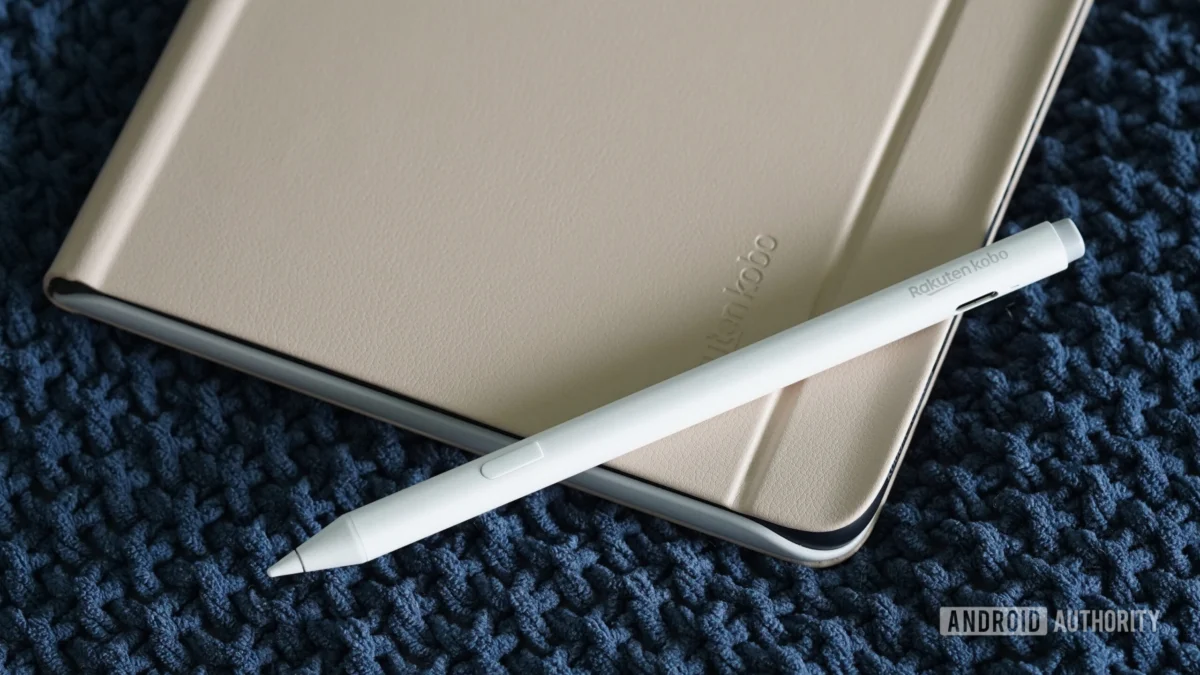
For years, Rakuten Kobo has positioned itself as the primary sanctuary for readers seeking an alternative to the monolithic Amazon Kindle ecosystem. By championing open formats like EPUB, offering robust sideloading capabilities, and maintaining a user-friendly interface that respects privacy, Kobo cultivated a loyal, vocal community of bibliophiles. A cornerstone of this brand identity was "value"—the idea that you could get a premium reading experience without the "walled garden" restrictions of Amazon.
However, that value proposition is currently undergoing a significant shift. In a move that has sparked frustration across enthusiast forums and social media, Kobo has quietly implemented a series of price increases on its most popular hardware, marking the second time in less than a year that these devices have seen a markup.
Main Facts: The New Pricing Landscape
The recent price adjustments affect some of Kobo’s most vital current-generation hardware, including the Kobo Libra Colour, the Kobo Clara Colour, and the Kobo Clara BW. These hikes are not merely nominal adjustments for inflation; they represent a significant percentage increase over the original launch MSRPs from 2024.
As of the latest updates, the pricing structure for these devices in the United States has shifted as follows:
- Kobo Libra Colour: The device, which originally debuted at $219.99, is now retailing for $259.99.
- Kobo Clara BW: This entry-level standard-bearer has seen its price climb from $129.99 to $159.99.
- Kobo Clara Colour: The color-screen variant has jumped from its launch price of $149.99 to $179.99.
These figures represent a notable departure from the competitive pricing that Kobo previously used to entice consumers away from the Kindle Paperwhite and Basic models. For many, the $40 jump on the Libra Colour is the most jarring, moving the device out of the "impulse buy" category and into a more premium price bracket that invites direct comparison with higher-end tablets and specialized e-note devices.
A Chronology of Increasing Costs
To understand the scope of this change, one must look at the timeline of Kobo’s 2024-2025 hardware strategy.
The 2024 Launch Phase
When Kobo unveiled its color-capable lineup, the tech community was largely impressed. The integration of E Ink Kaleido 3 technology into the Libra and Clara form factors was viewed as a breakthrough, offering a legitimate alternative for comic book readers and those who annotate with a stylus. The launch prices were strategically set to undercut or match equivalent Amazon offerings, positioning Kobo as the "smart, affordable choice."
The "Stealth" Increases
Shortly after the initial rollout, eagle-eyed shoppers noticed minor $10 adjustments in several global markets. At the time, these were dismissed as localized currency fluctuations or minor inventory adjustments. However, in hindsight, they represented the first phase of a broader pricing strategy.
The Current Market Adjustment
The recent, more substantial hikes caught the community by surprise. Reports first emerged on the eReaders Forum, where users began documenting the discrepancy between archived product pages and live storefronts. Unlike the earlier $10 increases, the current jumps are substantial enough to be felt immediately at the point of sale. The fact that these increases have occurred twice within a single product cycle is unprecedented for the company, signaling a potential shift in corporate strategy regarding profit margins and hardware subsidies.
Supporting Data: Consumer Sentiment and Market Impact
The impact of these price hikes is already visible across various digital communities. On Reddit’s r/kobo subreddit, threads discussing the "price creep" have gained significant traction.
The "Rush to Buy" Phenomenon
An interesting data point in this narrative is the consumer behavior observed during the transition period. As reports of the price hike spread, many potential buyers rushed to verify the information on third-party marketplaces, such as Amazon’s own storefront, which often updates its pricing slightly slower than the manufacturer’s direct site. This led to a "scramble" effect, where consumers attempted to secure units at the legacy price point before the change became ubiquitous across the retail landscape.
The "Delayed Purchase" Regret
Equally prevalent are the accounts of users who had been waiting for a sale or a "Mother’s Day" or "Back to School" promotion. These individuals, who exercised fiscal responsibility by waiting for a deal, are now finding themselves in a position where the "discounted" price would essentially just bring them back to the original launch price. This has led to a palpable sense of disillusionment among the brand’s most dedicated supporters.
Official Responses and Corporate Silence
As of this writing, Rakuten Kobo has maintained a period of relative silence regarding these price increases. There have been no press releases, blog posts, or social media announcements explaining the rationale behind the adjustment.
In the electronics industry, when a company raises prices on existing hardware, it typically points to one of three factors:
- Supply Chain Volatility: Increased costs for E Ink panels, semiconductors, or logistics.
- Market Repositioning: A desire to move the brand toward a more "premium" image.
- Margin Recovery: A reaction to lower-than-anticipated margins during the initial launch phase, necessitated by the aggressive introductory pricing.
While Kobo has not provided an official comment, industry analysts suggest that the cost of E Ink’s color display technology remains higher than standard grayscale panels. It is possible that the initial launch prices were subsidized to gain market share, and Kobo is now adjusting to a more sustainable long-term revenue model.
Implications for the Future of E-Reading
The decision to raise prices has far-reaching implications for both Kobo and the broader e-reader market.
The Erosion of the Underdog Advantage
Kobo’s primary weapon in the war against Amazon has always been its status as the "pro-consumer" alternative. By increasing prices, Kobo is effectively narrowing the gap between itself and the Kindle. If a Kobo device costs as much as—or more than—a comparable Kindle, the choice for the average consumer becomes less about price and more about ecosystem lock-in. Amazon’s ecosystem, for all its restrictions, is undeniably convenient. If Kobo loses its price advantage, it must work twice as hard to prove that its user experience is superior.
Impact on Sideloading and Ecosystem Loyalty
Kobo’s strongest selling point is its commitment to openness. Enthusiasts have long tolerated minor hardware shortcomings because they felt the company respected their ownership of their digital library. However, there is a limit to how much "loyalty tax" users are willing to pay. If the brand moves toward a more aggressive, profit-driven pricing model, it risks alienating the very power users who drive the community-based support that keeps the platform relevant.
The Outlook for Future Sales
The current consensus among shoppers is one of "wait and see." Many potential customers have stated they will no longer purchase at MSRP and will instead wait for significant seasonal sales. This creates a challenging environment for Kobo’s retail partners, as it turns a steady stream of sales into a series of "feast or famine" cycles based entirely on discount availability.
Conclusion: A Delicate Balance
Kobo remains one of the best choices for readers who value control, flexibility, and a high-quality reading experience. The Libra Colour is, by all metrics, a well-engineered piece of technology that justifies a premium price. However, the optics of successive price increases on existing hardware are rarely positive.
For Kobo, the challenge moving forward will be to communicate the value of its ecosystem in a way that transcends hardware pricing. If they wish to retain their status as the preferred alternative to Amazon, they must ensure that the user experience—the ease of sideloading, the quality of the software, and the freedom of the platform—remains so compelling that the price becomes secondary.
As the market continues to evolve, readers will be watching closely. Whether this is a temporary adjustment to a volatile supply chain or a permanent change in corporate direction remains to be seen. For now, the "underdog" of the e-reader world finds itself in a precarious position: trying to maintain its loyal fanbase while navigating the harsh realities of a tightening global economy.












No comments yet. Be the first to join the conversation!