

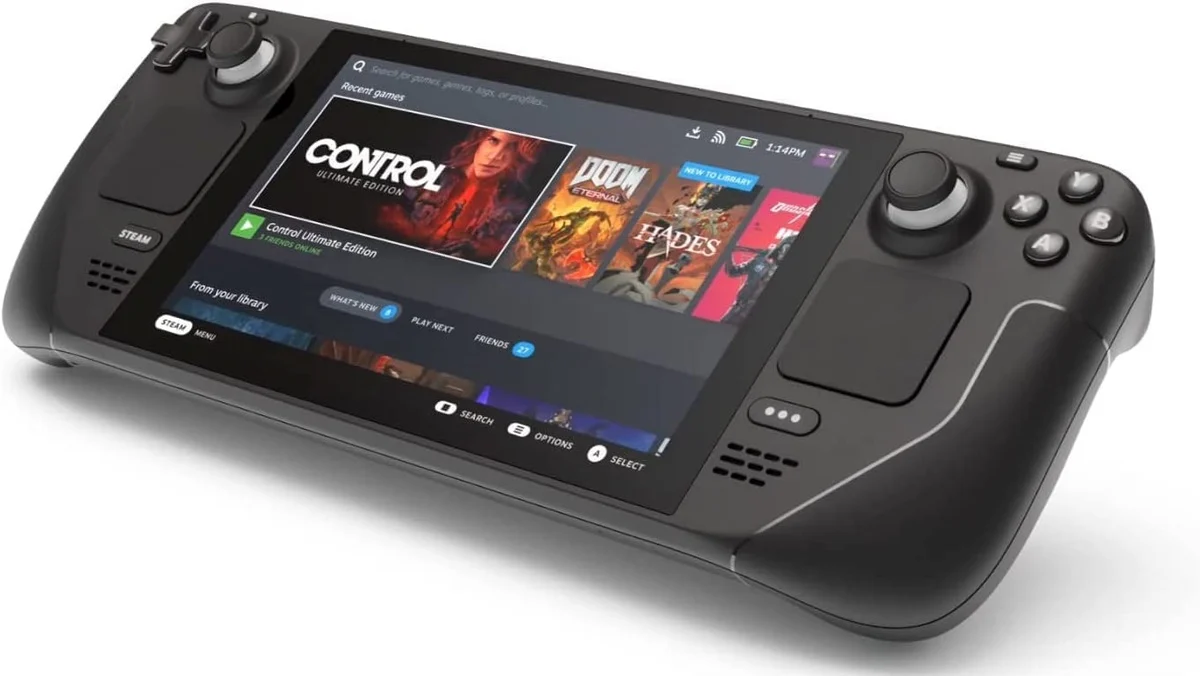
The modern consumer landscape is currently defined by a relentless upward trajectory in prices, touching everything from essential groceries and fuel to the recreational technology that keeps us connected. While inflation has become an unfortunate, accepted reality of the 2020s, a new development from Valve has stunned the gaming industry and consumers alike. In an unprecedented move, Valve has significantly increased the price of its flagship handheld, the Steam Deck, effectively pushing the device out of the "accessible enthusiast" category and into the realm of premium luxury hardware.
The Core Facts: A Staggering Surge in Pricing
For many, the Steam Deck was the great equalizer—a high-performance handheld that brought the sprawling library of PC gaming into the palm of one’s hand at a competitive price point. That era, it seems, has come to a sudden and jarring end.
According to data circulating via industry analysts and confirmed by store listings, the price adjustments are not merely inflationary adjustments; they are substantial structural shifts. As noted by industry tracker Wario64, the pricing changes for the OLED models are as follows:
- 1TB OLED Model: Increased from $649 to $949
- 512GB OLED Model: Increased from $549 to $789
These represent a near-50% increase in MSRP. For a device that was already considered a significant investment at $650, the leap toward the $1,000 threshold fundamentally changes the value proposition. Even more frustrating for consumers is the fact that these price hikes have been implemented while the devices remain plagued by stock shortages, making the hardware both harder to find and significantly more expensive to acquire.
Chronology: From Market Disruptor to Premium Commodity
To understand the weight of this decision, one must look at the trajectory of the Steam Deck since its inception. When Valve first launched the Steam Deck, it was hailed as a masterclass in hardware accessibility. By prioritizing a "loss leader" strategy—or at the very least, operating on razor-thin margins—Valve successfully democratized PC gaming. It captured a segment of the market that felt alienated by the rising costs of custom gaming PCs and the exclusivity of console ecosystems.
Throughout 2024 and early 2025, the Steam Deck remained the gold standard for handheld performance. However, as global economic pressures mounted, the tech sector began to pivot. Earlier this year, Sony sent shockwaves through the industry by raising the price of its PlayStation 5 hardware, with the high-end PS5 Pro reaching an eye-watering $899.99.
Valve, which had previously remained insulated from these trends, now appears to be aligning itself with the industry-wide push toward higher margins. By pushing the Steam Deck into the $800–$950 bracket, Valve has effectively exited the "mid-range" market, choosing instead to chase the premium tier currently occupied by boutique handheld PC manufacturers like ASUS and MSI, whose products—while powerful—often lacked the software integration that made the Steam Deck a fan favorite.
Supporting Data: The Rising Barrier to Entry
The broader gaming industry is currently undergoing a "cost-of-entry crisis." While gaming is frequently cited as the most popular form of entertainment globally, it is rapidly becoming the most exclusive.
Consider the current hardware landscape:

- Nintendo Switch 2: Expected to retail at approximately $499.99, it remains the most approachable entry point for dedicated gaming hardware, yet even that is a significant increase over its predecessor.
- PC Hardware: The cost of mid-range GPUs and CPUs has remained stubbornly high due to manufacturing supply chain shifts and the insatiable demand for AI-driven hardware.
- Software Pricing: We are witnessing the slow death of the $60 game. With major AAA titles now regularly launching at $70 and increasingly pushing toward the $100 mark for "early access" or "special edition" bundles, the cost of playing is compounding.
When you combine a $950 console with the necessity of purchasing games at premium prices, the barrier to entry for a new player is now effectively well over $1,200. In a climate where the average American household is struggling with stagnant wages and high interest rates, this pricing shift creates a massive divide between those who can afford the "definitive" gaming experience and those who are forced to rely on aging, underpowered hardware.
Official Responses and Strategic Speculation
Valve has remained characteristically opaque regarding the specific "why" behind these price hikes. However, industry analysts have pointed to the company’s long-term roadmap as a possible catalyst.
There is ongoing speculation regarding Valve’s next major project: the successor to the original Steam Machine—a console-hybrid PC intended for the living room. Developing, manufacturing, and marketing a new hardware platform in the current economic climate is an astronomically expensive endeavor. Some analysts suggest that the Steam Deck price hike is a strategic move to "subsidize" the R&D and manufacturing costs of this upcoming console. By increasing the margins on their existing success story, Valve may be attempting to de-risk their future hardware investments.
Furthermore, there is the issue of supply chain sustainability. The components required for OLED screens, custom APUs, and high-speed storage have seen their own inflationary pressures. Valve may be prioritizing the long-term viability of their hardware manufacturing over the short-term goal of market share dominance.
Implications: The Death of the "Gamer for Everyone"
The implications of this move extend far beyond the balance sheets of one company. Valve’s decision suggests a fundamental shift in the philosophy of the gaming industry. For years, the industry operated under the assumption that the way to grow was to lower the barrier to entry, get hardware into as many hands as possible, and monetize the software ecosystem (Steam).
By raising the hardware price so aggressively, Valve is signaling that they are no longer prioritizing the "mass market" consumer. They are catering to the "whale"—the enthusiast who is willing to pay whatever the cost to ensure they have the latest, most capable device.
This creates a dangerous feedback loop. If hardware becomes a luxury good, developers may begin to target their games only toward those with high-end, expensive hardware, further alienating the casual audience. We are witnessing the transformation of gaming from a universal hobby into a stratified, high-cost luxury interest.
If this trend continues, the industry risks losing the very thing that made gaming the "definitive artform of the 21st century": its accessibility. As the cost of the hardware rises, the audience for innovative, mid-budget, and experimental titles will inevitably shrink.
Ultimately, while Valve may find that this price hike secures their bottom line in the short term, they have arguably sacrificed the goodwill of the community that built the Steam Deck’s success. For the consumer, the message is clear: the era of the affordable, high-performance handheld has ended, and the era of the "luxury gaming experience" has officially arrived. Whether the market can sustain these prices remains to be seen, but for now, the path forward for gamers looks significantly more expensive, and significantly more exclusive, than ever before.












No comments yet. Be the first to join the conversation!