
 Pevita Pearce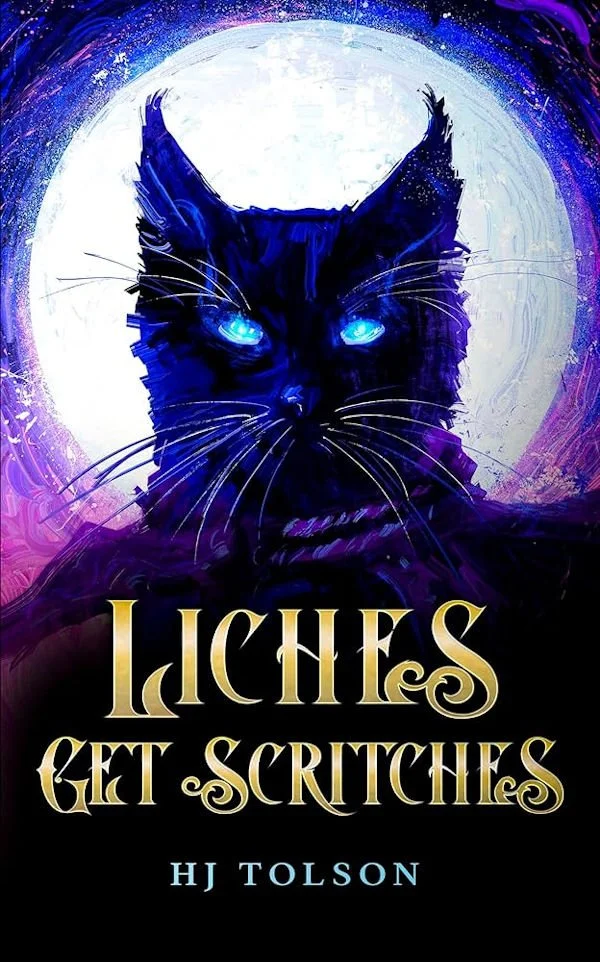
As June progresses, the heat of competition intensifies for the participants of the 11th Annual Self-Published Fantasy Blog-Off (SPFBO). In this latest phase of the contest, our panel of judges has reached a difficult juncture, bidding farewell to three distinct titles that ventured into the arena with ambition and grit. These eliminations mark a pivotal moment in our "Fifth Fall," bringing us one step closer to finalizing the four semi-finalists who will proceed to the next stage of rigorous evaluation.
The SPFBO remains a unique ecosystem in the literary world. It is a marathon, not a sprint, and our process reflects that philosophy. We do not evaluate entries based on a pre-ordained ranking, nor do we move from "worst to best." Instead, our team immerses itself in the narratives, reading titles in small, focused batches. This allows for a granular analysis that honors the time and immense creative effort invested by every author who submits their work. As we narrow our focus toward the semi-finalists, we are reminded that reading is a deeply subjective experience; a book that fails to resonate with our specific panel may very well be the next favorite for a reader with different tastes.
Chronology of the Competition: The Road to the Semi-Finals
The SPFBO 11 journey began earlier this year, drawing from a pool of 300 diverse entries. As we move deeper into the summer, the competition is transitioning from its broad, discovery-oriented phase into a concentrated selection process.
The three books discussed below represent the most recent departures from the active roster. Each title presented a unique vision—ranging from grimdark military conflicts to cozy, feline-led cultivation epics and introspective, mythological horror. While these books will not be advancing, their presence in the competition highlights the vibrant, experimental nature of the self-publishing community. We extend our sincere gratitude to these authors; entering a competition of this scale requires profound professional courage and a willingness to subject one’s creative soul to public critique.
Supporting Data: An In-Depth Look at the Eliminated Entries
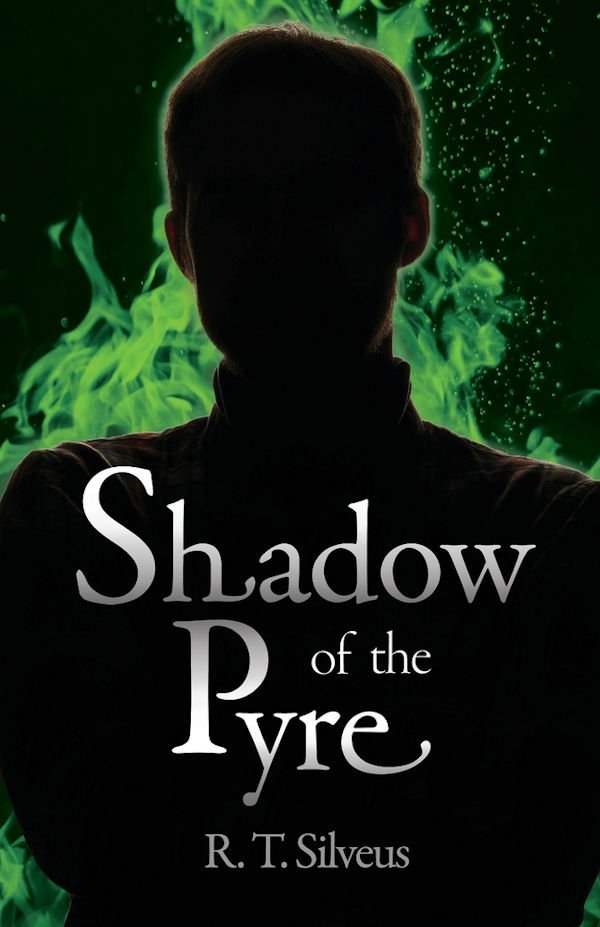
Shadow of the Pyre by R. T. Silveus
Shadow of the Pyre places readers into a high-stakes, oppressive regime governed by the Gurvel cult. The narrative follows three interconnected threads: Ronan, a soldier within the cult’s militia; Eira, an assassin seeking vengeance for her people; and Khartsaga, the conflicted son of the cult’s tyrannical leader.

Critical Analysis:
The reception of Shadow of the Pyre was marked by a sharp divide. A majority of our judges noted that the prologue felt front-loaded with terminology, factions, and geographic markers, which hindered their ability to find a foothold in the narrative. The intensity of the initial violence also served as a barrier for some, preventing a necessary emotional connection to the characters. Furthermore, recurring issues with punctuation and sentence structure were cited as factors that occasionally broke the reader’s immersion.
However, judge Sara Rosevear found the work compelling, highlighting the detailed world-building and the clever use of "Book of Legends" snippets as chapter headers. For readers who enjoy epic fantasy with a focus on dark, systemic oppression and complex character histories, this title may still offer value, even if it did not satisfy the specific criteria of our panel.
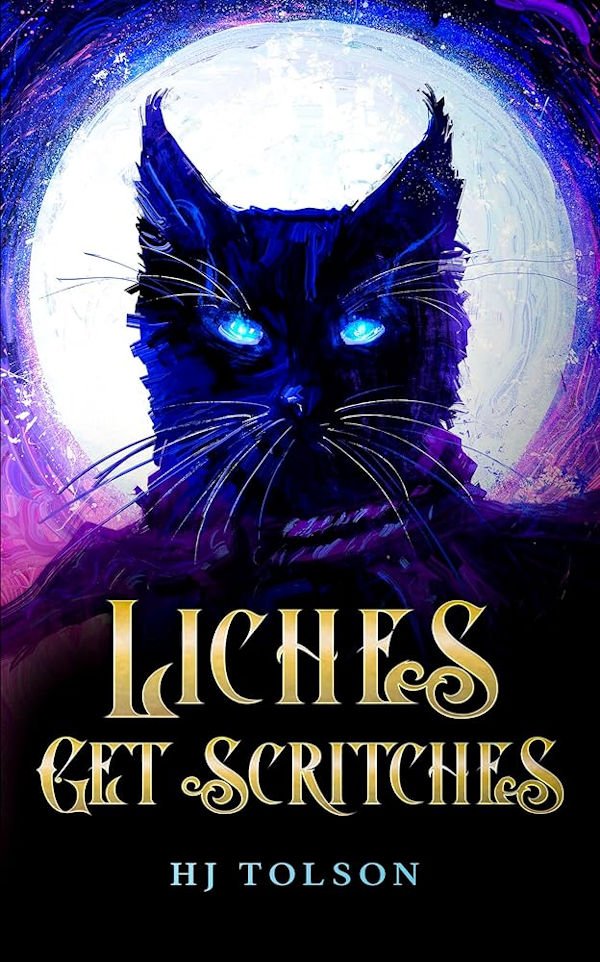
Liches Get Scritches by H. J. Tolson
This title offered a tonal departure from the grimdark standard, blending the "slice-of-life" genre with cultivation fantasy. The story follows Jenkins Greenleaf, a black cat seeking immortality and power within a forest sect of spirit beasts.
Critical Analysis:
The team was divided on the pacing of this "cozy dark" narrative. Several judges found the early chapters charming but struggled to maintain engagement as the story leaned heavily into the mundane rhythms of Jenkins’ daily life. Conversely, those who persevered into the second half of the book were rewarded with engaging combat sequences and a unique, atmospheric blend of necromancy and feline quirkiness.
Judge EG provided high praise for the book’s voice, noting that the author successfully maintained a consistent, non-anthropomorphized feline perspective—a feat of craft that kept the narrative grounded. While some readers may find the ending feels like a setup for a larger series, the technical execution of the prose and the novelty of the genre-mashup make this a noteworthy entry for fans of character-driven, experimental fantasy.
Island of the Dying Goddess by Ronit J.
Island of the Dying Goddess is an ambitious work of mythological horror. It follows Anawar, an immortal explorer trapped on the island of Sawarrgh, where time itself is broken and the landscape is defined by the presence of cruel, manipulative deities.
Critical Analysis:
This book challenged our judges with its heavy thematic focus on euthanasia, grief, and the psychological decay of immortals. Kerry Smith and other panelists lauded the sincerity of the writing and the nuanced exploration of how different cultures—specifically those influenced by South Indian mythology—frame death and familial duty.
Where the book faced friction was in its character development and horror execution. Several judges struggled to form an emotional bond with the protagonists, feeling that the characters functioned more as vessels for the themes rather than living, breathing entities. Additionally, the body horror elements were perceived by some as disjointed. Julia Kitvaria Sarene noted that while the book did not always land its punches, it is a work of immense emotional weight that will undoubtedly find a dedicated audience among readers who prioritize thematic depth over conventional action.
Official Responses and Reflections
The SPFBO is not merely a contest; it is a community-building exercise that fosters a dialogue between writers and readers. The judges involved in this year’s cycle—including Adawia Asad, Eva Geraghty, Kit Caelsto, and others—bring a wealth of experience and diverse aesthetic preferences to the table.
As we look toward the remaining nine books in this specific round, the goal remains the same: to surface high-quality literature that might otherwise be overlooked in the vast landscape of digital self-publishing. The editorial team, led by Jennie Ivins, emphasizes that these "cuts" are not a final judgment on an author’s career, but rather a reflection of the specific requirements and constraints of this year’s competition.
Implications for the Future of Self-Published Fantasy
The diversity of the entries in SPFBO 11—from the cat-led cultivation of Liches Get Scritches to the philosophical, mythological inquiry of Island of the Dying Goddess—speaks to the health of the self-publishing industry. Writers are no longer bound by the rigid gatekeeping of traditional publishing houses, allowing for niche sub-genres and experimental structures to thrive.
The primary takeaway for prospective authors and readers alike is the importance of the "hook." Whether through a unique narrator, an innovative magic system, or a pressing emotional dilemma, the initial chapters of a book are the most critical interface between the author and the audience. In a competitive field, the ability to balance world-building with immediate, character-driven stakes is what differentiates a successful manuscript from a missed opportunity.
As we turn our full attention to our four upcoming semi-finalists, we invite our readers to join us on this journey. Whether you are an aspiring author or a dedicated fantasy enthusiast, the official SPFBO website remains the premier hub for tracking the progress of all 300 entries.
For those interested in exploring the full breadth of this year’s competition, we encourage you to follow the updates on the official SPFBO website. We thank the authors, our dedicated judging panel, and our readers for continuing to make this competition a vital part of the fantasy literary calendar. We look forward to revealing the semi-finalists in the coming weeks.


 Nana Wu
 Ali Ikhwan





