

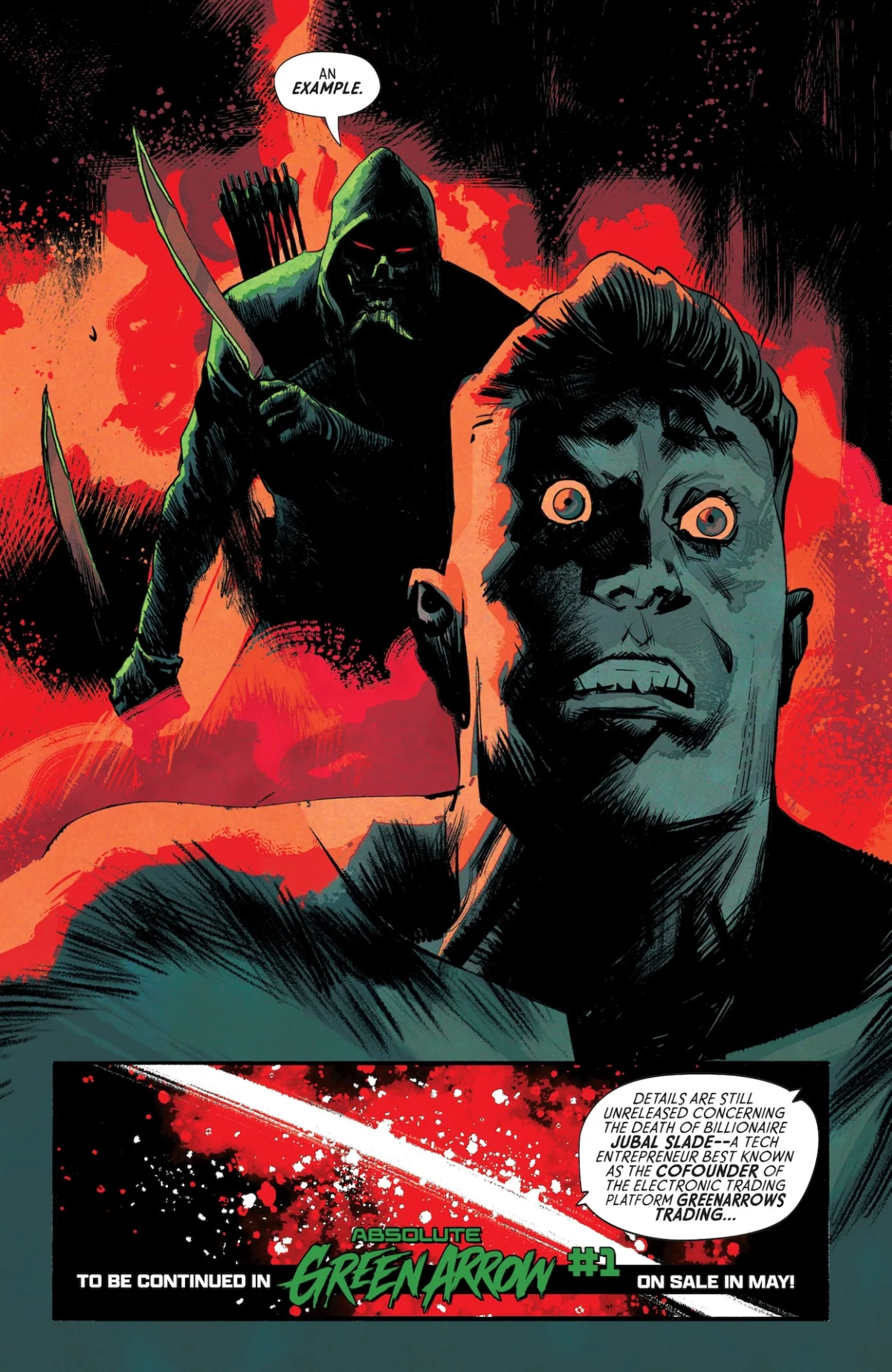
DC Comics’ "Absolute" line has rapidly evolved from a high-concept experiment into the publisher’s most prestigious and commercially successful imprint. By re-imagining iconic DC staples through a darker, more grounded, and uncompromising lens, the line has avoided the trap of market saturation, opting instead for a deliberate, measured rollout. The latest addition to this prestigious library, Absolute Green Arrow #1, has not only met the immense expectations surrounding its debut but has shattered them, resulting in a swift sell-out and a verified second printing.
Written by Pornsak Pichetshote with visceral, cinematic interior art by Rafael Albuquerque, the debut issue serves as a masterclass in tonal blending, merging the high-octane thrills of superhero fiction with the dread-inducing pacing of modern slasher horror.
The Core Narrative: A World Without Oliver Queen
At the heart of Absolute Green Arrow lies a stark departure from traditional DC lore. The story opens in a landscape still reeling from the death of Oliver Queen—a pivotal event previously established in the Absolute Evil storyline. While the public at large may mourn, the ultra-wealthy elite of this reality are openly celebrating the demise of the emerald archer.
The narrative introduces us to tech mogul Jubal Slade, a character who embodies the arrogance and detachment of the hyper-wealthy. During a decadent gathering, Slade toasts to the end of Queen’s crusade, only for the festivities to be cut short by a brutal, systematic slaughter. A mysterious figure—donning a metallic mask and prowling through a haze of blood-red smoke—begins picking off Slade’s security detail with surgical, lethal precision. These are not the trick arrows of a hero seeking justice; these are toxic, gruesome implements of a hunter, designed to maim and poison.
The horror elements are palpable. Albuquerque’s pencils lean heavily into the "slasher" aesthetic, utilizing close-up panels of impact and infection that emphasize the visceral reality of the violence. It is a bold, terrifying reintroduction to the legacy of the Green Arrow, stripped of its swashbuckling optimism and replaced with a grim, survivalist intensity.

Character Dynamics: The Reintroduction of Dinah
While the mysterious masked figure provides the horror, the soul of the book rests with Dinah. Introduced as a high-end bodyguard for a pampered pop star, Dinah is portrayed as a woman balancing immense professional competency with a volatile, hair-trigger temper.
Pichetshote utilizes a clever, modern narrative device—the digital interface—to ground the character. Through a cell-phone panel depicting an online therapy session, readers are given a window into Dinah’s psyche. She is a woman struggling to reconcile her past, particularly her relationship with the deceased Oliver Queen, with the demands of her current life. By the end of the first issue, she is thrust into an unwanted mystery, tasked with protecting a billionaire who is clearly in the crosshairs of the masked archer. Her trajectory is one of the most compelling elements of the debut, turning a familiar face into a protagonist who feels both vulnerable and dangerous.
The "Absolute" Aesthetic: A Masterclass in Visual Storytelling
The success of Absolute Green Arrow cannot be discussed without highlighting the synergy between the creative team. Rafael Albuquerque, known for his definitive work in the horror genre, brings a cinematic fluidity to the action sequences. Whether it is the claustrophobic dread of a hallway massacre or the expansive tension of a public confrontation, Albuquerque ensures the reader is never detached from the action.
The Role of Color and Lettering
Complementing the art is the masterful color palette of Marcelo Maiolo. The transition from the stark, arterial reds of the opening scene to the sickly, neon-infused greens of the later acts creates a subconscious sense of unease. Maiolo’s work does more than fill in the lines; it establishes the "mood" of the book, making even the mundane interiors of a corporate office feel like a ticking time bomb.
Equally important is the work of letterer Jeff Powell. In a medium where dialogue is paramount, Powell manages to imbue the captions with a "handmade" quality. By utilizing distinct word balloon shapes and subtle shifts in font weight, he provides a layer of human intimacy to the flashback sequences, bridging the gap between the book’s high-stakes action and its quiet, character-driven moments.

Implications: A New Standard for DC Comics
The immediate commercial success of Absolute Green Arrow #1 carries significant implications for DC’s publishing strategy.
- Genre Blending as a Market Driver: The book proves that fans are hungry for genre-bending superhero stories. By successfully marrying horror with the superhero archetype, DC has created a product that appeals to both traditional comic readers and fans of prestige television and indie horror cinema.
- The "Slow-Burn" Strategy: By resisting the urge to flood the market with new Absolute titles, DC has created a sense of "event" status for every new release. This scarcity model has paid dividends, ensuring that when a book like Absolute Green Arrow hits the shelves, it is treated as a cultural touchstone rather than just another monthly installment.
- Social Commentary in Fiction: Pichetshote’s integration of real-world sociological data—such as the inclusion of studies on the antisocial effects of extreme wealth—elevates the script. It gives the story a "Malcolm Gladwell-esque" intellectual weight, challenging the reader to think about the nature of power, class, and influence in our own society.
Supporting Data and Reception
As of mid-May 2026, the book’s performance has been nothing short of stellar:
- Sell-Through: The first printing sold out within 48 hours of release at major retailers.
- Critical Acclaim: Early reviews have lauded the book as "near-flawless," with particular praise directed at the balance between Pichetshote’s sociopolitical commentary and Albuquerque’s visceral action.
- Secondary Market: Due to the scarcity of the first print, collectors have already begun driving up the value of early issues, signaling high long-term interest in the series.
Official Stance and Future Outlook
While DC has not issued a formal press release regarding the future of the Absolute line, industry analysts suggest that the success of Absolute Green Arrow will likely greenlight further experiments with horror-tinged superhero narratives. The publisher’s focus has clearly shifted toward quality-over-quantity, a pivot that has been embraced by the fanbase.
For readers who missed the first printing, the second printing is already in production, featuring updated cover art that highlights the gritty, red-tinted aesthetic of the series. As the story unfolds, the mystery of the masked figure, the nature of the poison used in the attacks, and the true extent of Dinah’s past with Oliver Queen promise to sustain the book’s momentum.
Absolute Green Arrow #1 is more than just a successful debut; it is a declaration of intent. It proves that there is still immense room for innovation within the DC Universe, provided the creative teams are given the license to break the mold and explore the darker corners of the human—and superhuman—experience. As the series progresses, it will undoubtedly serve as the benchmark for how modern publishers can revitalize legacy characters for a contemporary, sophisticated audience.









No comments yet. Be the first to join the conversation!