Neng Nana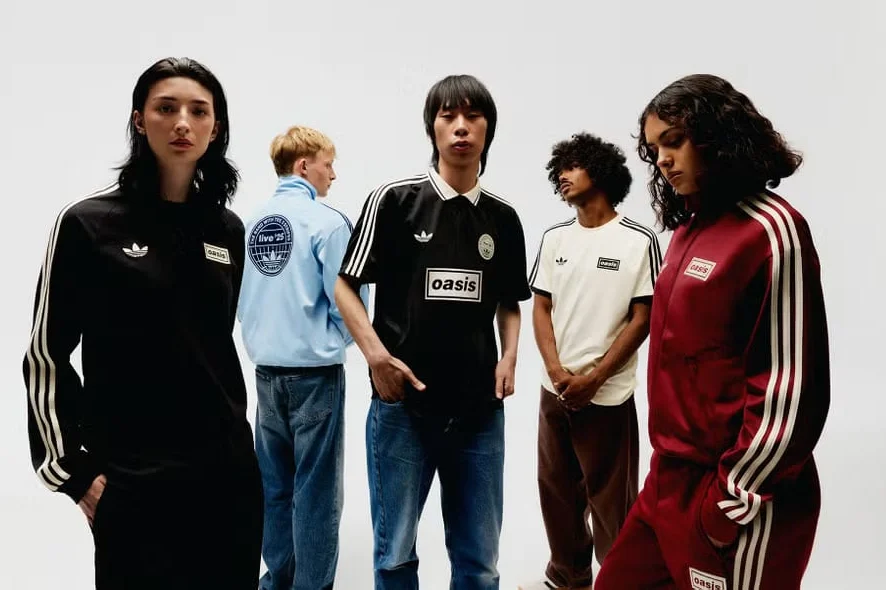
The 2026 Cannes Lions International Festival of Creativity—the global gold standard for advertising and brand communication—has concluded, leaving behind a clear mandate for the industry: authenticity trumps manufactured hype. Among a field of thousands of entries, one collaboration stood head and shoulders above the rest, capturing the industry’s highest honors.
Adidas, the German sportswear titan, dominated the Entertainment Lions category by leveraging the seismic cultural weight of the legendary English rock band, Oasis. Their campaign, titled "Original Forever," was awarded the prestigious Grand Prix, marking a pinnacle moment in the intersection of retail, music, and heritage marketing.
Main Facts: The Triumph of "Original Forever"
The Entertainment Lions category is designed to honor creativity that effectively transforms branded content into cultural currency. Out of 656 entries submitted for consideration, the jury identified "Original Forever" as the definitive standard for modern brand storytelling.
The campaign, a joint effort by New York-based creative agency Johannes Leonardo and Adidas London, was lauded for its nuanced approach to nostalgia and modern brand building. By tapping into the long-standing, organic association between Adidas footwear and the iconic aesthetic of Oasis, the brand did more than sell products; it reclaimed its position as a cornerstone of British music history.
In addition to the top prize in the Entertainment Lions category, the partnership secured a second Grand Prix in the "Entertainment Lions for Music" category, further solidifying the campaign’s status as a dual-threat success that excelled in both creative narrative and auditory cultural impact.
Chronology: From Reunion Rumors to Creative Dominance
The success of "Original Forever" was not a spontaneous occurrence; it was a masterclass in timing and strategic alignment. The journey toward the Cannes Grand Prix can be traced through several key phases:
- The Strategic Alignment (Early 2025): Recognizing the massive cultural vacuum left by years of Oasis-related speculation, Adidas began working behind the scenes to secure the band’s participation in a cohesive brand narrative.
- The Product Launch (Mid-2025): As the band’s return to the public consciousness accelerated, Adidas launched limited-edition, tour-specific merchandise. This was not a standard licensing deal; it was a deep dive into the band’s aesthetic, utilizing archival imagery and design motifs that resonated with longtime fans.
- The Cultural Integration (Late 2025): The brand deployed a series of "indelible cultural moments"—pop-up events, exclusive social media content, and guerrilla marketing—that felt like an extension of the band’s ethos rather than a corporate marketing play.
- The Cannes Recognition (June 2026): At the annual Cannes Lions Festival, the campaign was presented to the international jury. Following rigorous debate regarding the criteria for "branded culture," the jury reached a unanimous decision to award the Grand Prix, citing the campaign’s seamless integration into the public’s perception of the band’s comeback.
Supporting Data: Commercial Impact and Market Reach
The brilliance of the "Original Forever" campaign lies in its ability to translate "cool" into capital. Adidas has long maintained that their "Originals" line is their primary vehicle for lifestyle-focused consumer engagement, and the data from 2025 supports this hypothesis.
According to financial reports released by the brand, the Oasis collaboration was a primary driver behind a 12% increase in global "lifestyle revenues" for the fiscal year 2025. Furthermore, the Originals division reported double-digit growth, a statistic the company attributes directly to the halo effect created by the Oasis partnership.
The campaign’s success serves as a case study for the "halo effect"—whereby a high-profile, culturally relevant project elevates the perception of an entire product line. By associating their brand with the grit and authenticity of Oasis, Adidas successfully distanced itself from the "fast fashion" trap, instead repositioning their footwear as a timeless cultural artifact.
Official Responses: The Jury’s Verdict
The weight of the Cannes Lions Grand Prix is bolstered by the prestige of its jury. This year, the Entertainment Lions were presided over by Chris Beresford-Hill, the worldwide chief creative officer of BBDO Worldwide.
During the award ceremony, Beresford-Hill provided a scathing yet insightful critique of the current state of advertising, contrasting it against the success of Adidas. "Choosing a Grand Prix was difficult, but in the end, one piece of work stood apart because it understood the moment perfectly," Beresford-Hill remarked.
He further elaborated on the industry’s struggle with relevance: "At a time when so many brands are trying to manufacture relevance, this was a reminder that the most powerful thing a brand can do is show up in the right moment, for the right community, with something worth caring about."
For the agencies involved, the win represents a validation of their methodology. Johannes Leonardo has long advocated for the concept of "cultural relevance" over "creative flashiness," and the "Original Forever" campaign stands as their most significant vindication to date.
Implications: The Future of Brand-Artist Partnerships
The "Original Forever" victory at Cannes signals a shift in how major global brands approach music and pop culture. For years, the industry was dominated by "influencer culture," where brands paid for access to an audience. The Adidas-Oasis model suggests a return to something deeper: the "curatorial partnership."
The Death of "Manufactured Relevance"
The jury’s comments highlight a growing fatigue with artificial brand partnerships. Consumers are increasingly adept at sniffing out corporate opportunism. The implication for future campaigns is clear: brands can no longer simply attach their logo to a famous face. They must become part of the narrative. By building official tour merchandise and integrating into the band’s return, Adidas became a custodian of the Oasis brand, not just a sponsor.
The Role of Heritage in Modern Retail
The success of this campaign proves that heritage is a powerful asset. In an era of disposable digital content, consumers are gravitating toward brands that have a "cultural legacy." Adidas did not invent a new persona; they leaned into an existing one. Future brand strategies will likely prioritize long-term "cultural legacy" assets over short-term viral stunts.
A New Standard for "Entertainment Lions"
By setting the bar so high, the 2026 Cannes jury has effectively forced agencies to raise their standards. Moving forward, a successful entry in the Entertainment Lions category will need to demonstrate:
- Organic Connection: Proof that the brand and the entertainment entity share a genuine, historical, or thematic connection.
- Measurable Impact: The ability to correlate a creative campaign with specific revenue growth or market share shifts.
- Community Integration: Evidence that the campaign was embraced by the actual fans of the entertainment entity, rather than just the general public.
Conclusion: A Blueprint for the Future
As the creative industry reflects on the winners of the 2026 Cannes Lions, the consensus is undeniable. The Adidas-Oasis collaboration serves as the gold standard for how global corporations can navigate the complex, often cynical, landscape of modern consumerism.
By prioritizing authenticity and timing, Adidas has managed to turn a marketing campaign into a cultural touchstone. For those looking to replicate this success, the lesson of "Original Forever" is simple: do not manufacture relevance—find it, support it, and become a part of the story.
All of the shortlists and winners from this year’s awards program, including the full documentation of the "Original Forever" campaign, are available for public viewing on the official Cannes Lions "The Work" website. As the industry looks toward 2027, the challenge is set: how will brands continue to earn their seat at the table of culture without compromising the very essence of what makes them, and their partners, "original"?

 Asep Darmawan
 Layla Zulfa