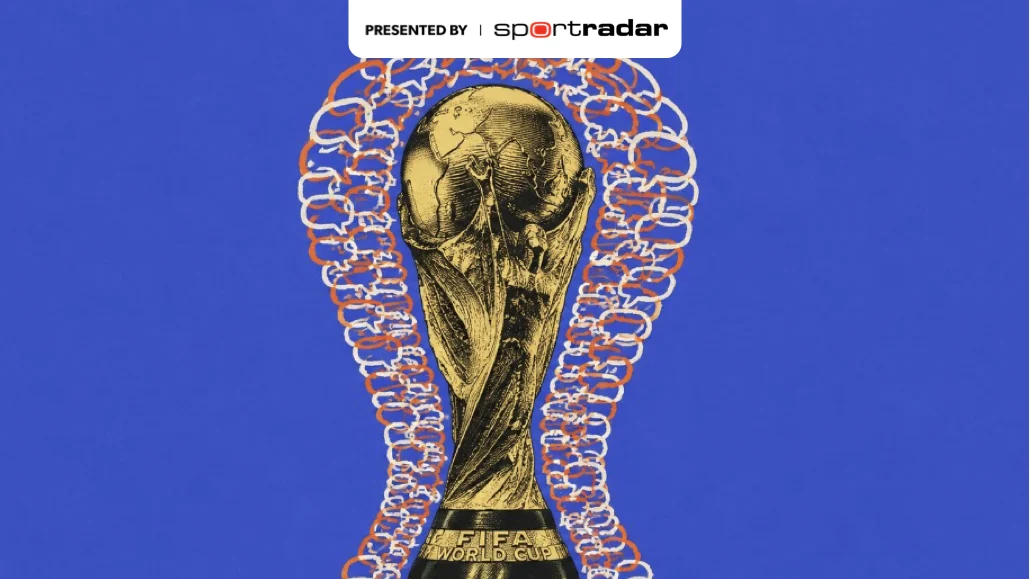
As the 2026 FIFA World Cup reaches its crescendo, a quiet revolution has taken place in the broadcast landscape. For decades, the gold standard of sports consumption was the polished, high-definition television feed—a top-down experience controlled by networks and dictated by traditional production standards. However, this tournament has signaled the definitive end of that monopoly. Running parallel to the official telecasts, a new, vibrant layer of coverage has emerged: creator-led livestreams from inside stadiums and fan zones, broadcast to millions via Twitch and YouTube.
This is not merely "second-screen" commentary or superficial analysis. It is a fundamental shift in how sports are consumed. Younger demographics are increasingly showing up for the personality first and the match second, treating these digital streams as their primary window into the tournament.
The New Broadcast Blueprint: Beyond Distribution
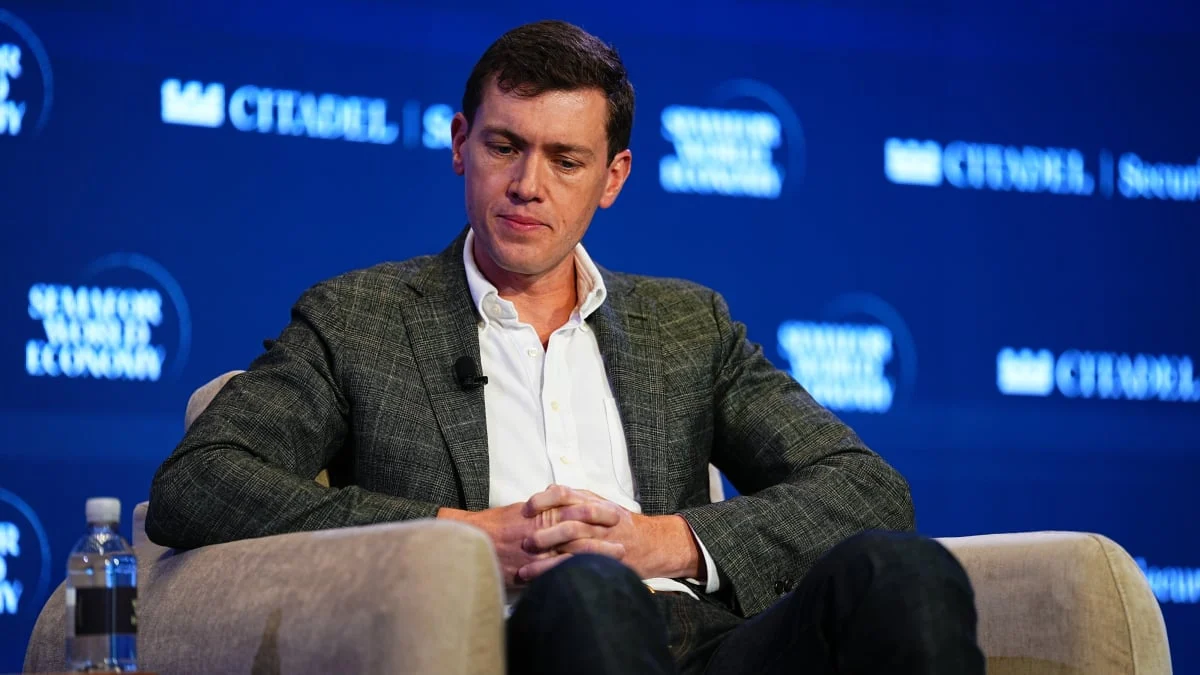
For decades, sports leagues treated platforms like YouTube and Twitch as mere distribution channels—digital pipes through which to pump the same content seen on cable. However, Twitch CEO Dan Clancy argues this misses the point entirely.
"People think that sports are about watching the world’s best athletes, but it’s not. Sports are all about community," Clancy explains. "Twitch is a communal platform centered on this shared affinity for a creator, and then shared experiences together as a community. Soccer, and especially the World Cup, is the pinnacle of that."
This "virtual sports bar" model is the core of the new strategy. Unlike the passive experience of traditional TV, where a viewer might watch a game in isolation, a creator-led "watchalong" breaks the massive global audience into thousands of micro-communities. In these digital spaces, viewers can chat, react, and engage with a personality they trust, replicating the social intimacy of a neighborhood pub—a vital development for a generation that is statistically less likely to frequent physical bars.
Chronology: The Rise of the Creator-Analyst
The evolution of this trend did not happen overnight. Its trajectory mirrors the broader shift in digital media consumption over the last half-decade:
- Pre-2022: Leagues and teams largely viewed influencers with skepticism, restricting their access and focusing exclusively on broadcast rights holders like Fox or ESPN.
- 2022 World Cup: The initial proof-of-concept phase. Streaming platforms began experimenting with creator-led segments, testing the waters of community-driven sports content.
- 2023-2025: The "Creator Cast" era. Leagues like the NBA and WNBA began granting official, limited access to creators like Nicholas "Jynxi" Stewart, observing a measurable "incremental lift" in viewership.
- 2026 FIFA World Cup: The tipping point. FIFA leaned into the creator economy, granting unprecedented access to personalities like Darren "IShowSpeed" Watkins Jr. This was the moment where streaming became a primary, rather than secondary, broadcast tier.
Data-Driven Fandom: Why the Shift Matters
The move toward creator-centric broadcasting is not just a trend; it is a response to hard data. According to recent surveys, 44% of Twitch viewers explicitly state they are seeking sports coverage that is unavailable on traditional media. The hunger for interactivity is reflected in the numbers: 29% of viewers reported an increase in their personal fandom compared to the 2022 tournament, a surge attributed directly to the communal nature of the 2026 coverage.
Furthermore, the economic implications are profound. With the rights for the 2026 World Cup costing an estimated $485 million, traditional broadcasting is becoming prohibitively expensive. Creators offer a more efficient, targeted way for brands to achieve "emotional transference."
As Stream Labs CEO Ashray Urs notes, "All of the major sponsors and big brands are finding ways to leverage creators to capture this moment. It’s encouraging." When a brand partners with a creator, they are not just buying a banner ad; they are buying entry into a pre-existing, highly engaged community. For companies that do not hold official FIFA sponsorship rights, these creator streams represent a vital, untapped inventory.
Official Perspectives: The Institutional Pivot
FIFA’s decision to grant access to streamers like Watkins Jr.—who spent the tournament rubbing shoulders with VIPs and broadcasting from the sidelines—was a calculated risk that paid off.
"Streamers like myself are bringing a younger, more global audience," Watkins Jr. told Digiday. "My fans are watching, reacting, clipping, commenting, and talking to me the whole time. It becomes a two-way conversation."
This shift has not gone unnoticed by the C-suite. Dan Clancy, while advocating for this model, remains critical of how some leagues have handled the transition. "A lot of times the first thing leagues say is, ‘Oh, I’ll show the game on YouTube.’ That’s just using YouTube as another distribution channel," he says. "That’s not creating a social experience. I want to sit and chat with a community I’m part of."
Clancy suggests that leagues like Major League Soccer (MLS) could significantly boost their domestic relevance by adopting this "online interactive engagement" model. By treating the game as a social event rather than just a sporting product, leagues can cultivate a deeper, more sticky relationship with the American youth market, which has historically been a difficult demographic to capture.
Implications for the Future of Sports Media
As we look toward the 2030 World Cup and beyond, the implications of this shift are clear:
1. The Democratization of Access
We are moving toward a future where professional sports organizations will no longer rely solely on legacy media conglomerates. The success of the 2026 model suggests that future tournaments will likely see an increase in "creator-friendly" tiers, where personalities are given specific broadcast rights that allow them to integrate their own brand voice into the live action.
2. The Death of Passive Consumption
The "sit back and watch" model of the 20th century is dying. Younger viewers, conditioned by gaming culture, expect the content to react to them. Whether it is through real-time polling, chat-room moderation, or live Q&A, the "broadcast" of the future is essentially a live-service product.
3. A New Bidding War
If creators can provide an incremental 5% lift in viewership—as seen in the NBA Creator Casts—leagues will be forced to re-evaluate their media rights structures. While the "big ticket" rights will still go to major networks, the "social rights" will become a distinct, highly lucrative category that platforms like Twitch and YouTube will aggressively bid for.
4. Integration of E-Commerce and Sponsorship
The "50,000 creator activation" by brands like Unilever serves as a harbinger for the future. We can expect to see deeper integration of e-commerce within these streams, where viewers can purchase team merchandise or sponsored goods without ever leaving the interface of the stream.
Conclusion: The New Sports Bar
The "virtual sports bar" is no longer a niche concept—it is the front line of modern sports media. By prioritizing the community over the signal, platforms like Twitch have tapped into a fundamental human need: the desire to be part of something larger, even when physically isolated.
As Dan Clancy aptly summarized, "We all yearn for a place where everyone knows your name." The success of the 2026 World Cup has proven that the next generation of sports fans has found that place. It isn’t in a stadium in a foreign country or a bar down the street; it is in the chat, behind the facecam of their favorite creator, watching the game unfold in real-time, together. The broadcast blueprint has been rewritten, and for the sports world, there is no turning back.