
 Muslim
In an industry where the standard trajectory for a new comic book series is a sharp, inevitable decline following the initial hype of a debut issue, the current run of Daredevil—penned by Stephanie Phillips and illustrated by Lee Garbett—is proving to be a statistical anomaly. According to industry reports from retail channels, Daredevil #3 has managed the unthinkable: it has secured higher order numbers from comic book stores than its predecessor, Daredevil #2.
For the uninitiated, this is not a common occurrence. In the modern direct market, maintaining momentum between issue #1 and issue #2 is difficult enough; growing that audience by the time the third issue rolls around is a rare feat typically reserved for "event" books or titles bolstered by massive variant cover programs. That Daredevil has achieved this organic growth without such gimmicks signals a significant shift in consumer behavior and creative resonance.
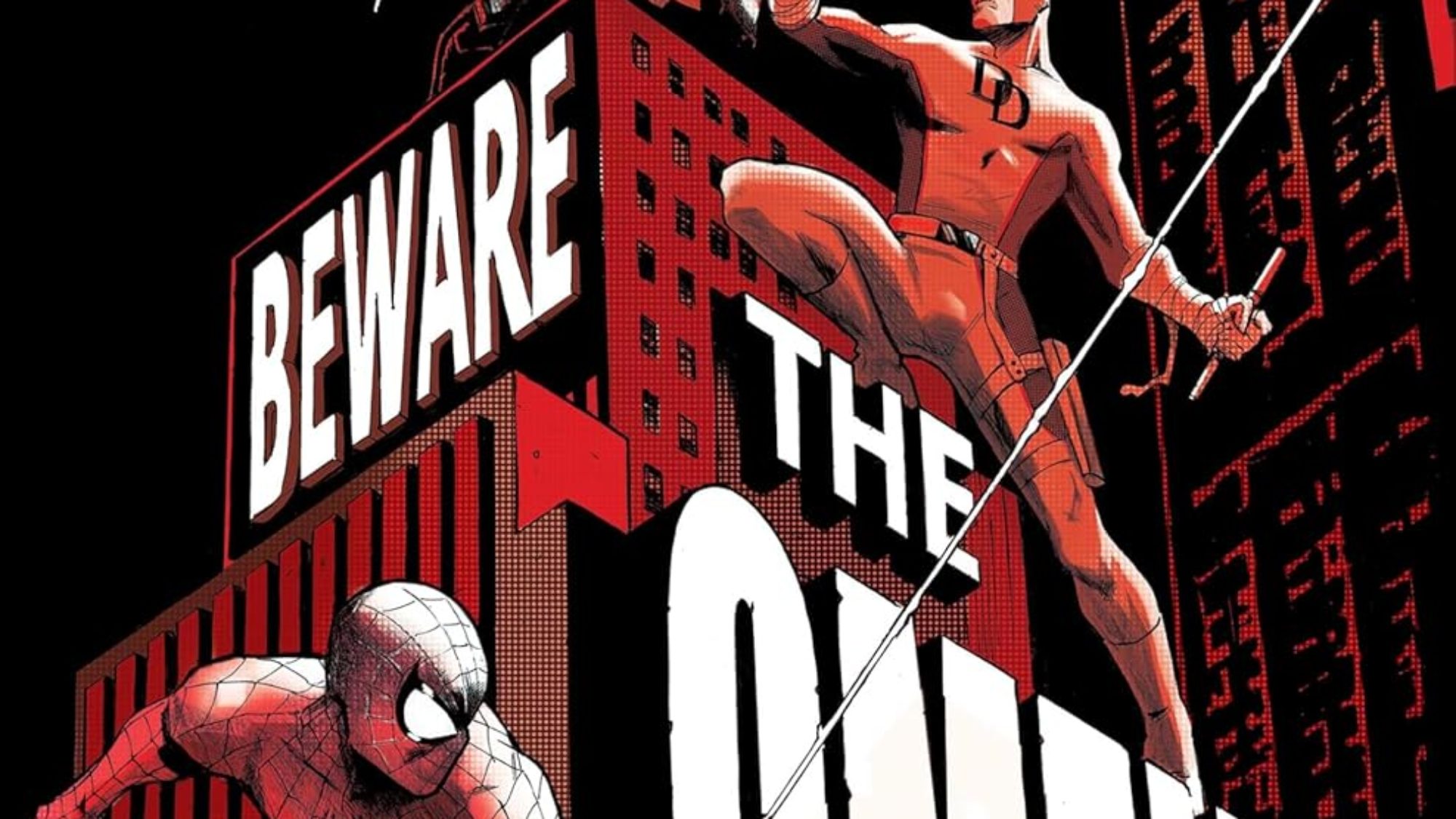
Chronology of a Sales Surge
The journey of the current Daredevil run began with high expectations and an even higher ceiling. When Daredevil #1 hit the shelves, it recorded extraordinary sales figures. Much of this initial explosion was attributed to Marvel’s "True Believers" blind bag promotion, which acted as a catalyst, propelling the title to outsell many of the industry’s most prestigious "Absolute," "Ultimate," and "Amazing" brand titles.
However, industry analysts were quick to watch the "drop-off" rate for issue #2. In the comic industry, the "second-issue slide" is a known quantity—a period where casual readers drift away and curiosity-driven sales stabilize. Against expectations, Daredevil #2 held its ground remarkably well. It was a strong performer, finishing as the second-highest-selling book of its release week, beaten only by an "Absolute" line title.
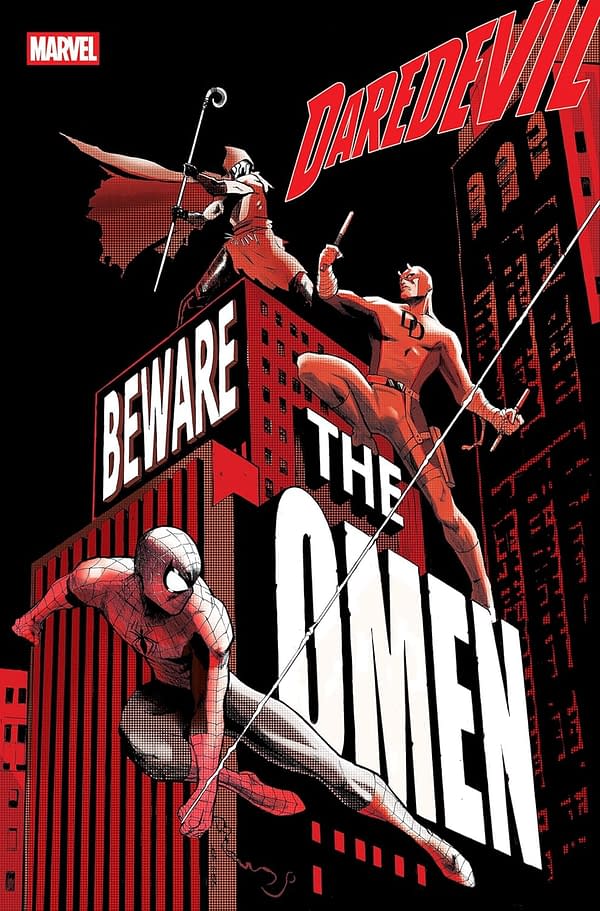
Now, with pre-orders and retailer solicitations finalized for Daredevil #3, the data confirms a reversal of the traditional trend. While the sales do not match the unprecedented peaks of the debut issue, they represent an increase over the second issue. This trend of "growth in the middle" is a hallmark of a series that has successfully transitioned from a curiosity-buy to a staple on the pull-lists of comic book readers. The title is currently scheduled for release on June 10, 2026, and all eyes are now on the industry to see if this momentum can carry over into issue #4.
Deconstructing the Success: Talent and Timing
What factors contribute to a book defying the gravitational pull of the industry’s typical decline? Experts point to a "perfect storm" of creative quality, digital visibility, and strategic engagement.

The Power of Social Influence
A primary driver behind this sustained interest is the digital footprint of writer Stephanie Phillips. Her TikTok channel has become an essential hub for comic book discourse, blending behind-the-scenes insights with genuine, infectious enthusiasm for the medium. In an era where traditional marketing often falls on deaf ears, Phillips has cultivated a direct line of communication with a younger, highly engaged demographic. Her ability to translate the nuance of Matt Murdock’s internal struggles into digestible, viral content has undoubtedly contributed to the book’s visibility.
The "Quality" Factor
Beyond the digital strategy, the most fundamental boost is the simplest one: the comic is objectively good. The narrative arc, which positions Matt Murdock in a state of high-stakes paranoia and isolation, has struck a chord with long-time readers. By centering the story on a "calamitous conspiracy" that targets the protagonist in ways he cannot fully comprehend, Phillips and Garbett have crafted a "must-read" mystery. The return of fan-favorite character Ben Urich has further sweetened the deal for legacy readers, bridging the gap between classic Daredevil noir and this new, modern era.

The Role of Retailers and Conventions
The presence of artist Lee Garbett at the 2026 MCM London Comic Con has also played a pivotal role. Retailers like Forbidden Planet, which commissioned an exclusive Daredevil #1 cover by Garbett, have utilized his presence at the show to drive physical foot traffic. The ability for fans to meet the artist, have their copies signed, and engage in the community aspect of comic collecting provides a tactile experience that digital storefronts cannot replicate.
Supporting Data: The Retailer Perspective
Retailers reporting to Bleeding Cool indicate that the increased orders for issue #3 are not just a reflection of consumer demand, but a sign of confidence from comic shops. When shop owners notice a "slow burn" success—a book that doesn’t just crash after the first issue—they are more likely to increase their stock of subsequent issues to avoid missing out on potential repeat customers.

The industry landscape in May 2026 has been dominated by massive, universe-altering events like the Absolute Batman series. For Daredevil to maintain its status as a top-tier performer while competing against these heavy hitters is a testament to the strength of the character and the execution of the creative team.
Official Narrative and Story Arc
Marvel’s official solicitation for Daredevil #3, titled "A Dangerous Omen," highlights the escalating tension of the current arc:

"The paranoia and fear marking the all-new era of Daredevil reached horrifying new heights! Alone and targeted by a villain he doesn’t fully understand, Matt Murdock and Daredevil are at the dead center of a calamitous conspiracy! PLUS! The return of Ben Urich! How will his path intersect with Daredevil’s this time?! Is he on the side of the angels?"
This narrative hook serves as a crucial component of the book’s success. By promising the return of a beloved supporting character and raising the stakes of the mystery, the creative team has ensured that the "FOMO" (fear of missing out) factor remains high for readers who might have sat out the first two issues.
Implications for the Future of Marvel Comics
The success of this Daredevil run has profound implications for how publishers approach mid-tier titles. For years, the industry has relied on "variant cover fatigue"—flooding the market with multiple covers to inflate sales numbers. The Daredevil model suggests that there is a different path to sustainability:
- Direct-to-Consumer Engagement: Relying on the creators themselves to build a brand via social media is proving to be more effective than traditional advertising.
- Narrative-First Marketing: By keeping the story "event-heavy" but character-focused, the team has avoided the "crossover fatigue" that often plagues long-running series.
- Convention Synergy: The integration of creator signings, exclusive retailer covers, and real-time social media updates during major conventions like MCM London serves as a powerful retention tool.
As we look toward the remainder of 2026, the industry will be watching Daredevil closely. If the series continues to grow, or even plateaus at this elevated level, it could serve as the new blueprint for Marvel’s editorial strategy.

Conclusion: A Barometer for the Industry
The story of Daredevil #3 is more than just a sales report; it is a case study in resilience. In a volatile market, the title has proven that quality, when paired with a savvy understanding of the modern digital landscape, can overcome the industry’s most stubborn trends. Whether it is the artistic precision of Lee Garbett or the compelling, paranoia-fueled script of Stephanie Phillips, the book has tapped into the pulse of the current comic reader.
As the June 10 release date approaches, the question shifts from "Can they survive the second-issue slump?" to "How far can this run go?" For now, the answer seems to be that as long as the conspiracy deepens and the fans keep sharing, the Man Without Fear is in no danger of slowing down. Readers and retailers alike are now left to wonder: if issue #3 can defy gravity, what does issue #4 have in store?

 Sagoh
Sagoh
 Ammar Sabilarrohman





