

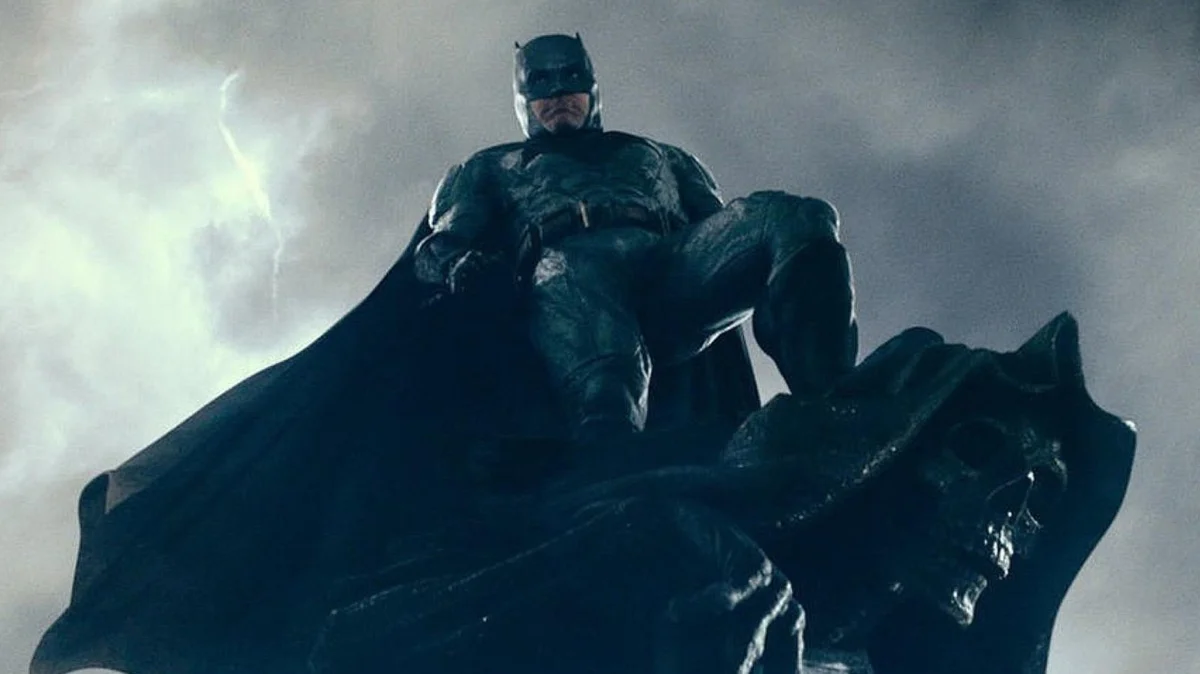
In the sprawling, often tumultuous history of DC cinema, few "what-if" scenarios loom as large as Ben Affleck’s aborted vision for The Batman. Originally envisioned as a dark, psychological thriller that would have served as the centerpiece of the DC Extended Universe (DCEU), the project promised a veteran, battle-hardened Caped Crusader—a stark departure from the origin stories that have defined the character on screen for decades. Today, the project stands as one of the most compelling "lost" films in superhero history, a casualty of creative shifts, studio instability, and the personal evolution of its lead.
The Architecture of a Lost Epic: Main Facts
Ben Affleck’s tenure as Batman began with a wave of skepticism that largely evaporated upon the release of Batman v Superman: Dawn of Justice. Affleck’s portrayal of a grizzled, cynical Bruce Wayne—a man who had spent two decades fighting crime in Gotham—offered a fresh take on the character. The plan was for Affleck to move from behind the cowl to behind the camera, directing a solo film that he co-wrote with DC veteran Geoff Johns and Argo collaborator Chris Terrio.
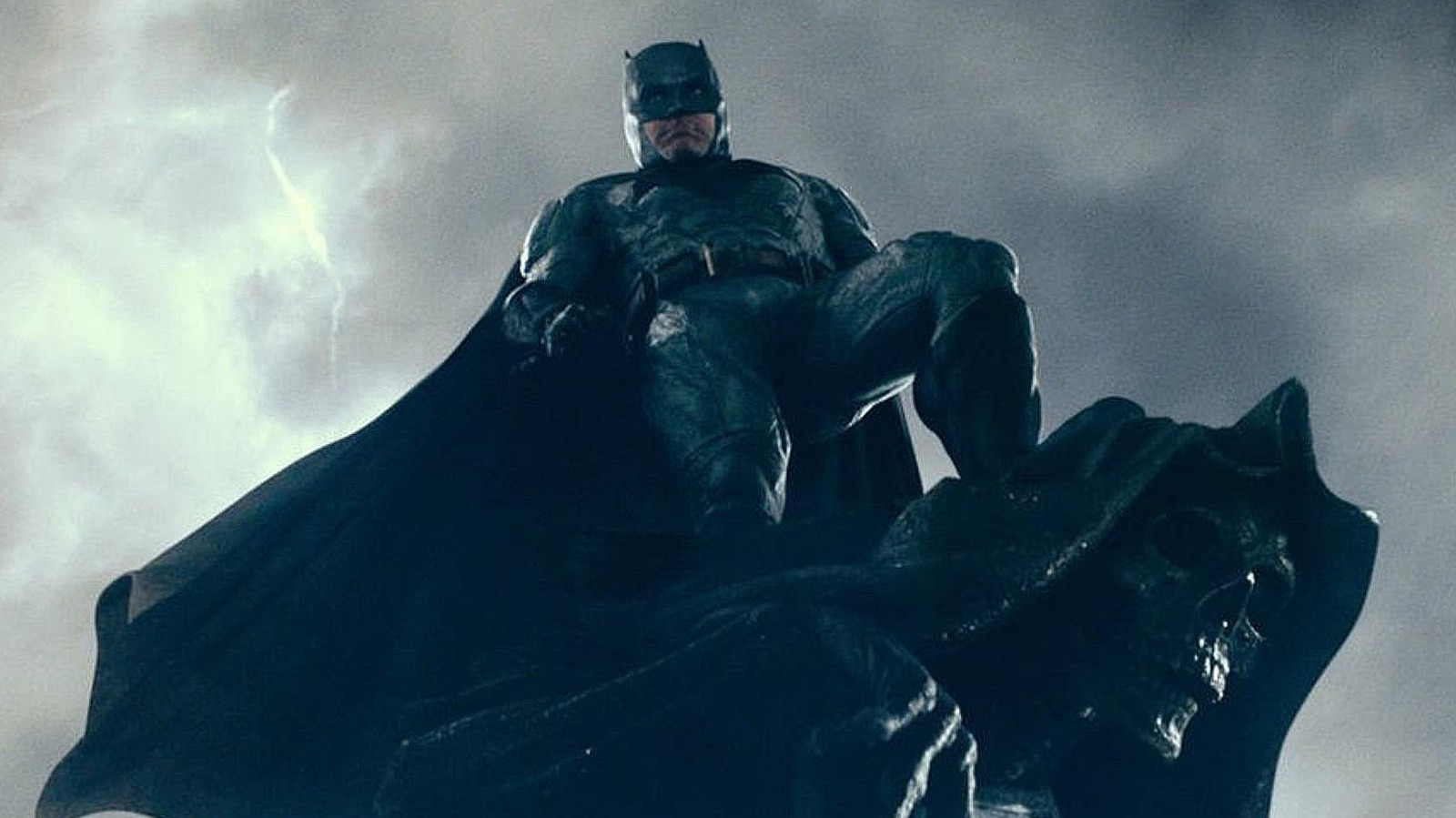
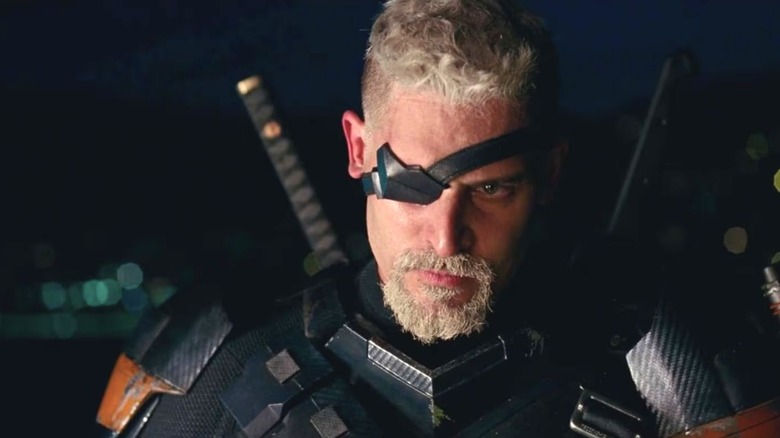
The narrative hook was to be a cerebral, high-stakes game of cat and mouse. Unlike the detective-focused noir of Matt Reeves’ 2022 The Batman, Affleck’s vision was reportedly an "action-driven" spectacle, drawing heavy inspiration from David Fincher’s The Game. The primary antagonist was set to be Deathstroke (Slade Wilson), played by Joe Manganiello, who was meant to systematically dismantle Bruce Wayne’s life, targeting his finances, his allies, and his physical health in a brutal campaign of vengeance.
A Chronology of Collapse
The timeline of The Batman’s dissolution is inextricably linked to the broader struggles of the DCEU.
- 2016: Following the release of Batman v Superman, Warner Bros. officially tapped Affleck to direct and star in a solo Batman film. At the time, Affleck expressed deep enthusiasm, viewing the project as a natural progression of his directorial career.
- 2017: The project hit a significant hurdle when Affleck stepped down as director. He cited the difficulty of balancing the immense pressure of directing such a massive franchise while simultaneously starring in it. Matt Reeves (War for the Planet of the Apes) was brought on to replace him.
- 2018–2019: Reports began to surface that Reeves intended to scrap the existing script entirely to pursue his own vision. During this period, Affleck’s personal struggles and the underperformance of Justice League led to a complete cooling of the project.
- 2020–2022: The final nail in the coffin was hammered when it was confirmed that Affleck would not return to the role for a solo project, and that the DCEU, as it existed, was being phased out in favor of a reboot overseen by James Gunn and Peter Safran.
The Vision: Deathstroke and the "Knightfall" Influence
While no official screenplay has ever been released, bits and pieces of the plot have been reconstructed through interviews with those involved. The film’s antagonist, Deathstroke, was a deliberate choice. Unlike the Joker or the Riddler, who rely on psychological games, Slade Wilson is a physical and tactical mirror to Batman.
Storyboard artist Jay Oliva noted that the script aimed to synthesize 80 years of comic book lore into a single, cohesive narrative. Many fans and industry analysts have drawn parallels between the planned story and the iconic Knightfall comic arc, in which Bane systematically exhausts Batman before breaking him. In Affleck’s version, Deathstroke would have filled that role, utilizing his military precision to force Batman into an unwinnable corner.
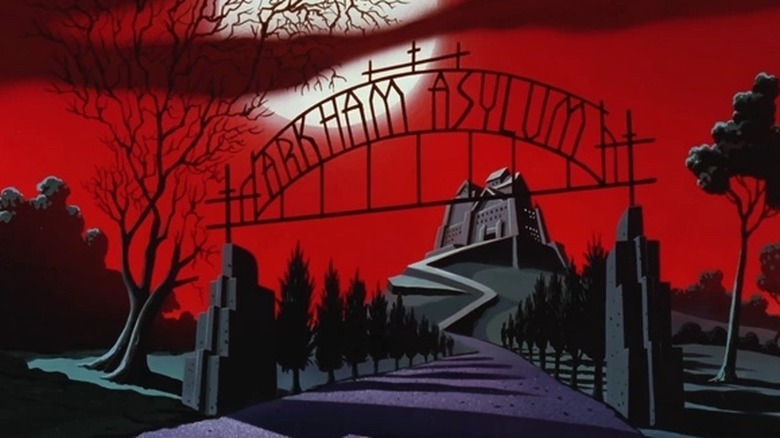
Furthermore, cinematographer Robert Richardson—who worked with Affleck on Live by Night—revealed that the script was deeply rooted in the halls of Arkham Asylum. The implication was that the film would have been a claustrophobic, intense dive into the "insanity" of Gotham’s rogues’ gallery, potentially featuring a wide array of villains rather than a singular focus.
Tactical Evolution: The Aesthetic Shift
Concept art for the project, shared by artist Ken Christensen, provided a glimpse into the visual direction of the film. While Zack Snyder’s Batman was heavily influenced by the bulky, armored look of Frank Miller’s The Dark Knight Returns, Affleck’s vision seemed to lean toward a more tactical, segmented armor.
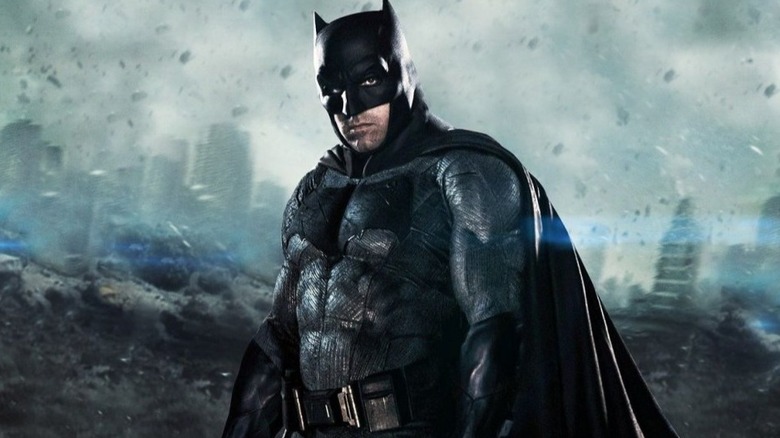
The goal, according to production notes, was to create a suit that felt like "real ballistic material" while maintaining the iconic silhouette. The suit was meant to be functional, reflecting the wear and tear of a hero who had been in the trenches for years. The gadgets, too, were expected to be more utilitarian, emphasizing the character’s role as a master strategist rather than a comic-book caricature.
Official Responses and Personal Reflection
The dissolution of the project was not merely a corporate decision; it was a personal one. In his 2022 interview with the Los Angeles Times, Affleck was candid about his departure. He noted that he had reached a point where he realized he would not be happy making the film, stating, "The person who does this should love it."
Affleck’s experience with the project was compounded by the intense, often toxic nature of the fan discourse surrounding the DCEU, combined with his own battle with addiction during the production of Justice League. By the time he walked away, he had moved on to directing projects like Air, which allowed him to focus on storytelling without the crushing weight of a cinematic universe’s expectations.
Implications for the DC Universe
The failure to produce Affleck’s The Batman represents a major "missed opportunity" in modern cinema. Had the film been produced, it would have been the first time a live-action Batman was treated as an established, veteran character operating within a fully realized superhero universe.
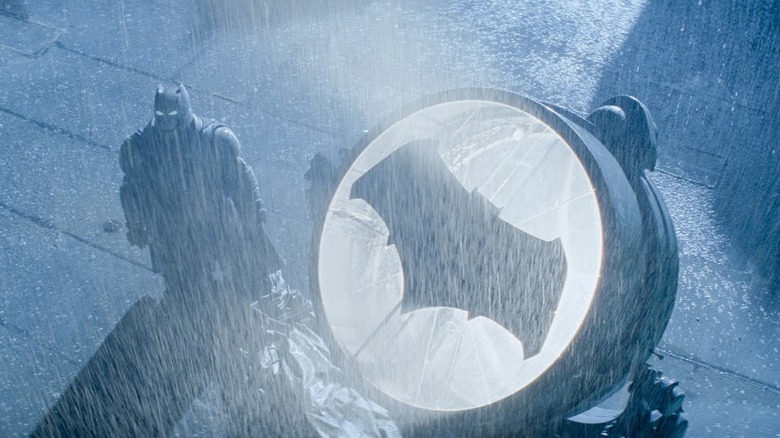
The subsequent pivot to Matt Reeves’ The Batman—a standalone, grounded mystery—was a critical and commercial success, proving that audiences were hungry for a different kind of Gotham. However, for many, the loss of the "Affleck Batman" remains a sore spot. It represented a bridge between the high-fantasy, operatic style of the Snyder-era DC films and the grounded, character-driven dramas that characterize today’s best superhero efforts.
Ultimately, the story of The Batman is a cautionary tale about the volatility of franchise filmmaking. It highlights how quickly a project with massive potential can be derailed by changing leadership, studio panic, and the very human reality that even the most iconic roles can become a burden. While the film will likely never see the light of day, its legacy persists in the concept art, the interviews, and the enduring debate over what might have been the definitive portrayal of an aging Dark Knight.









No comments yet. Be the first to join the conversation!