
 Suro Senen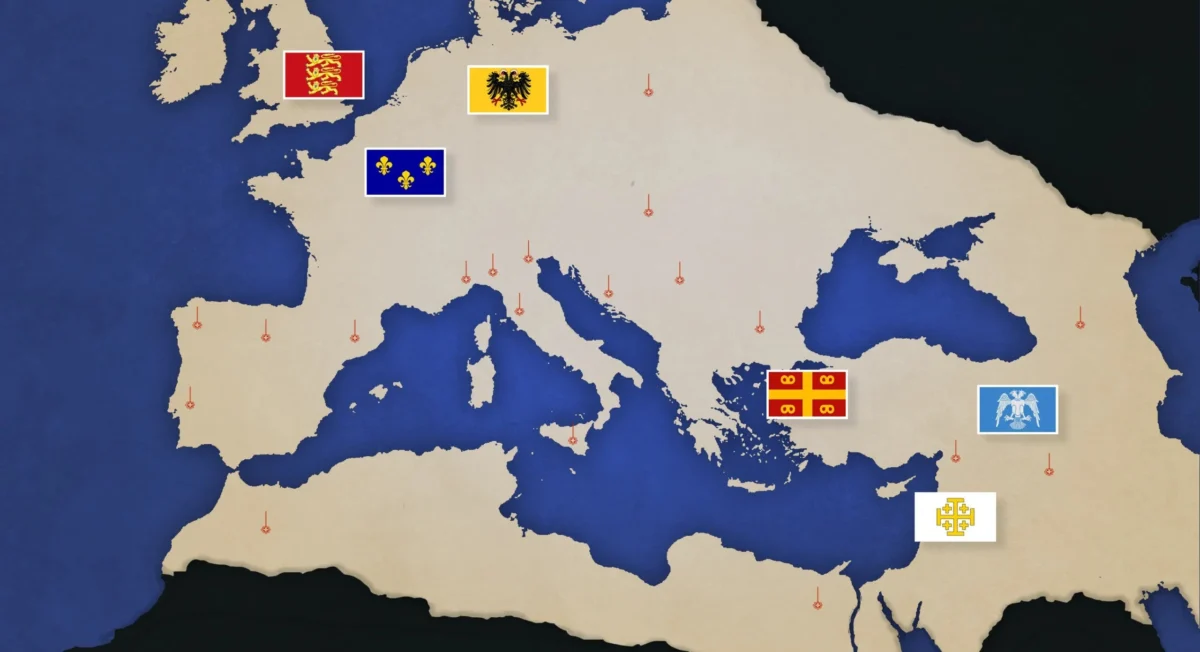
The strategy gaming community is currently abuzz as Creative Assembly, the powerhouse studio behind the Total War franchise, has officially pulled back the curtain on the initial playable factions for the highly anticipated Total War: Medieval 3. Following years of speculation and fervent community requests, the developers have confirmed the first six factions that will anchor the game’s launch.
In a departure from traditional development cycles, the studio has also invited its player base to participate in the selection process for additional factions, bridging the gap between developer vision and community desire. As the strategy world prepares for another foray into the Middle Ages, the implications for gameplay balance, historical representation, and the future of the franchise are profound.
The Foundations: Six Pillars of the Medieval World
Creative Assembly has selected a diverse initial group that represents the core power structures of the era. According to Creative Director Lief Walter, the selection process was governed by a strict set of criteria: brand familiarity, the uniqueness of starting positions, the variety of potential "endgame" narratives, and distinct mechanical gameplay styles.
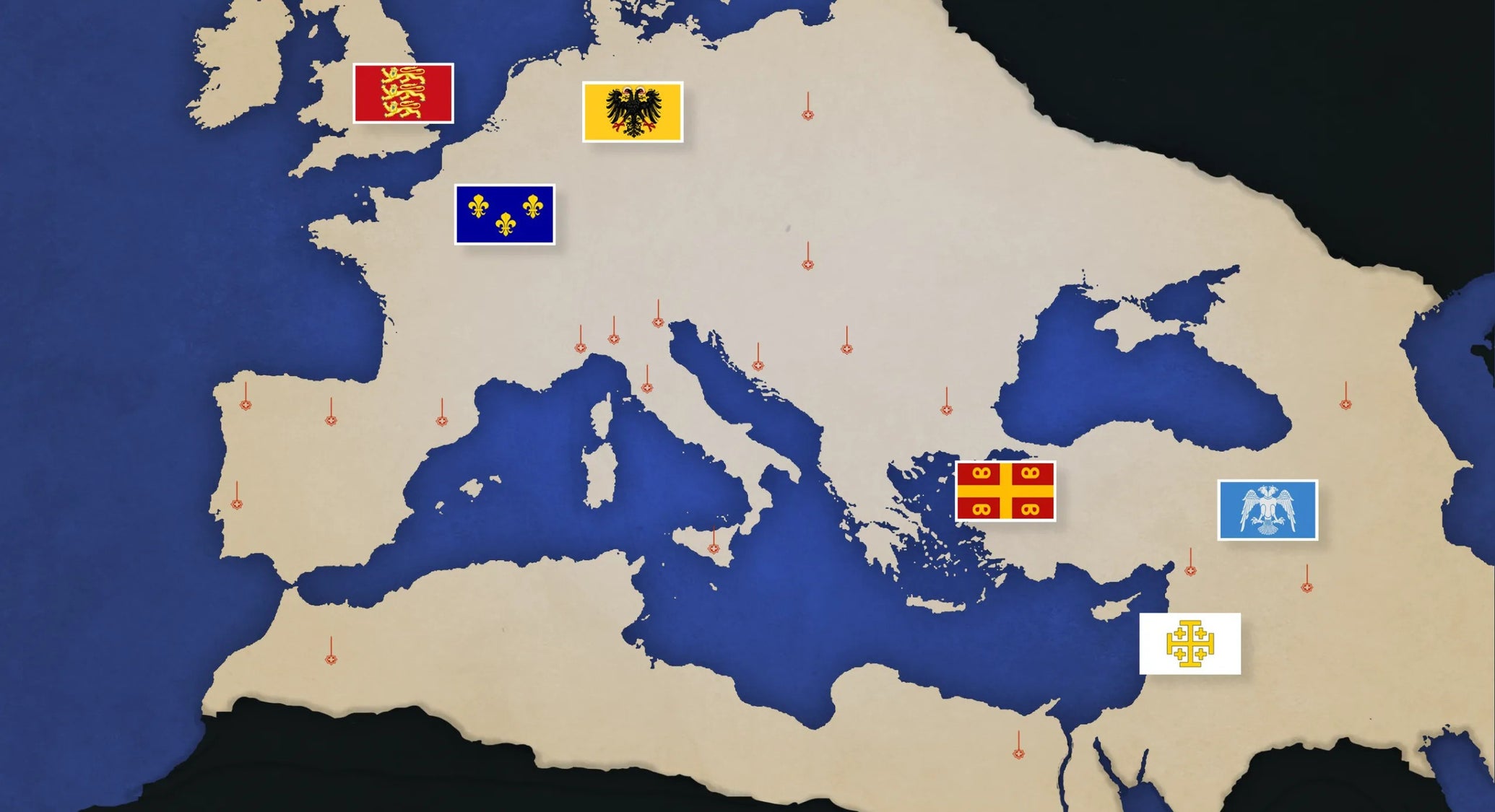
The six confirmed factions are:
- The Kingdom of England: A central force in Western European power politics, defining the era through its long-standing rivalry with France.
- The Kingdom of France: The quintessential feudal monarchy, serving as a primary antagonist and ally in the complex web of medieval alliances.
- The Holy Roman Empire: A sprawling, internal-conflict-ridden entity that represents the pinnacle of feudal complexity and political instability.
- The Byzantine Empire: A declining but sophisticated remnant of the Roman world, forced into a desperate struggle for survival against encroaching neighbors.
- The Sultanate of Rum: The nascent power that would eventually coalesce into the Ottoman Empire, representing the shifting tides of the Middle East.
- The Kingdom of Jerusalem: An iconic representation of the Crusader states, situated at the volatile intersection of religious and geopolitical ambition.
These factions are designed to provide a broad "historical baseline," ensuring that the game’s core conflict mirrors the "period celebrities" that defined the era.
A Chronological Perspective: Defining the Map and Scope
The geographic scope of Total War: Medieval 3 is slated to mirror its spiritual predecessor, Medieval 2: Total War. The map will span from the rugged terrain of Iberia in the west to the bustling trade centers of Baghdad in the east, and from the harsh northern reaches of Scandinavia to the sun-drenched coasts of North Africa.
The timeframe for this iteration is centered on the period starting from 1140 AD. This specific window allows the developers to focus on the height of the Crusades, the maturation of European feudalism, and the rise of significant Islamic dynasties. By anchoring the campaign in this era, Creative Assembly aims to leverage the historical significance of these regions while providing players with a sandbox that is both familiar and ripe for systemic exploration.
The "Papal" Dilemma: Why the Vatican Sits This One Out
One of the most surprising takeaways from the announcement is the explicit exclusion of the Papal States as a playable faction at launch. Despite the Vatican’s immense influence on medieval history and the Total War series’ tradition of featuring the Pope, Creative Assembly has deemed it a non-starter.
"We are very aware of the general desire to play as the Papal States," Walter noted in the studio’s official blog post. "However, we discussed internally that this playstyle would be so unique and special that it would reduce the focus of development too much."
This admission suggests that the mechanics required to accurately simulate the Papacy—likely involving complex religious diplomacy, the management of excommunication, and the ability to call Crusades—would necessitate a bespoke game loop that might cannibalize development resources from the broader, military-focused faction roster. While the Papacy will undoubtedly exist as a potent, AI-driven entity within the game world, players will not be permitted to command the Holy See directly, at least not at launch.
Community Participation: The Digital Tiltyard
Recognizing that the "optimal" way to choose factions would be a grand tournament of jousting and intrigue—a feat unfortunately prohibited by modern HR policies—Creative Assembly has turned to the next best thing: a community poll.
Players are currently invited to vote on a shortlist of 23 additional potential factions. This list covers a wide spectrum of the medieval world, including:
- The Italian City-States: Centers of commerce and republican tradition that stand in stark contrast to imperial power.
- The Duchy of Greater Poland: A transitional kingdom bridging the divide between Christian, Cuman, and Orthodox cultural spheres.
- The Kingdom of Norway: An ambitious, rising northern power destined to shape the late medieval period.
- The Almohad Caliphate: A major North African dynasty with expansionist goals that will challenge existing Mediterranean powers.
This participatory approach is designed to guide the studio’s pre-production research. However, the developers have wisely reserved the right to exercise creative control, ensuring that any community-backed faction aligns with the game’s broader mechanical and technical pipelines.
Implications for Strategy Gaming
The release of Total War: Medieval 3 represents a significant turning point for Creative Assembly. The strategy genre has evolved considerably since the release of Medieval 2 in 2006. Players now demand deeper political, social, and economic layers alongside the franchise’s signature real-time tactical battles.
Mechanical Depth and Variety
The focus on "uniqueness in mechanics" suggests that the studio is moving away from the "reskinning" of units that occasionally plagued earlier titles. If the Byzantine Empire plays fundamentally differently from the Sultanate of Rum—not just in terms of unit stats, but in how they manage their state, handle succession, and interact with the game’s map—the result could be the most immersive Total War experience to date.
The Balancing Act
The inclusion of 23 candidate factions for the remaining slots creates a massive balancing challenge. By crowdsourcing interest, Creative Assembly is not only building a marketing feedback loop but also testing the waters for potential DLC or expansion packs. It is highly likely that many of the factions not selected for the base game will find their way into the title through post-launch content, providing a long-term roadmap for the game’s development.
Historical Authenticity vs. Player Agency
The tension between historical accuracy and the "sandbox" nature of the game remains the core challenge. While the studio is clearly committed to the "overall historical significance" of the starting nations, they must also ensure that the emergent gameplay—where the player steers the course of history—does not feel constrained by historical railroading. The inclusion of factions like the Kingdom of Jerusalem, which exists in a constant state of flux, suggests that the game will favor high-tension, high-stakes starts that allow for dramatic historical deviation.
Conclusion
As Creative Assembly enters the next phase of development for Total War: Medieval 3, the strategy community finds itself in a state of cautious optimism. By balancing "period celebrity" nations with a desire for regional variety, the studio is attempting to craft a game that honors the legacy of its predecessors while pushing the boundaries of what a medieval grand strategy title can achieve.
Whether the final product will successfully navigate the complexities of feudal intrigue, religious power struggles, and military conquest remains to be seen. However, one thing is certain: the stage is set for a campaign of epic proportions, and the players are being given the pen to help write the history of the coming Middle Ages. As the voting continues, the composition of the world map—and the ultimate fate of the factions involved—rests in the hands of the players, making Medieval 3 perhaps the most collaborative effort in the history of the Total War series.


 Asro
Asro
 Muslim





