By [Author Name], Gaming Correspondent
Published June 28, 2026
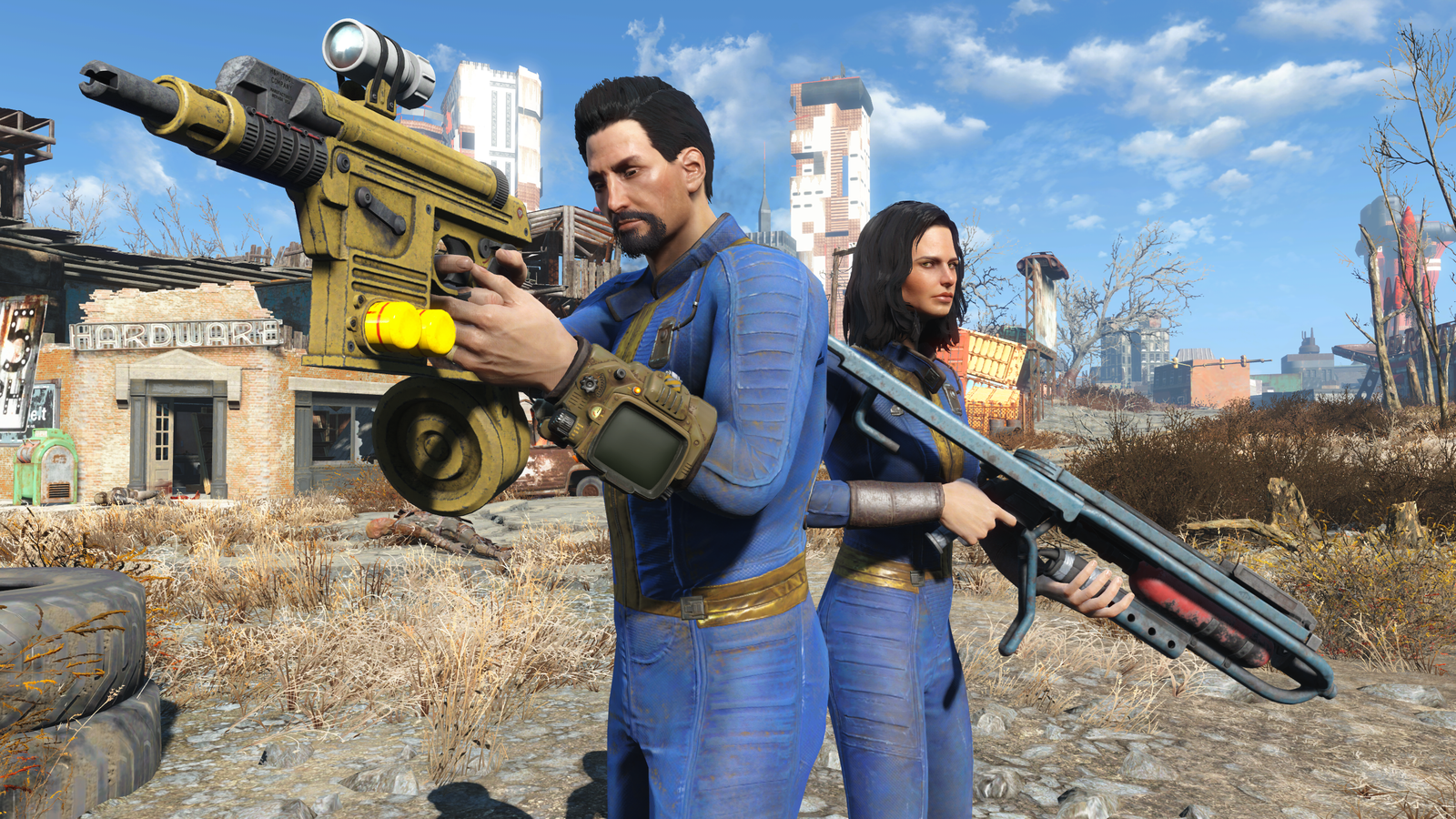
Even years after its initial release, Bethesda Game Studios’ Fallout 4 remains a pillar of the open-world RPG genre. While the game faced its share of criticism regarding its dialogue wheel and role-playing depth, its success in building a living, breathing, and often brutal post-apocalyptic Boston is undeniable. For millions of players, the cycle of exploring the Commonwealth, engaging with its myriad factions, and indulging in the complex mechanics of settlement building has provided endless hours of escapism.
However, Fallout 4 is not merely a playground of lasers and power armor. It is a narrative experience that frequently hides profound, melancholic truths beneath its surface-level action. Many players find that the true emotional weight of the game’s quests only becomes apparent upon a second playthrough. When the element of surprise is stripped away, replaced by the crushing weight of context and foresight, what once seemed like a standard "fetch quest" or a simple mission often transforms into a sobering commentary on loss, morality, and the cyclical nature of human tragedy.

The Evolution of Perspective: A Chronology of Regret
In the initial run-through of Fallout 4, players are often driven by the primary motivator: finding Shaun. This urgency forces a tunnel-vision approach to many side quests. However, on subsequent journeys through the Commonwealth, the player—now armed with knowledge of the Institute’s reach, the synths’ plight, and the inevitable decay of the world—views these quests through a different lens.
10. Kid in a Fridge: The Loneliness of Eternity
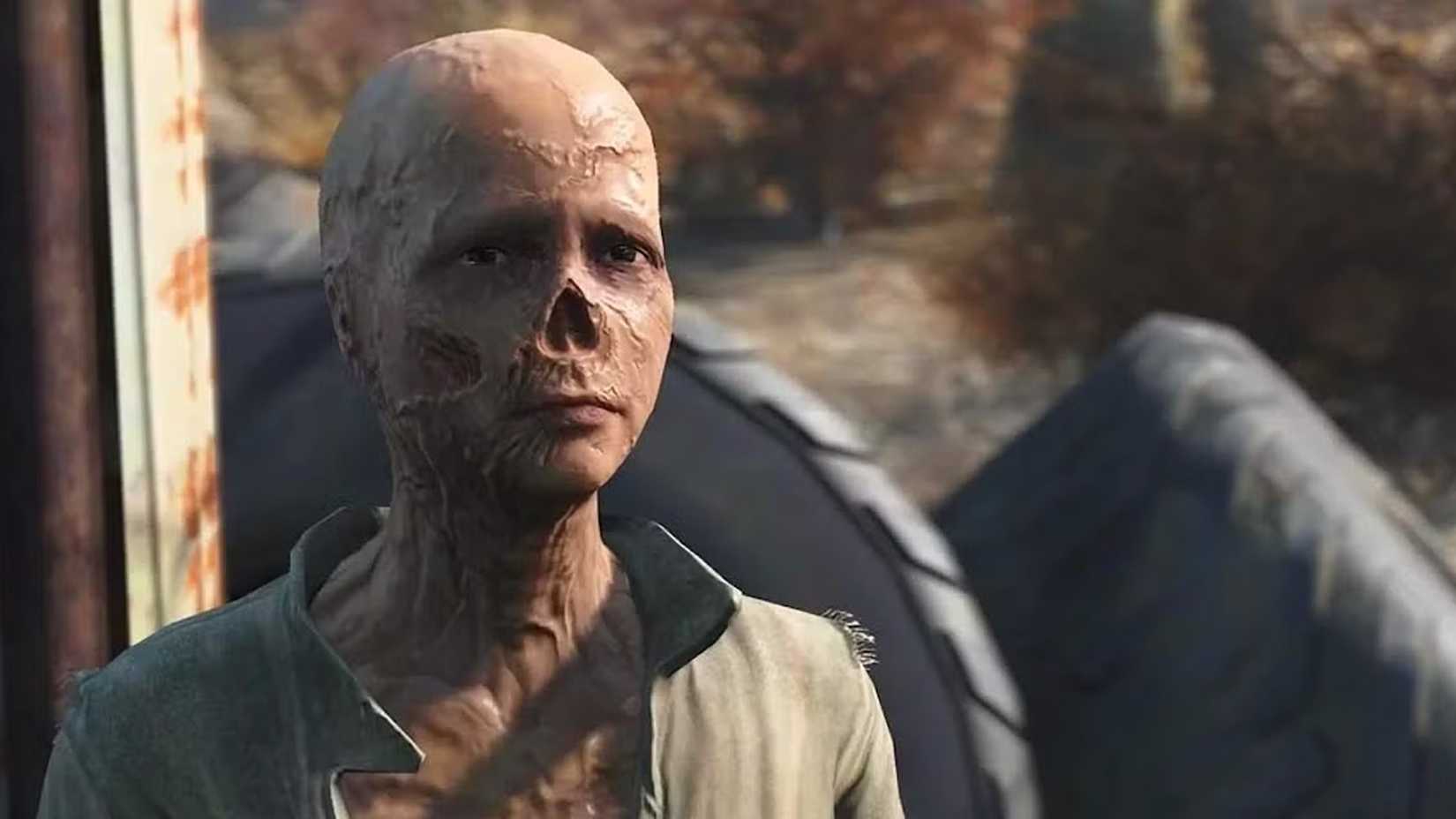
The "Kid in a Fridge" quest is frequently cited as one of the most absurd moments in the game. You discover Billy, a ghoul child trapped inside a refrigerator for over two centuries. The initial encounter feels like a comedic, trope-heavy homage to classic post-apocalyptic fiction. Yet, reflection reveals a harrowing reality. Two hundred years of absolute isolation, in the dark, without food or human contact, is a fate arguably worse than death. The absurdity of his survival does not negate the psychological horror of his experience. When a player realizes that, upon rescue, they have the option to sell this traumatized child into slavery with the Gunners, the quest shifts from a quirky encounter to a dark test of the player’s morality.

9. Restoring Order: Good Intentions, Tragic Outcomes
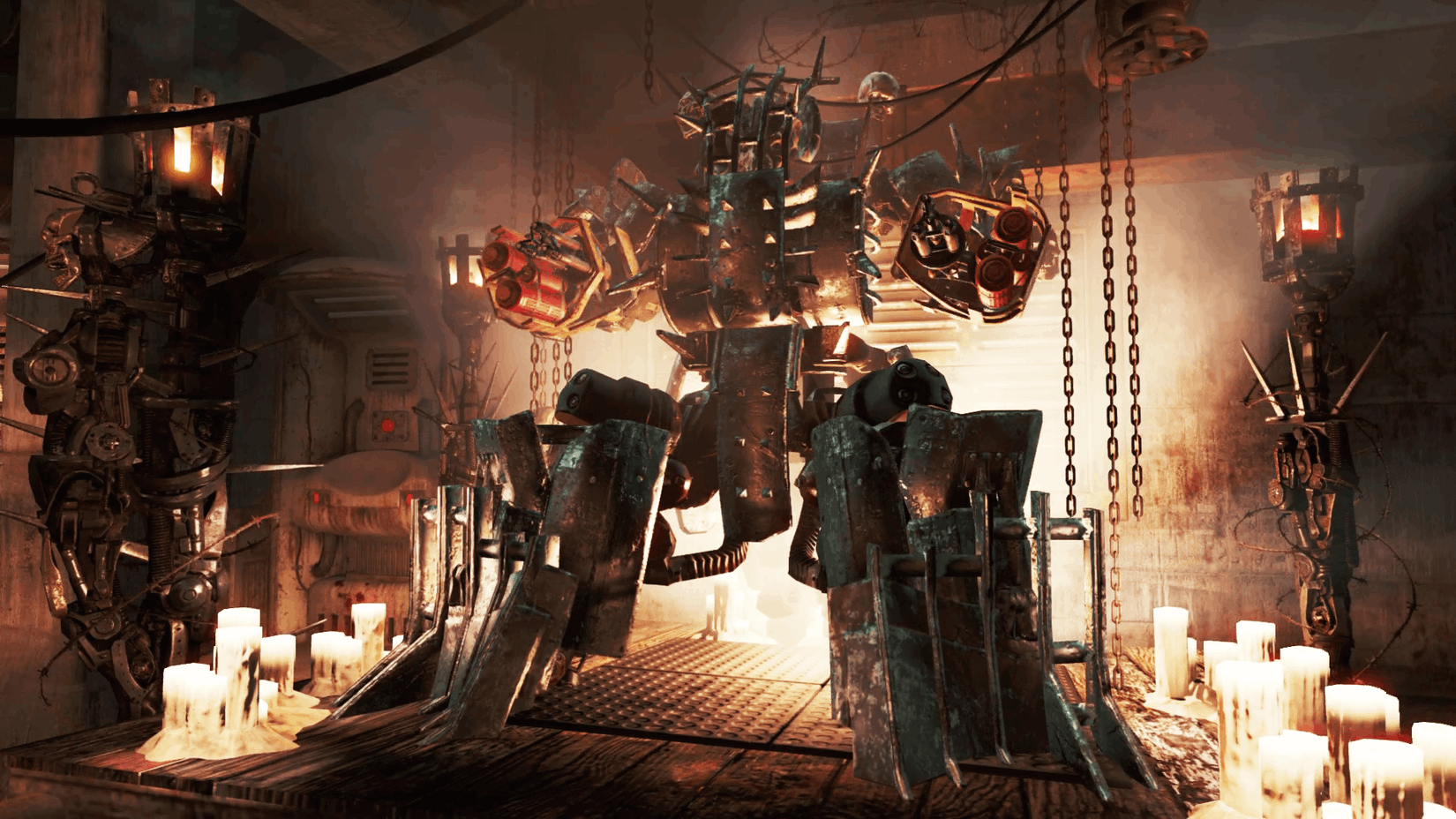
The Automatron DLC introduced the Mechanist, a character who initially appears as a classic comic-book villain. The questline, characterized by its pulp-science aesthetic, encourages the player to dismantle the Mechanist’s robot army. On a second playthrough, the reveal that the Mechanist was a well-intentioned individual striving to protect the Commonwealth—only to have her automated security protocols malfunction with catastrophic results—adds a layer of tragedy. It is a story not of malice, but of the tragic consequences of technological hubris.
8. Close to Home: The Crisis of Identity
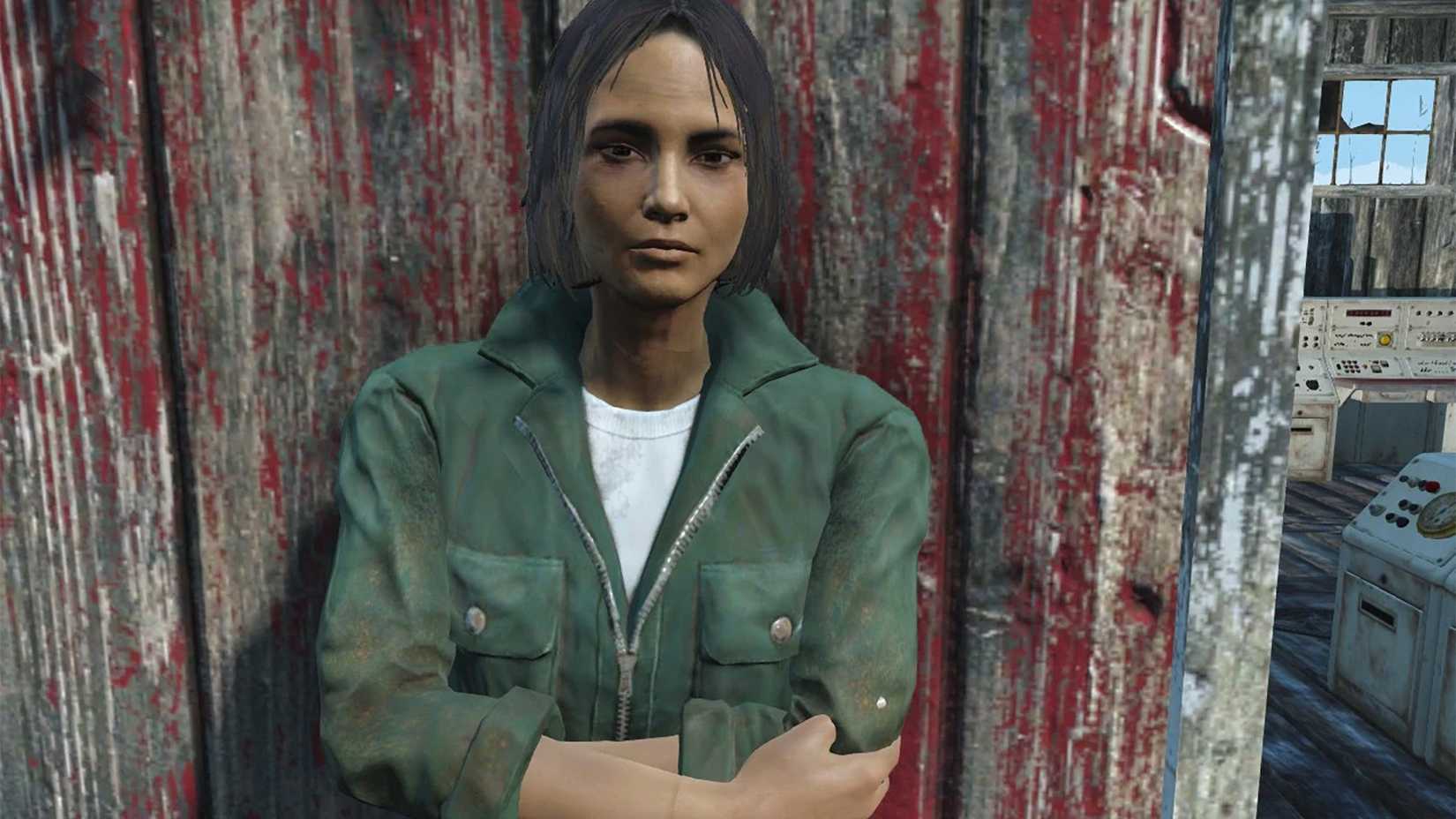
Kasumi Nakano’s journey in the Far Harbor expansion is fundamentally a story about existential dread. Whether Kasumi is a synth or a human is, in many ways, irrelevant to the emotional toll the mystery takes on her family. On a second playthrough, the player realizes that the truth is intentionally kept ambiguous, underscoring that her struggle is universal: the desire to define oneself in a world that refuses to provide clear answers.
The Pre-War Illusion and the Weight of History
The narrative architecture of Fallout 4 relies heavily on the stark contrast between the Pre-War world and the harsh reality of the Commonwealth. This is best exemplified in the game’s opening.
7. War Never Changes: The Bitter Taste of Bliss
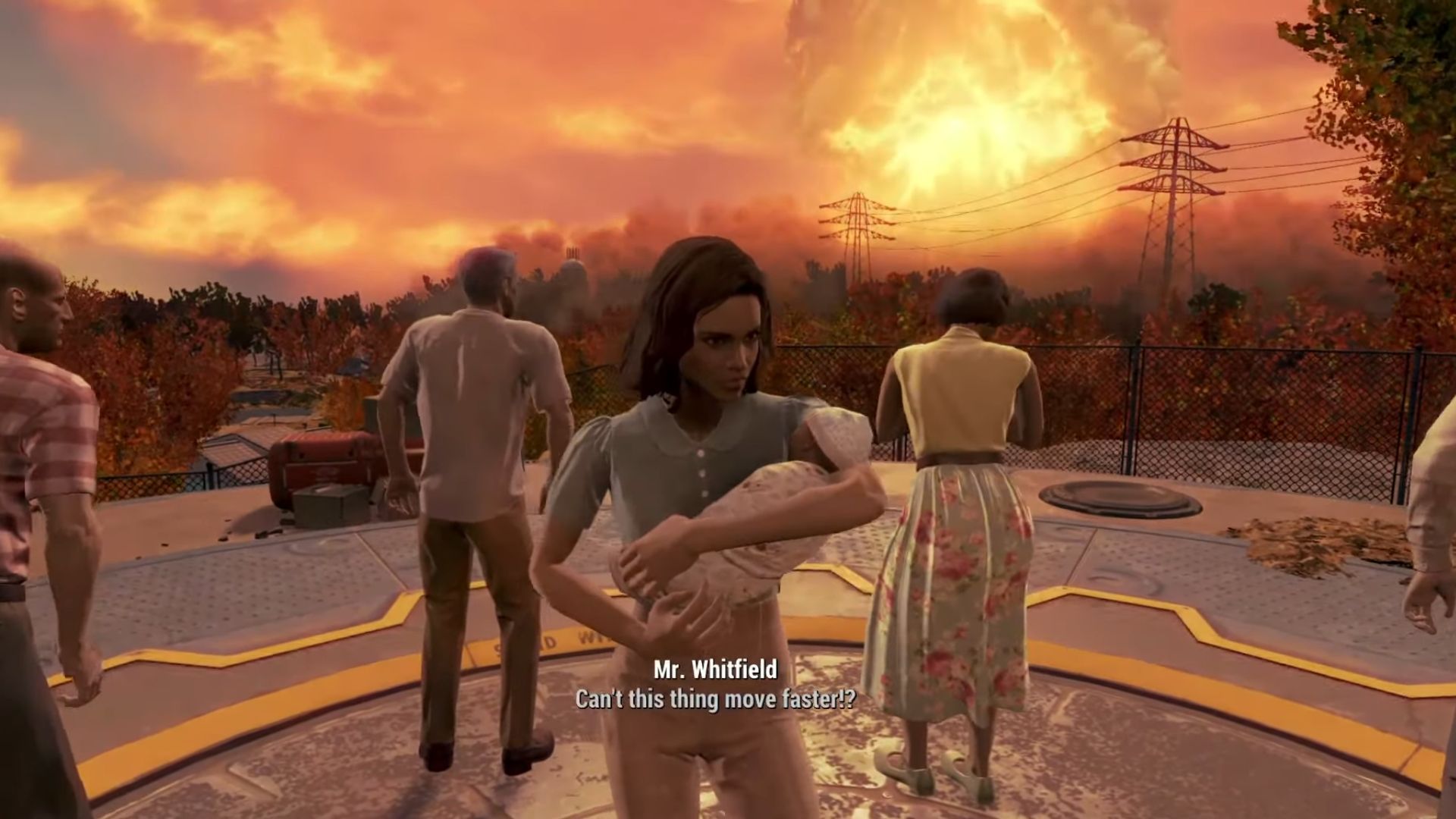
The prologue, "War Never Changes," is a masterclass in emotional manipulation. By showing the Sole Survivor in their domestic prime—flirting with Nora, playing with baby Shaun, and enjoying the service of Codsworth—Bethesda establishes a baseline of "normalcy" that is shattered by the falling bombs. During a repeat playthrough, this scene is no longer a tutorial; it is a eulogy. Every interaction in that house is heavy with the knowledge of the coming apocalypse, turning the "good old days" into a haunting precursor to the loss that will define the rest of the game.
6. The Way Life Should Be: The Unreliable Memory
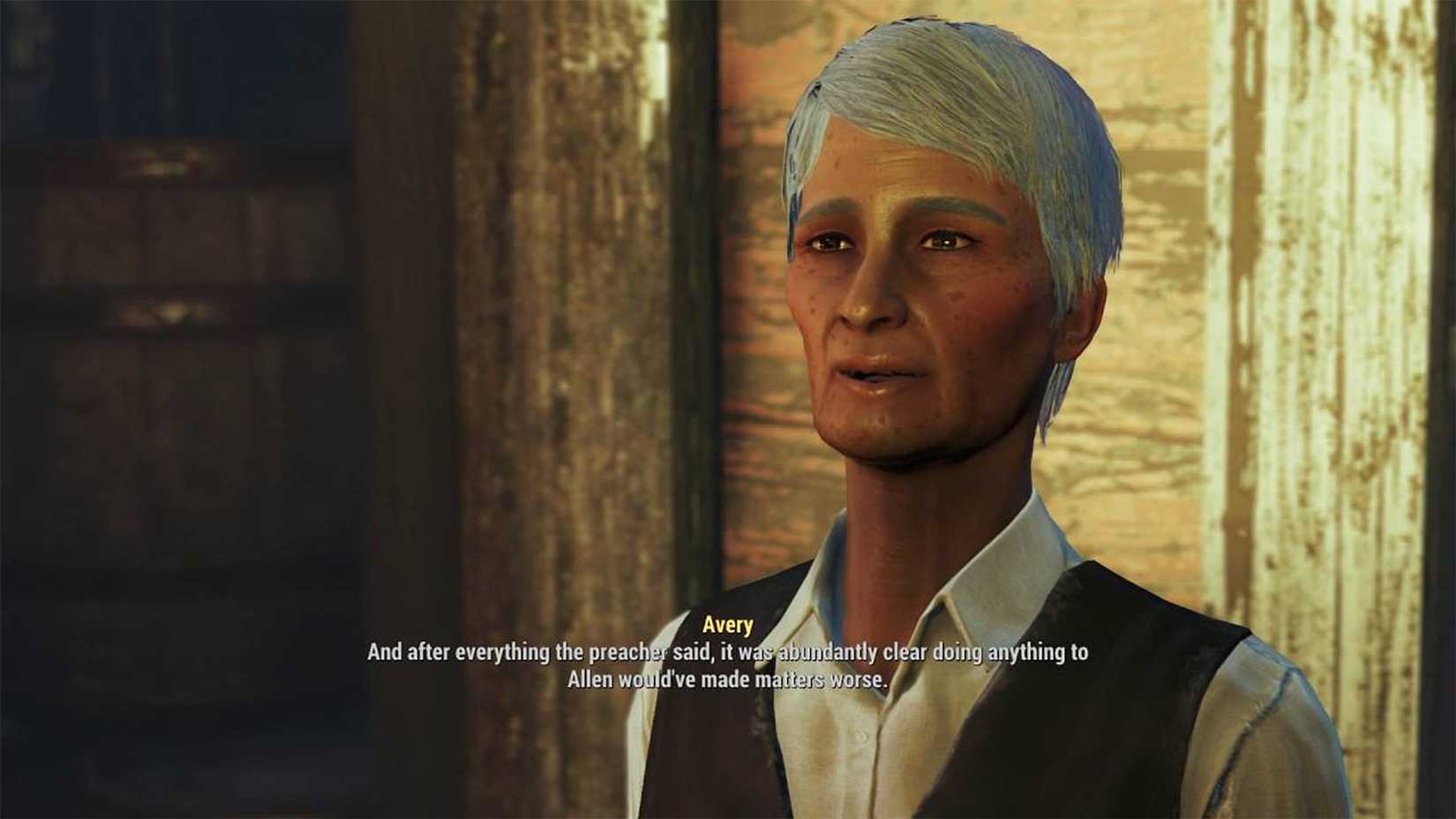
Captain Avery’s arc in Far Harbor serves as a grim reminder of how deep the Institute’s influence runs. Discovering that she is a synth, and that her memories were synthetic constructs, is a gut-punch that recontextualizes every interaction on the island. It forces the player to confront the fragility of identity and the cold, clinical nature of DiMA’s pursuit of peace.
5. Brain Dead: Stagnation and Madness
The "Brain Dead" quest, while seemingly a zany murder mystery involving robots with human brains, is actually a commentary on the curse of immortality. The characters are trapped in a cycle of paranoia, unable to evolve or move past the conflicts of the Pre-War era. It is a microcosm of the Fallout universe: humans (and their mechanical proxies) so obsessed with the past that they are incapable of building a future.
Implications of Choice and the Moral Grey
As the player delves deeper into the faction-based politics of the Commonwealth, the "right" choice becomes increasingly difficult to identify.
4. Blind Betrayal: The Fall of an Icon
Paladin Danse’s narrative is perhaps the most tragic character arc in the base game. A man who built his entire identity on the extermination of the very thing he discovers he is, Danse’s story is a cruel irony. On a second playthrough, the player watches his dedication to the Brotherhood of Steel with a sense of impending doom, knowing that his unwavering loyalty to an ideology will ultimately result in his abandonment by the only family he has ever known.
3. Reunions: The Humanity of the Antagonist
"Reunions," the quest involving the confrontation with Kellogg, is entirely different for the veteran player. The first time, the player is driven by the righteous anger of a parent. The second time, the player has already seen the memories of Kellogg’s life—his own tragic upbringing and his descent into violence. The anger dissipates, replaced by a weary understanding of how the cycle of trauma perpetuates itself in the wasteland.
2. Best Left Forgotten: The Price of Peace
DiMA’s secrets in Far Harbor reveal that his vision of a peaceful island was built upon a foundation of atrocities. When the player uncovers these memories, they are not just finding evidence; they are deciding whether the ends justify the means. The realization that peace in the Fallout world is often just a managed state of conflict is a recurring, somber theme.
1. Institutionalized: The Ultimate Betrayal
Finally, "Institutionalized" remains the most poignant quest in the game. Meeting the aged Shaun—the son you spent the entire game searching for—only to find him as the cold, calculating leader of the organization that ruined the world, is the ultimate emotional pivot. On a second playthrough, there is no hope of a happy reunion. There is only the recognition of a man who has lost his humanity, serving as a bleak reflection of the world he seeks to "save."
Conclusion: Why We Return
The enduring popularity of Fallout 4 is not solely due to its combat or its crafting. It is due to the richness of its narrative tapestry, which invites the player to return and reconsider the moral weight of their actions. These quests are not just sequences of gameplay; they are mirrors held up to the player.
As we look back at the Commonwealth, we see that while the landscape is defined by nuclear fire, the stories are defined by the persistent, fragile, and often tragic nature of human experience. Fallout 4 does not provide easy answers because, in the world of the wasteland, such things do not exist. It only provides the opportunity to witness, over and over again, the profound sadness of what was lost and the heavy price of trying to build something new from the ashes.