Sagoh
Sagoh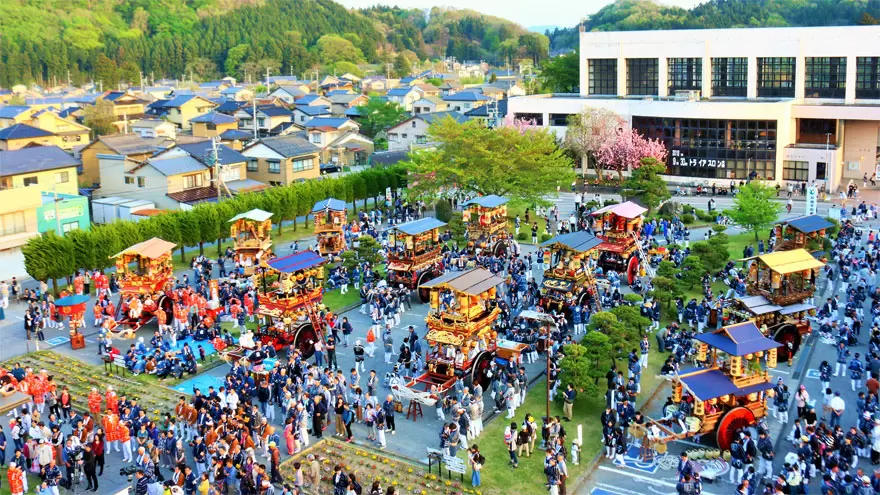
As the summer sun settles over the coastal landscape of Niigata Prefecture, the historic town of Murakami prepares for its most significant cultural event. The Murakami Grand Festival, a vibrant display of tradition, history, and community spirit, returns this July with renewed global prestige. Following its prestigious inscription onto the UNESCO Intangible Cultural Heritage list in December 2025 under the category of "Mountain, Float, and Procession Festivals," the 2026 iteration promises to be a landmark occasion in the city’s long and storied history.
The Historic Significance of the Murakami Grand Festival
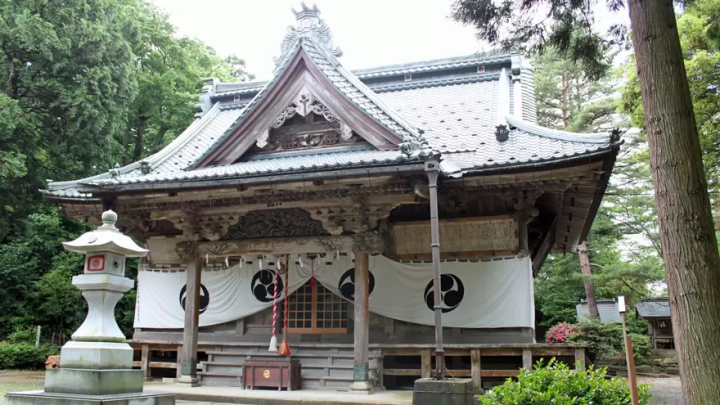
The Murakami Grand Festival is more than a mere parade; it is a profound "traveling ritual" centered on the Nishina-mi Haguro Shrine. Its origins are deeply intertwined with the power dynamics of the Edo period. In 1633, Hori Naoyori, the lord of the Murakami domain, decreed that it was an affront to the divine for the shrine to be overlooked by the looming silhouette of the Murakami Castle. Consequently, the shrine was relocated to its current, more auspicious position.

To mark this momentous relocation, the townspeople of the era organized a celebratory procession, adorning carts with drums and parading through the streets. This spontaneous act of devotion evolved into the structured, magnificent festival known today. While originally aligned with the lunar calendar, the festival now observes the Gregorian schedule, with the main festivities taking place on July 7th, preceded by an atmospheric eve on July 6th.
A Living Museum of Craftsmanship
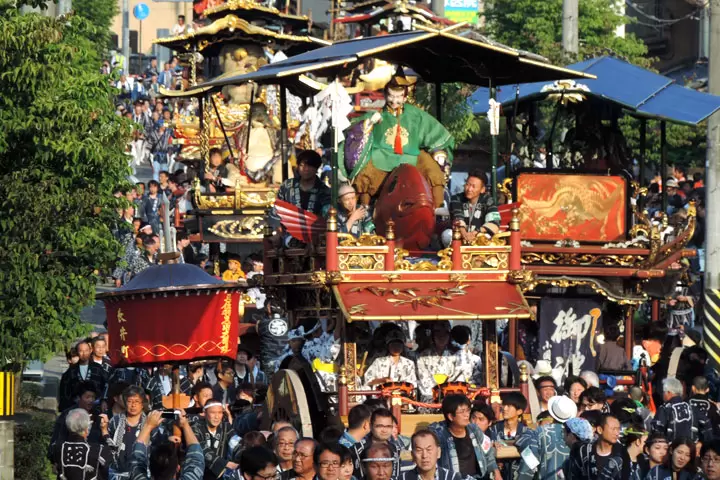
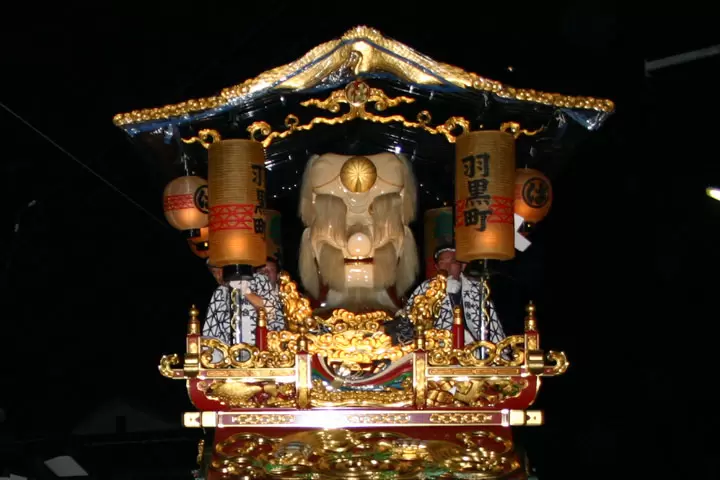
The centerpiece of the festival is the oshagiri—the nineteen elaborate floats that represent the various neighborhoods of Murakami. These structures are masterclasses in traditional Japanese artistry. Each float is adorned with exquisite wood carvings, delicate gold leaf applications, and high-gloss lacquerware. Beyond their visual splendor, the floats serve as mobile stages for local children, who provide the rhythmic heartbeat of the festival through the performance of traditional flute, gong, and drum music.
Chronology of the 2026 Celebration
This year, the festival schedule has been expanded to honor its UNESCO status. Visitors should note that while the core tradition remains, the 2026 calendar includes specific commemorative events.
July 5th: The Commemorative Prelude
In recognition of the UNESCO inscription, a special gathering will take place at the Murakami City Hall parking lot from 15:30 to 16:30. This event serves as a formal public celebration, allowing all nineteen floats to assemble in one location for a unified display of local pride before the traditional rites commence.
July 6th: The Eve of the Festival
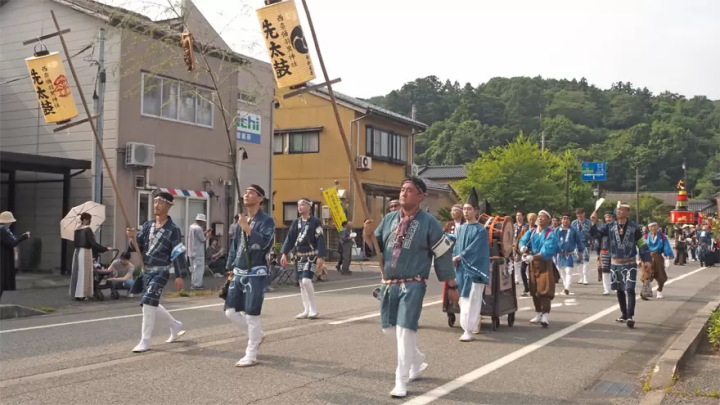
The afternoon of July 6th is dedicated to the final preparations. Known as the "testing" phase, each neighborhood parades its floats through its local streets. This is an excellent opportunity for photographers to capture the floats against the backdrop of Murakami’s preserved traditional townhouses, known as machiya.
July 7th: The Main Festival
The day of the main festival is a tightly choreographed sequence of spiritual and cultural performances:
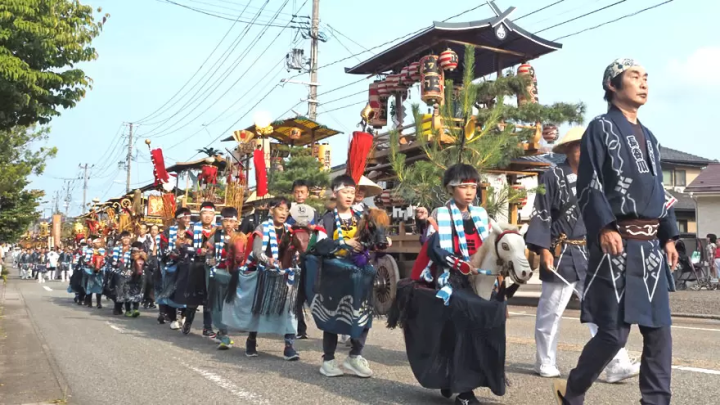
- 02:30 – 03:30 (Komachi Slope): The daring ascent of the Kubota-machi float up the Komachi Slope, a test of both strength and skill.
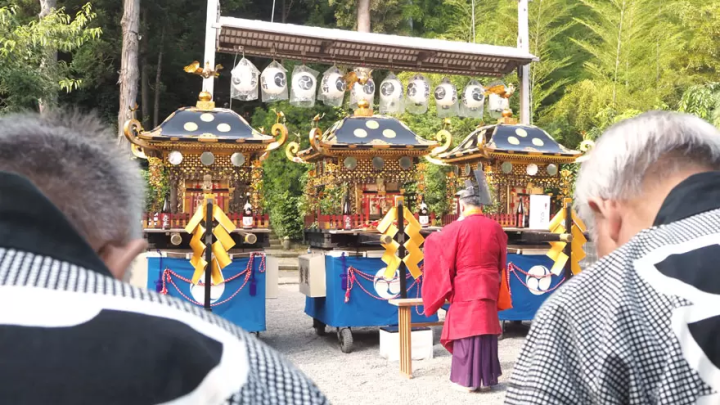
- 06:00 – 08:00 (Shrine Departure): The nineteen floats gather at the Nishina-mi Haguro Shrine, where the divine spirits are transferred to three portable shrines.
- 08:30 – 11:00 (Grand Procession): The formal parade moves through the city center, including Haguro-cho, Nagai-cho, Kami-machi, O-machi, and Ko-machi.
- 18:30 – 20:30 (Climax): As night falls, the lanterns illuminating the floats are lit, transforming the procession into a glowing, ethereal spectacle.
Supporting Data and Cultural Impact
The Murakami Grand Festival is officially recognized as one of Niigata’s "Takamachi" (Three Major Festivals), a designation that reflects its importance to the regional identity. The 2018 designation of the float procession as a "National Important Intangible Folk Cultural Property" laid the groundwork for the 2025 UNESCO recognition.
The cultural narrative is further bolstered by the involvement of the sendatsu—the leaders of the procession—who guide the fourteen horses and the contingent of children. This procession is not merely ceremonial; it is a historical reenactment of the 1587 return of Honjo Shigenaga, the lord who brought a divided spirit from Mount Haguro in Yamagata. The sight of local elementary students dressed in traditional samurai-era costumes provides a poignant link between the youth of today and the warriors of the past.
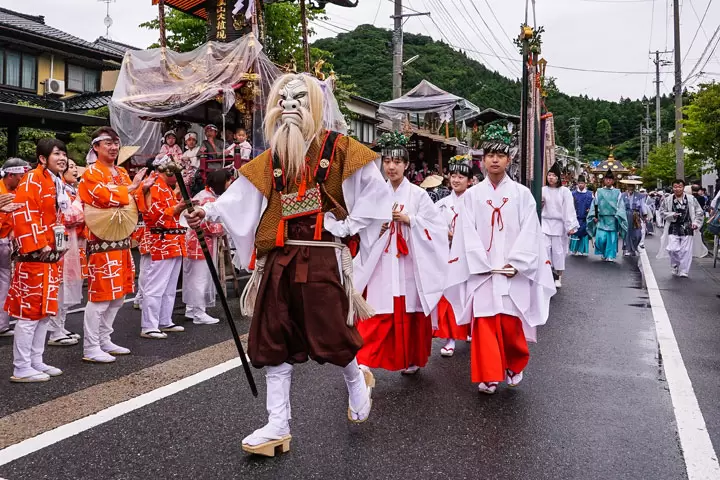
Official Responses and Implications
The inclusion of the festival in the UNESCO Intangible Cultural Heritage list is viewed by local authorities as a vital tool for rural revitalization. By elevating the festival to a global platform, the city aims to ensure the survival of traditional crafts—such as lacquerware and wood carving—by creating a sustainable demand for the skills required to maintain the floats.
"The UNESCO designation is not an end goal, but a responsibility," says a spokesperson for the local tourism board. "It ensures that the knowledge of how to build, maintain, and operate these floats is passed down to the next generation with the seriousness and pride that our ancestors intended."
The implication for the visitor economy is significant. With increased international attention, the city is upgrading its logistics, including the "Senami Onsen Direct Liner" from Niigata Airport, to handle the influx of cultural tourists.
Beyond the Festival: The Murakami Experience
Visitors planning to attend the festival are encouraged to explore the broader offerings of Murakami City.
Culinary Delights
No visit to the region is complete without sampling the local cuisine. Murakami is renowned for its processed salmon—an industry that has existed for centuries. During the festival, the streets are lined with stalls, and visitors should specifically seek out Poppo-yaki (or Joki-pan). This steamed bread, infused with the rich sweetness of brown sugar, offers a chewy, comforting texture perfect for festival-goers.
For those seeking a full meal, the "Murakami Donburi Battle," running through September 30th, highlights the town’s culinary versatility, featuring Murakami beef and the freshest seasonal seafood. Furthermore, the "Wild Rock Oysters," in season through mid-August, offer a taste of the Sea of Japan that is unparalleled in quality.
Souvenirs and Crafts
Murakami’s heritage extends into its artisanal sector. The town is famous for its elegant lacquerware and intricate wood carvings. Travelers looking for meaningful mementos will find everything from functional, high-quality chopsticks to ornate accessories that embody the refined aesthetic of the region.
Practical Advice for Travelers
The weather in Murakami during early July can be volatile. While days are often bright and humid—necessitating sun protection such as hats or parasols—the evening hours can see temperatures drop, particularly during the early morning ritual hours. A light jacket or scarf is highly recommended. Given the high probability of summer rain, travelers should be prepared with compact rain gear.

Logistics and Access
Reaching Murakami is a journey through the heart of northern Niigata.
- From Tokyo: The most efficient route is the Joetsu Shinkansen to Niigata Station (approx. 2 hours), followed by a transfer to the Uetsu Main Line. The Limited Express Inaho reaches Murakami Station in approximately one hour, while local trains take about 90 minutes.
- From Osaka/Nagoya: Direct flights to Niigata Airport are available, followed by a limousine bus or the pre-booked "Senami Onsen Direct Liner" for a more direct connection to the festival area.
Once in the city, the distance from the station to the Nishina-mi Haguro Shrine is a manageable 2-kilometer walk. For those looking to traverse the town with ease, rental bicycles are available, providing a scenic way to navigate the historic streets between festival events.

As the 2026 festival approaches, the sense of anticipation in Murakami is palpable. The combination of ancient ritual, world-class craftsmanship, and the warmth of the local community makes this not just a festival, but an immersive cultural pilgrimage. Whether you are a student of history, a lover of traditional arts, or simply a traveler in search of the authentic heart of Japan, the Murakami Grand Festival stands as a testament to the enduring power of community and heritage.


 Neng Nana
 Asro
Asro