Forty-five years after Sam Raimi first dragged audiences into a secluded cabin in the woods, the Evil Dead franchise remains a testament to the enduring power of low-budget, high-concept horror. With the release of the sixth installment, Evil Dead Burn, the series has once again proven its resilience. While the film’s opening weekend figures—$13.7 million domestically and $27 million globally—may not set industry records, they represent a calculated victory for Warner Bros. and a reaffirmation of a strategy that has kept this legendary franchise alive since 1979.
The State of the Franchise: Main Facts and Opening Performance
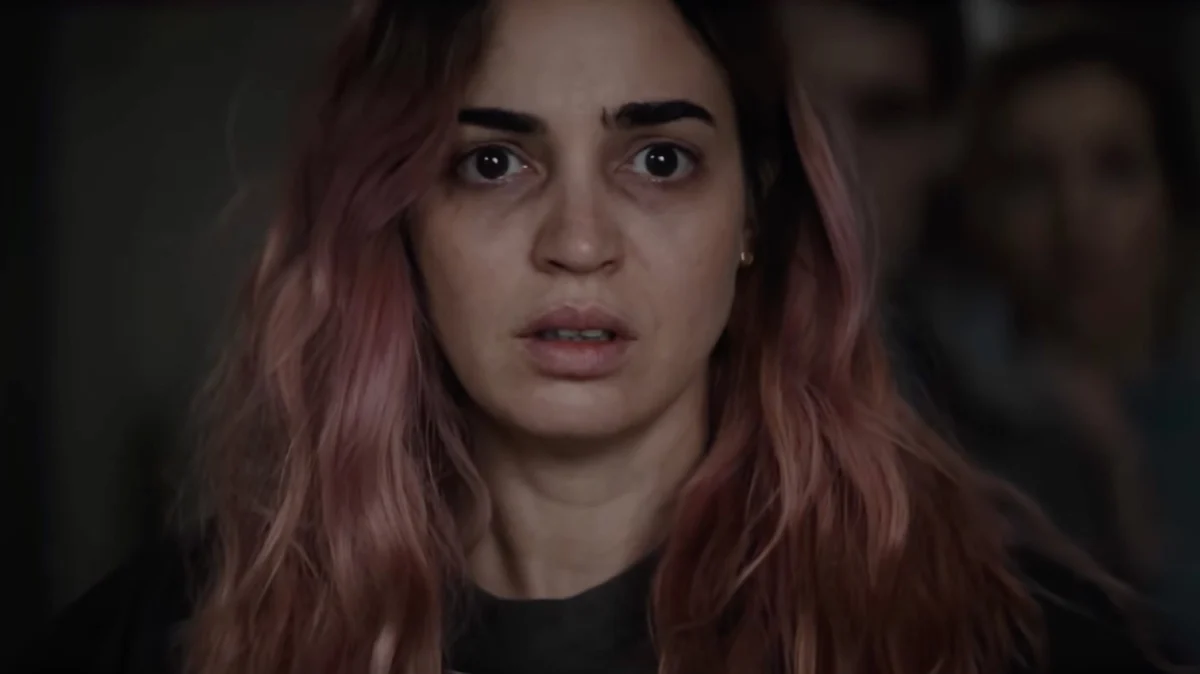
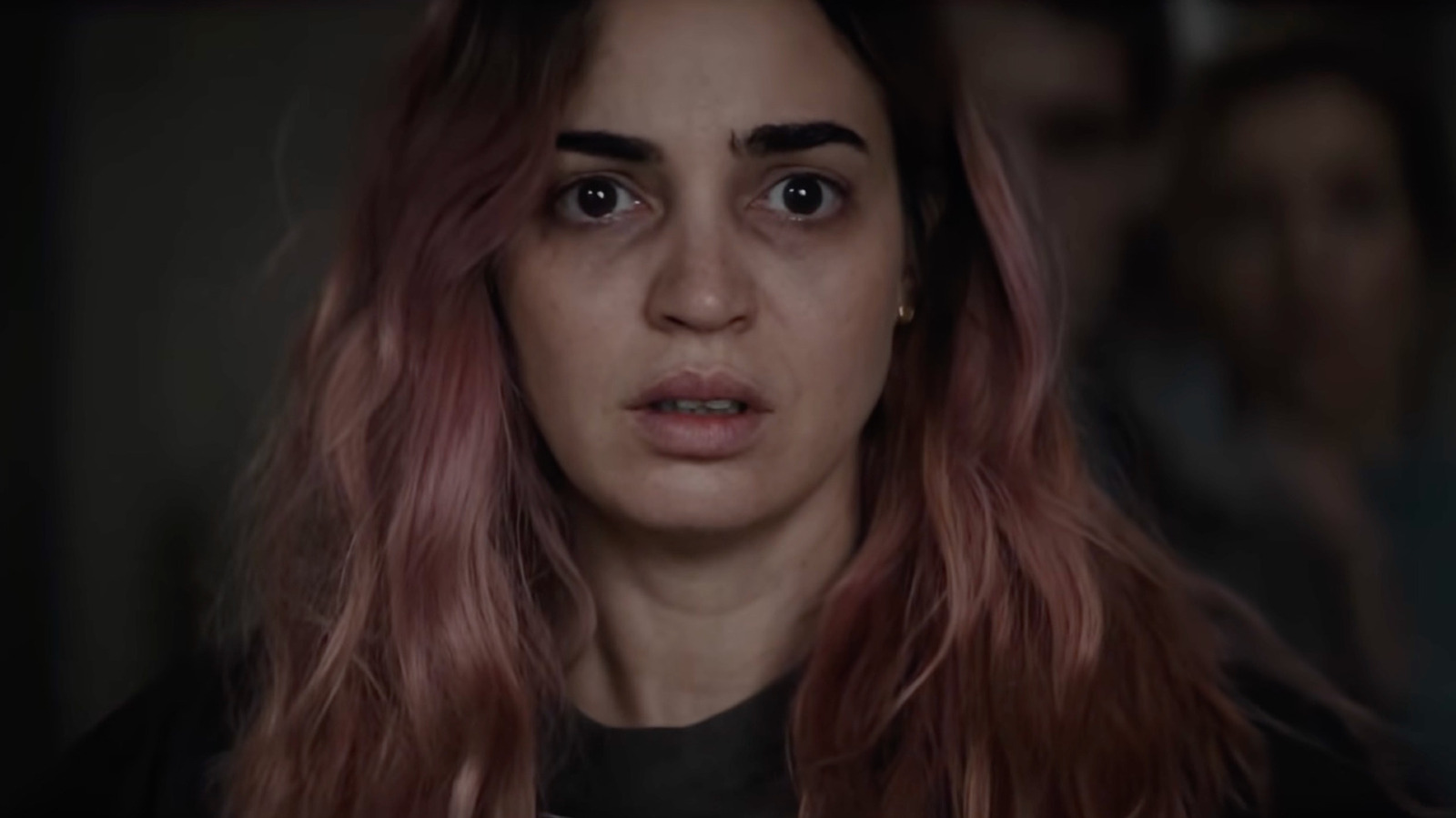
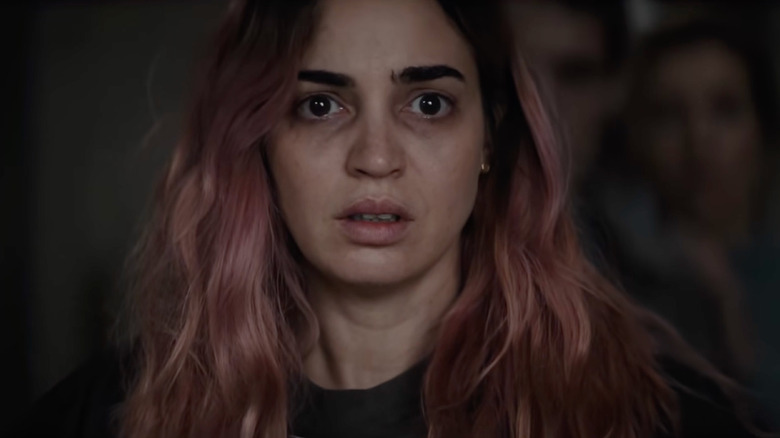
Directed by Sébastien Vanicek—the filmmaker behind the acclaimed killer-spider creature feature Infested—Evil Dead Burn serves as the latest expansion of the Deadite mythos. The narrative follows Alice (played by Souheila Yacoub), who, following the sudden and tragic loss of her husband, attempts to find solace with her in-laws. What begins as a mourning process in a secluded family home quickly devolves into a nightmare of supernatural possession and carnage.
The film secured fourth place at the domestic box office during its opening frame. While the weekend was dominated by the $43 million debut of Disney’s Moana, Evil Dead Burn was never positioned to compete for the same demographic. Instead, it successfully captured the dedicated horror audience, proving that the R-rated, ultra-gory brand of Evil Dead still commands significant interest. With a production budget of only $20 million, the film’s $27 million global start provides a solid foundation for profitability, especially when factoring in the long-tail revenue generated by VOD, physical media, and international licensing.
A Historical Chronology: From ‘Stupid Title’ to Cinematic Staple
To understand the significance of Evil Dead Burn, one must look at the improbable history of the franchise. In the late 1970s, creator Sam Raimi famously doubted the commercial viability of his project, reportedly calling Evil Dead a "stupid, terrible title." Despite these initial reservations, the original 1981 film became a cult phenomenon, spawning a series of sequels and a remake that redefined the horror genre’s relationship with practical effects and slapstick gore.
The timeline of the franchise’s evolution is marked by strategic shifts:
- 1981: The original The Evil Dead launches the career of Sam Raimi and Bruce Campbell.
- 1987/1992: Evil Dead II and Army of Darkness lean into dark comedy and fantasy elements.
- 2013: The franchise receives a gritty, serious remake that modernizes the terror, signaling that the brand could succeed without its original protagonist, Ash Williams.
- 2023: Evil Dead Rise revitalizes the series after a decade-long hiatus, earning $147 million worldwide and setting a new benchmark for success.
- 2024/2025: Evil Dead Burn continues the momentum, proving the franchise can maintain a steady output of content without oversaturating the market.
Supporting Data: Comparative Analysis
A common critique of Evil Dead Burn is that it failed to reach the opening weekend highs of 2023’s Evil Dead Rise, which debuted to $24.5 million. However, industry analysts caution against direct comparisons. Rise benefited from a ten-year "pent-up demand" cycle following the 2013 remake. It was positioned as a major "event" horror movie, whereas Burn is a more contained, brutal entry that functions as a distinct chapter in an ongoing anthology.
When compared to other mid-budget horror successes, the trajectory of Burn looks promising. For example, the dark holiday thriller Violent Night opened to $13.4 million and went on to gross $76 million worldwide, eventually earning a sequel. If Evil Dead Burn exhibits similar "legs"—the ability to maintain consistent interest in subsequent weeks—it could easily mirror the performance of films like The Mummy (2017) or other mid-tier genre hits that comfortably cleared the $90 million mark.
The budgetary discipline is the secret weapon here. By keeping costs at $20 million, Warner Bros. avoids the "blockbuster trap," where a film must gross hundreds of millions simply to break even. This allows for creative risks, such as Vanicek’s unforgivingly visceral style, which may not appeal to the mass-market casual viewer but keeps the core fanbase invested and vocal.
Official Responses and Creative Vision
The creative team behind the franchise—including the core trio of Sam Raimi, Rob Tapert, and Bruce Campbell—has long prioritized the "quality control" of the series. By rotating directors and settings, they have ensured that the Evil Dead brand does not feel stagnant. Sébastien Vanicek’s involvement was a deliberate choice by the studio to bring in a director with a proven ability to handle tension and practical effects, as evidenced by his work on Infested.
While official statements from Warner Bros. have been measured, the studio’s commitment to the franchise is evident in their future planning. The announcement of Francis Galluppi’s Evil Dead Wrath, scheduled for 2028, indicates that the studio is already looking several years ahead. There is a clear mandate from the executive level: keep the budgets reasonable, maintain the R-rated intensity, and allow directors to bring their own unique, terrifying vision to the table.
Implications for the Future of Horror Franchises
The success of Evil Dead Burn holds several key implications for the horror genre:
1. The Death of the Over-Budgeted Horror Blockbuster
Franchises that attempt to scale up their budgets to compete with superhero films often face catastrophic failure. Evil Dead has avoided this by leaning into the claustrophobic, "less is more" aesthetic that made the original films classics. This proves that horror fans prefer intimacy and practical dread over bloated CGI spectacles.
2. The Power of the Anthology Model
Because the Evil Dead franchise is not strictly tied to one protagonist, it has infinite potential for renewal. As long as the "Book of the Dead" exists, there is a mechanism for fresh stories. This structural flexibility allows the series to evolve with changing cinematic trends while remaining recognizable.
3. Streaming and VOD Value
The modern box office is only half the battle. Evil Dead Burn is perfectly positioned to become a "long-tail" asset for streaming platforms. Horror movies are among the most re-watched content on services like Max or Netflix. By producing films that have a distinct identity and a dedicated fanbase, Warner Bros. is essentially building a library that will continue to attract subscribers for decades.
4. Quality as a Determining Factor
Perhaps the most significant takeaway is that the audience’s appetite for the Evil Dead universe is tied to the brand’s reputation for quality. Fans of the franchise have come to expect a certain level of craftsmanship. Even when an entry is "lesser" than a predecessor, as long as it respects the tone and the gore, the franchise survives.
Conclusion: The Necronomicon Stays Open
Evil Dead Burn may not be the highest-grossing film of the year, but it is a successful cog in a very well-oiled machine. It has reaffirmed that the Evil Dead brand is a reliable, profitable, and culturally significant entity in the horror landscape. As long as the producers continue to prioritize modest budgets and creative autonomy, there is no reason to believe the franchise will stop haunting theaters anytime soon.
With the post-credits scenes of Burn already teasing further expansions of the lore, and Evil Dead Wrath looming on the horizon for 2028, it is clear that the Deadites are not going anywhere. For horror enthusiasts, this is a rare win: a long-running series that has managed to avoid the pitfalls of aging poorly, proving instead that some monsters—and some franchises—only get more vicious with time.