

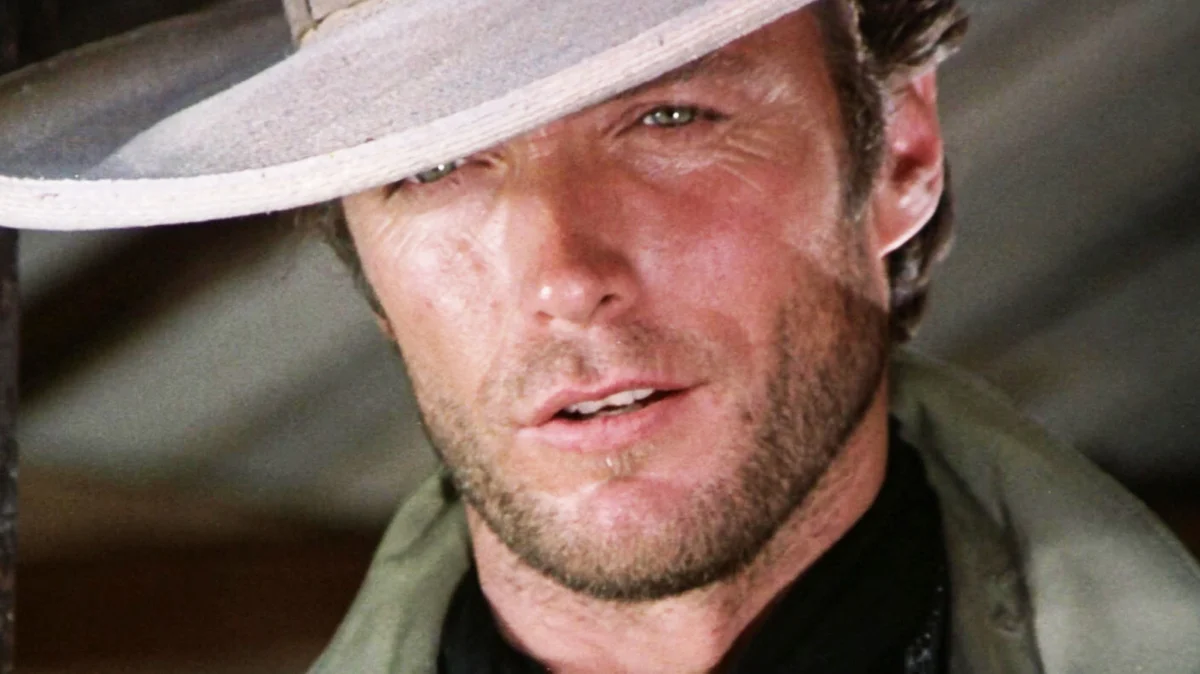
In the vast, sun-drenched annals of television history, few genres carry the cultural weight of the classic American Western. Programs like Gunsmoke and Bonanza defined the living rooms of mid-century America, but few shows possessed the wry, sub-genre-defying wit of Maverick. While the series is most famously remembered as the launchpad for James Garner’s illustrious career, it also serves as a fascinating footnote in the origin story of an icon: Clint Eastwood.
Long before he donned the poncho of the Man with No Name or directed Academy Award-winning epics, a 29-year-old Eastwood was a struggling actor navigating the precarious landscape of Hollywood. Just one month after his debut as Rowdy Yates on the CBS hit Rawhide, Eastwood secured what biographer Patrick McGilligan labeled his "most substantial guest appearance in a top series." That role was Red Hardigan in the Maverick episode "Duel at Sundown."
Main Facts: A Collision of Western Titans
The episode "Duel at Sundown," which aired on February 1, 1959, serves as a remarkable time capsule. At the time, the television industry was in the midst of a "Western craze." Networks were scrambling to fill prime-time slots with cowboys, sheriffs, and outlaws. Maverick, however, offered something different. Unlike the earnest, moralistic heroes typical of the era, James Garner’s Bret Maverick was a card-playing drifter who preferred a clever bluff over a gunfight.
Eastwood’s appearance as the antagonist, Red Hardigan, was a departure from the "good guy" archetype he was simultaneously establishing on Rawhide. In this episode, Hardigan is a hot-headed, skilled gunslinger intent on marrying into wealth, setting him on a direct collision course with Bret Maverick. The episode is widely cited by television historians as a moment where the screen presence of a future megastar became impossible to ignore, even when he was playing the villain.
A Chronology of a Rising Star
To understand the significance of the Maverick appearance, one must contextualize Eastwood’s career trajectory in the late 1950s.
The Lean Years (1955–1958)
Following his service in the United States Army, Eastwood struggled to gain traction in the film industry. He signed a contract with Universal Pictures, but it was largely a period of frustration. He appeared in minor roles in B-movies and horror features, including Revenge of the Creature and Tarantula.
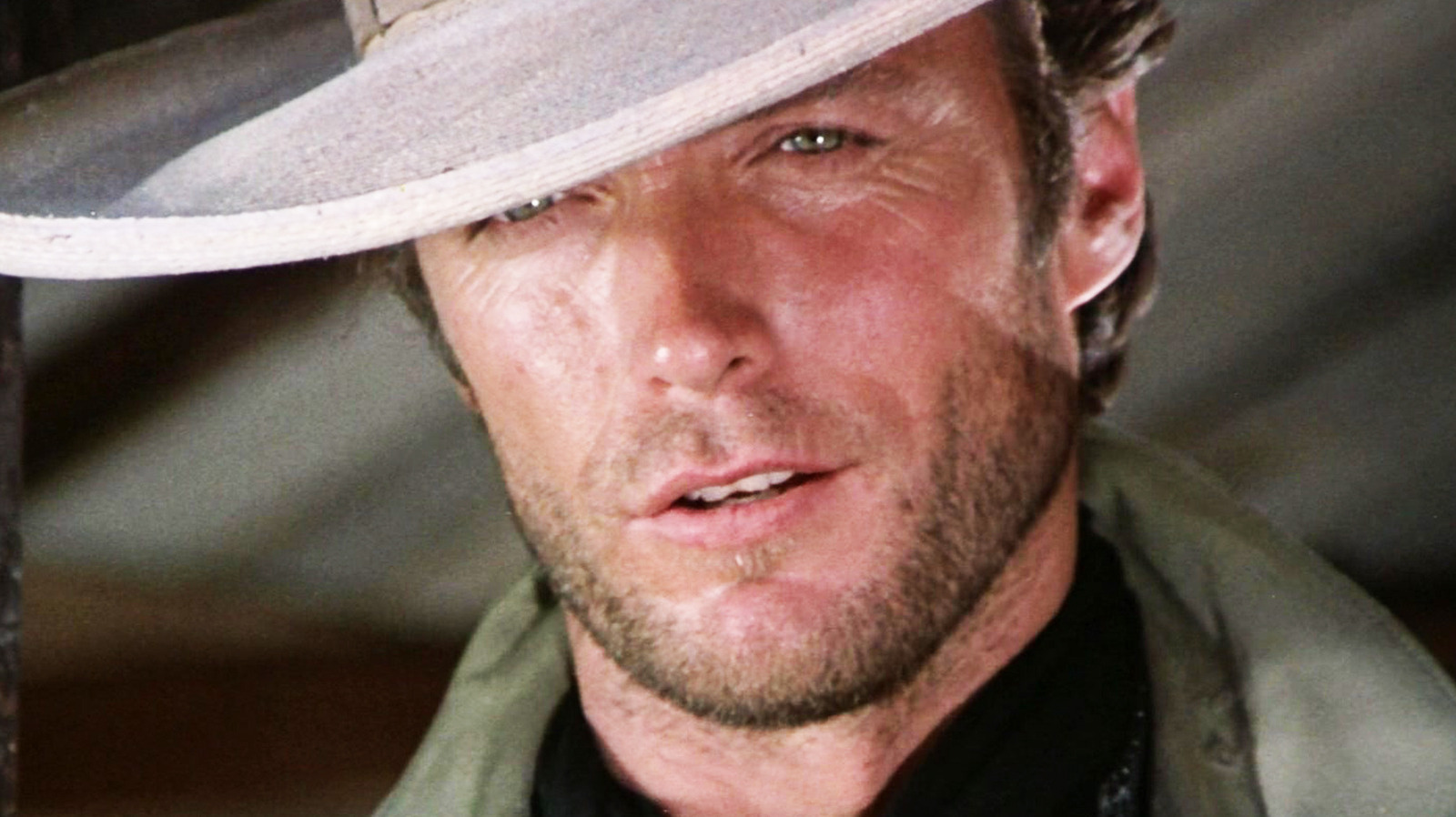
In 1958, Eastwood starred in Ambush at Cimarron Pass, a film he would later famously disparage as the "worst movie ever made." His television work during this time was equally sporadic, consisting of minor spots on Highway Patrol and Death Valley Days. By the end of 1958, his career prospects were tepid, and he was seriously considering returning to school to study business.
The Breakthrough (1959)
The tide turned in early 1959 with the debut of Rawhide. As Rowdy Yates, Eastwood finally had a steady paycheck and a recognizable character. However, his ambition was not confined to a single network. His association with director Arthur Lubin—who acted as a mentor and unofficial agent—helped secure the role in Maverick.
The timing was critical. Appearing on a rival network’s top-rated show while simultaneously starring in a new series was a testament to Eastwood’s growing industry reputation. It was a rare crossover of visibility that solidified his status as a "face to watch" in the competitive television market.
Supporting Data: The Anatomy of "Duel at Sundown"
The narrative structure of "Duel at Sundown" provides a blueprint for the "villainous charm" that Eastwood would later master. In the episode, Red Hardigan is not a one-dimensional thug; he is a man of intense, albeit misdirected, ambition.
Plot Mechanics
The episode centers on a conflict involving Jed Christianson, an old friend of Bret Maverick. When Maverick arrives in town, he is tasked with preventing the marriage between Hardigan and Jed’s daughter, Carrie. The ensuing tension leads to a saloon brawl—a staple of the Western genre—but the climax is what separates Maverick from its peers.
Instead of a standard "shoot-out at high noon," the resolution is a masterclass in deception. Bart Maverick (Jack Kelly) poses as the infamous gunslinger John Wesley Hardin to intimidate Hardigan. The sight of the legendary "Hardin" causes the volatile Hardigan to break, highlighting the show’s emphasis on psychological warfare over brute force.
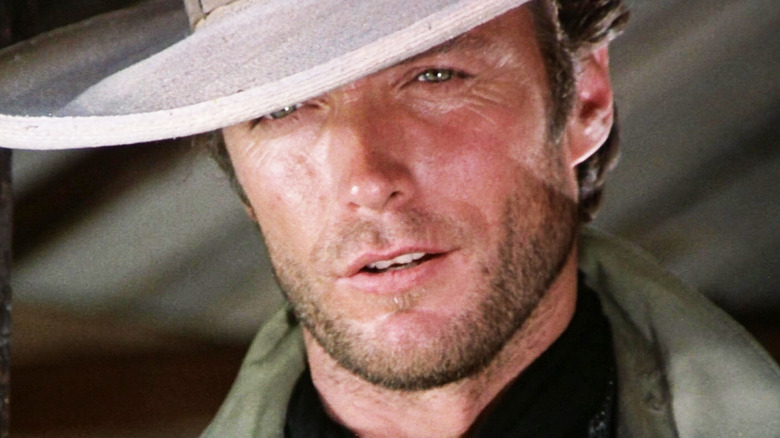
Production Context
The episode’s success was bolstered by the chemistry between the leads. Despite being the antagonist, Eastwood’s screen time rivaled that of James Garner. Analysts of the era have noted that Arthur Lubin’s direction allowed Eastwood to play with the vulnerability and menace that would define his later career as an anti-hero.
Official Responses and Industry Reception
At the time of the episode’s airing, the critical reception was focused on the show’s clever writing and the rising star power of Garner. However, in later years, the episode was re-evaluated as a critical piece of Eastwood’s filmography.
In Clint: The Life and Legend, McGilligan notes that the role was an essential "audition" for the big screen. It demonstrated that Eastwood could hold his own against an established lead like Garner. While there were no official "press releases" from 1959 praising the guest spot, the industry buzz was palpable. Casting directors began to see him not just as a supporting player in a western troupe, but as an actor capable of leading a narrative—a realization that would eventually lead him to Sergio Leone and the Italian spaghetti westerns that changed cinema forever.
Implications: The Legacy of a Guest Star
The legacy of Eastwood’s stint on Maverick extends far beyond the borders of a single episode. It represents a pivot point in the evolution of the Western hero.
From TV Cowboy to Global Icon
The contrast between the polite, calculated Bret Maverick and the intense, dangerous Red Hardigan highlighted a shift in audience tastes. Viewers were beginning to crave protagonists with a "darker edge." Eastwood’s performance as Hardigan planted the seeds for the characters he would later inhabit in A Fistful of Dollars and The Good, the Bad and the Ugly.
A Professional Reunion
The professional relationship between Eastwood and Garner did not end in the dusty streets of a 1959 set. The two eventually reunited in the 2000 film Space Cowboys. While their roles were reversed—they were now on the same team, portraying aging, retired astronauts—the chemistry from their Maverick days remained. Critics pointed to their shared history in the Western genre as a crucial element in the film’s success, grounding the high-concept premise in the authentic, rugged charisma of two Hollywood legends.
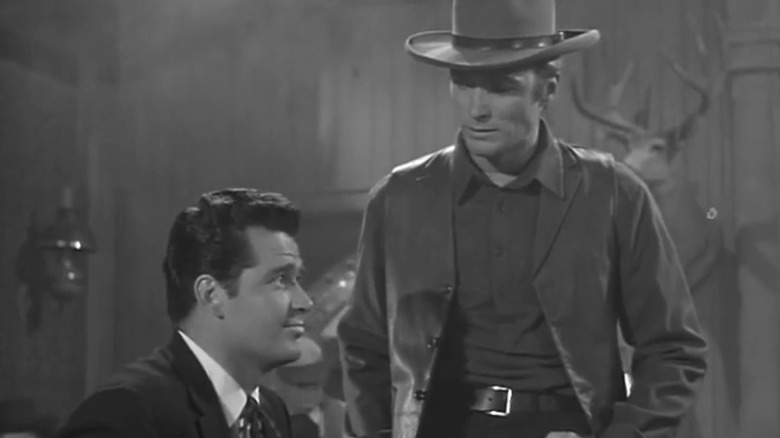
The "Maverick" Influence
Finally, the impact of Maverick on Eastwood’s career underscores the importance of television as an incubator for talent. The show’s willingness to experiment with the Western format encouraged actors to think outside the box. Eastwood’s portrayal of Hardigan served as an early experiment in anti-heroism, a style that would eventually make him the most recognizable face in the genre.
Conclusion
Clint Eastwood’s appearance on Maverick was more than just a paycheck for an up-and-coming actor; it was a masterclass in character development and a vital stepping stone in the transition from a television regular to a cinematic icon. By stepping into the boots of Red Hardigan, Eastwood explored the edges of his craft, learning to balance menace with magnetism.
Today, as we look back at the black-and-white footage of "Duel at Sundown," it is easy to see the spark that would eventually ignite a career spanning seven decades. Whether playing the hero or the heavy, the young man from Rawhide and Maverick possessed an undeniable gravity—a quality that would eventually command the attention of the entire world. Through the lens of Maverick, we see not just the past of a legend, but the blueprint of an American icon who redefined what it meant to be a hero in the West.











No comments yet. Be the first to join the conversation!