Asro
Asro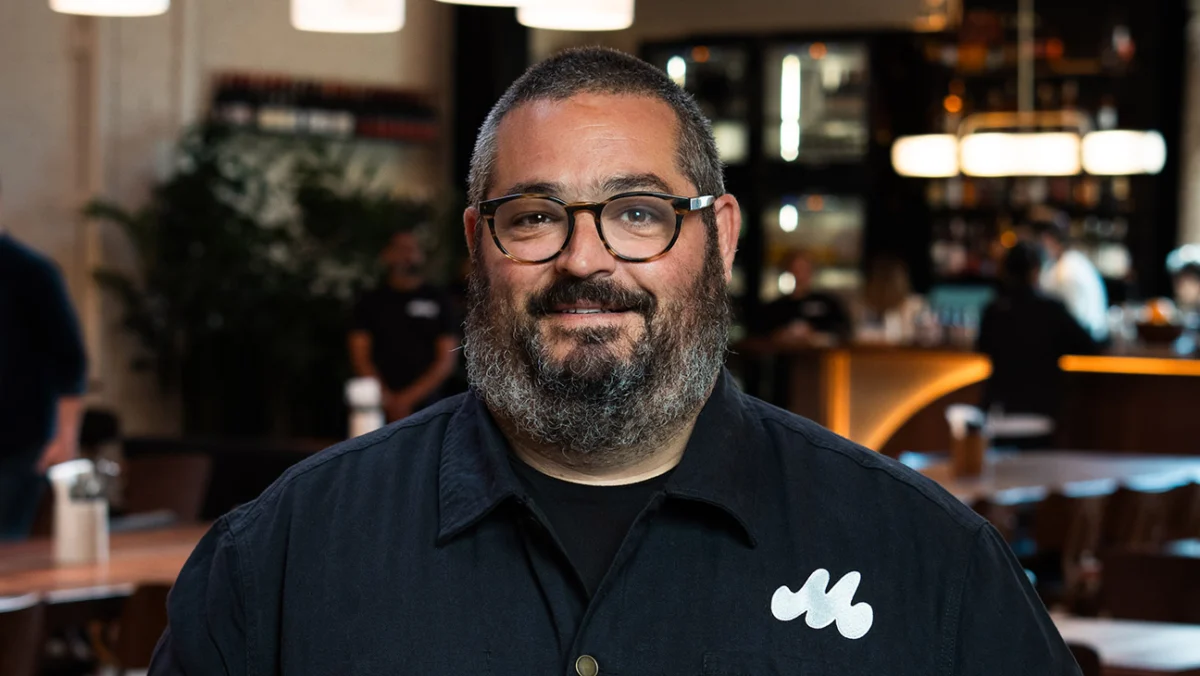
In the heart of Mid City, Los Angeles, a culinary evolution is unfolding on La Brea Avenue. Chef Eric Greenspan, a veteran restaurateur whose name has become synonymous with the city’s vibrant, high-energy dining scene, has officially unveiled his latest venture: Mish.
Mish is not merely a restaurant; it is a deliberate, modern reimagining of the classic Jewish delicatessen. For Greenspan, a James Beard Foundation finalist who has built a career working under culinary titans like Alain Ducasse and Ferran Adrià, this project represents something deeply personal. After years of spearheading high-concept New American spots and scaling global brands, Greenspan has finally turned his attention to the flavors of his own heritage.
A Culinary Pilgrimage: From Katz’s to Mid City
Greenspan describes himself as a "student of the game." His childhood was defined by pilgrimages to the legendary delicatessens of the Eastern Seaboard—most notably Katz’s Delicatessen in Manhattan. These institutions, with their towering sandwiches and storied histories, provided the blueprint for what a deli could be. Yet, Greenspan argues that the genre has remained largely stagnant for over half a century.
"I love the legacy Jewish delis; I stand on the shoulders of giants," Greenspan says. "But not much has changed in the past 65 years. And yet, the perception of Jewish food has changed, including here in Los Angeles."
Recognizing that his target demographic—20-, 30-, and 40-year-olds—demands a different experience than the traditionalists of the past, Greenspan sought to modernize the deli without stripping it of its soul. His "elevator pitch" for Mish was simple: "I wanted Gjusta, but J-E-W."
The Menu: Bridging Ashkenazi Tradition with the Global Diaspora
The menu at Mish is a bold departure from the standard "meat-on-rye" template. While the restaurant respects the pillars of Eastern European Jewish cuisine, it expands its aperture to include the broader, vibrant traditions of Sephardic and Mizrahi Jewry.

The non-kosher menu features the classics—chopped liver, fried kreplach, matzah ball soup, and potato latkes—but with a distinctly Greenspan twist. "When you order a Reuben, it’s griddled in schmaltz," he notes, emphasizing the dedication to traditional fats and flavor profiles.
However, the inclusion of the wider diaspora is where Mish truly shines. The menu introduces diners to a "culinary multi-state solution," as Greenspan calls it. Expect riffs on the Persian frittata kuku sabzi, a unique take on toad-in-the-hole using shakshuka, and a sabich reimagined in bagel form. The chef’s chicken salad is elevated with the brightness of amba, and his pastrami rub is infused with the complex, aromatic notes of cardamom.
Chronology of a Career: From The Foundry to Tesla
Greenspan’s path to Mish has been as eclectic as the menu itself. His resume reads like a roadmap of Los Angeles dining history. After cutting his teeth in the world’s most prestigious kitchens, he launched the New American staple The Foundry on Melrose, followed by his foray into seafood at Mare.
His history with deli food is not entirely new; a decade ago, he experimented with Fleishik’s, a kosher deli concept. That experience provided lessons in the logistics and constraints of the genre, which he has now applied to the freer, more experimental framework of Mish.
Perhaps the most unconventional chapter of his career was his recent, high-profile consulting role for the Tesla Diner in Hollywood. Working alongside his current operating partner, Bill Chait—a veteran of industry powerhouses like République and Tartine—Greenspan viewed the Tesla project as a "logistics challenge under extreme public scrutiny."
"Who wants to stand in the middle of a tornado and control it? I do," Greenspan says of the experience. It was a baptism by fire, one that forced him to navigate not only the mechanics of a massive operation but also the intense political polarization surrounding Tesla CEO Elon Musk.

The "Bar Mitzvah" Concept and Social Atmosphere
Beyond the plate, Mish aims to become a community hub. The space features a sophisticated cocktail program curated by noted barman Julian Cox, offering everything from morning matcha to complex, evening-appropriate drinks.
The most anticipated feature of the space is "Bar Mitzvah," a late-night concept that will see the restaurant pivot into a music-forward venue. Utilizing a dedicated DJ rig and a collection of vinyl records, Greenspan hopes to cultivate an atmosphere akin to the iconic Kibbitz Room at Canter’s. By staying open late and prioritizing a communal, high-energy environment, Mish seeks to bridge the gap between a breakfast spot and a late-night hangout.
Implications: The Political and Cultural Weight of the Deli
Debuting a Jewish restaurant in 2026, against the backdrop of a global spike in anti-Semitism, carries an undeniable weight. When asked if now is the right time for such a venture, Greenspan is resolute.
"People ask me, ‘Is now the time to do a Jewish restaurant?’ I say, ‘Now is exactly the time to do it,’" he asserts.
Greenspan is acutely aware of the "terrible shit" occurring across the country regarding the Jewish community. For him, Mish serves as a form of cultural advocacy. By creating a space that is unapologetically Jewish—yet modernized, diverse, and inclusive—he aims to highlight the beauty of the culture. He envisions Mish not just as a place to eat, but as a center for community gathering that transcends religious and political lines.
Supporting Data and Industry Context
The rise of "Next-Gen" Jewish delis in Los Angeles is a growing trend. Mish joins a list of local innovators, including the Levantine-inspired Bavel and Avi Cue, as well as the runaway success of Courage Bagels and Belle’s in Highland Park.

Industry analysts note that these restaurants are successfully pivoting away from the "greasy spoon" aesthetic, opting instead for elevated interiors, artisanal ingredients, and diverse menus that reflect the multicultural reality of modern L.A. By focusing on quality over nostalgia, these chefs are ensuring the survival of the delicatessen as a living, breathing culinary entity.
Conclusion: A Culinary Multi-State Solution
Mish is the culmination of Eric Greenspan’s life work—a synthesis of his rigorous classical training, his penchant for high-stakes challenges, and his deep-seated desire to honor his roots.
As the restaurant opens its doors on La Brea, it invites a new generation of diners to experience the deli not as a museum piece, but as a dynamic, evolving tradition. Whether it is the cardamom-rubbed pastrami or the late-night vinyl sets, Mish is a bold declaration that the Jewish deli is not only relevant—it is essential. In a city as sprawling and sometimes divided as Los Angeles, Greenspan’s "culinary multi-state solution" may be exactly what the community needs: a place to sit, eat, and find common ground.


 Sagoh
Sagoh
 Nana Wu