

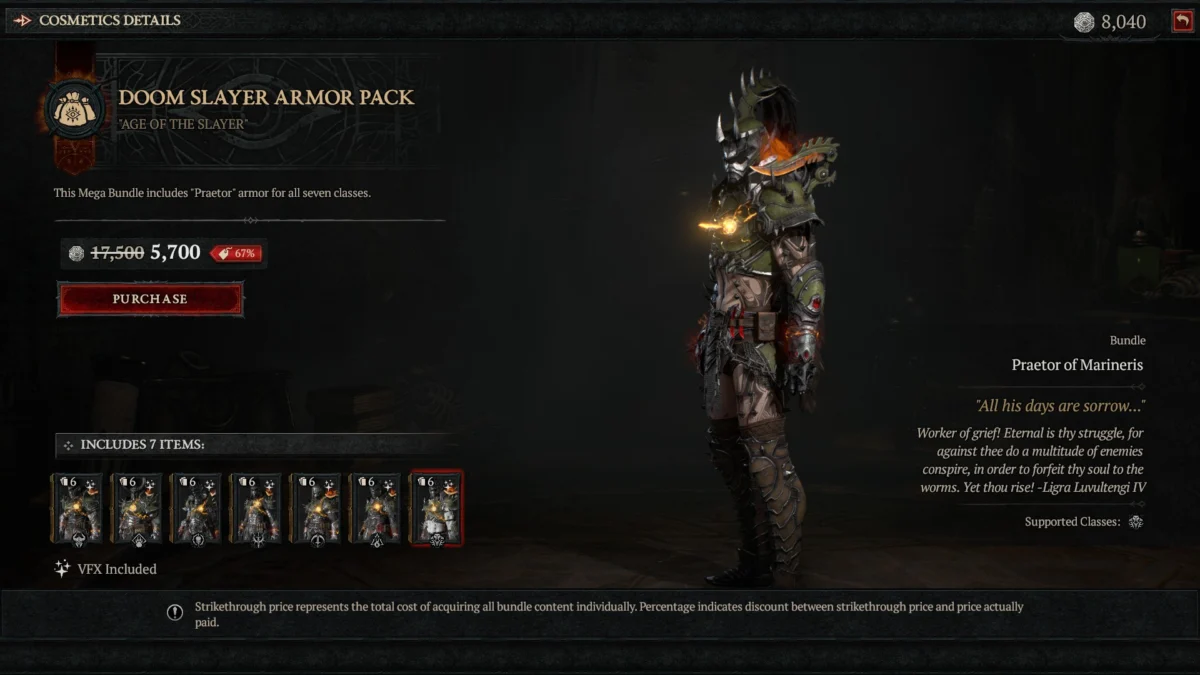
In the modern gaming landscape, the role of the critic has undergone a seismic shift. No longer are reviews confined to the mechanical quality, narrative depth, or visual fidelity of a title. Instead, the discourse has expanded into the fiscal, with gaming communities increasingly relying on influencers and reviewers to navigate the complex, often opaque, world of digital currency, seasonal passes, and regional pricing. As players look for ways to maximize their entertainment budgets, a new, subtle form of consumer influence has emerged—one that blurs the line between journalistic integrity and the lucrative world of affiliate marketing.
The Evolution of the "Helpful" Reviewer
For decades, the standard for game reviews was straightforward: gameplay, graphics, sound, and story. However, as the industry transitioned from physical media to digital storefronts and "live service" models, the consumer’s primary pain point shifted from "Is this game good?" to "Is this game worth the investment?"
Today, a single post on a major subreddit or a popular YouTube video can dictate the financial habits of thousands. When a reviewer casually mentions that a player can "grab points cheaper" outside of a native console storefront, they are performing a dual role. They act as a consumer advocate—helping the player save money—while simultaneously participating in a sophisticated ecosystem of affiliate revenue. This creates a psychological "nudge." When a trusted voice suggests a specific marketplace, the barrier of skepticism is lowered, and players are far more likely to bypass official channels in favor of third-party alternatives.
Chronology: From Official Storefronts to the Gray Market
To understand this shift, one must look at the timeline of digital distribution:
- The Early 2000s: Digital distribution was nascent. Players purchased physical discs or relied on direct, expensive manufacturer-controlled portals. Pricing was rigid, and regional locking was rarely a concern for the average consumer.
- The 2010s (The Rise of Digital Stores): Platforms like Steam, PlayStation Store, and Xbox Live became the primary gateways. While convenient, they often lacked competitive pricing, leading to the birth of "key resellers."
- The 2020s (The Influencer Era): As content creators became the primary source of gaming news, they began integrating affiliate links into their content. Sites like Eneba, CDKeys, and others gained mainstream traction not through traditional advertising, but through organic, reviewer-driven endorsements.
- The Present Day: We are now in a phase where "deal-hunting" is considered a fundamental gaming skill. The community has moved from asking "What should I play?" to "Where can I buy this for 30% less?"
Supporting Data: The Economics of Influence
The financial incentive for reviewers to point users toward third-party marketplaces is significant. Affiliate programs generally offer a percentage of the sale for every user who clicks a link and completes a transaction. In an era where traditional display advertising revenue is dwindling, these links have become a financial lifeline for independent creators.
Data suggests that when a creator mentions a specific marketplace, the traffic to that site spikes within 48 hours of the content’s publication. For example, discussions surrounding Call of Duty points often see a direct correlation between influencer mentions and transaction volume on platforms like Eneba. This is not mere coincidence; it is a calculated behavioral shift. Consumers, feeling the pinch of inflation and the rising cost of triple-A gaming, are more receptive than ever to "life hacks" that promise lower prices, even if those paths exist outside the ecosystem intended by the game’s publisher.

The Tension Between Convenience and Security
While the promise of savings is enticing, the digital marketplace is fraught with risks. Official platform stores offer a guarantee of security, account safety, and seamless integration. Conversely, third-party marketplaces operate on a different model.
Reputable platforms, such as Eneba, have sought to bridge this gap by implementing robust vetting processes. These include:
- Seller Legitimacy Checks: Only vetted vendors are permitted to list products, minimizing the risk of fraudulent keys.
- Clear Regional Labeling: A major source of frustration for gamers is purchasing a key that is region-locked. Leading marketplaces now prioritize clarity in their interface, ensuring users know exactly where a key can be redeemed before they click "buy."
- Refund Protocols: In the event of an invalid or already-redeemed key, professional marketplaces provide dedicated customer support to handle disputes, mirroring the safety nets of official storefronts.
However, the "savings illusion" remains a valid concern. Some reviewers, prioritizing short-term affiliate payouts over long-term audience trust, may promote platforms that lack these safety features. This leads to the "buyer beware" reality: the community must distinguish between a site that has been vetted through years of reliable service and a fly-by-night operation looking to capitalize on a viral review.
Official Responses and Industry Implications
Game publishers and platform holders (Sony, Microsoft, Nintendo, Valve) have historically maintained a complicated relationship with third-party marketplaces. While they generally prefer users to stay within their proprietary ecosystems—where they capture 100% of the revenue—they have found it difficult to curb the practice entirely.
Some publishers have attempted to restrict key distribution, but the sheer volume of global, cross-platform traffic makes this a "whack-a-mole" scenario. The implication for the industry is clear: if official storefronts do not offer competitive, dynamic pricing, the market will find an alternative. Reviewers and influencers are simply acting as the connective tissue in this migration. As one industry analyst noted, "The market is voting with its wallet, and the influencers are merely identifying where the votes are going."
The Power of Community Wisdom
Despite the influence of creators, the gaming community remains the ultimate arbiter of truth. Forums like Reddit, Discord servers, and dedicated gaming hubs act as a decentralized "fact-checking" layer. When a reviewer promotes a questionable site, the community is often the first to sound the alarm, sharing stories of revoked keys or poor support experiences.

This grassroots skepticism serves as a necessary check on the "herd effect." Seasoned gamers are increasingly adopting a "trust but verify" approach. They treat a reviewer’s recommendation as a starting point rather than an endorsement, cross-referencing sites with community-sourced "white lists" of safe marketplaces. This evolution in buyer behavior marks a transition from passive consumption to informed, proactive purchasing.
Conclusion: A New Era of Digital Autonomy
The role of the reviewer is more influential than ever, but it is also more scrutinized. As we move forward, the most successful creators will be those who balance their need for revenue with a commitment to transparency. Players are becoming increasingly savvy, recognizing that their financial decisions have consequences for their account safety and the overall health of the gaming ecosystem.
Digital marketplaces that prioritize security, clarity, and fair pricing—such as Eneba—are finding their place as essential tools in the modern gamer’s arsenal. By empowering buyers with choice and protection, these platforms are helping to normalize the idea that digital gaming does not have to be a closed-loop system.
Ultimately, the goal for the average gamer remains unchanged: to find the best possible experience at the best possible price. Whether that journey starts with a reviewer’s link or a community recommendation, the power to define the marketplace has shifted. The future of gaming commerce is no longer dictated solely by the storefronts of old; it is being shaped by the collective, critical choices of the players themselves, guided by a new breed of content creators who understand that in the digital age, trust is the most valuable currency of all.












No comments yet. Be the first to join the conversation!