

As the world gears up for a blockbuster summer of athletics—headlined by the NBA Finals and the highly anticipated 2026 FIFA World Cup—Snapchat has unveiled a strategic roadmap designed to position the platform as the essential destination for modern sports consumption. In an era where digital engagement is increasingly fragmented, Snap Inc. is making a compelling case to marketers: if you want to reach the hyper-engaged, next-generation sports fan, you must meet them where they share their most intimate moments.
With a global community now totaling 946 million monthly active users, Snapchat’s latest pitch emphasizes that it is no longer just an app for photo sharing; it is a real-time sports ecosystem. By blending high-fidelity augmented reality (AR) with a community-first approach to content, the platform is attempting to redefine how fans interact with the games they love.
Main Facts: The New Playbook for Sports Marketing
Snapchat’s latest initiative, dubbed the "Spring of Sports 2026," is a data-backed effort to convince advertisers that the platform offers a unique "communal experience" that traditional broadcast television and even rival social media platforms struggle to replicate.
The core of the strategy rests on two pillars: scale and intimacy. While platforms like X (formerly Twitter) function as public town squares for sports news, and Instagram functions as a glossy highlight reel, Snapchat positions itself as the "digital living room." Its data reveals that 215 million users engage with sports-related content on the app every month. For marketers, this represents a massive, captive audience that is not just passively watching, but actively participating in the conversation through Bitmojis, private snaps, and AR filters.
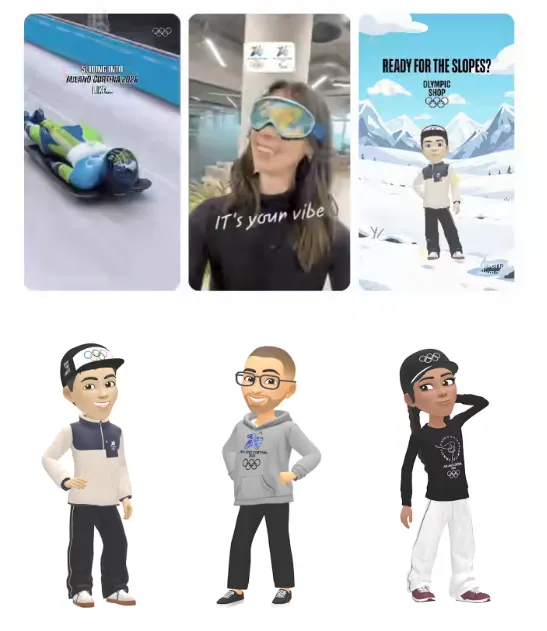
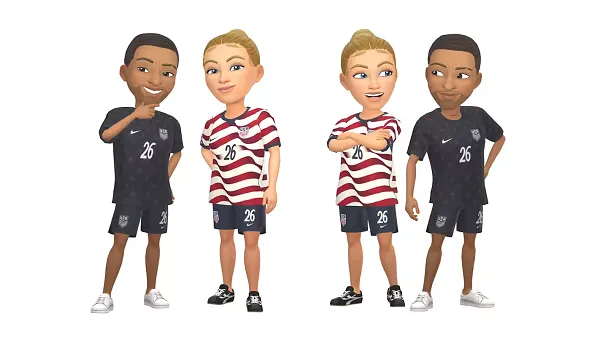
The platform is moving beyond passive advertising by offering deep, interactive integrations. From official U.S. Soccer digital merchandise to team-branded Bitmoji jerseys, Snapchat is blurring the lines between physical fan culture and digital identity.
Chronology: A Trajectory of Athletic Integration
To understand why Snapchat is doubling down on sports, one must look at the timeline of its evolution from a niche messaging app to a powerhouse of live event coverage.
The Foundation (2020–2023)
For years, Snap focused on "Our Stories," a feature that allowed users to submit Snaps from live events into a curated, public feed. This became the standard for how Gen Z experienced live sports—viewing a collage of crowd-sourced perspectives rather than a singular, polished broadcast. During this period, Snap began securing partnerships with the NFL, NBA, and UEFA, recognizing that sports were the ultimate "appointment viewing" catalysts.
The Winter Olympics and Super Bowl Proof-of-Concept (2026)
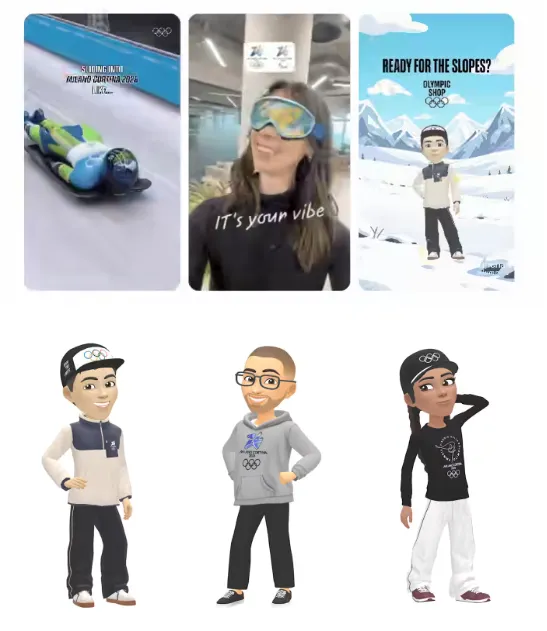
Earlier this year, Snapchat utilized the 2026 Winter Olympics and Super Bowl LX as testing grounds for its new engagement tools. The results were staggering. Data shared by the company indicates that during these events, user interaction with AR lenses—such as virtual face-painting and real-time score overlays—reached record highs. By tracking these metrics, Snap confirmed that sports fans are significantly more likely to engage with branded content if it enhances their ability to show off their team loyalty.
The World Cup Launchpad (2026)
The current phase involves the rollout of the World Cup activations. In the lead-up to the opening whistle, Snapchat has begun deploying region-specific AR experiences, localized content hubs, and digital wearables. This transition marks the most ambitious sports-marketing push in the company’s history, signaling that it views the World Cup as the ultimate stress test for its AR-commerce ecosystem.
Supporting Data: Why the Numbers Favor Snap
The efficacy of Snapchat’s sports strategy is predicated on a specific demographic advantage: the platform captures a segment of the population that is notoriously difficult to reach via traditional media.
- The 215M Engagement Metric: With nearly 25% of its total user base actively seeking out sports content, the platform has reached a critical mass. This is not a fringe audience; it is a core demographic of 13-to-34-year-olds who prioritize mobile-first content over cable television.
- AR Conversion Rates: Snapchat’s internal research suggests that users who interact with branded AR lenses are 2.4 times more likely to purchase related merchandise. By offering Bitmoji team jerseys, Snapchat is turning "fan identity" into a conversion-ready asset.
- Retention and Frequency: During major sporting events, daily active user (DAU) session times on Snapchat increase significantly, often outperforming the platform’s baseline metrics. This indicates that the "second-screen" experience is becoming the "primary-screen" experience for many users.
Official Responses and Strategic Vision
In a recent communication via their newsroom, Snap Inc. executives emphasized that the platform’s strength lies in its "personal approach."
"Snapchat is where fans go to share their excitement with their inner circle," a spokesperson noted. "Unlike the public-facing nature of other platforms, where content is often performative, Snapchat is conversational. When a goal is scored in the World Cup, the most significant action is the immediate, private exchange of reactions between friends. That is the moment where we provide the most value to both the fan and the advertiser."
This sentiment is echoed by the platform’s move to facilitate deeper partnerships with sports leagues. By giving teams like the U.S. Soccer squad the ability to sell digital goods directly within the app, Snapchat is creating a new revenue stream for organizations while simultaneously increasing the "stickiness" of their app.
Implications: What This Means for the Marketing Landscape
The shift toward "communal digital experiences" has profound implications for how sports marketing will look in the latter half of the 2020s.
1. The Death of the Passive Ad
For decades, sports marketing was defined by the 30-second television spot. Snapchat’s model suggests that these are becoming obsolete for the younger demographic. Instead, marketers must now invest in "participatory advertising"—tools that allow fans to express their fandom through lenses, stickers, and interactive filters.
2. The Rise of the Digital Fan Identity
The inclusion of Bitmoji team jerseys is more than a stylistic choice; it is a pivot toward the "Metaverse" concept of digital identity. Fans want to express their loyalty in their digital lives as much as they do in the physical world. Marketers who ignore the digital apparel market are missing out on a massive opportunity to build long-term brand equity with young consumers.
3. Hyper-Local Real-Time Engagement
Snapchat’s ability to serve content based on location and real-time events allows for a level of precision that traditional media cannot match. A marketer can now trigger an AR experience for fans sitting in a stadium, or a specific promo code for fans watching from a local sports bar, effectively segmenting the audience by their proximity to the game.
4. The Challenges Ahead
Despite the optimism, significant hurdles remain. Snapchat faces stiff competition from TikTok, which has mastered the short-form video algorithm, and Instagram, which maintains a tighter grip on the "influencer" market. Furthermore, Snapchat must prove that its AR experiences are not just "novelty items" that users try once and discard. To succeed, the platform must continue to innovate, ensuring that its features are integrated into the routine of watching sports rather than existing as a one-off distraction.
Conclusion: The Path Forward
As the 2026 World Cup approaches, the sports industry finds itself at a crossroads. The traditional broadcast model is aging, and the audience is drifting toward interactive, mobile-first experiences. Snapchat’s "Spring of Sports" is a bold attempt to capture this shift.
For brands, the message is clear: the modern fan is a participant, not a spectator. Whether through interactive AR filters that turn a living room into a pitch or digital merchandise that bridges the gap between the virtual and physical, the future of sports marketing is defined by engagement, intimacy, and the power of the shared moment.
Snapchat has provided the tools. Now, it is up to advertisers to see if they can effectively leverage the platform to turn casual viewers into dedicated, digital-first fans. As the world turns its eyes to the stadiums of 2026, the real competition may not just be happening on the field, but on the screens held in the hands of nearly a billion fans worldwide.












No comments yet. Be the first to join the conversation!