

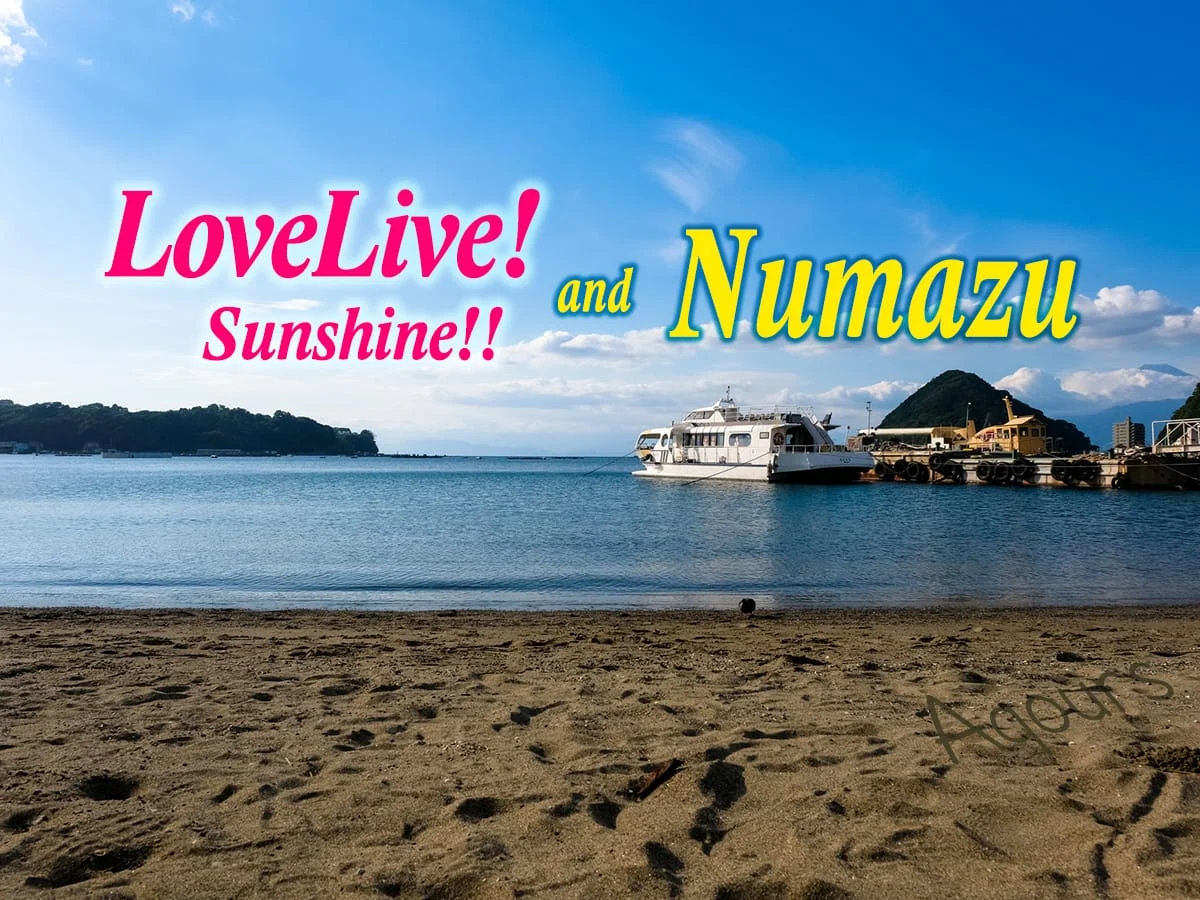
In the landscape of modern Japanese tourism, few phenomena are as striking as the "anime pilgrimage"—the practice of fans traveling to real-world locations depicted in their favorite animated series. While many cities across Japan have attempted to capitalize on this trend, none have achieved the organic, symbiotic success of Numazu. Located in the scenic Shizuoka Prefecture, this coastal city has become the beating heart of the LoveLive! Sunshine!! franchise. For the past seven years, the relationship between the city’s residents and the global fanbase of the idol group "Aqours" has evolved from a simple pop-culture connection into a sustainable, community-driven economic and social model.
The Genesis of an Idol Journey
LoveLive! Sunshine!! is a multimedia project and a spin-off of the seminal Love Live! series. The narrative follows a group of high school students who form an idol unit, Aqours, to prevent their school, Uranohoshi Girls’ Academy, from shuttering due to dwindling enrollment. Set against the backdrop of the sunny, maritime landscape of Numazu, the series captures the essence of coastal Japanese life.
The anime television series debuted its first season in 2016, followed by a second season in 2017. Its impact was immediate. As the characters navigated their struggles, the audience found themselves captivated not just by the music and the story, but by the tangible, beautiful geography of the city itself. This fascination has only deepened over time, with the 2023 release of Yohane of the Parhelion: Sunshine in the Mirror—a fantasy-themed spin-off set in an alternate version of Numazu—further cementing the city’s status as a foundational pillar of the franchise’s identity.
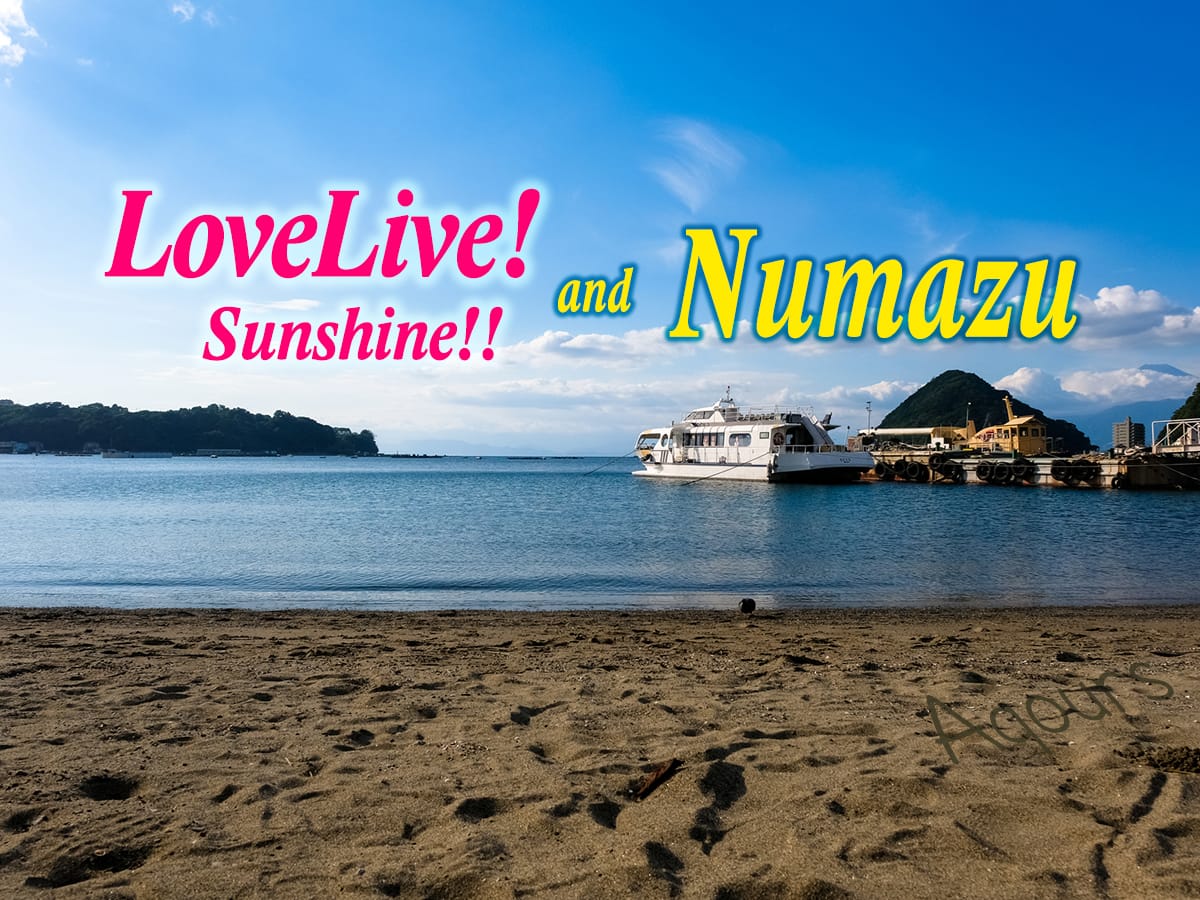
A Chronology of Integration
The integration of LoveLive! Sunshine!! into the fabric of Numazu was not a top-down corporate mandate but an organic evolution.
- 2016: The series premieres, introducing global audiences to the sights of Uchiura and Numazu. Initial curiosity drives a surge in early adopters and fans eager to see the "holy sites."
- 2017: The city begins to formalize its relationship with the fandom. Local businesses start creating maps and themed brochures. It is during this period that the city begins to see a shift from casual tourism to "pilgrimage" culture, with fans returning repeatedly.
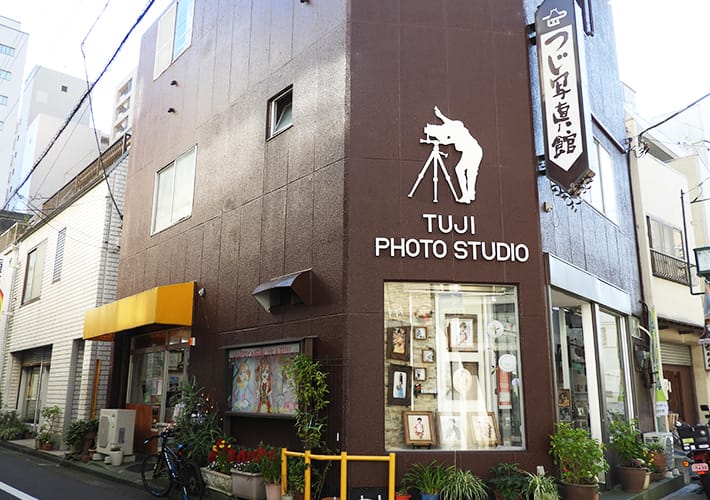
- 2018–2019: The "synergy" matures. Businesses that were not originally part of the narrative begin to participate, creating a welcoming environment that rewards the "LoveLiver" community. The 2019 film, Love Live! Sunshine!! The School Idol Movie: Over the Rainbow, acknowledges these local heroes by featuring real-life businesses, like the Tsuji Photo Studio, in its opening sequence.
- 2020–2022: Despite the global travel restrictions imposed by the COVID-19 pandemic, the bond remains unbroken. Online communities flourish, and as travel resumes, fans return with even greater fervor, demonstrating that the connection is built on more than just sightseeing—it is built on community investment.
Economic and Social Data: The Business of Fandom
The economic impact on Numazu has been substantial. Local businesses have reported consistent revenue increases, with fans often spending more than the average tourist due to their emotional attachment to the locations.
According to observations gathered during field visits in 2020 and 2022, local establishments can be categorized into four distinct tiers of engagement:
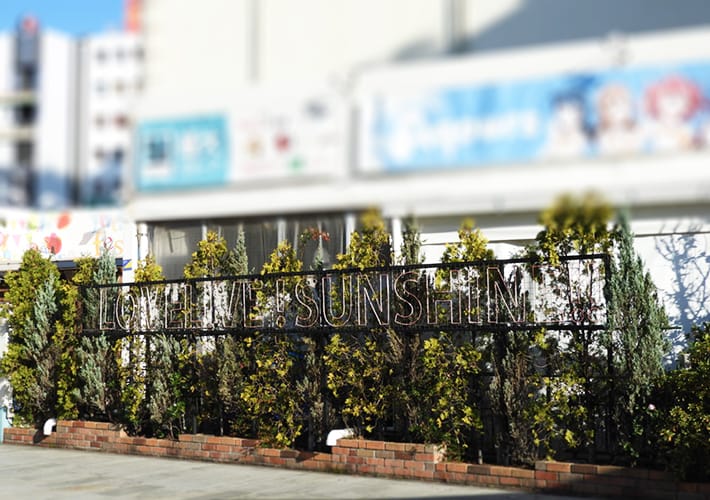
- Narrative-Essential Sites: Businesses that appear directly in the anime or game.
- Collaborators: Establishments that officially partner with the franchise to sell exclusive stamps, badges, and limited-edition merchandise.
- Active Hubs: Stores that display fan-made art, panels, and welcome signage to attract and engage the community.
- Supportive Establishments: Businesses that do not sell merchandise but provide a welcoming atmosphere for fans, effectively acting as "third spaces" for the pilgrimage community.
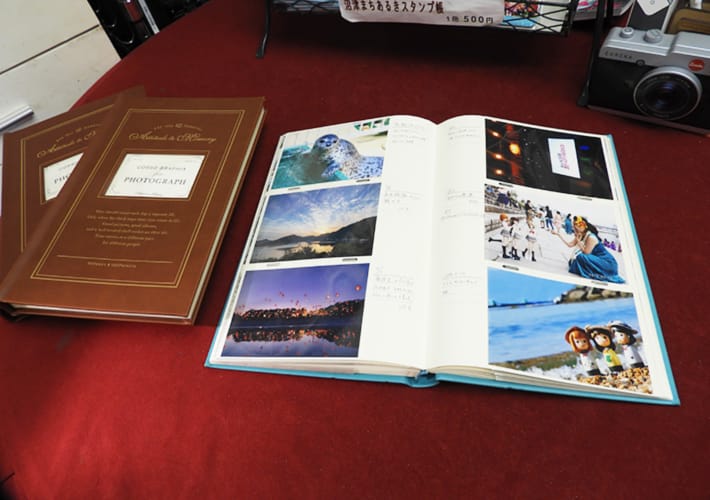
The success of these businesses is rooted in a "positive energy cycle." By catering to fans, shops have become destinations in their own right. A prime example is the Tsuji Photo Studio, where Tomomi Mine transformed her shop into a repository of fan memories. By maintaining albums of visitor photos and a public blackboard for fan art, the studio became a physical bridge between the fictional world of Aqours and the real-world experiences of the fans.
Official Perspectives: The Councilman’s View
The city government has been an active participant in this transformation. Councilman Ryuo Ozawa, an avowed fan of the series, provides a candid look at the challenges and triumphs of this relationship.
Ozawa acknowledges that the early days were not without friction. Minor incidents, such as the defacement of anime-themed manholes or overly zealous fans approaching local students at the school that inspired the academy, presented hurdles. However, these were treated as learning experiences. The city’s response was not to restrict access, but to foster better communication.
"The impact has been overwhelmingly positive," Ozawa explains. The city’s leadership, including the Mayor of Numazu, has actively embraced the series. The Mayor has frequently appeared at official concerts as a guest of honor and regularly engages with the fandom on social media. This level of institutional support has encouraged local residents—even those who are not fans—to view the influx of "LoveLivers" as a net benefit to the local economy and culture.
The Intersection of Culture and Community
Perhaps the most surprising aspect of the Numazu phenomenon is how the anime has bridged generational and cultural divides. At the Numazu St. John’s Anglican Church, Father Paul Masato Kubota has utilized the series to connect with the youth of his congregation.
The name "Yohane," adopted by one of the series’ lead characters, mirrors the name of the church itself. Father Kubota sees this not as a conflict, but as a gateway. By using analogies from the series in his educational materials, he has found a way to bridge the gap between religious instruction and the interests of the younger generation. "If it helps bring more interest to the church, it’s a positive thing," he notes, emphasizing that the church welcomes fans as visitors and, in some cases, as members of a broader community.
Implications: A Model for Future Pilgrimages
Numazu stands as a testament to the fact that an anime pilgrimage is most successful when it is a two-way street. The city did not merely treat the anime as a marketing gimmick; it treated the fans as guests and future residents.
The sustainability of the Numazu model rests on three pillars:
- Authenticity: The anime highlights real landmarks, and the city respects that by maintaining those sites.
- Community Agency: From the blackboard at Tsuji Photo Studio to the inclusive attitude of local churches, residents have been given the agency to shape their own interactions with the fandom.
- Institutional Support: By having government officials who publicly support and engage with the series, the city ensures that the infrastructure—such as maps and tourism brochures—is always current and accessible.
As we look toward the future, with new projects like Yohane of the Parhelion continuing to draw interest, the relationship between Numazu and LoveLive! Sunshine!! shows no signs of waning. It remains a shining example of how a coastal city, through patience, cooperation, and a bit of "sunshine," successfully transformed itself from a local town into a global destination for one of Japan’s most passionate subcultures. The "pilgrimage" is no longer just about visiting a set of coordinates; it is about participating in a living, breathing community that continues to thrive long after the final credits roll.












No comments yet. Be the first to join the conversation!