For the modern small business owner, the daily grind is a relentless balancing act. Between managing supply chains, balancing the books, and ensuring day-to-day operations run smoothly, marketing often slips to the bottom of the priority list. It isn’t a matter of intent; most entrepreneurs recognize that visibility is the lifeblood of commerce. Rather, it is a matter of resource scarcity. Small businesses frequently lack the sprawling budgets required for traditional ad placements and the dedicated personnel needed to orchestrate elaborate, multi-channel campaigns.
However, a digital shift has occurred that effectively levels the playing field. Social media has evolved from a simple networking tool into a primary engine for product discovery and brand growth. According to current industry statistics, social media platforms now drive 60% of product discovery, turning these digital spaces into the most potent storefronts of the 21st century.
The Evolution of Small Business Marketing: A Chronology
To understand why social media is no longer optional, one must look at the shift in consumer behavior over the last decade.
- Pre-2015 (The Era of Paid Dominance): Marketing was largely a "pay-to-play" landscape. Small businesses relied on local print, radio, or expensive search engine advertisements that favored large budgets.
- 2015–2020 (The Rise of Community): Social platforms became bidirectional. It was no longer about broadcasting; it was about conversation. Brands that responded to comments saw higher loyalty.
- 2020–2025 (The Search Revolution): A major turning point occurred as consumers began using social platforms like TikTok and Instagram as search engines. This "social search" trend bypassed traditional Google queries, allowing smaller brands to appear alongside industry giants based on algorithmic relevance rather than ad spend.
- 2025–Present (The Humanization Era): As noted in the 2025 Sprout Social Index™, consumers now demand personalized, authentic customer service. Today, the brand that responds quickly is the brand that wins the sale.
The Core Pillars of a Sustainable Strategy
For the small business owner, the challenge is not just "being on social," but being there effectively. Success requires a departure from the "post everything everywhere" mentality in favor of a disciplined, strategic approach.
1. Precision Targeting: Defining the Ideal Consumer
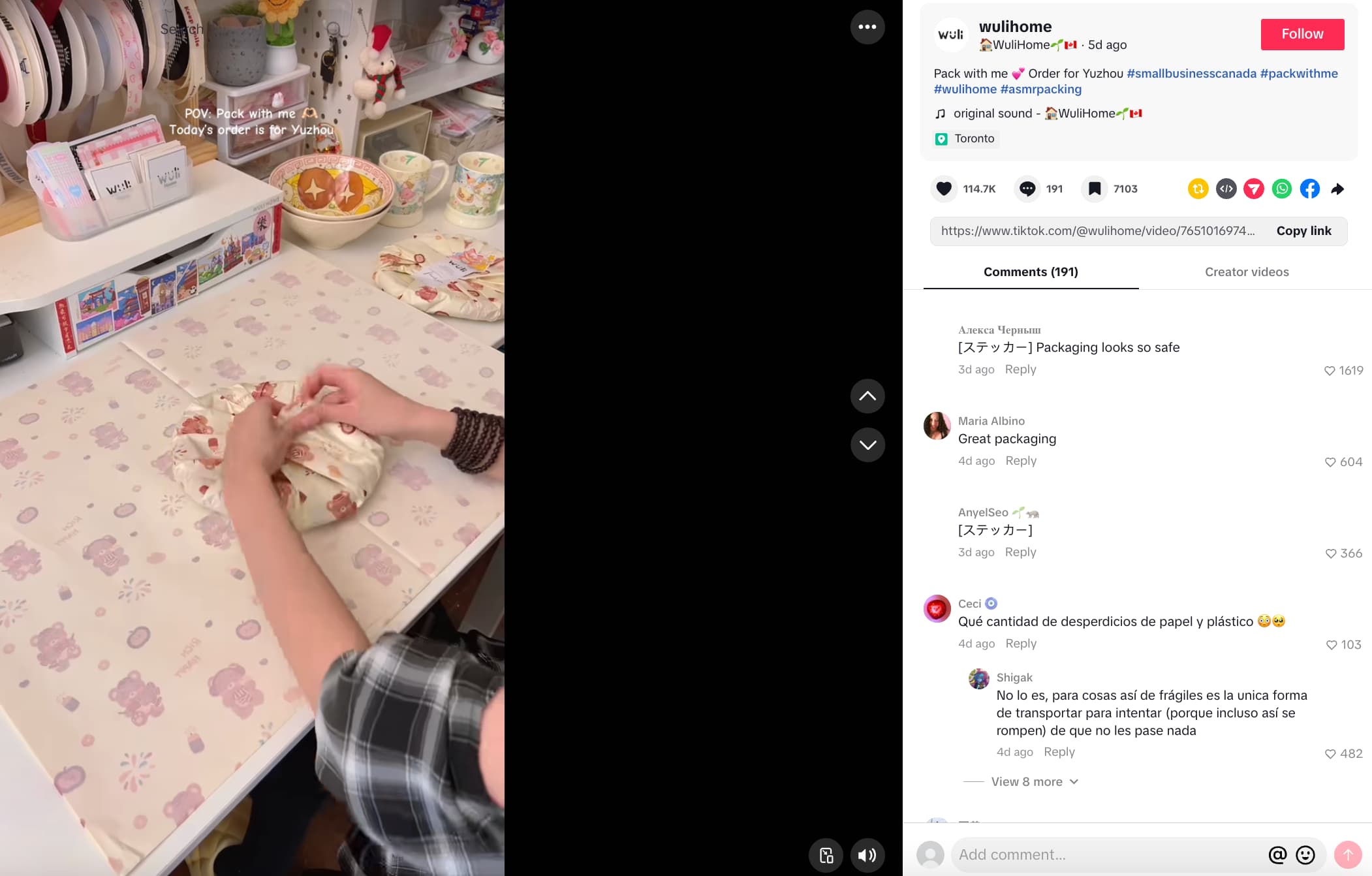
Marketing dollars are wasted when they are directed at the masses. Instead, businesses must build comprehensive audience profiles. This process involves analyzing demographics—age, location, and professional background—but it must also extend into psychographics. By utilizing tools like Meta Audience Insights and TikTok Audience Insights, owners can understand the values, hobbies, and specific pain points of their target market, allowing for content that resonates on a deeper, more personal level.
2. Quality Over Platform Saturation
The temptation to maintain a presence on every platform—X, Facebook, Instagram, TikTok, LinkedIn, and Pinterest—is a common pitfall. It leads to burnout and diluted brand messaging. Professional strategy dictates that a brand should focus its resources where its audience congregates. Tech-heavy industries often thrive on platforms like X, while retail and lifestyle brands find significantly higher engagement through the visual storytelling capabilities of Instagram and TikTok. By mastering two channels rather than failing at six, a small business can maintain a high-quality, consistent presence.
3. The Content Calendar: Moving Beyond "Winging It"
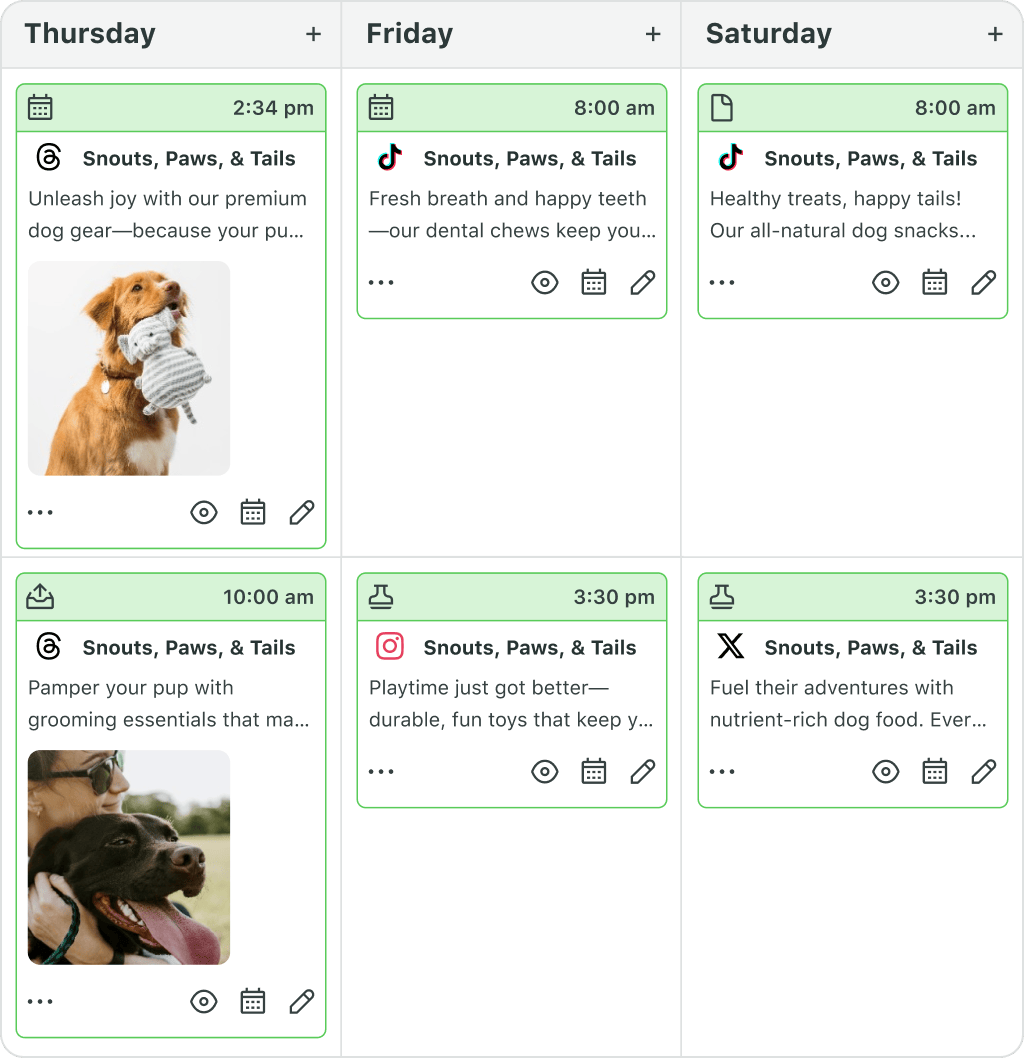
Consistency is the algorithm’s best friend. To avoid the stress of daily content creation, small businesses must adopt a "batching" workflow. By utilizing a visual publishing calendar, businesses can block off specific time for ideation, production, and scheduling. A well-structured calendar allows for a balanced mix of content—educational pieces, behind-the-scenes glimpses, and community-focused stories—ensuring the brand stays top-of-mind without requiring 24/7 attention.
Supporting Data: What Consumers Really Want
Data from the 2026 State of Social Media report provides a roadmap for what consumers currently prioritize. The hierarchy of content expectations is clear:
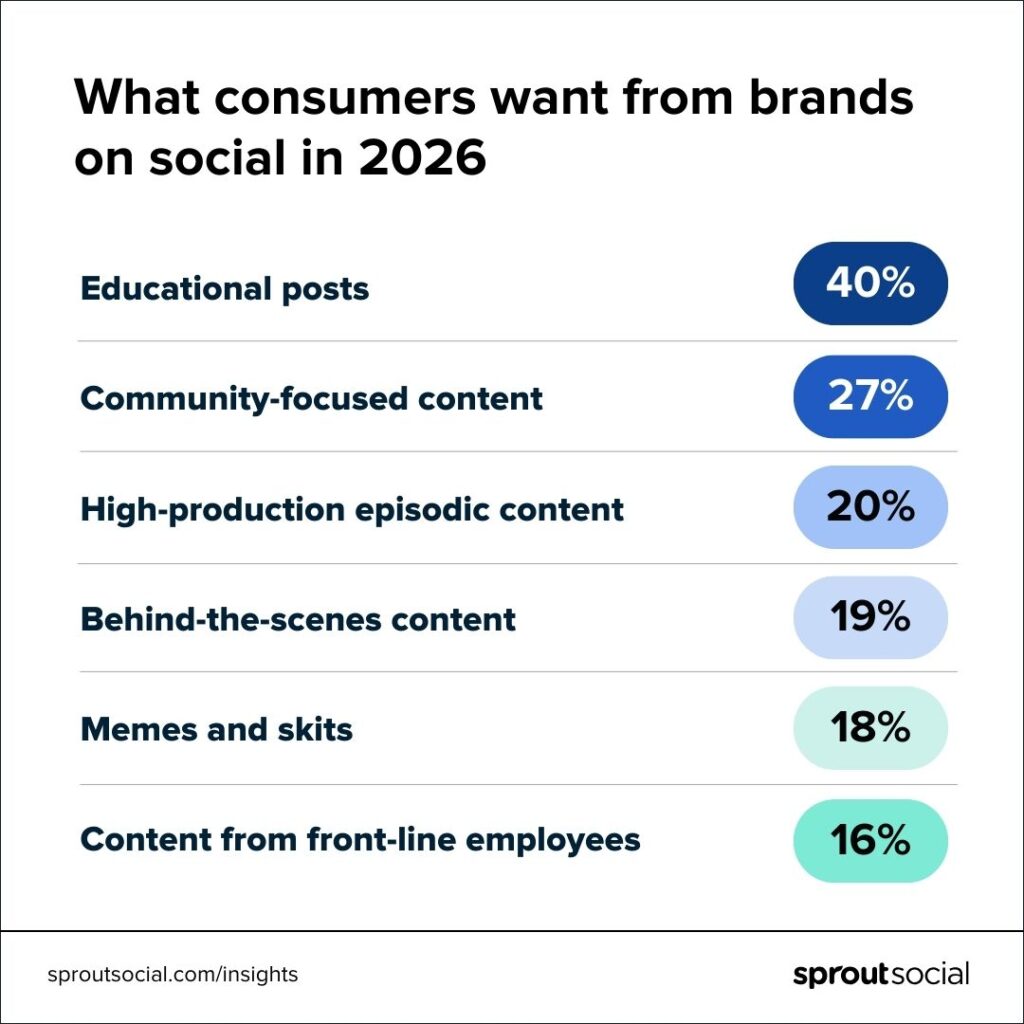
- Short-Form Video: Content under 60 seconds is the most engaging format across all major platforms. It captures attention quickly and is highly favored by algorithms.
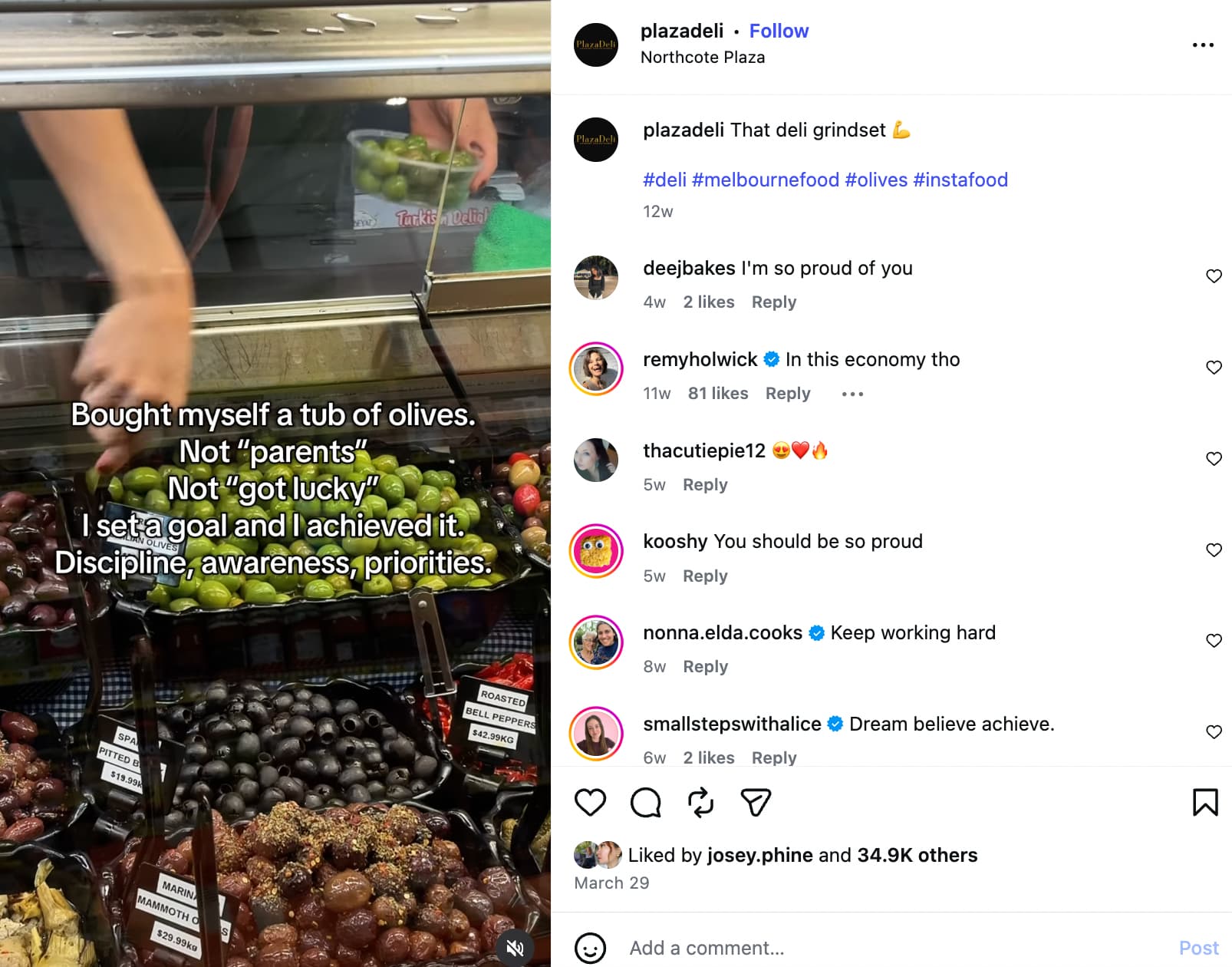
- Authenticity: Consumers are moving away from overly polished, corporate advertisements. They crave "human" content, such as behind-the-scenes footage or relatable humor that acknowledges the daily struggles of their community.
- Responsiveness: According to recent data, 73% of social media users are willing to purchase from a competitor if a brand fails to respond to their queries on social platforms in a timely manner. This highlights the critical intersection between marketing and customer service.
Official Perspectives: The Role of Automation
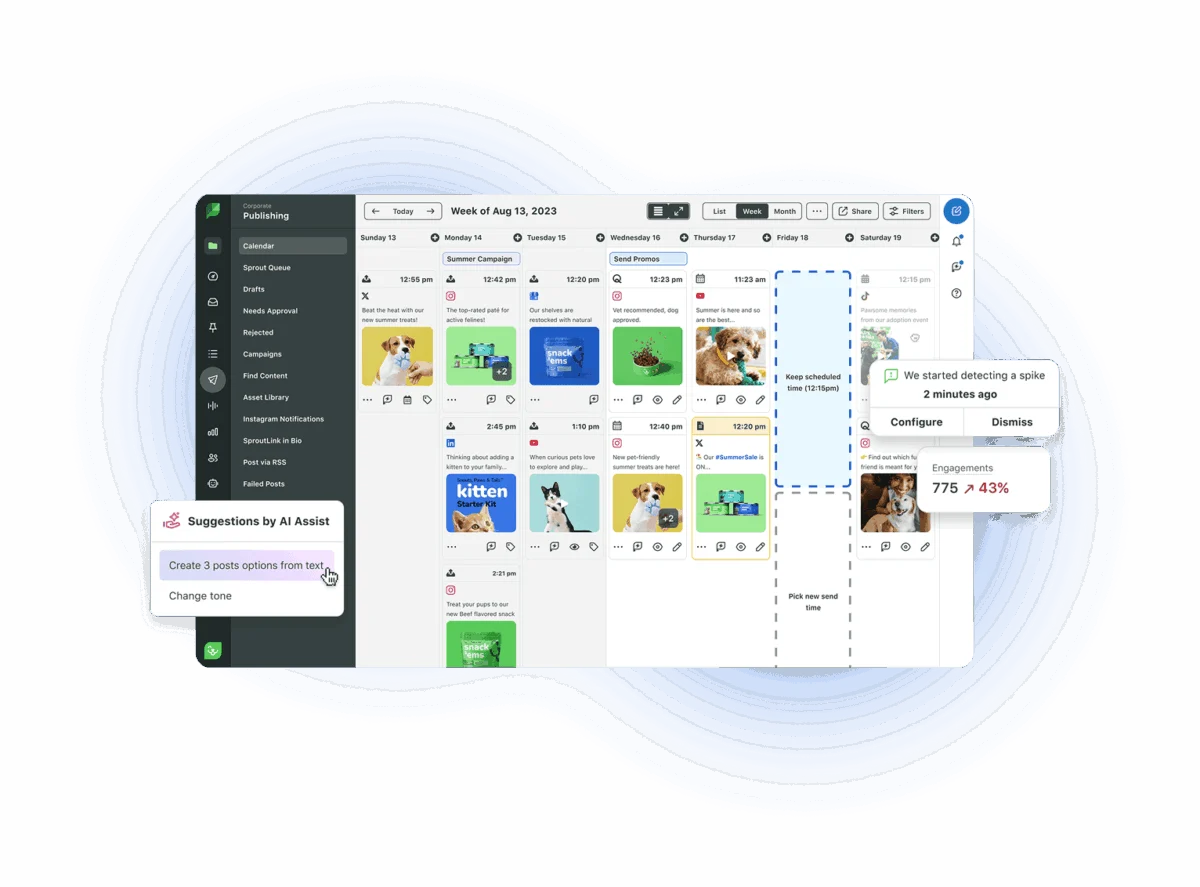
Industry experts and platform developers suggest that the barrier to entry for professional-grade marketing has never been lower. Tools such as Sprout Social’s "Essentials" plan are designed specifically to bridge the gap between "no budget" and "enterprise-level results."
By automating the scheduling process and centralizing analytics into a single dashboard, businesses can eliminate the "spreadsheet gymnastics" that often paralyze small marketing teams. These tools allow owners to identify optimal send times, track engagement metrics, and pivot strategies based on real-time data rather than guesswork.
Implications for Small Business Growth
The implications of this digital shift are profound. For a small business, social media is no longer just a marketing expense; it is a vital operational function.
Leveraging User-Generated Content (UGC)
Perhaps the most cost-effective strategy available today is the leveraging of UGC. When customers post about a product, they are providing the most trusted form of advertising: peer-to-peer social proof. By encouraging customers to share their experiences and tagging the business, owners can curate a feed of authentic testimonials. Repurposing this content not only saves time on production but significantly increases trust among prospective buyers.

The Rise of the Micro-Influencer
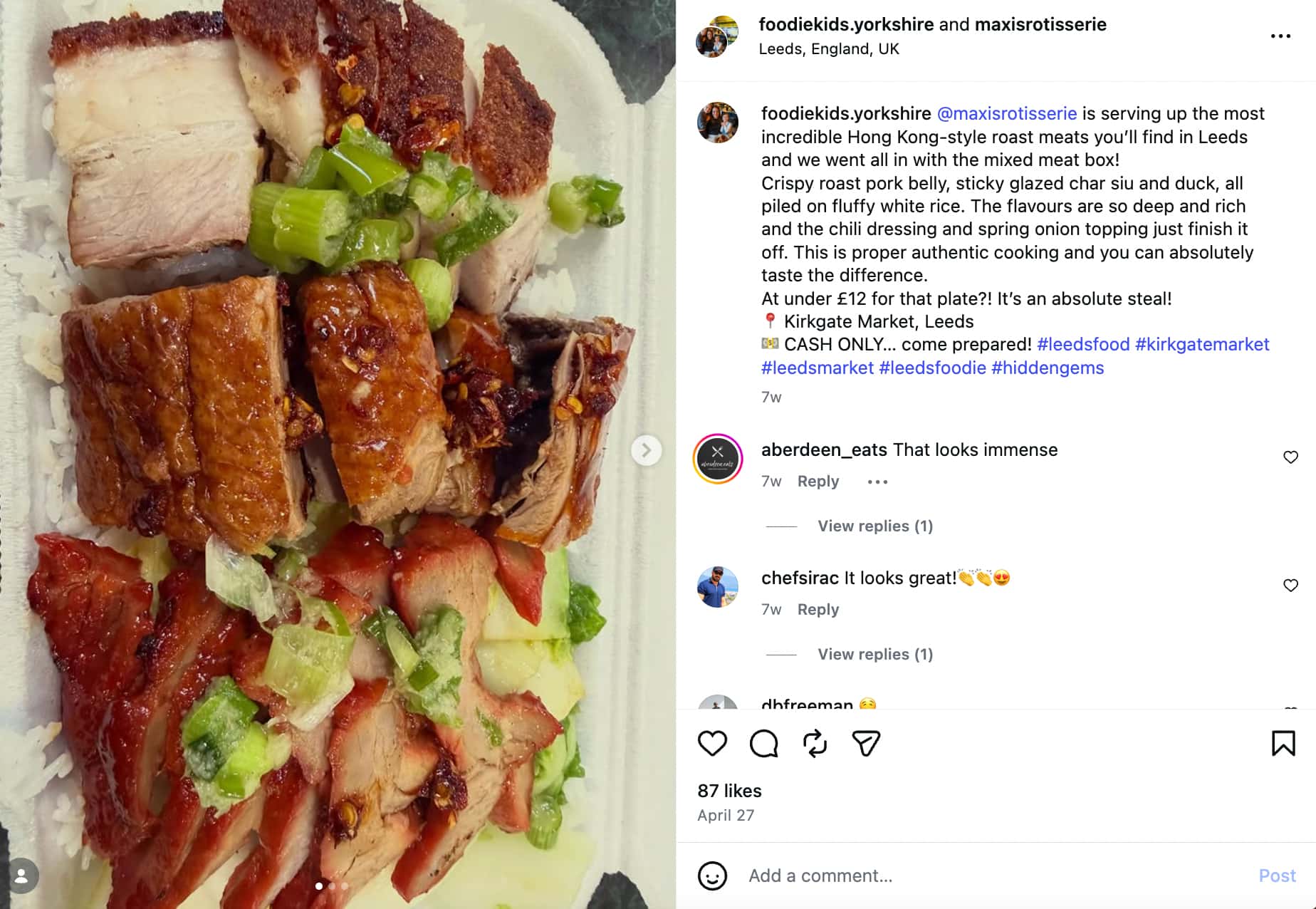
Gone are the days when influencer marketing was reserved for multi-million dollar corporations. Micro-influencers (10k–100k followers) and nano-influencers (1k–10k followers) offer an incredible return on investment. These individuals often possess a highly loyal, niche audience. A local food influencer, for example, can drive more foot traffic to a local restaurant than a celebrity with millions of followers who lacks regional relevance.
Conclusion: Working Smarter, Not Harder
The narrative that social media marketing is too time-consuming for small business owners is becoming obsolete. While the workload is real, the tools to manage it have become increasingly sophisticated. By narrowing the target audience, focusing on high-quality short-form video, engaging directly with the community, and utilizing data-backed automation, small businesses can transcend their size limitations.
The future of small business growth lies in the ability to remain agile. By treating social media not as an afterthought but as a core business process, entrepreneurs can ensure their brand remains visible, relevant, and connected in an increasingly competitive digital marketplace. The goal is not to become a media company, but to integrate the media-savvy mindset into the daily operation of the business—one post, one comment, and one connection at a time.