

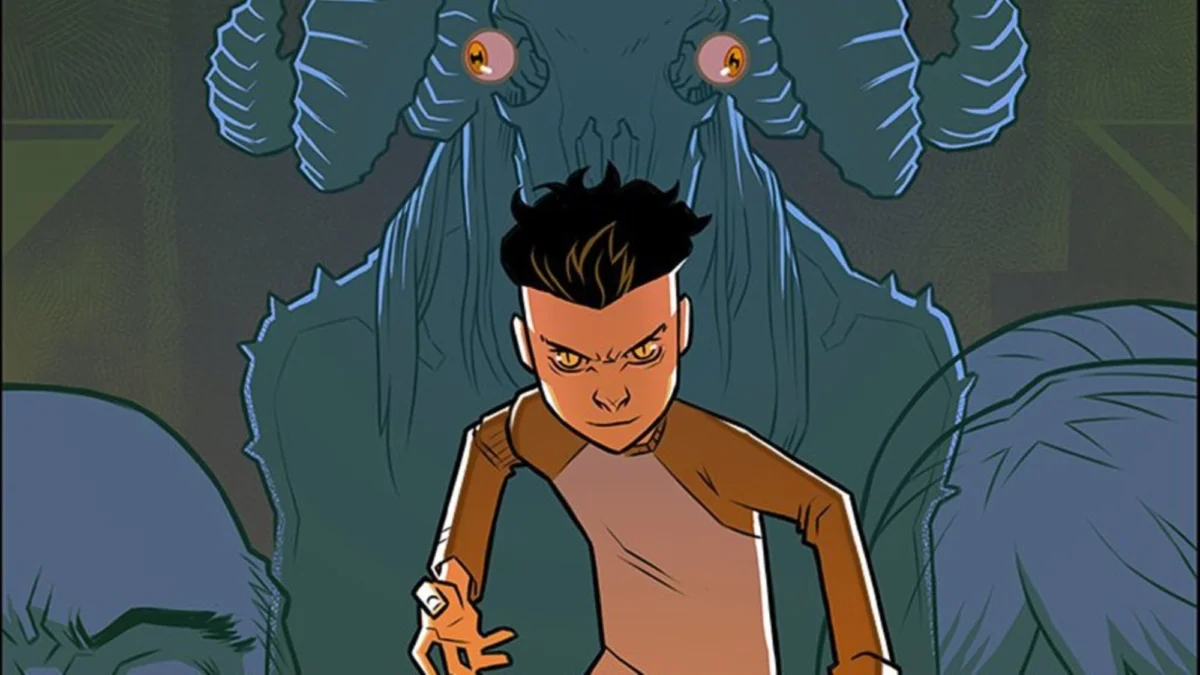
In the rapidly shifting landscape of modern sequential storytelling, the definition of a "successful" comic book is undergoing a profound metamorphosis. For decades, the industry standard for success was tethered to the "direct market"—the traditional network of brick-and-mortar comic shops. However, veteran writer Justin Jordan, a powerhouse behind titles like Luther Strode, Spread, and various DC Comics staples, has found his most significant audience not on a glossy rack, but on a scrolling digital interface.
Jordan’s series, Urban Animal, produced alongside artist John Amor and letterer Micah Myers, currently enjoys a weekly readership of approximately 100,000. In an era where even high-profile print titles struggle to maintain stable monthly sales, Jordan’s digital-first venture offers a compelling case study on how creators are bypassing traditional gatekeepers to cultivate massive, sustainable, and highly engaged global fanbases.
The Evolution of a Career: From DC to Digital
Justin Jordan’s resume reads like a map of the modern comic book industry. From his work on high-octane DC properties like Superboy, New Guardians, and Team 7, to his gritty, creator-owned hits like Spread and Reaver at Image/Skybound, Jordan has spent years mastering the mechanics of the direct market.
Yet, despite this pedigree, Jordan is quick to point out a fundamental industry blind spot. "I have a bad habit of saying ‘comics’ when what I am actually talking about is ‘direct market comics,’" Jordan notes. "We talk about comics being in trouble based on what’s happening in the direct market. But while the direct market has its ups and downs, comics—sequential storytelling—are enormously popular."
This realization became clear when he pivoted to Webtoon. While his print career established his name, Urban Animal established his scale. By leveraging the infinite-scroll format and the accessibility of a free, mobile-first platform, Jordan shifted from catering to a niche group of collectors to reaching a mass-market audience that spans the globe.
Chronology and Growth: Building a Digital Empire
Urban Animal did not achieve its status overnight. The project represents a sustained, multi-year effort to master a medium that operates on different rhythms than traditional monthly pamphlets.
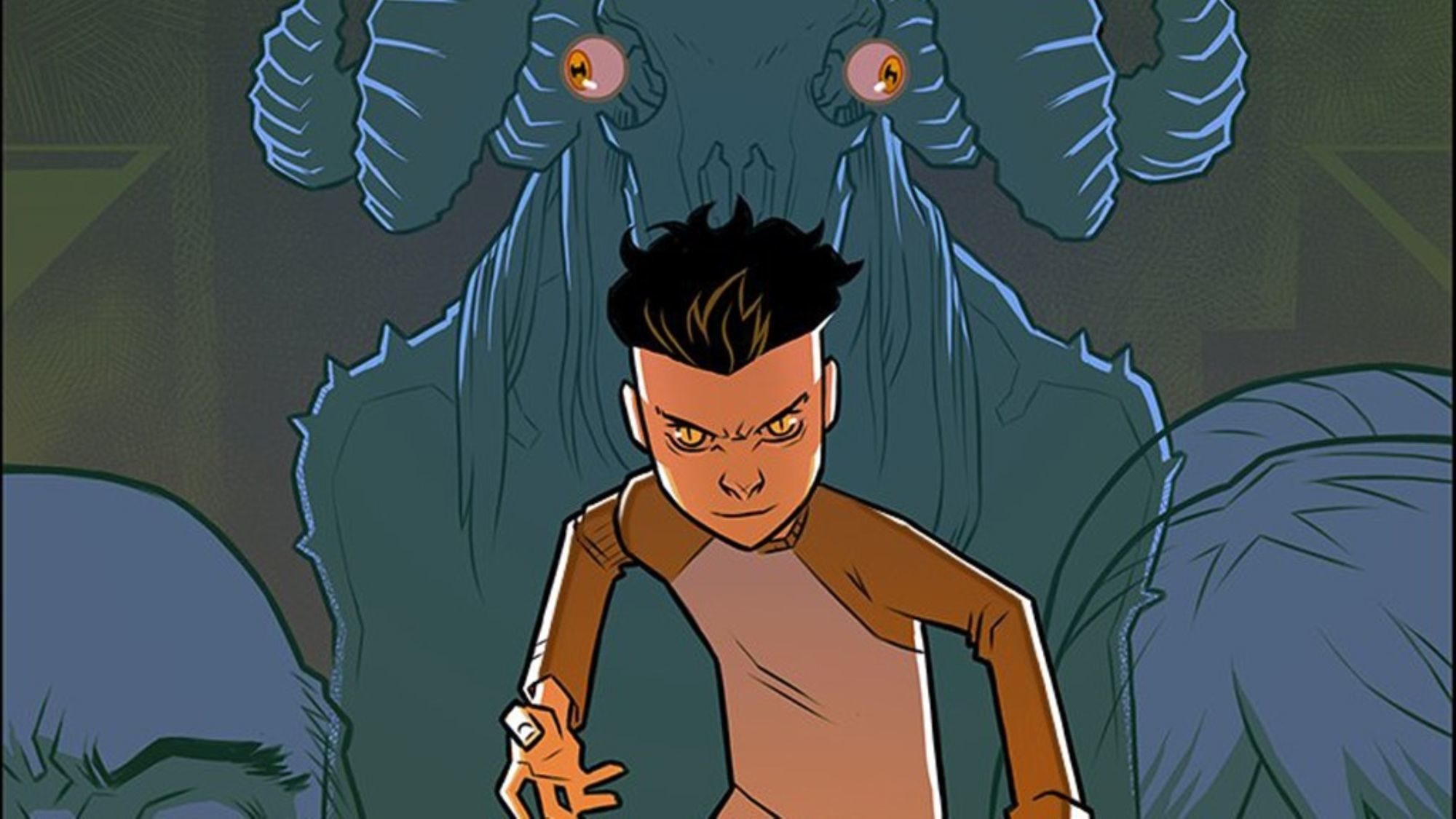
- The Inception: Jordan, Amor, and Myers launched the project on Webtoon with the aim of blending superhero tropes with supernatural coming-of-age drama. The story follows Joe Gomez, a teenager whose life is upended when he discovers he is a "Chimera"—a shape-shifting nature spirit—tasked with saving humanity.
- The Rise: Over the course of its run, the series has garnered over 465,000 subscribers. This metric—the "subscribe" button—acts as the digital equivalent of a dedicated mailing list, ensuring that every time a new episode drops, a massive, pre-qualified audience is notified instantly.
- The Weekly Cadence: Unlike monthly print cycles, Urban Animal maintains a weekly release schedule. This high frequency creates a "habit-forming" consumption pattern, keeping the story top-of-mind for readers and fueling the platform’s algorithm, which in turn feeds the series to new potential readers.
- Current Standing: Now firmly in its third season, the series has accumulated enough content to fill roughly 30 standard-sized direct market issues. The sheer volume of material, combined with its accessibility, has turned the series into a long-tail asset that continues to attract new readers while retaining a core base of long-term fans.
Supporting Data: By the Numbers
The debate between "digital vs. print" often centers on the lack of hard data in the direct market. In contrast, the Webtoon model provides transparent, albeit nuanced, metrics.
Readership vs. Subscribers
While Urban Animal boasts nearly half a million subscribers, the weekly active readership hovers between 80,000 and 100,000. Jordan explains the discrepancy: "Subscribers, readers, and likes are all awesome, but it’s not a direct comparison to the top 300 in direct market comics, because it’s free." Even with the "free" caveat, 100,000 weekly readers places Urban Animal in a bracket comparable to the top-tier, best-selling titles in the traditional print market.
The Fast Pass Revenue Model
The primary monetization tool for Webtoon creators is the "Fast Pass" program. Readers can pay approximately 50 cents per episode to read content before it is released to the general public. Jordan notes that a conservative estimate of the show’s revenue shows at least 4,000 consistent paying users per week. "That’s not great sales if it were a direct market book," Jordan admits, "but for a thing people can get for free? Not bad."
The "Feature" Advantage
As a "featured" creator on Webtoon, Jordan’s team benefits from a hybrid revenue model:
- License Fees: Guaranteed income per episode.
- Ad Revenue: A split of the advertising revenue generated by the platform.
- Fast Pass: A direct-to-consumer revenue stream.
- Promotional Support: Access to platform-wide marketing that independent "Canvas" creators do not receive.
Implications: The Shift Toward Creator Ownership
Perhaps the most critical implication of Jordan’s success is the shift in intellectual property (IP) rights. In the traditional direct market, creator-owned titles often come with strings attached, and "work-for-hire" contracts mean the creator walks away with no stake in the property’s future.
"This functions more like how you would sell a short story in the prose market," Jordan explains. "We’re getting a license fee that gives them exclusive rights to it for a certain period of time, and then we can do whatever we want with it."
This allows for a "multi-pronged" revenue strategy. The comics are monetized digitally, then transitioned into merchandise, and finally moved into physical print collections. By partnering with companies like Rocketship Entertainment, Jordan is successfully bridging the gap between digital webtoons and the physical bookstore/direct market space.
The Future of Crowdfunding
The transition to physical print is where Jordan sees the next phase of the Urban Animal lifecycle. By utilizing Kickstarter to fund the printing of the first season, Jordan is tapping into a direct-to-consumer model that avoids the overhead and distribution risks associated with traditional publishers.
"I suspect crowdfunding is going to take an increasingly prominent place in direct market comics," Jordan observes. By bypassing traditional distribution bottlenecks, he can ensure that the physical product—a 200-plus page collection—gets into the hands of his most dedicated readers without compromising the financial viability of the project.
Conclusion: A New Blueprint
Justin Jordan’s experience with Urban Animal serves as a roadmap for mid-career and emerging creators alike. By decoupling the definition of "success" from the antiquated metrics of monthly print sales, he has utilized the power of digital platforms to build a sustainable, high-volume, and reader-centric business.
The lesson is clear: while the direct market remains a vital pillar of the industry, the future of comic book storytelling is increasingly being written in pixels. With a loyal audience of nearly half a million subscribers and a diversified income stream, Jordan has proven that the path to a long-term career in comics doesn’t necessarily lie in the backroom of a local shop—it lies in the hands of a global, digital audience.
As Urban Animal continues its run, it stands as a testament to the fact that when creators are given the tools to reach their audience directly, the potential for success is no longer limited by the size of a comic shop’s shelf space, but only by the reach of the internet itself.










No comments yet. Be the first to join the conversation!