

Introduction
The cinematic landscape is currently witnessing a fascinating intersection of traditional animation and modern existential inquiry. Light Pillar, the hauntingly melancholic animated feature from Chinese filmmaker Xu Zao, has officially found its path to U.S. audiences. Following a highly acclaimed premiere at the Berlin International Film Festival (Berlinale) earlier this year, Greenwich Entertainment has finalized a deal to secure the North American distribution rights for the project.
Industry analysts are already positioning the film as a standout entry in the growing genre of “hybrid cinema,” noting its innovative approach to narrative structure and its poignant commentary on the state of the film industry. With a theatrical release scheduled for early 2027, Light Pillar is poised to challenge perceptions of what animation can achieve as a medium for both escapism and grounded social critique.
The Premise: Loneliness in the Age of Virtual Reality
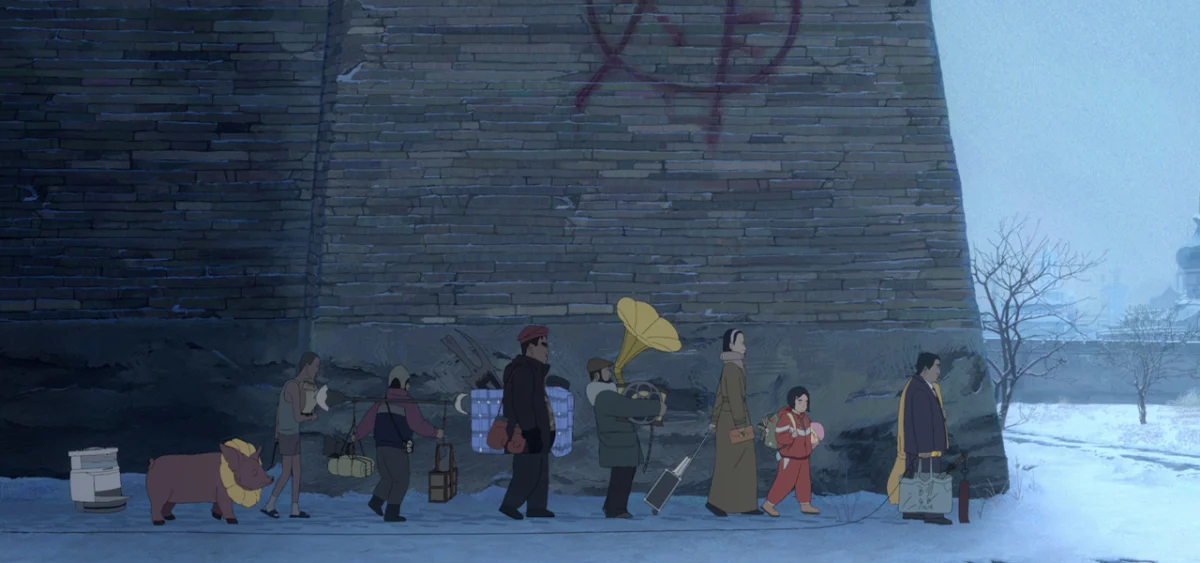
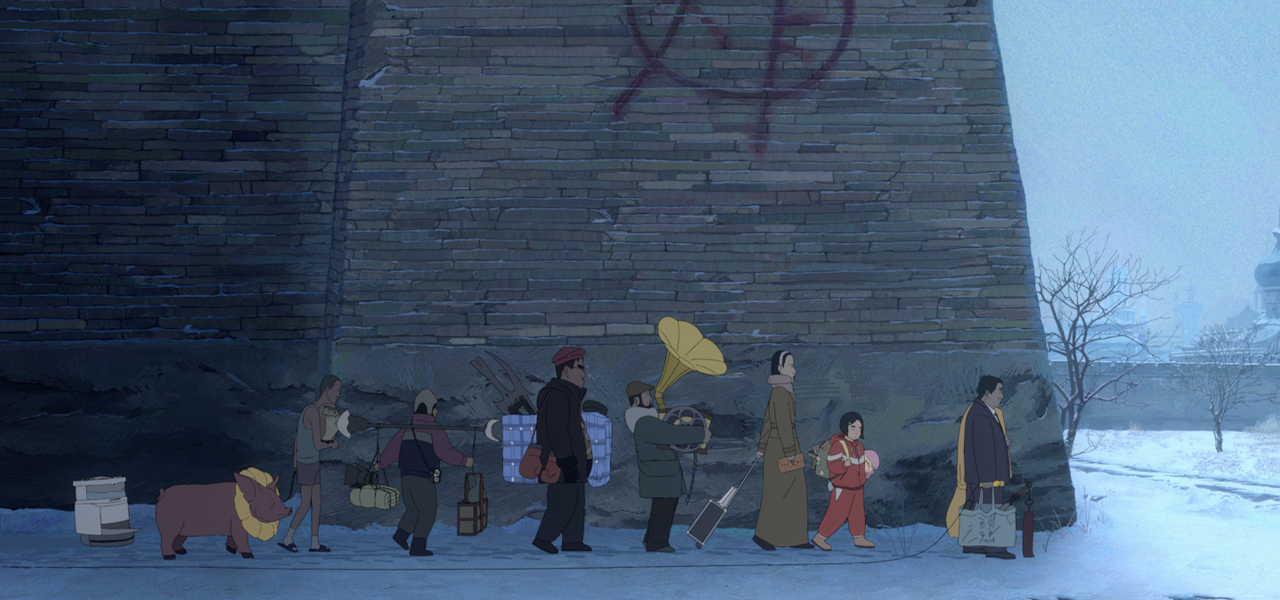
At its core, Light Pillar tells the story of a solitary janitor employed at a sprawling, decaying movie studio. As he navigates the remnants of a once-vibrant industry, he finds himself increasingly isolated from the physical world. His life, rendered in a distinctive 2D animation style, feels stagnant and colorless.
The turning point occurs when the protagonist acquires a virtual reality headset. Upon donning the device, the film undergoes a radical formal shift: the virtual world is presented in crisp, high-fidelity live action. This inversion—where the “real” world is animated and the “dream” world is live-action—serves as a powerful metaphor for the protagonist’s dissociation. He finds more life and vibrancy in the digital realm than in his dreary, repetitive reality, leading to an inevitable erosion of his own identity.
The film serves as an intimate character study, exploring themes of urban loneliness, the obsolescence of traditional labor, and the intoxicating allure of escapism in a technological age.
Chronology of the Project
The journey of Light Pillar from concept to international distribution has been one of calculated artistic ambition:
- Development Phase: Xu Zao, drawing on his extensive background as a production designer within the Chinese film industry, began conceptualizing the film as a reflection of his own experiences visiting aging, ghost-like studio lots across the country.
- Production: The film’s hybrid nature was born out of a mix of artistic intent and logistical reality. The animated segments—comprising roughly 70 minutes of the film—required a rigorous 18-month production cycle. Conversely, the 20 minutes of live-action footage were captured in a compressed four-day shoot.
- Berlinale Debut (Early 2026): The film made its international debut in Berlin, where it garnered critical attention for its atmospheric direction and technical ingenuity.
- Acquisition (May 2026): Following months of post-festival deliberation, Greenwich Entertainment stepped in to acquire North American rights, aiming to bring the film to U.S. screens by early 2027.
Technical Innovation and Artistic Rationale
One of the most compelling aspects of Light Pillar is the specific choice to make the janitor’s daily life animated. In an exclusive interview with Cartoon Brew following the Berlinale premiere, Xu Zao explained the reasoning behind this stylistic inversion.
“The film started as animation, and live-action provided a strong, direct contrast,” Xu explained. “Within the story, it is because the janitor’s life is very boring and flat.” By rendering the mundane through animation, Xu forces the audience to view the protagonist’s reality with a heightened, slightly detached perspective. The live-action sequences then act as a sensory jolt, emphasizing the allure of the virtual world.
Xu, who cites iconic auteurs like Jia Zhangke, Jacques Tati, and Sylvain Chomet as major influences, noted that he wanted to replicate Chomet’s mastery of “emotional realism.” He noted that he was less interested in the “spectacle” of VR and more interested in the psychological pull it exerts on those who feel left behind by modern society.
Industry Implications: The Hybrid Format
The production of Light Pillar highlights an emerging trend in global cinema: the strategic use of hybrid media to manage budgets and enhance narrative delivery. Xu Zao was transparent about the pragmatic benefits of his approach. By limiting the live-action sequences to essential, high-impact moments, the production team was able to allocate resources toward the intensive 2D animation that defined the film’s aesthetic.
This structure suggests a viable path forward for independent filmmakers working with limited budgets. By oscillating between mediums, directors can effectively "re-frame" the viewer’s expectations. In an era where audiences are increasingly fatigued by homogenous visual styles, Light Pillar provides a template for how to use visual medium shifts as a narrative tool rather than merely a gimmick.
Commentary on Technological Displacement
Beyond its aesthetic achievements, Light Pillar functions as a cautionary tale about the film industry itself. Xu Zao has been vocal about his concerns regarding the rapid digitalization of entertainment.
.png)
“One of the key messages of the film for me is the transformation the film industry is facing,” Xu stated. “All industries face their own stone blocks, obstacles that hinder development. We need to overcome these obstacles, or they will eventually destroy us.”
This perspective is particularly resonant at a time when AI-generated imagery and virtual production are disrupting traditional animation and live-action roles alike. The “light pillar” in the film serves as a dual symbol: it is both a beacon of hope and a destructive force that threatens to consume the protagonist’s connection to his own history.
Conclusion: Why Light Pillar Matters
As Greenwich Entertainment prepares for the 2027 theatrical launch, the film enters a crowded market of high-concept cinema. However, Light Pillar distinguishes itself through its emotional grounding. It is not merely a film about technology; it is a film about the humanity that risks being left behind in the transition to digital ecosystems.
The success of Light Pillar at the international festival circuit—and its subsequent acquisition for U.S. audiences—underscores the global appetite for stories that challenge the boundaries of medium and genre. By blending the hand-crafted nature of 2D animation with the starkness of live-action, Xu Zao has created a work that feels both timely and timeless. Whether the janitor’s journey ends in discovery or erasure remains to be seen by domestic audiences, but the conversation it provokes about the future of creative labor is already well underway.
For those interested in the evolution of independent animation, Light Pillar is a vital, essential watch. It challenges us to consider not just what we are building with our new tools, but what we are losing in the process. As the release date nears, the industry will undoubtedly be watching to see how American audiences respond to this haunting, innovative vision of the future.










No comments yet. Be the first to join the conversation!