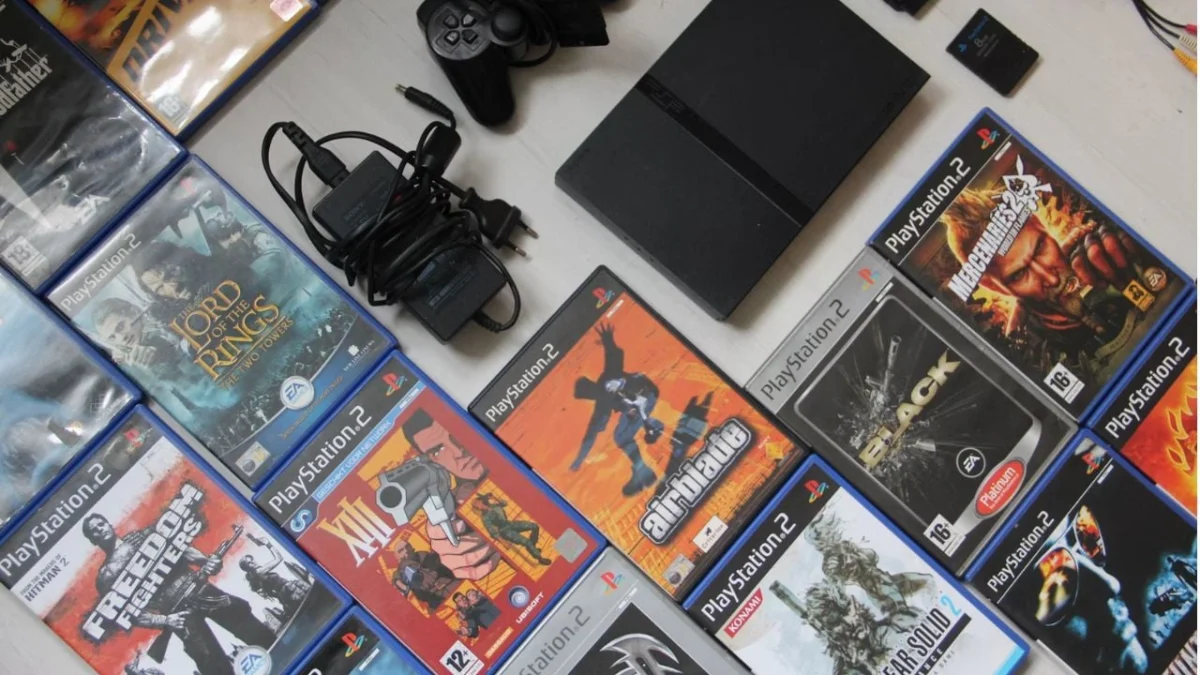
The gaming industry is currently standing at a precipice. For decades, the ritual of purchasing a physical game—the tactile experience of popping a disc into a tray, the pride of building a shelf-lined collection, and the absolute freedom to trade, sell, or lend titles—has been the bedrock of console gaming. However, that foundation is beginning to fracture.
Following a bombshell announcement by Sony that the company intends to phase out the production of physical game media by 2028, a fierce grassroots resistance has emerged. Led by independent retailers and backed by over 170,000 signatories, the "Don’t Kill the Disc" movement has evolved from a niche complaint into a significant industry-wide discourse on consumer rights, digital preservation, and the future of creative ownership.
The Chronology of a Controversial Shift
The decline of physical media has been a slow-moving trend, but the industry reached a critical flashpoint on July 1, when Sony solidified its roadmap for a transition toward an all-digital ecosystem. Under this new mandate, the company plans to discontinue the manufacturing of physical game discs for its PlayStation platform by the year 2028. While games released prior to this cutoff will continue to enjoy physical support, the post-2028 landscape will be exclusively digital, relying on proprietary codes and storefront downloads.
This decision did not emerge in a vacuum. It follows a series of incremental moves by major publishers and platform holders to prioritize digital distribution. The recent controversy surrounding the upcoming Grand Theft Auto 6—which, in its physical iteration, will reportedly provide only a download code rather than the game data on the disc—served as a catalyst for widespread consumer anger. This "hollow box" approach, where customers pay full price for a plastic case containing only a digital key, has left many gamers feeling as though their rights as consumers are being systematically eroded.
In response, PNP Games, a Canadian independent video game retailer, launched the "Don’t Kill the Disc" petition on Change.org. The movement has seen explosive growth, signaling that the dissatisfaction among the gaming public is not merely a vocal minority, but a massive, organized consensus.
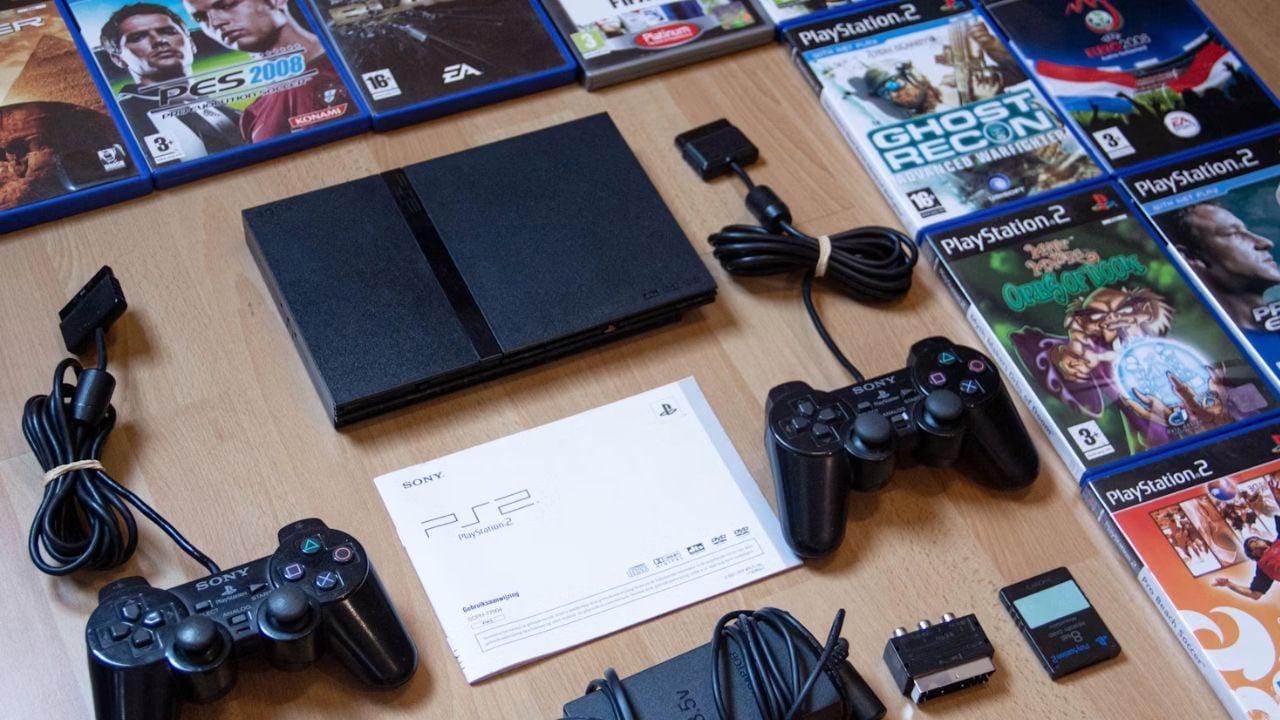
The Irony of the "PlayStation Philosophy"
Perhaps the most stinging element of this transition is the perceived betrayal of Sony’s own history. As noted by Jade Pearce, the organizer of the "Don’t Kill the Disc" petition, the current strategy stands in direct opposition to the brand identity that catapulted the PlayStation 4 to legendary status.
During the E3 2013 press conference—a moment now cemented in gaming lore—Sony explicitly leaned into the benefits of physical media to distinguish itself from the competition. At the time, they championed the ability for players to trade, sell, and lend their games, framing the physical disc as a symbol of true ownership. They famously mocked competitors who suggested a more restrictive, digital-first model.
"The irony is hard to miss," Pearce stated in the petition. "At E3 2013, Sony won over a generation of players by promising that when you buy a PlayStation game, you can trade it in, sell it, lend it to a friend, or ‘keep it forever.’ Thirteen years later, Sony is the one taking it away."
This shift has created a sense of "corporate whiplash," where players who bought into the PlayStation ecosystem specifically for its consumer-friendly policies now find themselves in a trap where those very policies are being discarded.
Economic and Industrial Implications
The move toward an all-digital future is often framed by corporations as a matter of convenience and modernization. However, the "Don’t Kill the Disc" movement argues that the consequences extend far beyond the user interface. The transition threatens to dismantle an entire economic infrastructure that has sustained the gaming industry for nearly half a century.
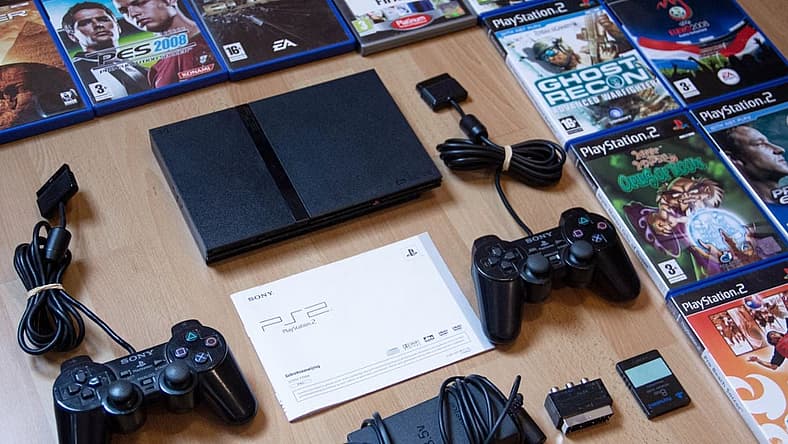
The Erosion of Small Businesses
Independent retailers, like the ones spearheading this petition, occupy a unique space in the industry. They provide a physical touchpoint for gaming culture, foster local communities, and provide a vital secondary market. The elimination of physical discs threatens to close these stores, which rely on the sale of new and pre-owned physical copies to remain profitable.
The Disappearance of the Secondary Market
One of the most significant impacts of an all-digital future is the death of the trade-in and pre-owned market. For many families and budget-conscious gamers, the ability to trade in a completed game to offset the cost of a new title is the only way to sustain their hobby. Digital storefronts, which lack a secondary market, essentially enforce a price floor, preventing consumers from recouping value from their purchases.
Job Losses Across the Supply Chain
The digital transition is not just about software; it is about physical logistics. Thousands of jobs in manufacturing, disc pressing, packaging design, distribution, warehousing, and shipping are at risk. A fully digital model effectively "outsources" the logistics of physical media into non-existence, quietly erasing a sector of the workforce that has supported the industry’s growth since the days of the cartridge.
The Preservation Crisis: "Digital Beings" in a Fragile Future
Beyond the economic concerns, there is the existential issue of digital preservation. When a game is tied to a digital server, the consumer is essentially renting a license rather than owning a product. If that server goes offline—due to the publisher closing shop, licensing rights expiring, or a company going bankrupt—the "purchased" game effectively vanishes.
"We are not against digital," Pearce clarified. "We are digital beings, the only option. A large and passionate community still wants a real, physical game they own outright, and Sony is about to take that choice away."
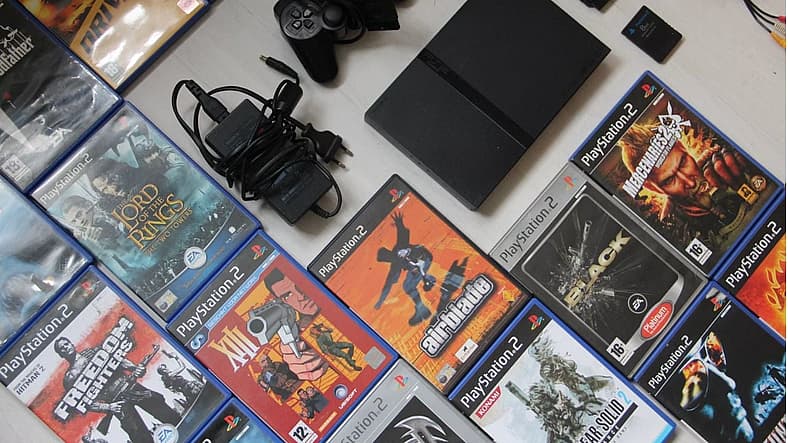
The argument for physical media is fundamentally an argument for permanence. A physical disc is an offline, tangible asset that can be accessed decades later, regardless of whether a company’s servers are active. By forcing an all-digital future, companies like Sony are creating a "disposable" entertainment culture where games are treated as temporary services rather than artistic works worthy of preservation.
Official Responses and the Wall of Silence
To date, Sony has maintained a position of strategic silence regarding the "Don’t Kill the Disc" movement. Despite the petition accumulating nearly 175,000 signatures and receiving extensive coverage across gaming media, the company has not issued a formal rebuttal or an acknowledgment of the concerns raised.
Industry analysts suggest that this silence is deliberate. Major corporations are often hesitant to acknowledge petitions, fearing that doing so might validate the protest and embolden further dissent. However, the pressure is mounting. The gaming community is increasingly using social media and community forums to coordinate their message: if the industry wants the loyalty of the players, they must respect the rights of the owners.
The Road Ahead: Can the Tide Be Turned?
The future of physical media remains uncertain, but the success of the petition has proven that the appetite for physical ownership is far from dead. It highlights a widening chasm between the boardroom priorities of large tech conglomerates and the values of the gaming public.
If Sony continues on its current path, it risks alienating a significant portion of its core demographic. In an era where digital subscription services are becoming the norm, there is still a massive, vocal, and economically active contingent of players who refuse to trade the security of a physical disc for the convenience of a digital download.

The "Don’t Kill the Disc" movement is more than just a petition; it is a declaration of intent from the gaming community. It serves as a reminder that games are not merely software—they are cultural artifacts, investments, and personal property. Whether this movement will force a shift in corporate strategy remains to be seen, but one thing is certain: the conversation surrounding digital rights and ownership has only just begun. As 2028 approaches, the industry will have to decide whether it wants to serve the players or simply control them.