Nila Kartika Wati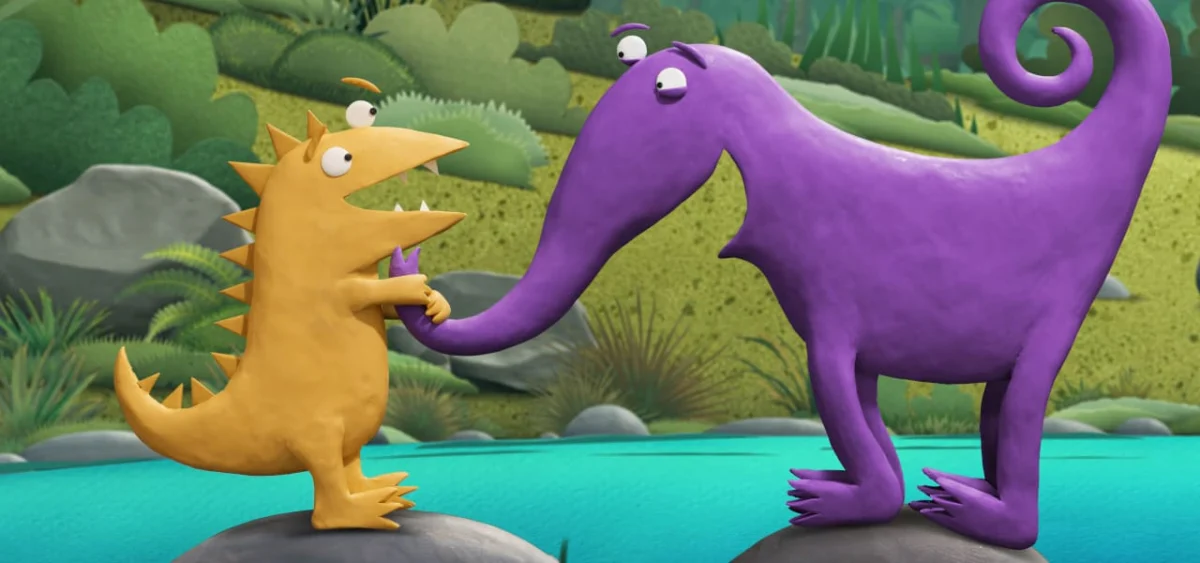
Introduction: A Stop-Motion Milestone
In the shadow of the French Alps, amidst the vibrant, creative atmosphere of the Annecy International Animation Film Festival, a quiet revolution in stop-motion storytelling took center stage. New Zealand’s first-ever stop-motion feature film, Kiri and Lou Go Raaa, held a high-profile industry breakfast, signaling a significant maturation for both the beloved franchise and the Kiwi animation industry at large.
Based on the wholesome, colorful, and idiosyncratic claymation series created by Harry Sinclair, Kiri and Lou Go Raaa represents a bold expansion of the bite-sized, emotional journeys of its titular yellow and purple protagonists. While the television series earned global acclaim for its gentle temperament, the feature film serves as a testament to the power of "deeply local" storytelling, proving that authenticity—rather than globalized dilution—is the key to international resonance.
Main Facts: Bringing the World of Kiri and Lou to the Big Screen
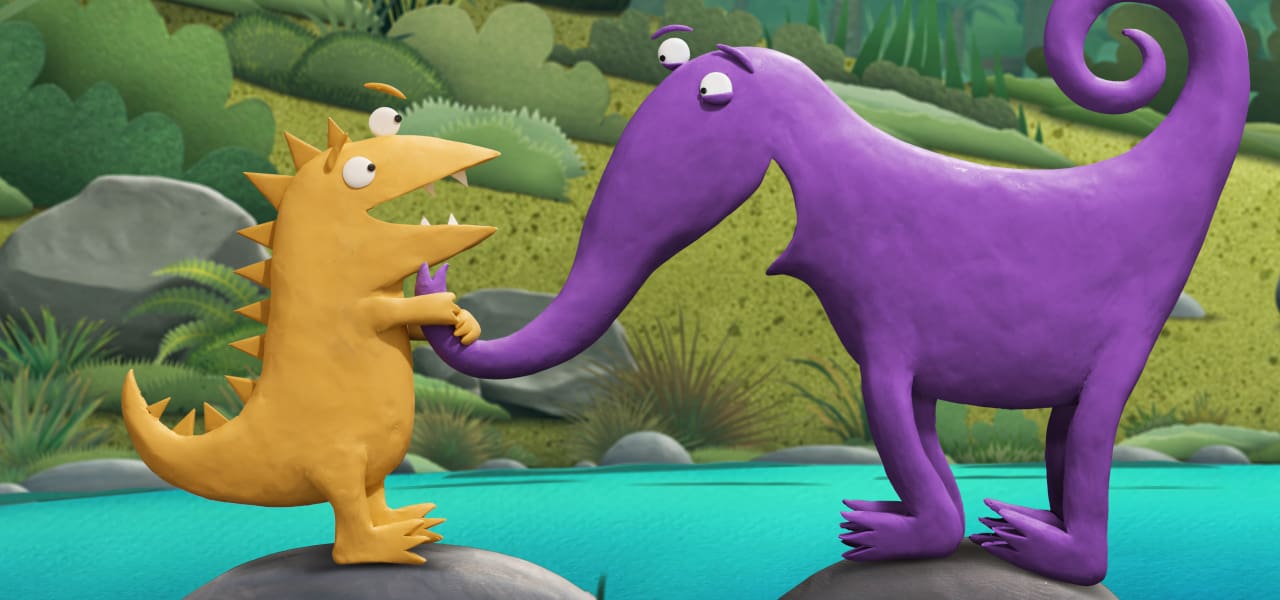
Kiri and Lou Go Raaa is more than just an extension of a television show; it is an ambitious feat of independent production. Directed by Anthony Elworthy and produced with the support of the New Zealand Film Commission (NZFC), the project maintains the tactile, "clay-on-glass" aesthetic that has become the hallmark of the brand.
The production was defined by a commitment to manual artistry. Operating out of a studio in New Zealand with a lean team of roughly 15 people at any given time, the filmmakers managed to maintain a high level of output using eight dedicated animation stations. Unlike mainstream CGI features that rely heavily on complex rigging and digital post-production, the Kiri and Lou team embraced the limitations of their medium, turning them into a distinct stylistic signature. By choosing to animate on glass tables, they bypassed the need for traditional armatures and costumes, allowing for rapid character creation and a unique, flat-plane aesthetic that prioritizes emotional clarity over technical artifice.
Chronology: From Small Screen to Global Stage
The journey of Kiri and Lou began as an exercise in subtlety, with the original series capturing the hearts of preschool audiences and adults alike through its quiet, reflective nature.
- The Genesis of the Series: Harry Sinclair’s original concept focused on the friendship between a prehistoric creature (Kiri) and her companion (Lou). The show was noted for its departure from the hyper-kinetic energy typical of children’s programming.
- The Decision to Scale: Following the success of the television episodes, the decision was made to scale the production into a feature-length narrative. This required a shift in how the production team handled lighting, camera work, and team management.
- The Annecy Spotlight (June 2026): The film was presented to the international industry at Annecy. The panel featured key creative voices, including co-director Anthony Elworthy, NZFC CEO Annie Murray, and voice actors Jemaine Clement and Olivia Tennet.
- The Expansion Phase: Throughout the feature production, the team moved beyond a strictly local workforce, integrating international talent from France, Spain, and the U.K., while simultaneously fostering a pipeline for local students through a partnership with the University of Canterbury.
Supporting Data and Production Nuance
The production of Kiri and Lou Go Raaa serves as a case study in "efficient artistry." Co-director Anthony Elworthy revealed that the transition to feature filmmaking allowed for incremental but vital upgrades to their workflow.
Technical Upgrades
In previous iterations, the camera work was handled entirely by the animators themselves, leading to a charming but inconsistent visual experience. For the feature film, the production secured a dedicated camera operator. This hire, coupled with a significant investment in controllable, high-end lighting, removed the pressure from compositors during the grading process, resulting in a more polished, professional finish without sacrificing the "handmade" feel of the clay characters.
The "Acting" of Animation
For the animators, the process is one of real-time performance. Because the clay-on-glass technique requires stop-motion photography without the ability to easily "undo" or refine motions in the way digital animators can, the work becomes a form of live performance. As Elworthy noted, "You’re acting in real time, it’s just a lot slower." This nuance is reflected in the vocal performances as well. Actor Jemaine Clement noted that the direction was often the inverse of typical industry standards: "Give less." This restraint is what gives the show its distinct, meditative quality.
Official Responses and Creative Vision
The reception at Annecy highlighted the pride felt by the New Zealand creative community in exporting a story that is unapologetically "Kiwi."
Annie Murray, CEO of the NZFC:
"The show is distinctly New Zealand, and yet has traveled so well," Murray stated during the panel. "So often, we see global appreciation requiring compromise and dilution, but Kiri and Lou shows that the opposite is true, that a deeply local story can resonate emotionally around the world." She emphasized that the film represents a sustainable model for the future of the local industry, blending creative integrity with commercial viability.
Olivia Tennet on Emotional Impact:
The star expressed her personal connection to the project, noting that its reach extends far beyond children. "I get messages from adults who don’t have kids saying that the show made them cry because of how tough a time they were going through," Tennet said. "It was their five minutes of joy each day."
Implications: The Antidote to Digital Uniformity
The most profound implication of Kiri and Lou Go Raaa is its stance against the trend toward digital homogeneity in modern animation.
.png)
Prioritizing the Creator
Elworthy argues that digital content is often "homogenized" because producers and directors have the ability to continuously edit and revise the work until it conforms to a pre-existing market standard. By contrast, the clay-on-glass method of Kiri and Lou forces a "one-off performance." This, Elworthy argues, places the power back into the hands of the animators and provides the audience with a visual texture that cannot be replicated by algorithms or server farms.
Cultivating an Industry
Beyond the film itself, the project has acted as a seed for the future of the New Zealand animation industry. By renting studio space from the University of Canterbury and inviting interns into the fold, the production team has turned their workspace into a training ground. This symbiotic relationship—where established pros from abroad share their expertise with local students—is a blueprint for how smaller nations can compete in the global market.
A New Standard for "Wholesome" Content
In a media landscape dominated by high-octane sensory overload, Kiri and Lou Go Raaa suggests that there is a massive, underserved appetite for "gentle" media. The film stands as a beacon for what is possible when creators refuse to dilute their vision. By focusing on emotional truth rather than spectacle, the team behind the film has managed to produce a work that is not only a triumph for New Zealand cinema but a necessary, calming, and humanistic addition to the global animation landscape.
As the film prepares for its wider release, the legacy of this project seems clear: it is a victory for the tactile, the intentional, and the deeply, beautifully local. Whether or not it will shift the tides of global animation remains to be seen, but as Elworthy and his team have proven, sometimes the most radical act an artist can commit is to slow down, look at the clay, and listen to the character.


 Laily UPN
 Ali Ikhwan