Introduction: The Slasher Genre at a Crossroads
The horror landscape is shifting. As Paramount Pictures officially confirms the development of a brand-new A Nightmare on Elm Street reboot, the industry finds itself at a critical juncture. For nearly four decades, the franchise has defined the "supernatural slasher" subgenre, yet it has remained dormant on the big screen since the critically panned 2010 remake. With the intellectual property finally moving out of legal limbo and into the hands of a studio hungry for a fresh, high-concept horror franchise, the central question is no longer if Freddy Krueger will return, but how.
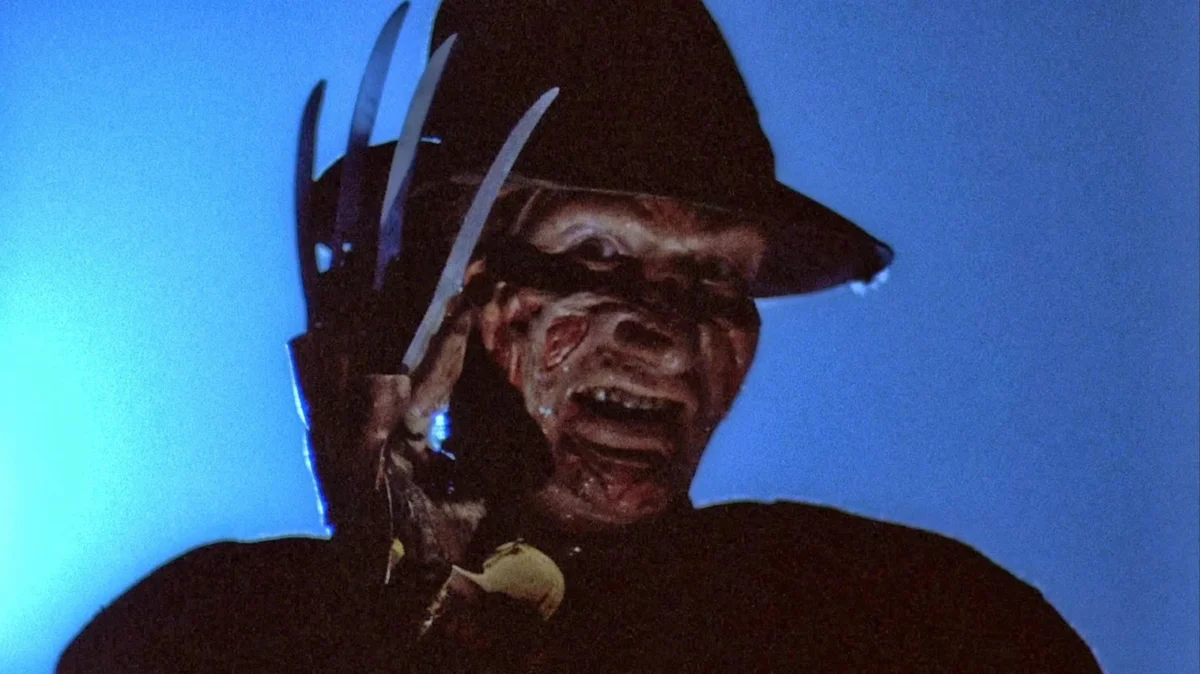
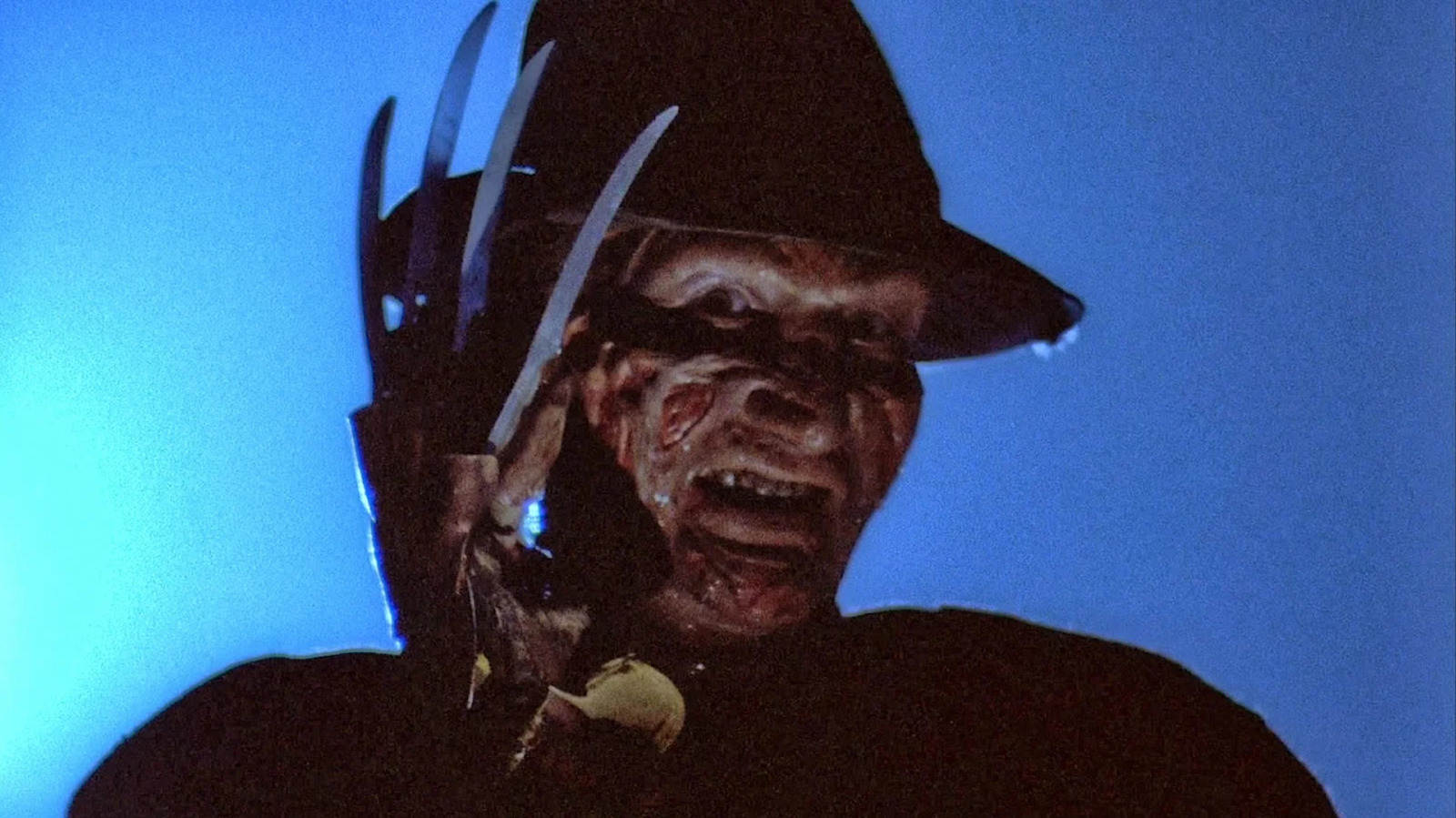
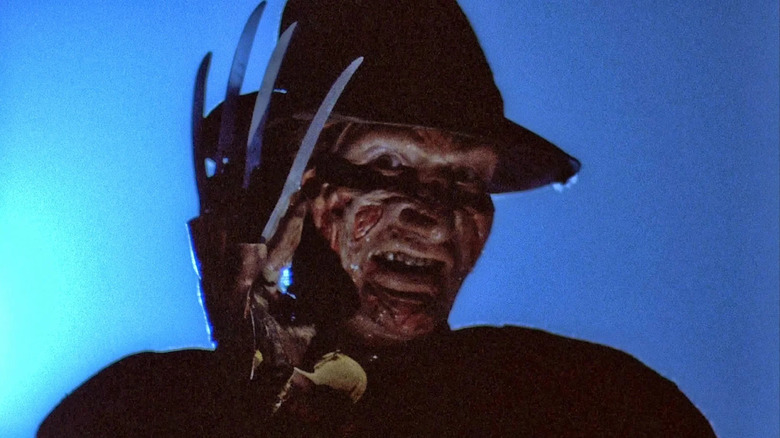
To successfully revive the Springwood Slasher, a studio must avoid the pitfalls of rote nostalgia. Robert Englund’s iconic performance set a high bar that Jackie Earle Haley’s grittier 2010 interpretation failed to clear, largely because the character’s essence—a blend of malicious humor and surreal dread—was lost. To reclaim the terror of the dream world, the next iteration of Freddy requires a performer who understands the specific, modern neuroses of a post-internet audience. Enter Tim Robinson: the sketch comedy titan whose work on I Think You Should Leave suggests he is the only actor capable of weaponizing Freddy’s unique brand of gonzo, unpredictable malice.
Chronology of a Nightmare: From Craven to the Modern Era
The Nightmare on Elm Street franchise has always been a reflection of the fears of its time.
- 1984: Wes Craven’s original film introduced a grounded, psychological terror rooted in the fear of suburban secrets.
- 1985–1991: The sequels transformed Freddy into a pop-culture icon, shifting the tone toward dark comedy and elaborate supernatural set pieces.
- 1994: Wes Craven’s New Nightmare served as a meta-textual deconstruction of the character, acknowledging that Freddy had lost his "edge" through overexposure.
- 2010: The Platinum Dunes remake attempted a return to pure horror, but failed to capture the personality that made the original films endure.
- 2026: Paramount Pictures officially announces a reboot, signaling a new era for the property under the "Paramount Primal" banner.
This history reveals a clear trend: whenever the franchise leans too heavily into generic slasher tropes, it fails. Its greatest successes came when it embraced the strange, the meta, and the unsettling.
The Case for Tim Robinson: A Master of Unsettling Performance
Why would the man behind "The Chair Company" and various viral I Think You Should Leave sketches be the right choice to play a serial killer? The answer lies in Robinson’s mastery of the "uncomfortable transition."
The Weaponization of the Ordinary
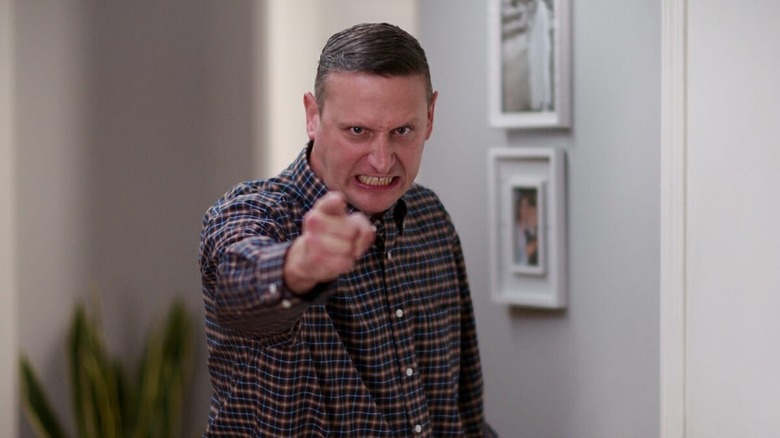
Robinson’s greatest strength is his ability to portray an "ordinary guy" who is clearly vibrating on a frequency of pure, deranged instability. In his sketches, he often plays characters who are ignored or dismissed until they erupt into incomprehensible, high-decibel rage. This is the exact DNA required for a modern Freddy Krueger. Freddy is not just a monster; he is a manifestation of the collective trauma and repressed desires of his victims. Robinson’s ability to mirror the "sinister weirdo in the CVS line" perfectly captures the modern fear of random, unprovoked violence.
The "Chair Company" Effect
In his HBO project The Chair Company, Robinson proved he could sustain a narrative arc beyond the three-minute sketch format. He displayed a capacity for "damaged menace"—a performance style that is fragile and pathetic one moment, and terrifyingly violent the next. This duality is essential for Freddy, who must oscillate between a taunting trickster and an unstoppable force of nature.
Strategic Synergy: Paramount Primal and the "Barbarian" Connection
The logistical path to this casting choice is clearer than one might think. The reboot is being overseen by the creative team behind Barbarian and Friendship—J.D. Lifshitz and Raphael Margules. These producers have a proven track record of elevating off-kilter, experimental horror. Given that Robinson stars in their upcoming black comedy Friendship, the professional connection is already established.
If Paramount is truly aiming for the "Paramount Primal" label to represent a new wave of horror, they must prioritize tone over traditional casting. Hiring a conventional "scary" actor would yield a conventional, forgettable film. Hiring a performer with Robinson’s unique, disruptive energy would signal to the audience that this iteration of Nightmare is something entirely new.
Directorial Vision: Why Casper Kelly is the Missing Piece
A performance as daring as a Tim Robinson-led Freddy Krueger requires a director who understands the power of the "uncanny valley." This is why Casper Kelly, the mastermind behind the internet-shattering Too Many Cooks, is the perfect match.
Kelly’s work specializes in the slow rot of normalcy. He takes comfortable, familiar tropes—like the 1980s sitcom or the fireplace channel—and slowly corrupts them until the viewer is left in a state of genuine existential dread. In an era where "analog horror" (such as the Backrooms phenomenon) has redefined what audiences find scary, Kelly’s ability to utilize "dream logic" as a narrative device is unparalleled.
A collaboration between Robinson’s explosive, unpredictable acting and Kelly’s unsettling, recursive directorial style would move the franchise away from the tired "jumpscare" formula and back into the realm of pure, psychological nightmare.
Implications for the Horror Genre
The implications of such a bold creative pivot would be massive. If a studio as large as Paramount were to cast a comedian known for absurdist sketches in a legacy horror role, it would effectively break the "prestige horror" cycle that has dominated the last decade. It would prove that horror is at its best when it is brave, strange, and willing to embrace the absurdity of the modern world.
The Risks of Stagnation
The alternative is a "safe" reboot. If the studio opts for a generic, masked, or CGI-heavy Freddy, the film will likely be relegated to the same status as the 2010 version: a footnote in a long, storied history. In the current market, where audiences are inundated with content, a "safe" movie is a failing movie. The Nightmare on Elm Street brand has been dormant for 16 years; it needs a shock to the system, not a gentle waking.
Conclusion: A Dream Worth Having
The casting of Tim Robinson as Freddy Krueger might sound like a chaotic suggestion on paper, but it is, in fact, a calculated risk that aligns with the history of the franchise. Freddy Krueger has always been a character who thrives on the surreal, the unexpected, and the darkly comedic.
By leaning into these traits rather than trying to bury them under layers of prosthetics and grimdark aesthetic, the new Nightmare on Elm Street could reclaim its place at the top of the horror hierarchy. It is time for Paramount to stop looking for a "new Robert Englund" and start looking for a performer who can do what Englund did: redefine the face of fear for a new generation.
The dream is waiting. All they have to do is take the swing.