

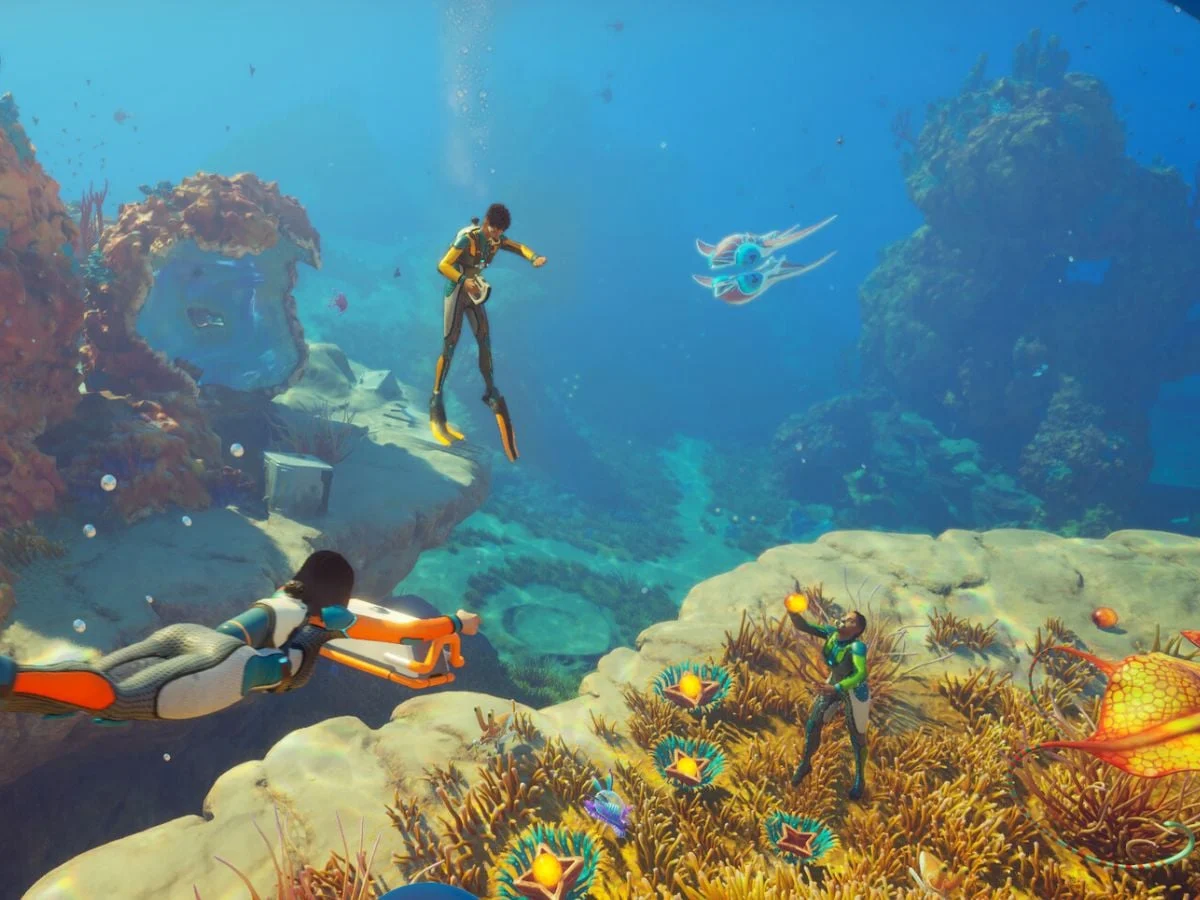
In an era where the boundary between "purchasing" and "licensing" digital goods has become increasingly blurred, the release of Subnautica 2 has become the latest flashpoint in a growing war over consumer rights. While the game itself—developed by Unknown Worlds Entertainment—has garnered critical acclaim for its immersive underwater survival mechanics, its launch has been overshadowed by a controversy involving its End-User License Agreement (EULA).
As players dive into the latest installment of the beloved franchise, many have discovered that the fine print suggests a future where the publisher holds total dominion over the software, regardless of the consumer’s financial investment. This discovery has ignited a firestorm of negative reviews on Steam, leading to a broader discourse on the ethics of digital distribution, the nature of ownership, and the future of creative freedom in gaming.
The Core Conflict: What Does the EULA Actually Say?
The controversy stems from the standard, yet increasingly draconian, language found in the Subnautica 2 EULA. When a player clicks "Accept" upon the first launch of the game, they are technically entering into a legal contract that, according to critics, strips them of traditional property rights.
The primary point of contention is the explicit clarification that the purchase of the game does not constitute a transfer of ownership. Instead, players are granted a "limited, non-exclusive, revocable license" to access the software. While this language has become standard in the industry, the specific clauses within the Subnautica 2 agreement have drawn ire for their scope.
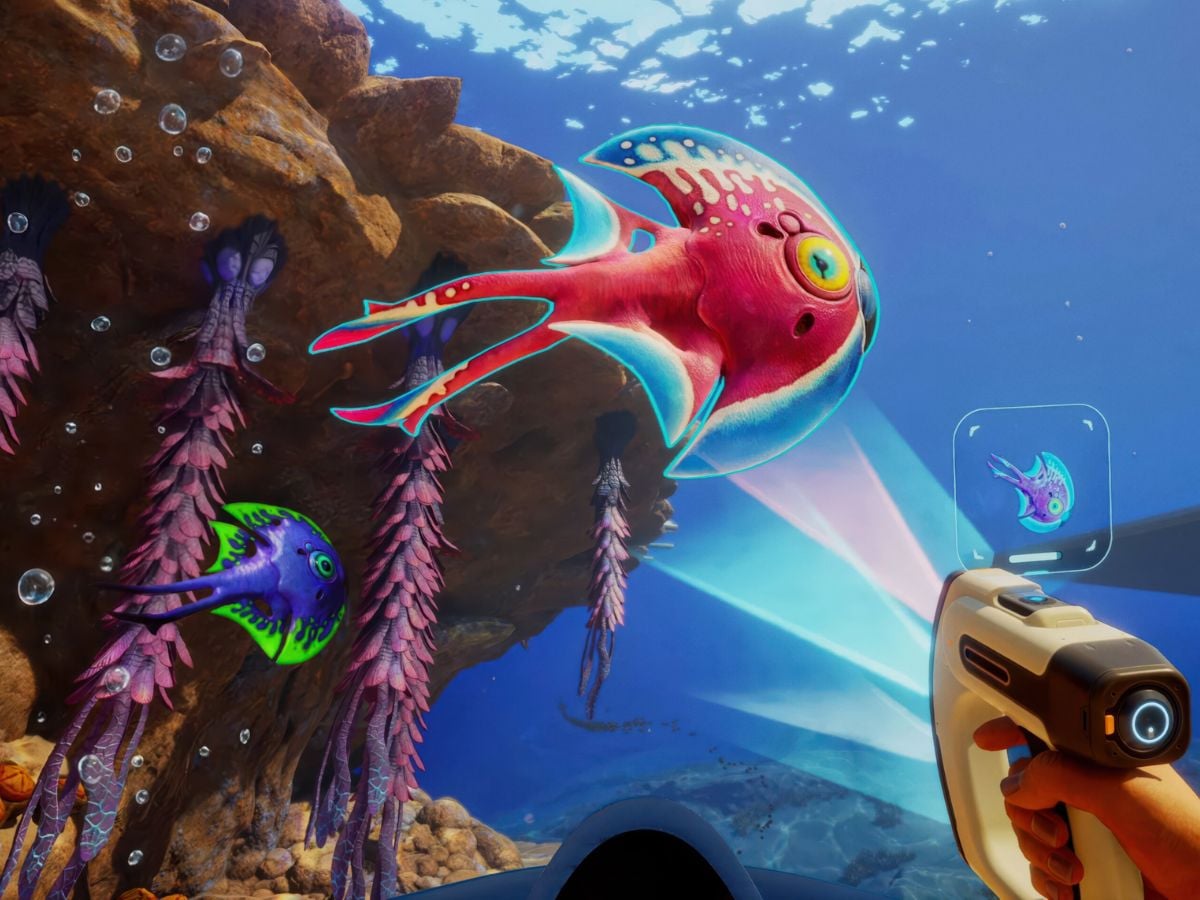
According to user reports and documentation shared on social media, the agreement lists several conditions under which the publisher may revoke a player’s access to the game. These conditions allegedly include:
- The use of VPNs: Obfuscating network traffic can be cited as a breach of terms.
- Content Creation: Restrictions on streaming, recording, and uploading gameplay footage, or the monetization of such content.
- Fan Expression: Clauses that may be interpreted as restrictive toward fan art or derivative works.
- Data Harvesting: Extensive requirements for access to personal and device-level diagnostic information.
These terms are not static. The EULA specifies that these agreements are subject to change, placing the burden on the consumer to periodically review the legal documentation to ensure they remain in compliance with the developer’s evolving standards.
A Chronology of the Backlash
The escalation from a quiet legal document to a full-blown public relations crisis occurred in a matter of days following the game’s mid-May 2026 launch.
- Pre-Launch Leak: In the days leading up to the release, Subnautica 2 suffered a significant leak. Despite the breach, a vocal segment of the fanbase rallied to defend Unknown Worlds, urging others to buy the game legitimately to support the developers, particularly in light of the studio’s recent and arduous legal battles with their parent company, Krafton.
- The Discovery (May 17, 2026): As the game went live, early adopters began digging into the EULA. The initial findings were shared on X (formerly Twitter) by users such as @Pirat_Nation, who highlighted the restrictive nature of the license agreement.
- The Review Bombing: Within hours, the positive momentum of the game’s performance was countered by a surge of negative user reviews on Steam. These reviews did not target the gameplay, which remains highly rated, but rather the legal implications of the license.
- The Demand for Refunds: The discourse quickly shifted from frustration to action. Players began publicly requesting refunds, arguing that they could not, in good conscience, support a developer that reserves the right to revoke access to a product for activities as mundane as using a VPN or recording a clip for social media.
The Broader Context: The Erosion of Ownership
The Subnautica 2 controversy is not an isolated incident; it is a symptom of a systemic shift in the gaming industry. For years, major publishers have been testing the limits of what a "purchase" entails.
The most significant precedent for this current unrest occurred in 2025 during the fallout surrounding Ubisoft’s The Crew. When Ubisoft shut down the servers for the game, effectively rendering it unplayable for those who had "purchased" it, the company faced intense scrutiny. During the ensuing legal discussions, the industry narrative solidified: buying a game is no longer an acquisition of property, but a perpetual lease that can be terminated at the publisher’s discretion.
This shift has created a dangerous precedent. If a game is a service that can be deactivated, or a license that can be revoked, then the consumer has no protection against the whims of the publisher. Critics argue that this model is fundamentally predatory, as it removes the ability to archive, preserve, or play a game offline indefinitely.
Industry Figures Weigh In: The "Piracy vs. Theft" Debate
The Subnautica 2 controversy has reignited the debate surrounding digital piracy. As the industry moves further away from physical, permanent ownership, the moral justification for piracy has been re-examined by prominent industry figures.
Most notably, Markus "Notch" Persson, the creator of Minecraft, recently weighed in on the issue. His stance is blunt: "If buying a game is not a purchase, then pirating them is not theft." This sentiment has resonated with a large portion of the gaming community, who feel that if publishers refuse to provide the protections of ownership, they have effectively voided the social contract that discourages piracy.
This perspective suggests that the industry’s push toward restrictive EULAs is actually counterproductive. By treating customers as temporary guests rather than owners, publishers may be inadvertently driving them toward unauthorized alternatives where the user maintains control over the software.
Implications for Unknown Worlds and the Future of Gaming
The situation leaves Unknown Worlds Entertainment in a precarious position. The studio, which gained immense goodwill through the original Subnautica, now faces the risk of alienating its core audience. The irony is not lost on the community: the studio fought hard to maintain its independence from corporate giants like Krafton, yet now appears to be adopting the very corporate legal practices that the community despises.
Key Implications:
- Trust Deficit: The loss of community trust is difficult to repair. When a developer is seen as an adversary rather than a partner, future sales and community engagement suffer.
- Regulatory Scrutiny: As consumer frustration grows, it is likely that governmental bodies—particularly in the EU and North America—will face increased pressure to enact "Right to Own" legislation, potentially forcing companies to clarify the limits of EULAs.
- The Rise of Alternative Platforms: The backlash may accelerate the demand for platforms that offer DRM-free, ownership-centric distribution, further fragmenting the digital market.
- Creative Suppression: If creators and streamers feel threatened by vague EULA clauses, the marketing power of content creation will diminish, as influencers may steer clear of titles that could result in legal or platform-level repercussions.
Conclusion: A Turning Point for Consumers
The backlash against Subnautica 2 serves as a stark reminder that consumers are becoming increasingly literate regarding their rights. The era of blind acceptance—where players simply hit "accept" to get to the main menu—is coming to an end.
Whether Unknown Worlds Entertainment will respond by revising their EULA remains to be seen. However, the message from the community is clear: digital ownership is a non-negotiable expectation for the modern gamer. If the industry continues to push for a model that prioritizes control over convenience and ownership, they risk a permanent fracture in the relationship between creators and the players who sustain them. The future of gaming, it seems, will not just be decided by gameplay, but by the legal fine print that governs it.









No comments yet. Be the first to join the conversation!