For two decades, the art of home curation has remained largely static: you purchase a print, find a frame that matches your décor, hammer a nail into the drywall, and live with that static image until you decide to go through the laborious process of swapping it out. While digital frames have existed for years, they have historically been aesthetic compromises—glowing, power-hungry LCD screens that looked more like miniature tablets than fine art.
However, a shift is occurring in interior design technology. The emergence of high-quality E-ink art frames, such as the SwitchBot AI Art Frame, marks a departure from the "glowing screen" era, offering a sophisticated, paper-like aesthetic that finally bridges the gap between high-tech convenience and traditional gallery style.
Main Facts: The Rise of E-Ink Displays
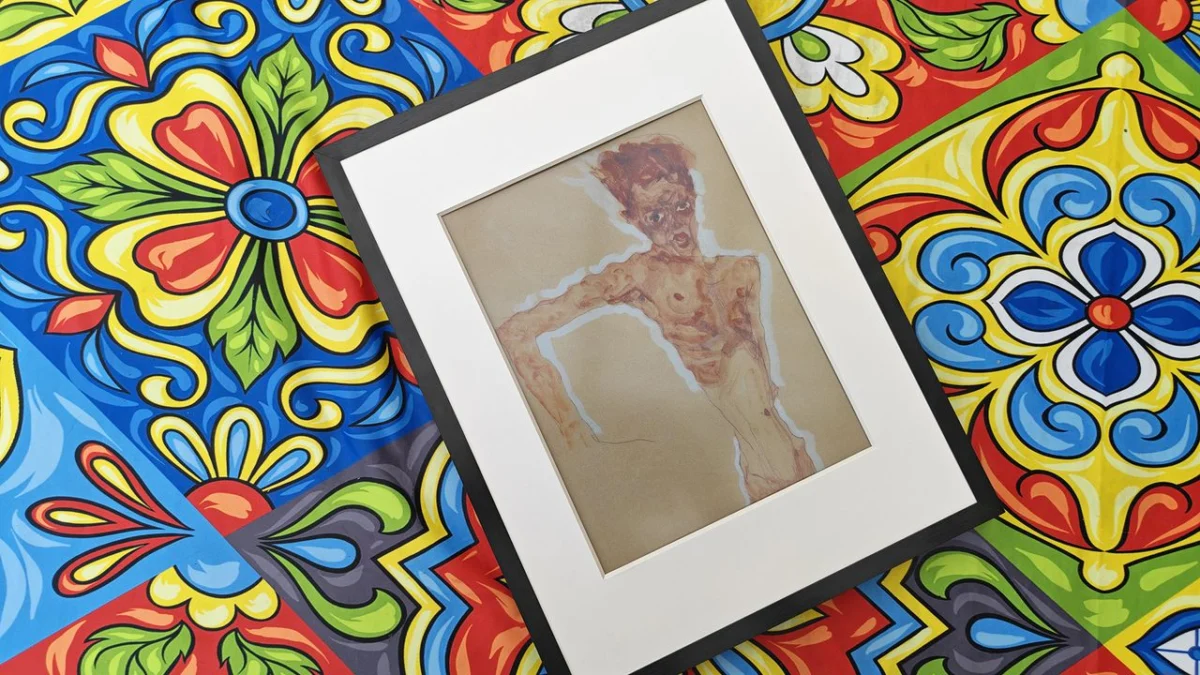
The core appeal of modern e-ink art frames lies in their physical properties. Unlike traditional LCD or OLED displays that emit light, E-ink technology uses tiny microcapsules filled with charged particles that move to form images. When the power is cut, the image remains. This is not just a technical detail; it is a transformative feature for home decor.
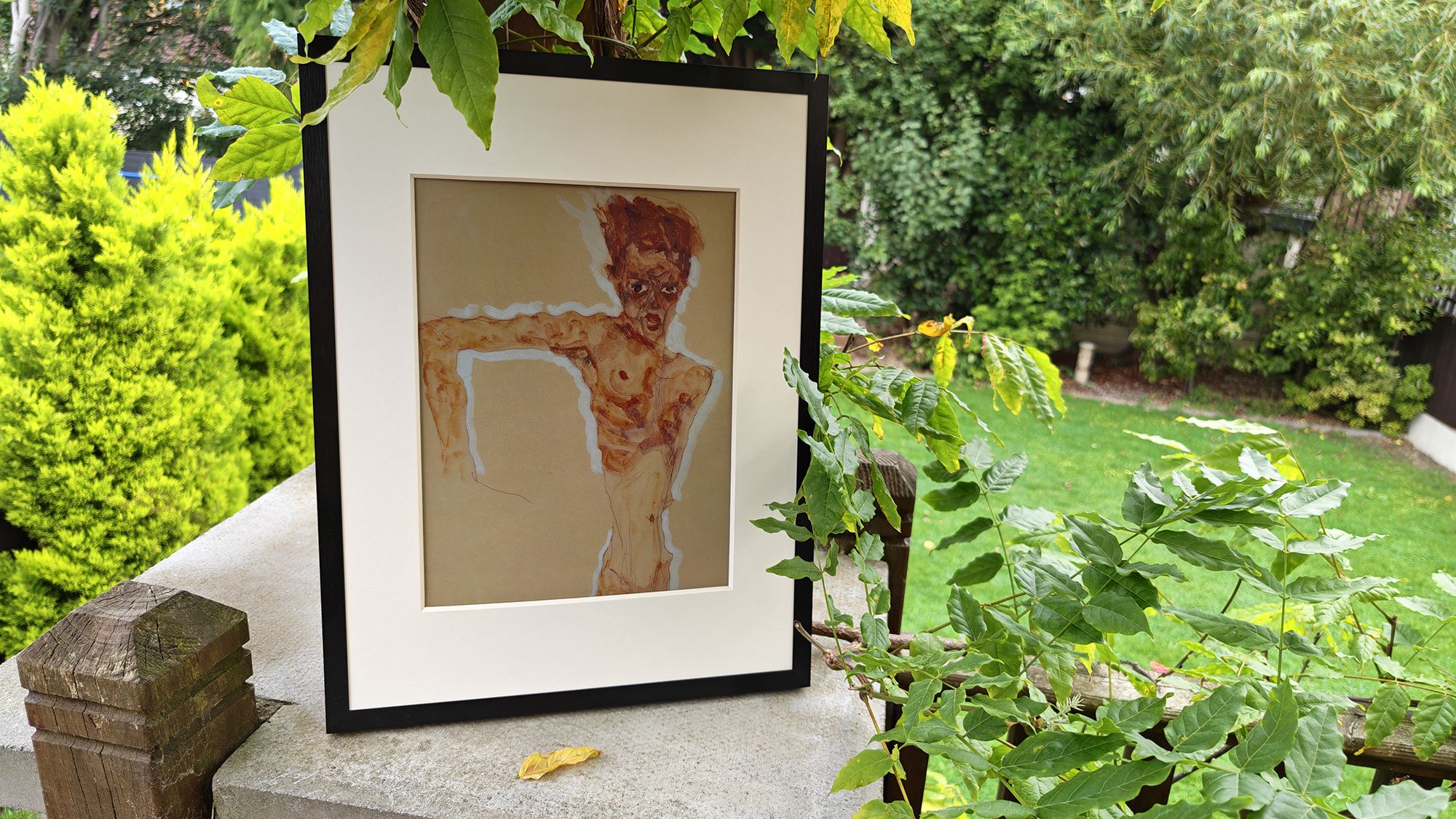
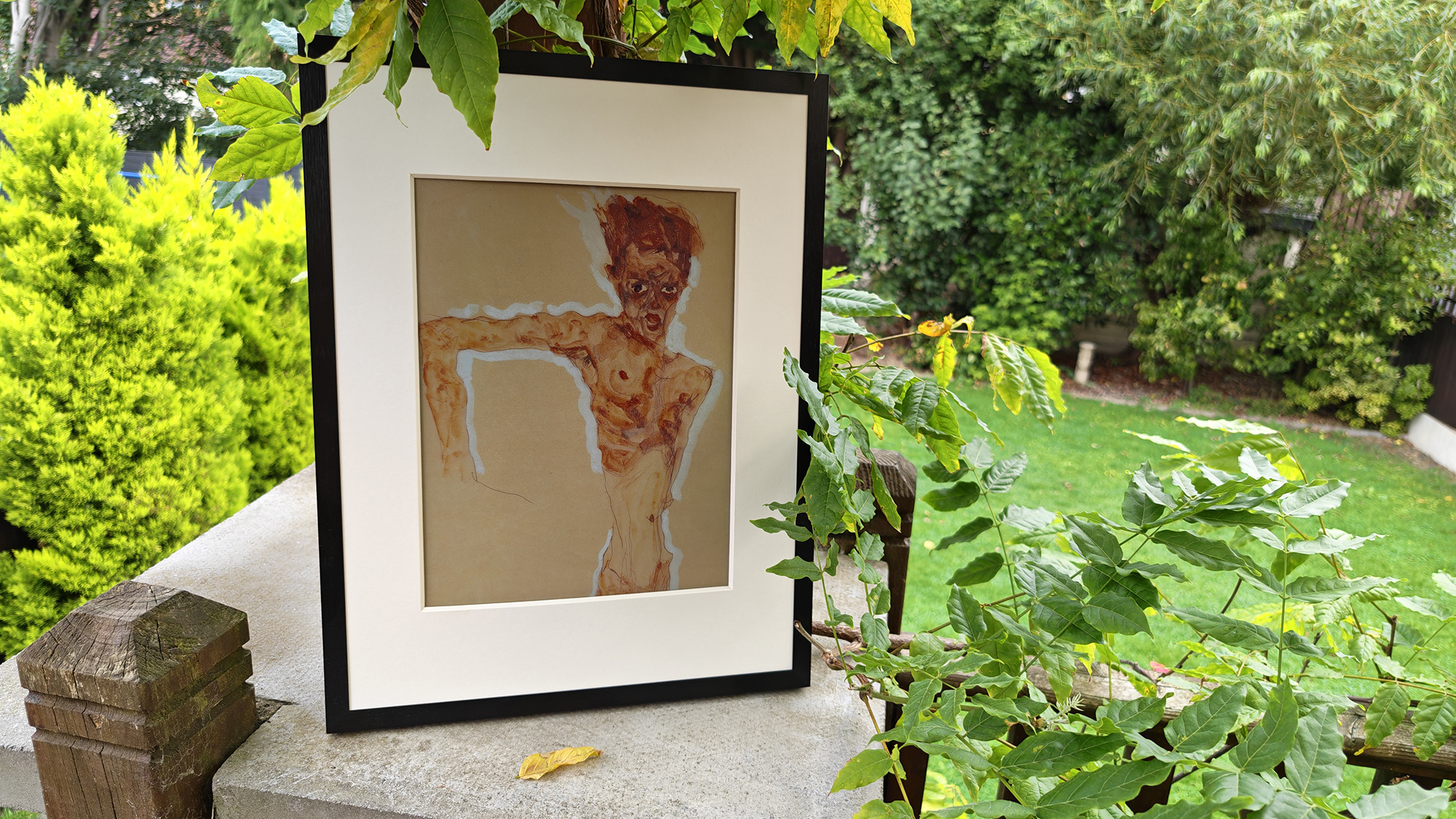
The SwitchBot AI Art Frame, which is currently seeing significant market penetration with a 24% discount, utilizes a Spectra 6 colour e-paper panel. This technology supports a palette of approximately 65,000 colors, providing a surprisingly rich, matte finish that mimics the appearance of printed canvas or heavy-stock art paper. Because these screens are non-emissive, they don’t fight the ambient light in a room. They absorb it, much like traditional paint, allowing them to blend seamlessly into a gallery wall without the distracting "blue light" glow associated with standard digital screens.
Chronology: From Experimental Gadgets to Consumer Art
The journey toward the current generation of E-ink frames has been a long one:
- Early 2000s: The first "digital photo frames" hit the market. These were bulky, low-resolution LCD screens that required constant power, thick power cables, and were notorious for their poor viewing angles.
- 2010–2015: As tablets and high-resolution monitors became common, digital frames briefly surged in popularity, but the "glowing screen" problem persisted. Users complained that they looked more like "gadgets" than "art."
- 2018–2021: The development of color e-paper (E-ink) began to reach commercial viability. Initially limited to grayscale or very muted colors, early iterations were used primarily for e-readers and niche signage.
- 2023–2024: The introduction of advanced color E-ink (Spectra 6) changed the landscape. With improved refresh rates and a wider color gamut, manufacturers like SwitchBot began targeting the home decor market, offering sizes ranging from compact 7.3-inch desktop models to large 31.5-inch wall-mounted displays.
Supporting Data: Efficiency and Integration
The primary advantage of the SwitchBot AI Art Frame—and its contemporaries—is its radical energy efficiency.
Battery Longevity
Because the screen only consumes power when the image is being updated (the "bistable" nature of e-ink), the device can effectively remain "on" for years without needing a charge. For the average user, the SwitchBot’s battery can last up to two years. This eliminates the "cables on the wall" problem that has historically plagued the digital art category, making these frames as easy to mount as a traditional piece of canvas.
The Trade-offs: Quality vs. Convenience
While the technology is a massive leap forward, it is not without its limitations. Prospective buyers should be aware of the following technical realities:
- Image Refresh Rates: E-ink is not meant for video. It takes between 15 to 30 seconds to refresh an image. While this is fine for static art, it means the frame cannot be used for dynamic slideshows or video loops.
- Color Depth: While 65,000 colors is impressive for e-paper, it lacks the deep blacks and vibrant, punchy contrast of an OLED display. Photographs of family members, particularly those with complex skin tones or high dynamic range, can look slightly "dithered" or "muted."
- The AI Subscription Model: Many of these frames, including the SwitchBot, offer AI-generation features. While cool, these often require a recurring monthly subscription fee to use the cloud-based image generation tools, which can quickly inflate the total cost of ownership.
Official Responses and Industry Positioning
In discussions with manufacturers, the consensus is that E-ink frames are not intended to compete with high-end monitors or TVs. Instead, they are being marketed as "ambient computing" devices. The philosophy is one of "slow technology"—a movement that encourages users to interact less with their devices and allow them to serve as background elements that improve the quality of a living space rather than demanding attention.
"We are moving away from the era of the ‘connected screen’ that asks for your focus," a representative for the industry noted. "The goal of the modern e-ink frame is to disappear into the wall. It should be a window, not a distraction."
Implications for the Future of Home Decor
The widespread adoption of E-ink technology could significantly disrupt the wall art market. For interior designers, the implications are profound.
A Dynamic Home Environment
Imagine a home where the art changes with the seasons, the time of day, or the mood of the inhabitants. With a central management app, a user could theoretically swap every piece of "art" in their home in under a minute. This allows for a level of personalization that was previously impossible without significant financial investment in physical prints.
The "Art-as-a-Service" Model
The integration of AI into these frames suggests that the art market is moving toward a subscription-based model. By paying a monthly fee, users may eventually gain access to galleries curated by world-class museums or bespoke AI art generated to match the specific color palette of their living rooms.
Environmental and Aesthetic Considerations
From an environmental standpoint, the reduction in energy consumption compared to traditional LCD screens is significant. Furthermore, by removing the need for physical printing, shipping, and disposing of traditional paper prints, E-ink frames represent a more sustainable long-term solution for art lovers who enjoy variety.
Conclusion: Is it Time to Buy?
If you are an art enthusiast who values the "analog" look of a physical painting but wants the convenience of a digital library, the E-ink frame is currently the best solution on the market. It is not perfect—the muted colors and slow refresh rates are a reality—but the trade-off for a screen that looks like real paper and lasts for two years on a single charge is, in many ways, an unbeatable value proposition.
For those looking to invest, the current discounts on models like the SwitchBot AI Art Frame represent an ideal entry point. Whether you are looking to showcase your own digital photography or curate a collection of digital masterpieces, these frames are finally delivering on the early, lofty promises of the technology. They are quiet, they are elegant, and most importantly, they look like art—not like the next notification on your smartphone.