Lina Hope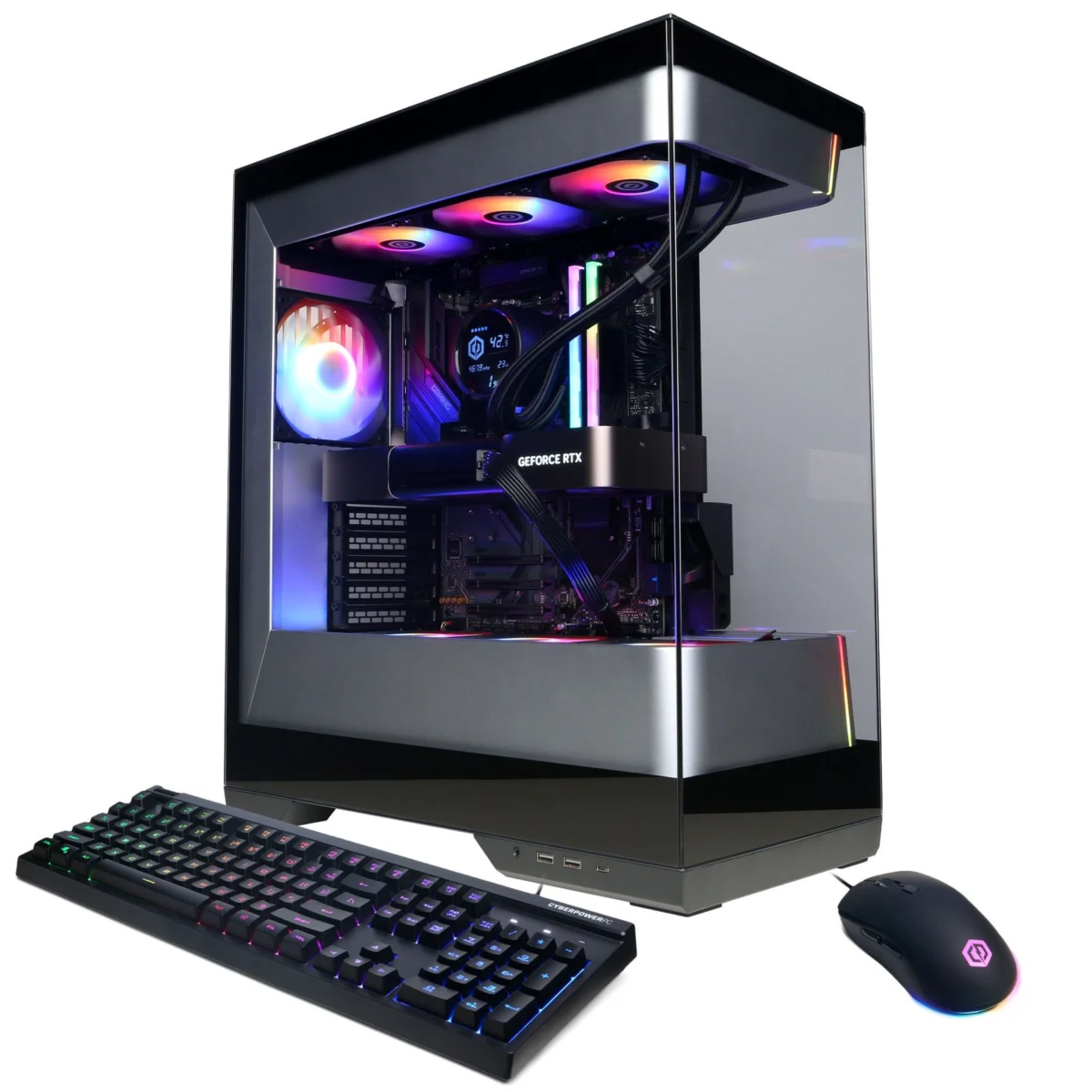
In the rapidly shifting landscape of PC hardware, finding a balance between top-tier performance and fiscal responsibility is a perennial challenge for enthusiasts. For many, the choice between building a custom rig and purchasing a prebuilt system has historically been binary: build for savings and customization, or buy for convenience and warranty support. However, the emergence of the CyberPowerPC SLC8500WST, priced at $2,299, has significantly disrupted this paradigm, offering a combination of bleeding-edge components that defy conventional market pricing.
Main Facts: A Convergence of Modern Silicon
At the heart of the CyberPowerPC SLC8500WST lies a pairing that represents the current "gold standard" for gaming enthusiasts: the AMD Ryzen 7 9800X3D processor and the NVIDIA GeForce RTX 5080 Founders Edition.
The Ryzen 7 9800X3D, widely recognized as the current king of gaming CPUs due to its advanced 3D V-Cache technology, provides unparalleled frame-time stability and high-refresh-rate performance. Complementing this is the RTX 5080, a GPU that sits comfortably in the upper echelon of the Blackwell architecture, designed to handle 4K gaming and complex ray-tracing workloads with ease.
When analyzing the "build-it-yourself" cost, the math becomes immediately compelling. The Ryzen 7 9800X3D currently carries a market value of approximately $449, while the RTX 5080 commands a baseline price of $1,579. These two components alone account for $2,028 of the system’s $2,299 price tag. This leaves a mere $271 for the remaining chassis, power supply, motherboard, 32GB of high-speed DDR5 memory, 1TB NVMe PCIe 4.0 SSD, cooling solution, and professional assembly. In the current economic climate of component pricing, this represents a near-impossible margin for a DIY builder to replicate.
Chronology: The Evolution of the Prebuilt Market
The trajectory of the prebuilt PC market has shifted dramatically over the last decade. Historically, "gaming PCs" sold by major retailers were often criticized for "filler" components—using proprietary, low-quality power supplies, slow RAM, and lackluster cooling solutions to pad margins.
- 2015–2019: The "CyberPowerPC Era" began to gain momentum as the company pivoted toward using off-the-shelf, retail-grade parts rather than proprietary components. This allowed consumers to upgrade their systems years down the line without being locked into a proprietary ecosystem.
- 2020–2022: The global chip shortage forced manufacturers to pivot their business models. During this time, prebuilt systems were often the only way to secure a high-end GPU at MSRP. This solidified the reputation of integrators like CyberPowerPC as essential conduits for gamers.
- 2024–2025: With the launch of the RTX 50-series and the Ryzen 9000-series, the market has entered a phase of extreme performance density. The SLC8500WST represents the culmination of this evolution, where the value is found not in scarcity, but in the aggressive bundling of high-demand parts.
Supporting Data: Breaking Down the $271 Gap
To understand why the $2,299 price point is considered a "deal," one must look at the granular costs associated with the "ancillary" parts of a gaming computer.
The Component Spreadsheet
| Component | Estimated Retail Price (DIY) |
|---|---|
| AMD Ryzen 7 9800X3D | $449 |
| NVIDIA GeForce RTX 5080 | $1,579 |
| 32GB DDR5 RAM (Standard Kit) | $100 |
| 1TB PCIe 4.0 NVMe SSD | $75 |
| B650/X670 Motherboard | $150 |
| 750W-850W 80+ Gold PSU | $100 |
| Case & Cooling (AIO/Air) | $150 |
| Total DIY Estimate | $2,603 |
By choosing the prebuilt route, the consumer saves roughly $304 compared to buying parts individually. Furthermore, the consumer benefits from the "System Integrator Advantage." When building a PC, the end-user is responsible for troubleshooting hardware conflicts, BIOS updates, and potential DOA (Dead on Arrival) parts. With a prebuilt system, the entire unit is stress-tested and warrantied as a cohesive machine.
Official Responses and Market Positioning
While CyberPowerPC has not released a formal manifesto regarding their pricing strategy, market analysts suggest that these "hero deals" are a deliberate attempt to capture the enthusiast segment. By offering high-end components at a price that beats the sum of its parts, they effectively neutralize the primary argument for building a custom PC.
Industry insiders note that CyberPowerPC, as a high-volume system integrator, benefits from direct-to-manufacturer pricing that individual consumers cannot access. They purchase GPUs, CPUs, and memory in bulk, often securing prices 10–15% lower than the retail prices seen on sites like Amazon or Newegg. This efficiency is passed down to the consumer, allowing the company to maintain a profit margin while still providing an "unbeatable" deal.
Implications for the DIY Community
The rise of such high-value prebuilt systems creates a fascinating paradox for the PC building community.
1. The Decline of the Budget Custom Build
For years, the mantra "build it yourself to save money" was the bedrock of the PC gaming hobby. With deals like the SLC8500WST, this is no longer universally true. For a significant portion of the population—particularly those who value their time—the incentive to spend an entire Saturday hunting for deals, assembling components, and troubleshooting driver issues is diminishing.
2. Standardized High-End Computing
When high-end hardware becomes more accessible through prebuilt systems, the baseline for what is considered a "good" gaming PC rises. This forces individual component manufacturers to compete more aggressively on price and features, as the "convenience factor" of prebuilts becomes more enticing than the "customization factor" of DIY.
3. Sustainability and Upgradability
One potential drawback for the consumer is the loss of the "learning experience." Building a PC teaches the user about the interplay of thermal management, power delivery, and cable management. However, modern system integrators have largely moved away from the proprietary designs that once made upgrading difficult. The SLC8500WST uses standard ATX form factors, meaning that while the system is bought as a package, it remains just as upgradable as a home-built system.
Final Analysis: Is It Worth the Investment?
The $2,299 price tag for the CyberPowerPC SLC8500WST is, by almost any metric, a strategic play by the manufacturer to dominate the high-end prebuilt market. By anchoring the system with the RTX 5080 and the 9800X3D, they have removed the "bottleneck" of doubt that typically plagues lower-end prebuilts.
For the gamer who wants to jump straight into 4K titles like Cyberpunk 2077 or Microsoft Flight Simulator with maximum settings and high frame rates, this system offers a clear path forward. It eliminates the logistical headache of sourcing hard-to-find components and provides a professional assembly that is ready to perform out of the box.
As we look toward the remainder of the year, it is likely that competitors will be forced to respond to the value proposition established by this machine. Until then, the CyberPowerPC SLC8500WST stands as a benchmark for what consumers should expect when they pay a premium for a high-end gaming experience. Whether you are a seasoned veteran of PC building or a newcomer looking for your first powerhouse machine, the math is undeniable: the market has reached a point where the convenience of a prebuilt no longer requires a sacrifice in value.

 Ali Ikhwan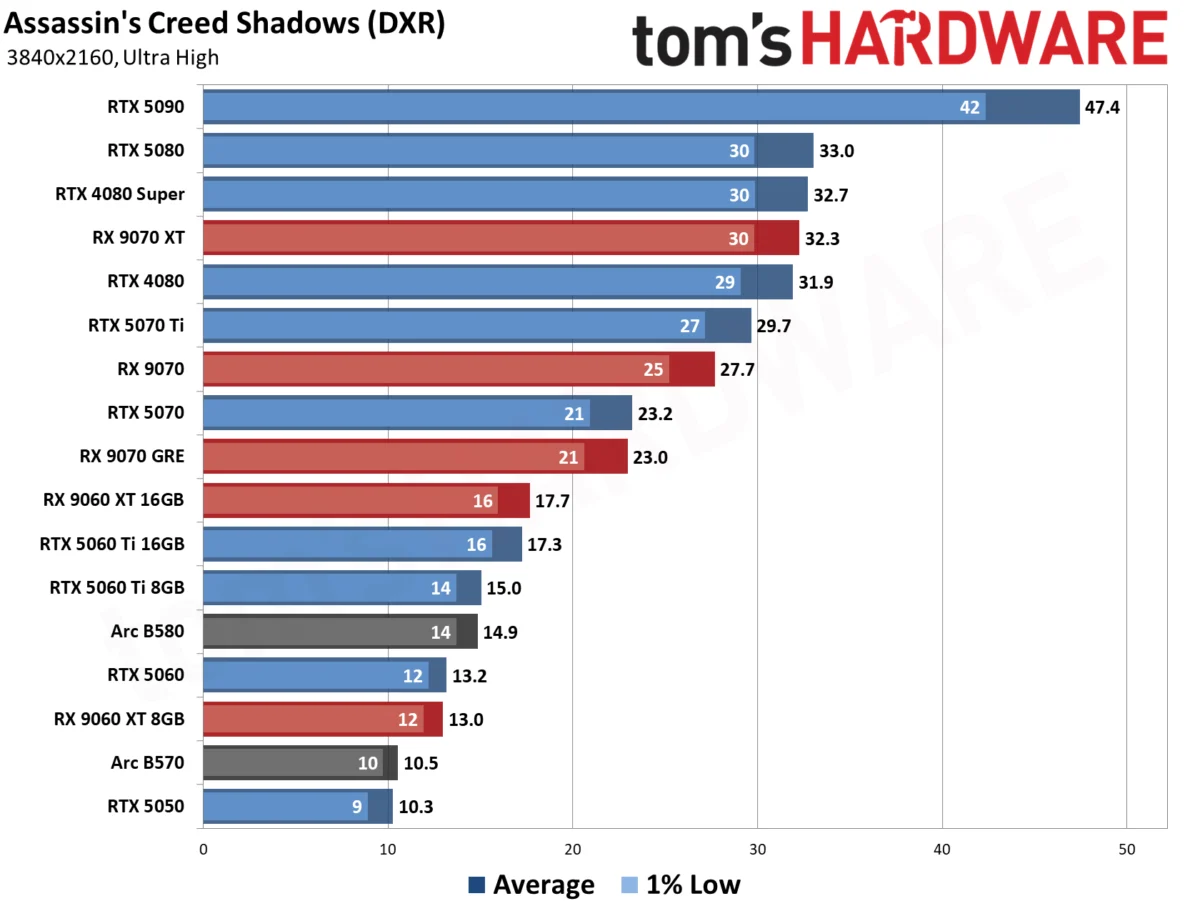
 Nana
Nana