Dwi Wanna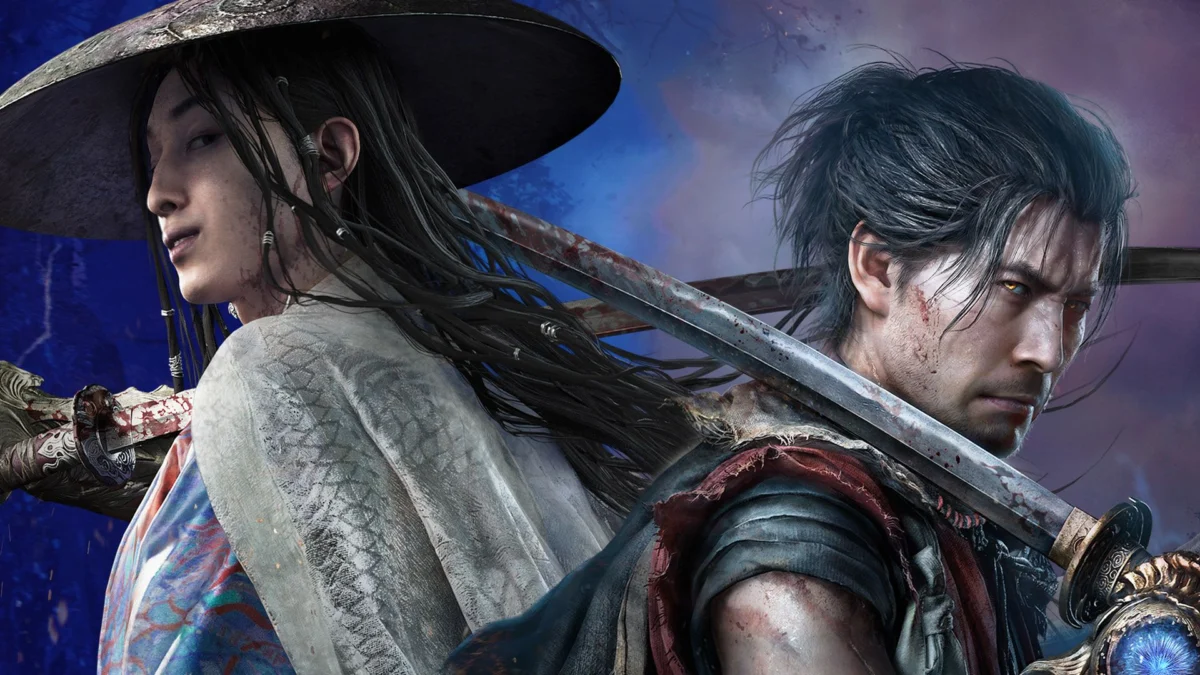
For two decades, the Onimusha name has existed in a state of suspended animation. While Capcom’s legendary samurai-slasher series defined the early PlayStation 2 era with its blend of pre-rendered backgrounds, tank controls, and demon-slaying action, the franchise faded into the background following the 2006 release of Onimusha: Dawn of Dreams. Aside from the occasional high-definition remaster or niche spin-off, the series has been largely dormant, skipping two full console generations.
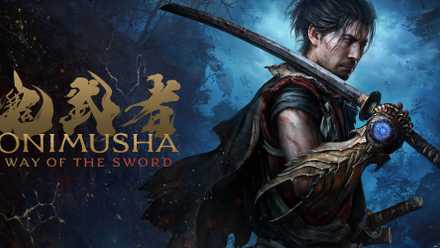
However, the silence is finally being broken. With the upcoming release of Onimusha: Way of the Sword on September 25, 2026, Capcom is poised to bring one of its most beloved intellectual properties into the modern gaming landscape. Following a hands-on preview at this year’s Summer Game Fest, it is clear that this is not merely a nostalgia-bait revival; it is the fundamental evolution the series has desperately needed.
The Long Road to Resurrection
To understand the significance of Way of the Sword, one must look at the historical context of the franchise. Onimusha was once the crown jewel of Capcom’s action portfolio. It bridged the gap between the survival horror tension of Resident Evil and the fast-paced, visceral combat of the burgeoning hack-and-slash genre.
The chronological timeline of the series began in 2001 with the original Onimusha: Warlords, followed by Onimusha 2: Samurai’s Destiny and Onimusha 3: Demon Siege. By the time Dawn of Dreams arrived, the formula had begun to show its age, struggling to adapt to the transition toward more fluid, 3D-space-oriented combat. After twenty years of absence, fans had begun to fear that the series had been relegated to the annals of history. The announcement of Way of the Sword—powered by the state-of-the-art RE Engine—represents a massive shift in how Capcom treats its legacy, proving that they are willing to modernize classic mechanics without stripping away the identity that made the series a cult hit.
Gameplay Mechanics: Tradition Meets Modernity
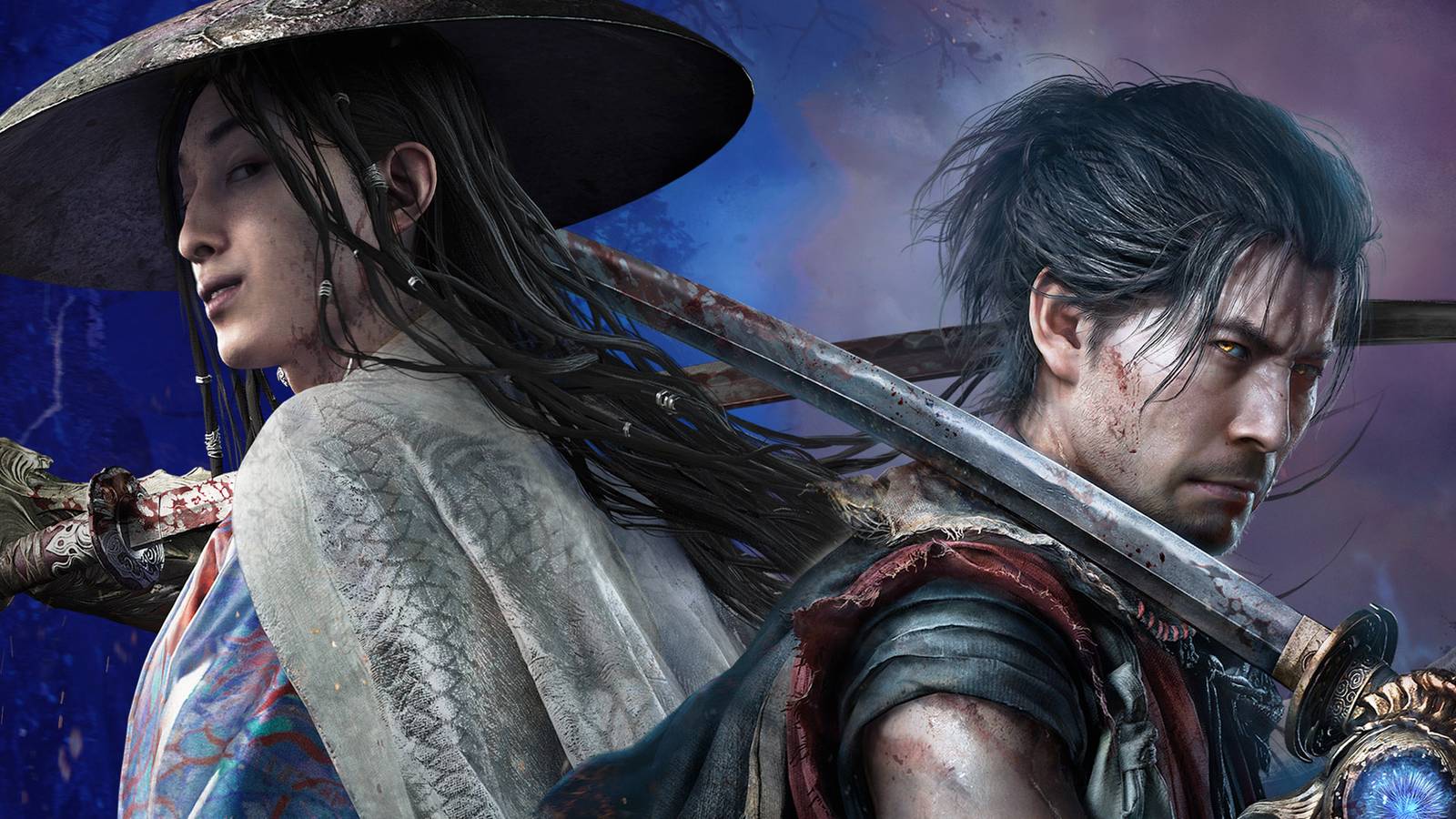
At its core, Onimusha: Way of the Sword maintains the series’ traditional soul-absorbing loop. Players control the legendary Miyamoto Musashi during the Edo period, navigating a landscape infested with demons. Defeating these enemies yields souls—red for currency, and others for tactical advantages like health regeneration.
However, the combat loop has undergone a significant transformation. Where the original titles relied on fixed camera angles and methodical, occasionally stiff movement, Way of the Sword embraces a modern, third-person perspective. The most notable change is the refined parry system. In previous titles, combat was often about managing positioning and resources; here, the game emphasizes the "skill-check" nature of the samurai duel. Parrying is not just a defensive tool—it is the key to unlocking devastating, cinematic finishing moves that reward precision over button-mashing.
The "Souls-Lite" Influence
During the Summer Game Fest demo, the influence of the modern action-RPG landscape was palpable. The inclusion of Spirit Mirrors, which act as checkpoints and teleportation hubs, draws a clear line of inspiration from the Dark Souls series. This structure provides a sense of continuity and consequence that the series lacked in its earlier, more arcade-oriented iterations.
Yet, the developers have been careful not to turn Onimusha into a punishing masocore title. The difficulty curve feels balanced; while regular demonic skirmishes are manageable, the game introduces tactical depth through enemy variety. Ambushes are frequent, requiring players to cycle through their arsenal of blades, each with distinct reach and weight, to survive the onslaught.

Technical Prowess and the RE Engine
Perhaps the most striking element of the preview was the visual fidelity. Built on the RE Engine—the same technology behind the recent Resident Evil remakes and Devil May Cry 5—the game looks stunning. The environments are no longer static, pre-rendered backdrops, but fully realized, interactive spaces.
The weight of the combat is perhaps the biggest technical triumph. In many modern action games, the player character moves with superhuman, almost weightless speed. Way of the Sword takes a different approach: it favors deliberate, heavy, and precise movements. Every swing of Musashi’s katana feels like it has mass. When a blade connects with a demon, the impact is felt through the screen, reflecting a semi-realistic approach to swordplay that feels fresh in a genre saturated with "floaty" movement.
Exploring the Edo World
The move to an open-world design allows for a greater degree of exploration than the linear corridors of the past. In our demo, we were granted access to a segment of a town during the Edo period. This allowed for side quests—a first for the series—where players can assist local villagers under siege by demonic forces. These interactions provide narrative flavor and minor rewards, deepening the immersion of the game world.
While the demo map was segmented, it hinted at a much larger scope. The environments were dense with detail, from the weathered wood of the buildings to the eerie, swirling mist that precedes a demonic spawn. The atmosphere is thick with the historical dread that defined the early entries, updated with the lighting and particle effects that only the current generation of hardware can provide.
The Boss Encounter: A Test of Skill
If the standard combat is the "bread and butter," the boss encounter was the "main course." The demo concluded with a two-phased battle against a towering demon. This fight served as the ultimate test of the game’s mechanics. The boss required a sophisticated mix of well-timed parries and aggressive movement to avoid massive, area-of-effect combos.
Unlike the standard enemies, which could be dispatched with relative ease, the boss fight felt like a true obstacle. It demanded a mastery of the mechanics learned throughout the early stages of the demo. The artistic design of the boss—a twisted, grotesque amalgamation of armor and demonic anatomy—showcased the high level of visual creativity that Capcom has poured into the project. It was a highlight of the experience and a promising indicator of what players can expect from the full release.
Implications for the Future of the Franchise
The implications of Onimusha: Way of the Sword are significant for both Capcom and the broader action-game genre. For Capcom, it signals that their strategy of revitalizing dormant properties through the RE Engine is a sustainable, highly lucrative model. Should Way of the Sword succeed, it opens the door for a potential resurgence of other "forgotten" franchises.
For the players, it represents a bridge between eras. It respects the legacy of the original PlayStation 2 games—retaining the soul-absorption mechanic and the dark, historical fantasy aesthetic—while successfully integrating the quality-of-life and combat advancements of the last decade. It proves that a series doesn’t have to change its identity to evolve; it simply needs to refine the mechanics that were already there.
Conclusion: A Date with Destiny
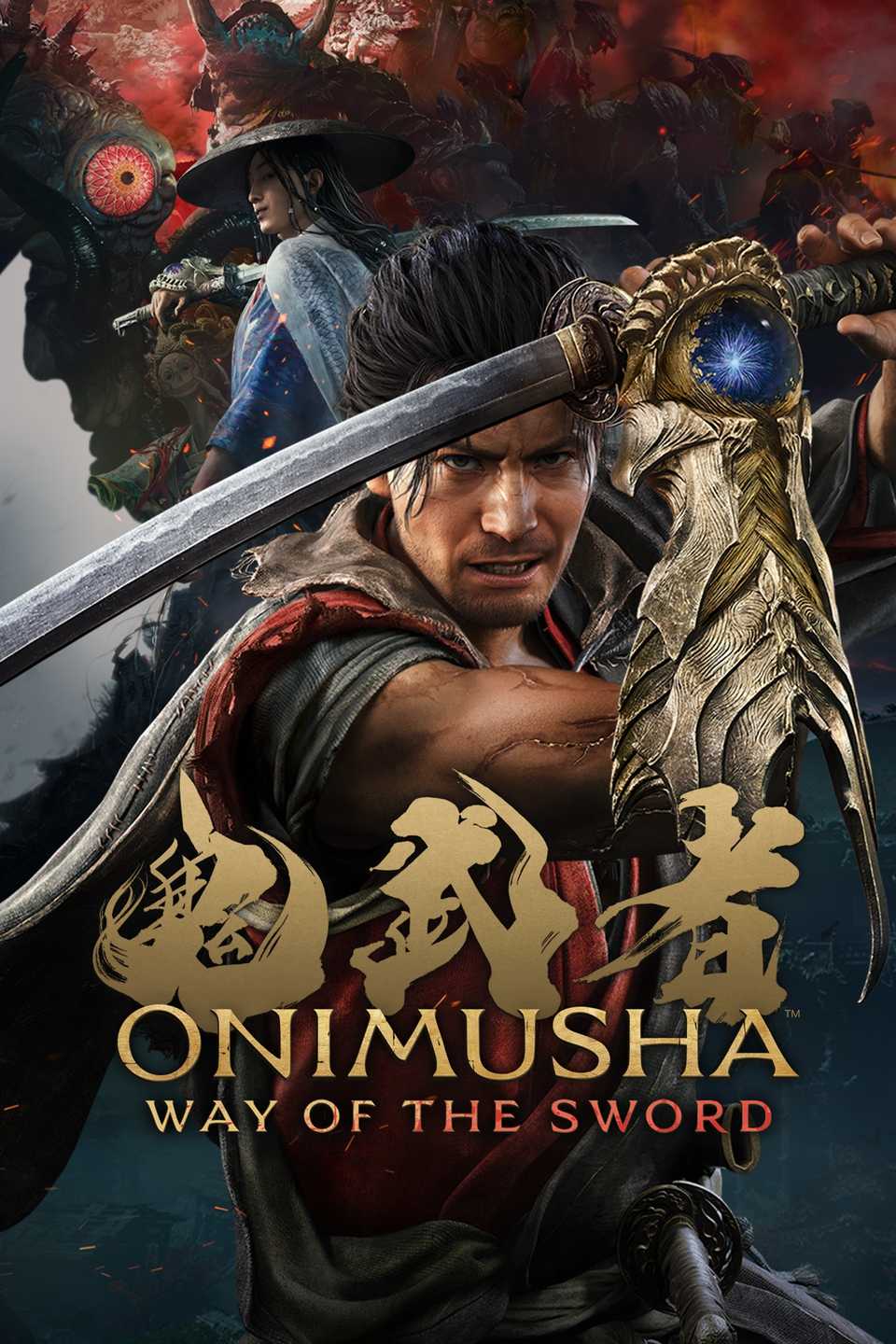
As we approach the September 25 launch, the excitement surrounding Onimusha: Way of the Sword is palpable. It is a bold, ambitious, and necessary return for a series that helped define the action-game landscape at the turn of the millennium. By focusing on tight, weighty combat, atmosphere-heavy world-building, and a respect for the series’ roots, Capcom is delivering exactly what fans have been asking for.
The journey of Miyamoto Musashi is set to be one of the highlights of 2026. Whether you are a long-time fan who has waited two decades for a true successor or a newcomer looking for a grounded, visceral action experience, Way of the Sword is shaping up to be a mandatory addition to your library. The era of the demon-slaying samurai has returned, and it has never looked better.


 Asro
Asro
 Muslim