Neng Nana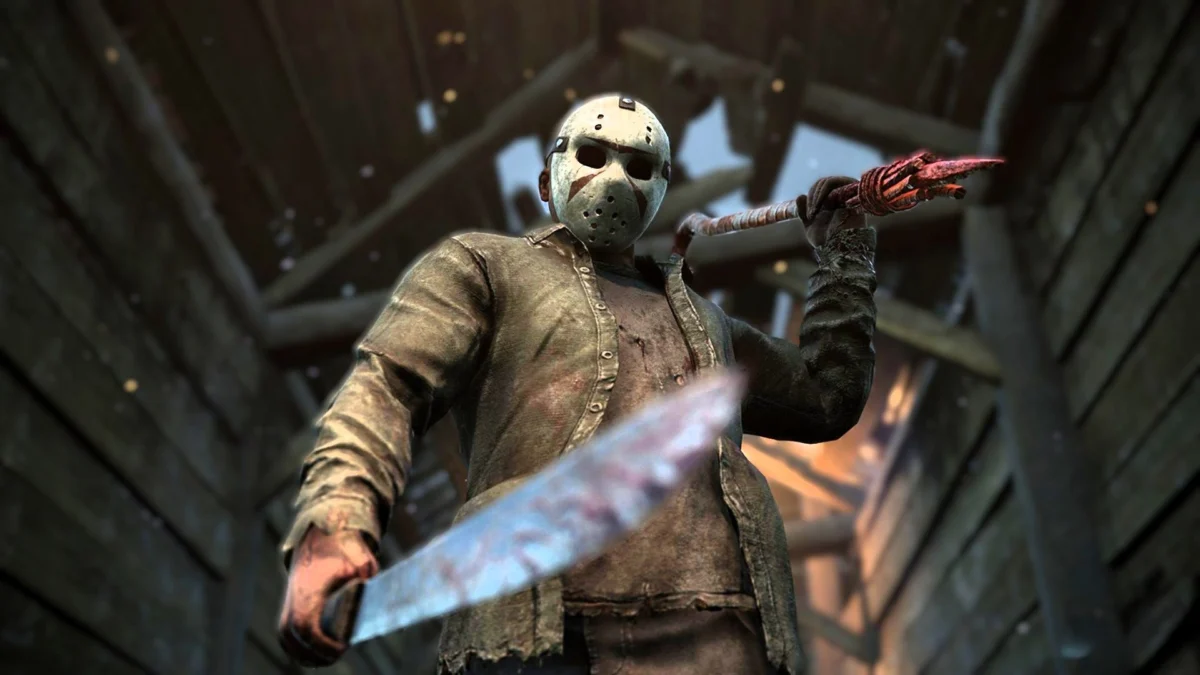
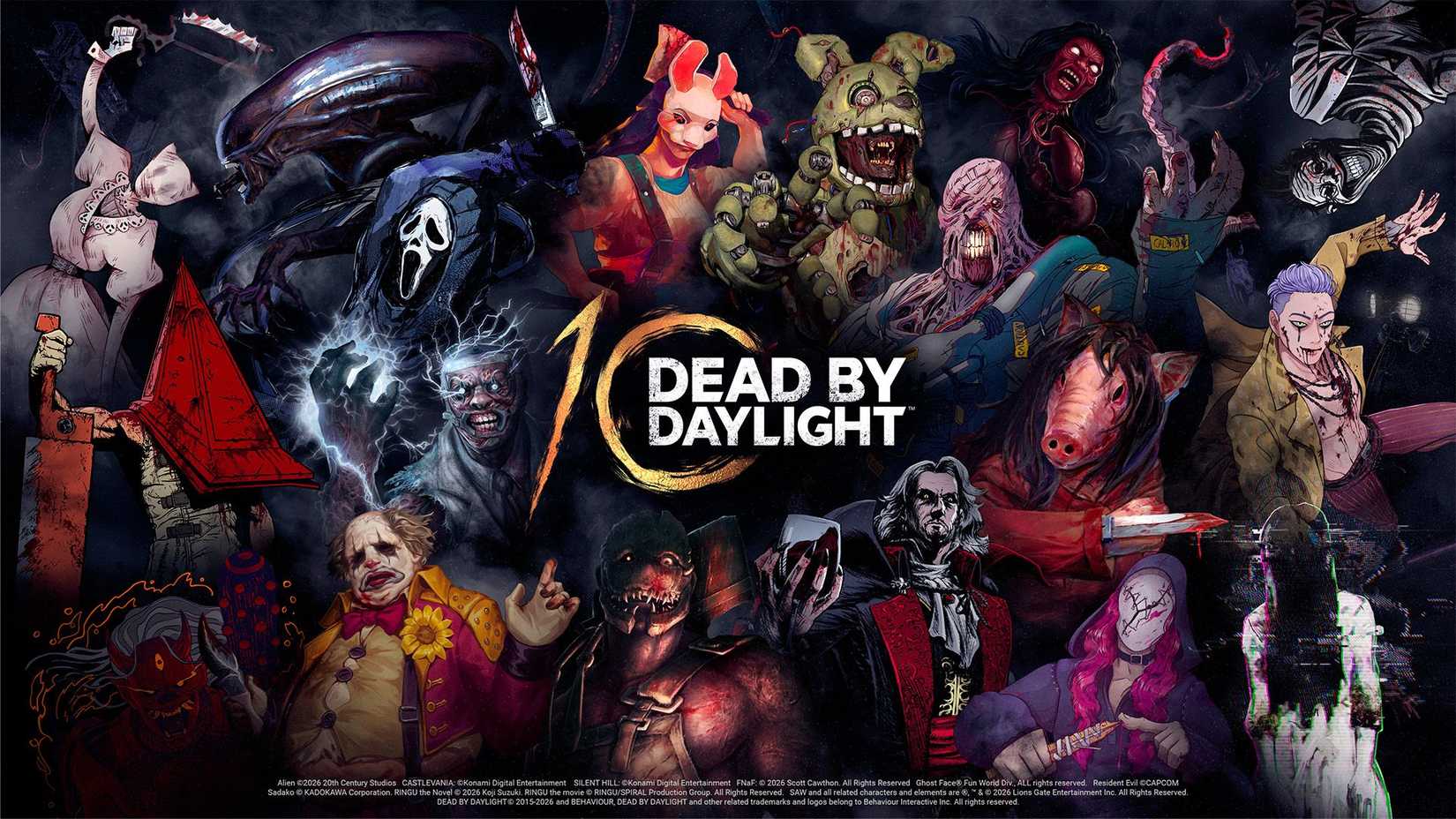
As the sun sets on the 10th anniversary of Dead by Daylight, the asymmetry of horror has never felt more balanced, nor more ambitious. Since its humble debut in 2016, the 1v4 survival horror phenomenon has transcended its origins as a niche indie project to become a cornerstone of modern gaming culture. To mark this monumental milestone, I visited the Behaviour Interactive headquarters in Montreal to speak with Dave Richard and Mathieu Côté—the architects of the Entity’s realm—about the past, present, and future of a game that has successfully kept millions of players on the edge of their seats for an entire decade.
A Legacy of Asymmetrical Horror: The Journey So Far
When Dead by Daylight first launched on June 14, 2016, the gaming landscape was vastly different. While horror games were plentiful, the concept of a dedicated, high-stakes 1v4 asymmetrical experience was still in its infancy. Behaviour Interactive took a gamble, stripping away the comfort of power-fantasy protagonists and instead placing players in the roles of either helpless survivors or the relentless, terrifying killers stalking them.
"We were building the game we wanted to play," Dave Richard explains, reflecting on the studio’s mindset a decade ago. "It was about creating a space where the unexpected was the rule, not the exception."
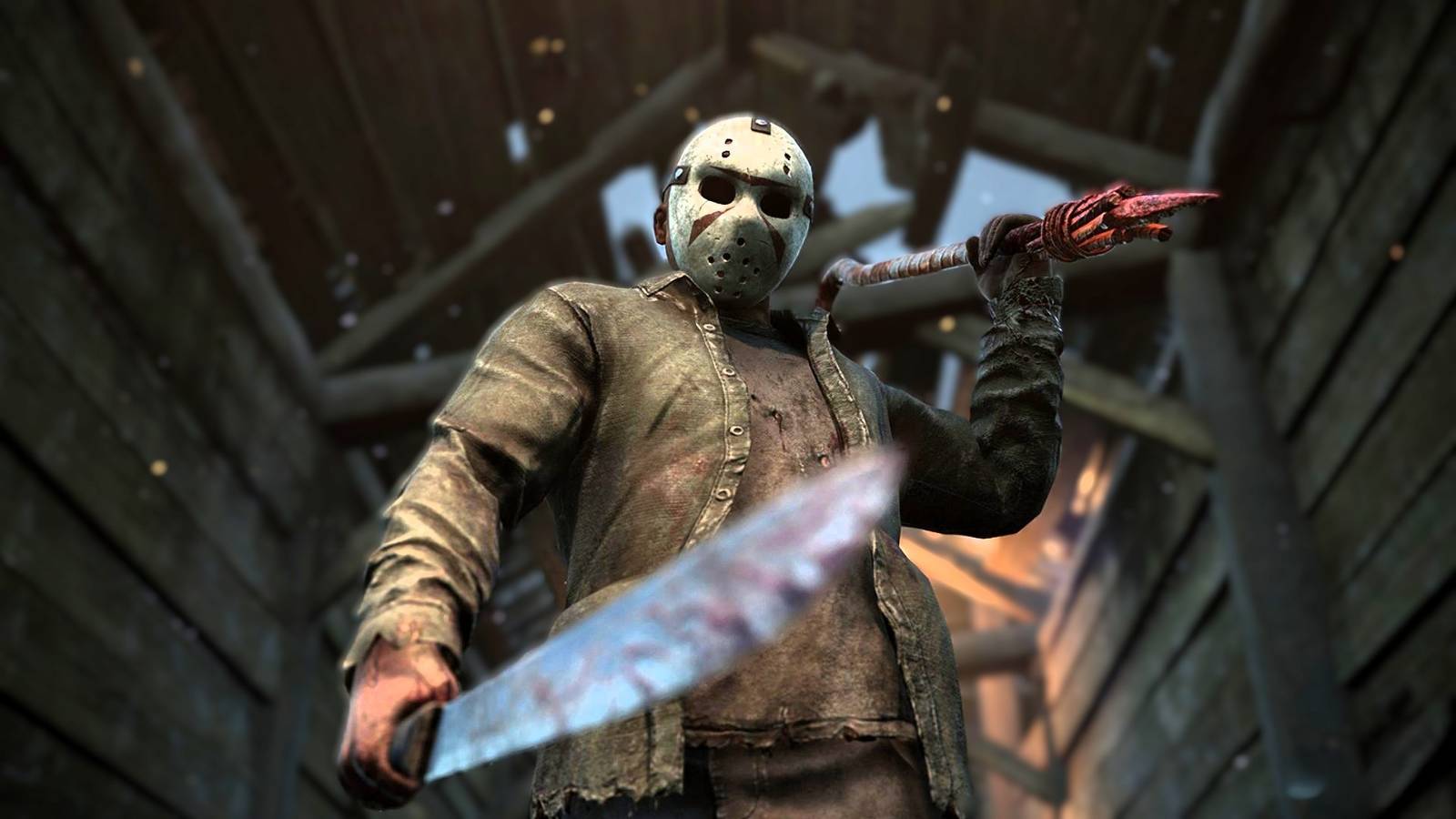
Over the last ten years, the game has evolved from a small, experimental project into a sprawling, interconnected universe. It has bridged the gap between gaming and classic horror cinema, incorporating iconic legends like Michael Myers, Freddy Krueger, and Ghost Face, while simultaneously crafting original nightmares that have become genre staples in their own right. The 10th-anniversary event serves not just as a celebration of longevity, but as a statement of intent: Dead by Daylight is no longer just a game; it is a platform for the horror genre itself.
The Technical Tightrope: Maintaining the Nightmare
One of the most pressing questions for a live-service game with a ten-year lifespan is how to handle technical debt without alienating the player base. The team at Behaviour Interactive has been faced with the monumental task of updating the game’s core systems—including its transition from aging technology like Scaleform to modern, robust architectures—all while maintaining a constant stream of content updates.
"It’s like repairing a plane while you’re still flying it," says Dave Richard. "You can’t land. You just have to keep going. We have to create new content and stay interesting, which makes the technical heavy lifting exceptionally complex."

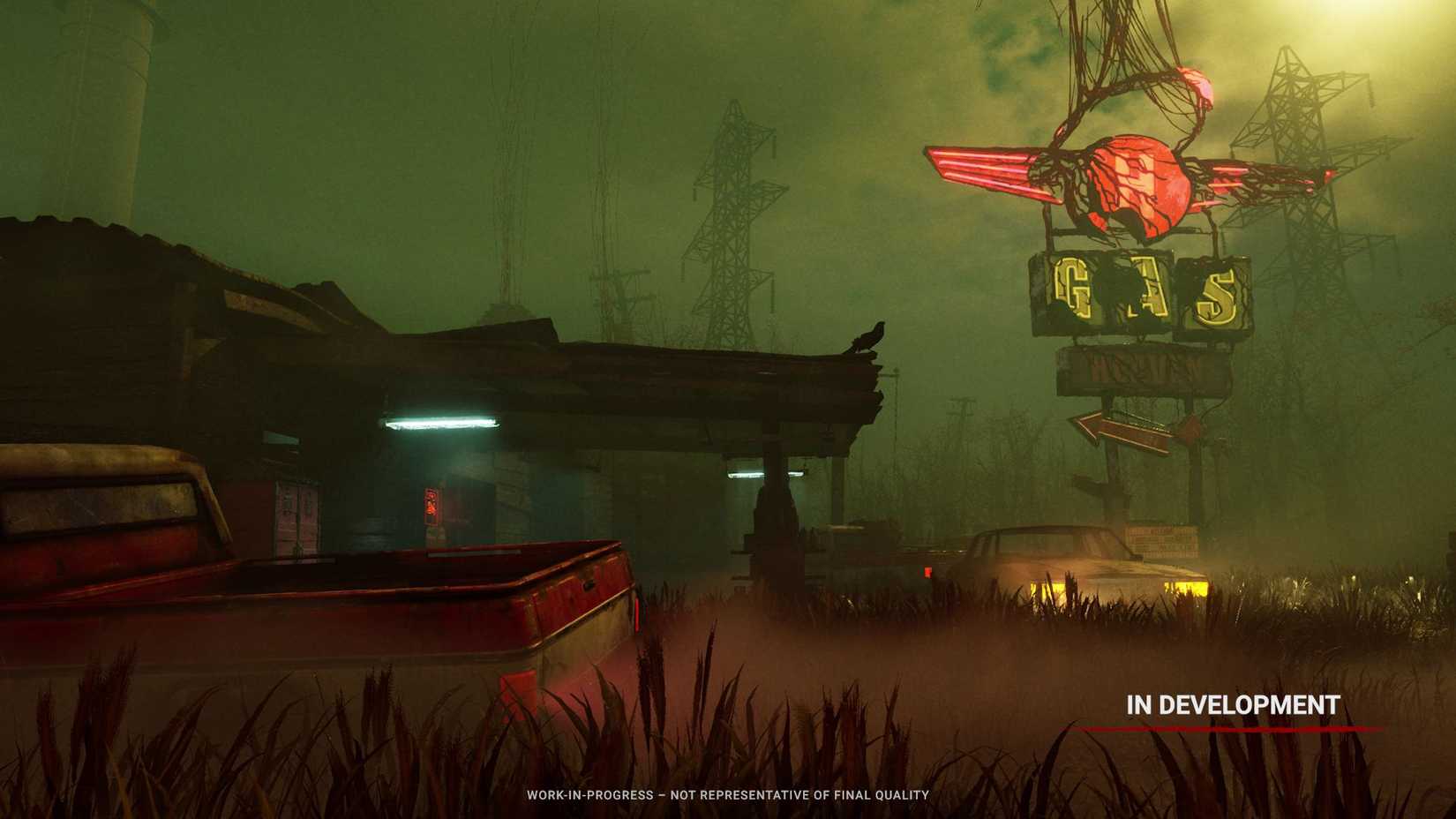
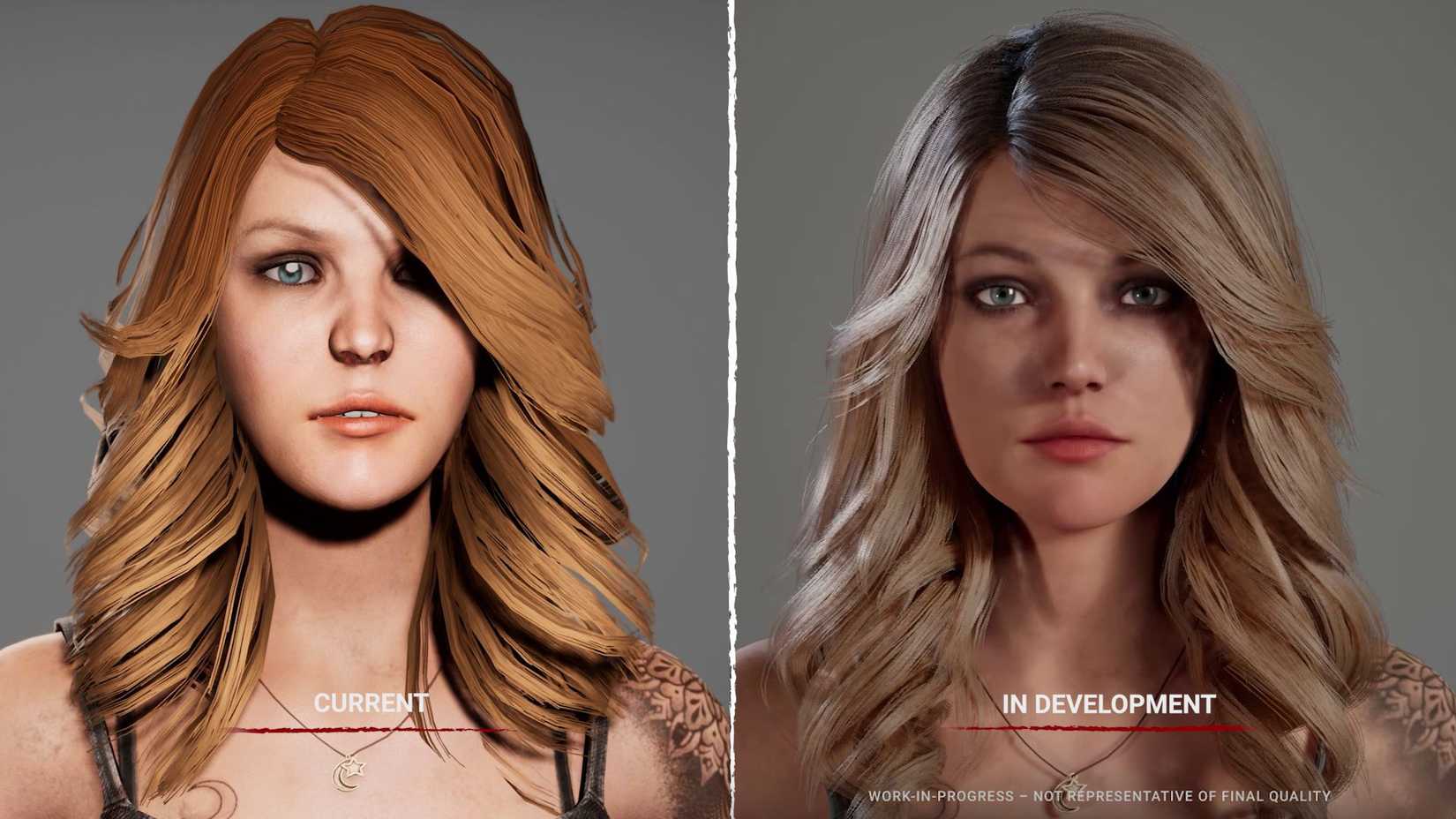
The studio has adopted a strategy of compartmentalization. By splitting the team into a "live" group responsible for current operations and a separate, specialized team focused on backend overhauls and graphical improvements, they have managed to modernize the game’s engine without disrupting the live service. This dedication to infrastructure ensures that the game remains accessible on current-generation consoles and high-end PCs, maintaining the atmospheric fidelity required for true horror.
The Community Factor: Why the Scream Still Works
Perhaps the most impressive feat of Dead by Daylight is its ability to remain scary after 8,000 hours of gameplay. In a genre that relies on shock and tension, familiarity usually breeds predictability—the natural enemy of fear. Yet, the devs have found ways to keep their most dedicated veterans looking over their shoulders.
"Surprises and chaos," Mathieu Côté notes. "That is the core of the game. You never know who you’re against. You never know who the killer is going to be. Even among survivors, there is a lingering question of trust. Can I really trust my teammate, or are they just using me as a distraction?"

This psychological element is the engine of the game’s longevity. By constantly iterating on killer powers and perk synergies, Behaviour Interactive ensures that the "meta" is a living, breathing thing. However, they are quick to admit that they don’t always control the direction of the game.
"We give people tools and toys," Côté adds. "We’re like, ‘Go, have fun, break it!’ There’s no way for us to plan for every scenario. There are too many variables. We end our streams saying, ‘Can’t wait to see what you’ll do,’ because the players always find ways to use our mechanics that we never anticipated."
Bridging the Gap: Onboarding the Next Generation
As the game approaches its second decade, the "barrier to entry" has become a significant concern. The sheer volume of content, perks, and complex mechanics can be daunting for new players, especially when facing veterans with years of experience.
"We realize the game is becoming quite dense," Richard admits. "If you’re a new player watching a streamer, it looks intimidating. It’s part of our plan to review our onboarding and progression systems to provide a ramp for new players. Our veterans want new blood; they want a bigger, healthier community. To get there, we need to make sure the first five hours of a new player’s journey are as rewarding as they are terrifying."
This includes a complete overhaul of the progression system and a focus on clearer communication of mechanics. By simplifying the early-game experience without sacrificing the depth of the endgame, Behaviour hopes to ensure that Dead by Daylight remains welcoming for a new generation of horror enthusiasts.
The Lessons of Failure: When Ideas Don’t Make the Cut
Not every idea in the Dead by Daylight incubator makes it to the final build. The developers shared an illuminating story about an early attempt to curb the frustration of "camping" killers—a tactic where the killer remains stationary near a hooked survivor to ensure their elimination.
"Early on, we were naive," Richard recalls. "We thought everyone would play with honor. When we realized camping was frustrating for everyone, we tested a feature that allowed hooked survivors to ‘weaponize’ themselves and literally kick the killer away. It was a disaster. It empowered the survivor with a toxic weapon and broke the immersion of being a victim. We realized that being a victim is part of the game’s appeal. You shouldn’t feel like a superhero; you should feel like a survivor."
This philosophy—preserving the core tension of the horror experience—guides their balancing decisions today. They rely heavily on a massive data-collection group that monitors kill rates and player behavior, coupled with community feedback, to make informed decisions that benefit the game’s long-term health rather than catering to short-term, vocal demands.
Looking Ahead: The Future of the Fog
Perhaps the most exciting revelation for the future is the studio’s approach to player-created content. While details remain under wraps, the team confirmed they are working on a controlled, creative experience that will allow players to shape their own version of the Dead by Daylight universe.
"We want to create an experience that feels like a horror movie," says Richard. "But if the players want to make something super silly or push the boundaries in a creative way, we want to facilitate that. It’s not our universe anymore; it’s the community’s parallel version of the Fog."
Implications: A New Era of Asymmetrical Gaming
The success of Dead by Daylight offers a masterclass in the live-service model. Unlike many games that launch with a "service-first" mindset, Dead by Daylight became a live service because the community demanded more. By focusing on a quality core product and treating the game as a canvas for horror, Behaviour Interactive has created a sustainable, thriving ecosystem.
As they look toward the next ten years, the goal is clear: keep the tension high, the community engaged, and the fear fresh. Whether through new graphical fidelity, refined onboarding for fresh recruits, or the upcoming creative tools, Dead by Daylight is poised to remain the definitive asymmetrical horror experience.
"We didn’t build a live-service game," Côté concludes. "We built a game. People wanted to keep playing it, so we kept building. That’s the secret. Just make a product people love, and good things follow."
For the millions of players trapped within the Entity’s realm, the next decade promises more than just new killers and survivors—it promises the continued evolution of the very nature of digital fear. And for those currently hiding behind a generator, listening for the telltale sound of a heartbeat, it’s a comforting thought: the nightmare is just getting started.

 Raul Delapena Setiawan
 Asro
Asro