For generations of air travelers, the long-haul flight has been defined by a peculiar, enforced disconnection. As soon as the cabin doors sealed and the aircraft pushed back from the gate, passengers entered an information vacuum. For soccer fans, the timing of a flight during a major tournament match was a source of genuine dread: you surrendered your seat to the flight, spent nine hours in a state of high-altitude suspense, and landed to a flurry of notifications—goals, red cards, and match results that you had spent the entire journey frantically trying to avoid.
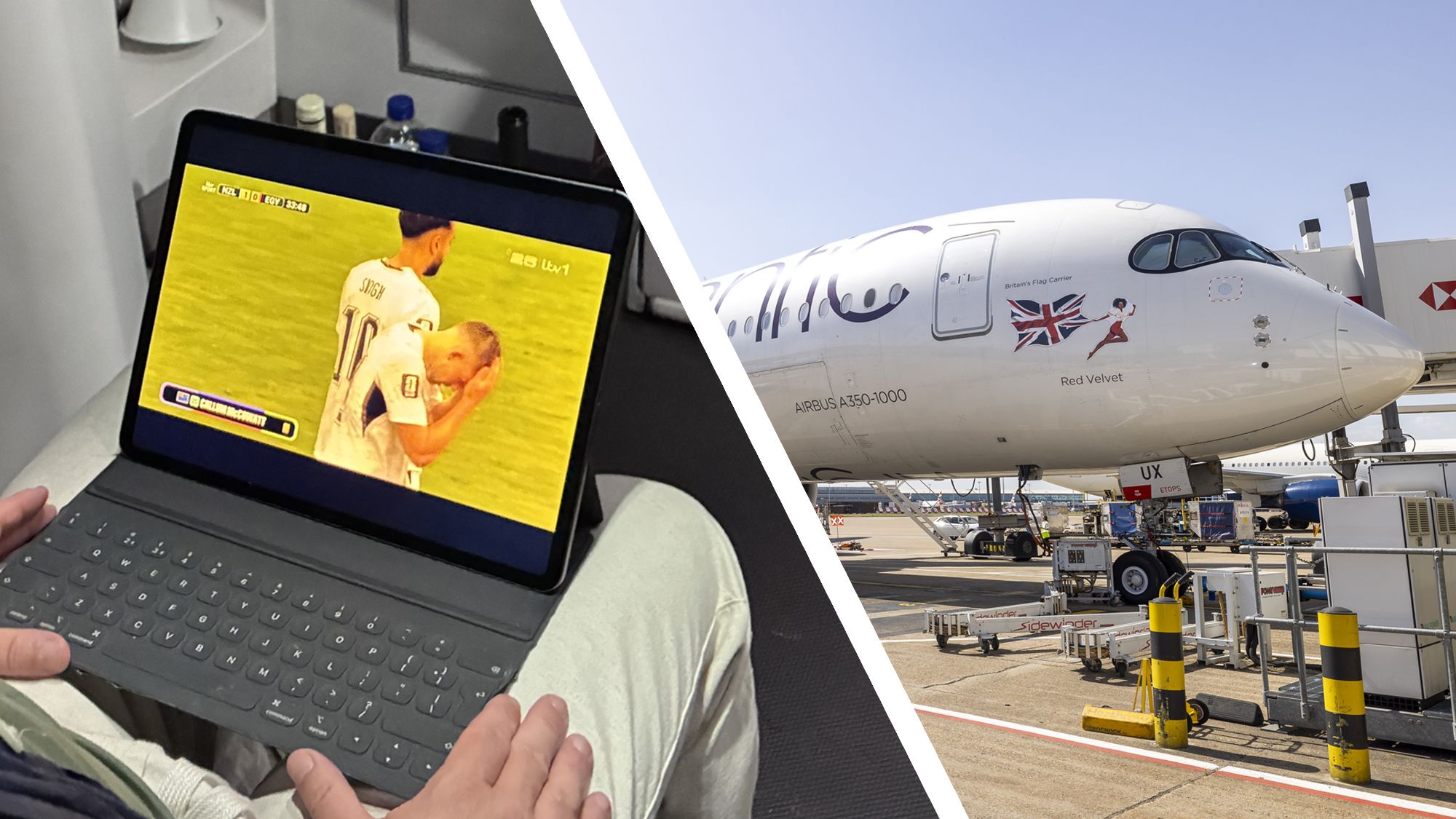
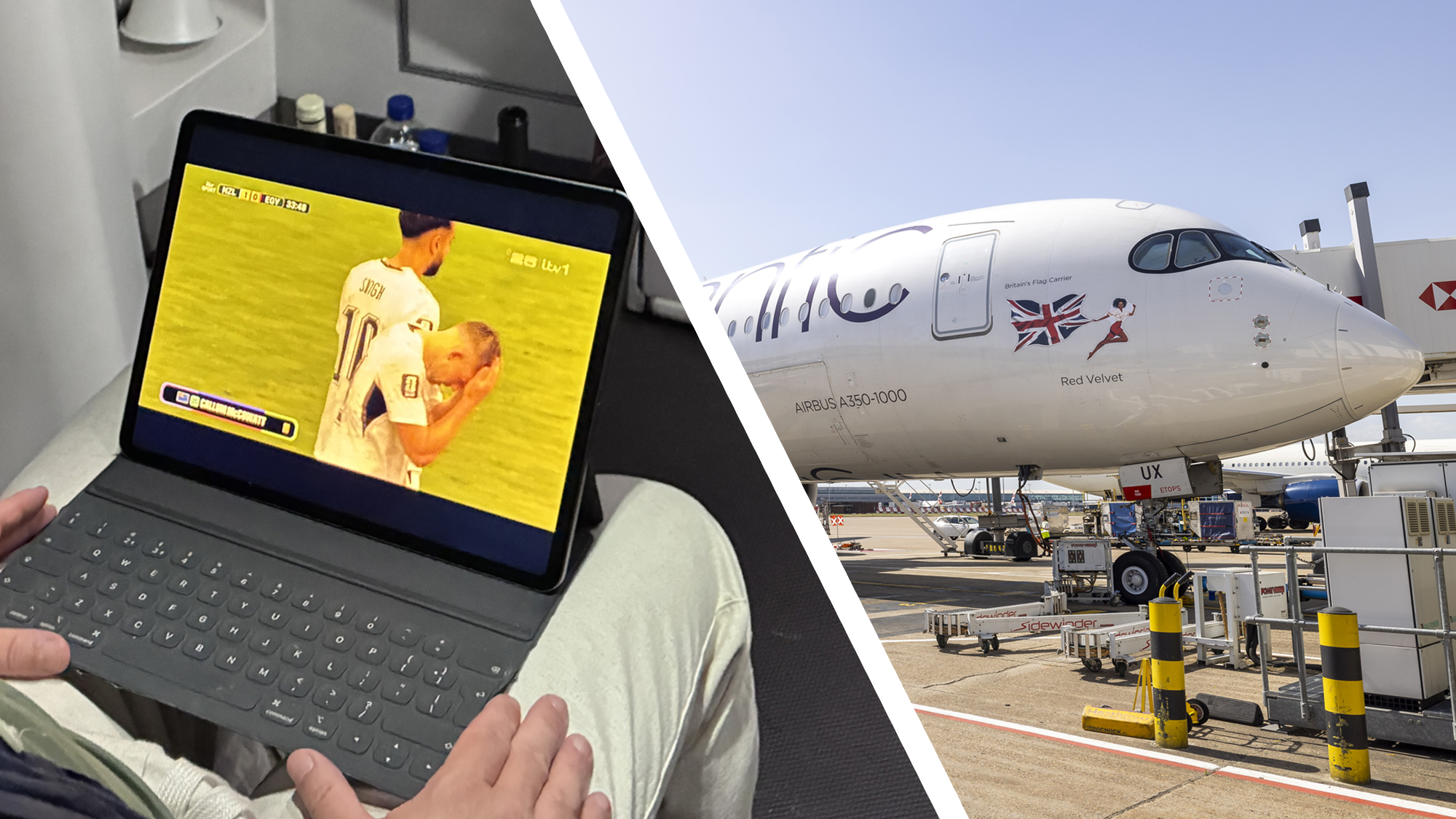
However, the dawn of high-speed, low-latency in-flight connectivity is rapidly dismantling this digital exile. On a recent flight from Orlando to London Heathrow, I tested the new SpaceX Starlink-powered Wi-Fi system integrated into Virgin Atlantic’s Airbus A350 fleet, the "Fearless Lady." The mission: to determine if modern satellite technology could finally bridge the gap between 35,000 feet and the live-action intensity of the World Cup.
The Technological Leap: LEO vs. Geostationary
To understand why this experience was different, one must first understand the architecture of the connection. Traditional in-flight Wi-Fi has long been the bane of business travelers and leisure users alike. These systems typically rely on geostationary satellites orbiting approximately 22,000 miles above the equator. The signal travel time—the round trip from the plane to the satellite and back to a ground station—creates significant latency. It is akin to sending a letter via post and waiting for a reply; it is functional for checking emails but abysmal for real-time streaming.
Starlink, by contrast, utilizes a "megaconstellation" of low-Earth orbit (LEO) satellites sitting just a few hundred miles above the Earth’s surface. By drastically reducing the physical distance the signal must travel, SpaceX has achieved latency levels that make real-time streaming, video conferencing, and live gaming a viable reality at cruising altitude.
Chronology of a Live-Streamed Flight
The test flight coincided with two significant fixtures: Uruguay vs. Cape Verde and Egypt vs. New Zealand. While these might not be the headline-grabbing matches of a typical tournament final, they served as the perfect stress test for the network. A frozen frame during a movie is a nuisance; a frozen frame as a striker prepares to strike the ball is a tragedy.
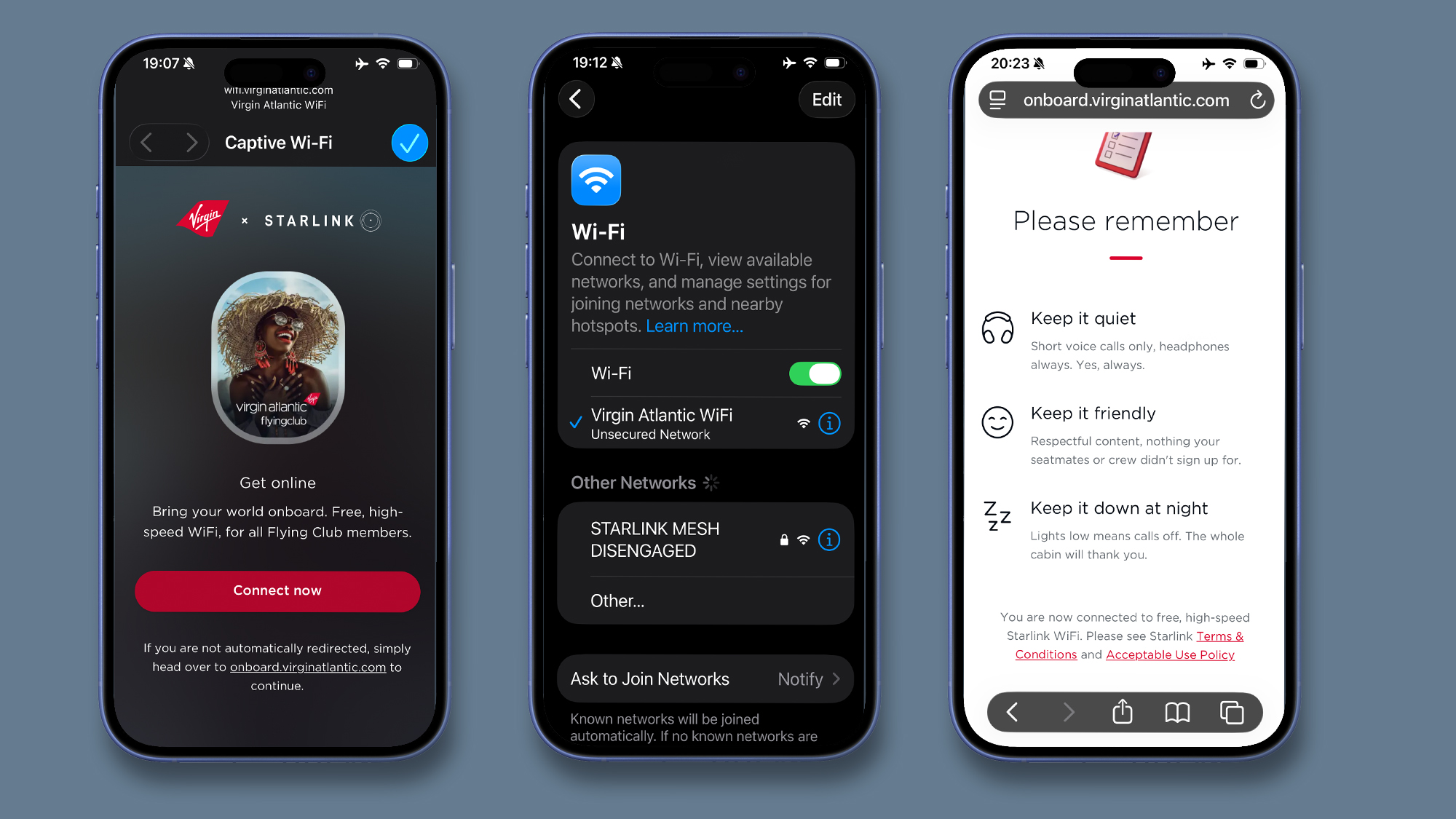
Initial Connection: Upon boarding the A350, the network appeared immediately in the Wi-Fi settings of my iPad Pro and iPhone. However, the initial sign-in portal was sluggish. Initially, I suspected the delay was due to the flight path still being over restricted U.S. airspace or the lingering turbulence from takeoff. As it turned out, the solution was remarkably analog: a simple toggle of the device’s Wi-Fi—turning it off and on again—immediately triggered the portal. It was a minor teething issue, but a critical piece of "insider knowledge" for future passengers.

The Experience: Once connected, the service was seamless. Virgin Atlantic offers this service free of charge to all passengers across all cabins, provided they are members of the Virgin Flying Club. While membership is free, it does require a sign-up, ensuring the airline captures user data. The network rules are sensible: keep voice calls brief, use headphones at all times, and respect the "lights-down" etiquette.
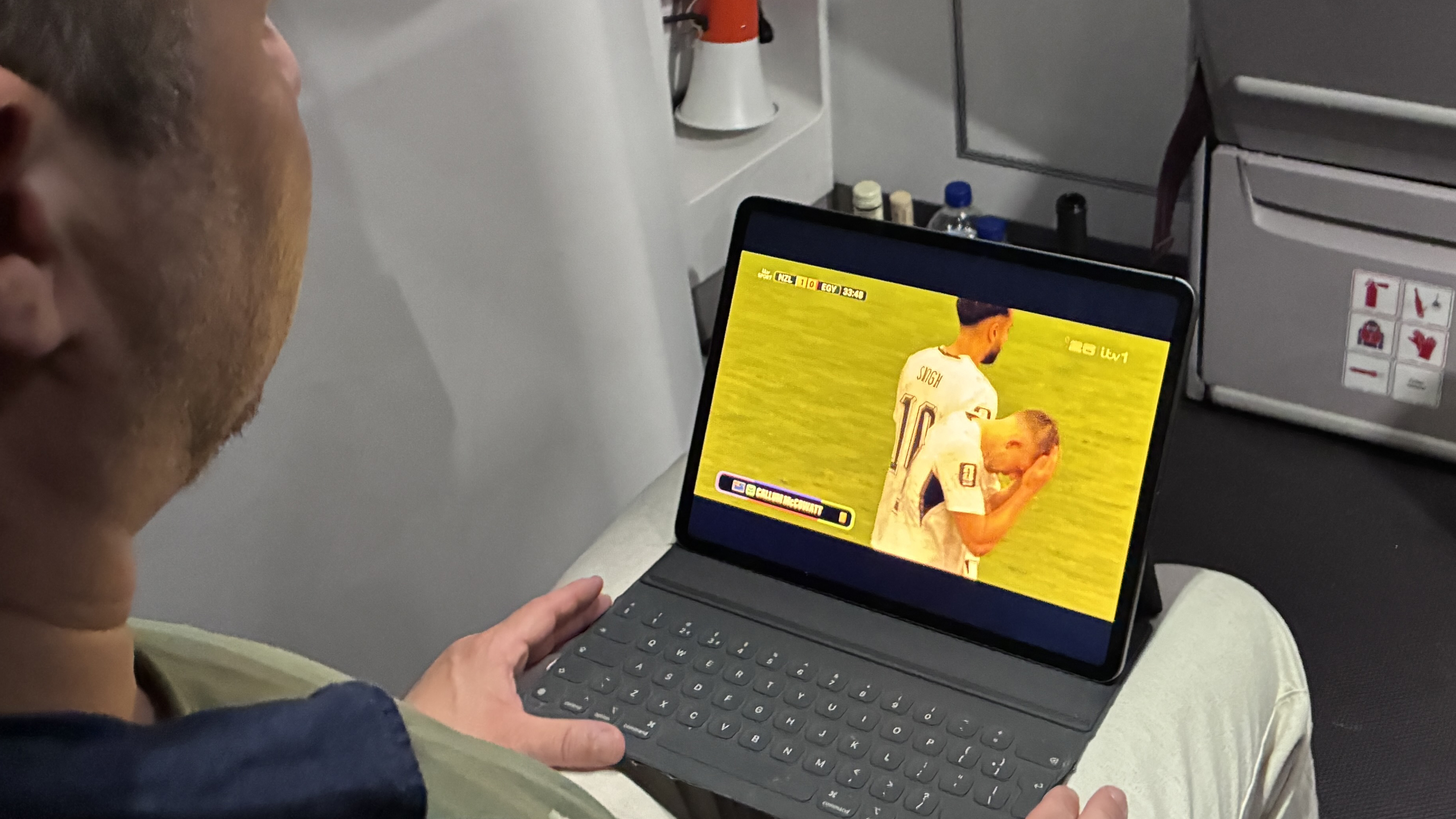
The Second Screen: I spent the duration of the flight with the match streaming on my iPad while using my phone to message friends and analyze the play. The feed was remarkably stable. There was no buffering, no pixelation, and no degradation in resolution, even as we crossed the Atlantic. I found myself in the surreal position of watching a live international match while surrounded by passengers drifting off to sleep.

Starlink in Numbers: The Performance Reality
There is a common misconception regarding the "gigabit" speeds often touted in marketing materials for aviation connectivity. On the ground, users often expect dedicated, high-speed throughput. In the air, the reality is a shared resource.
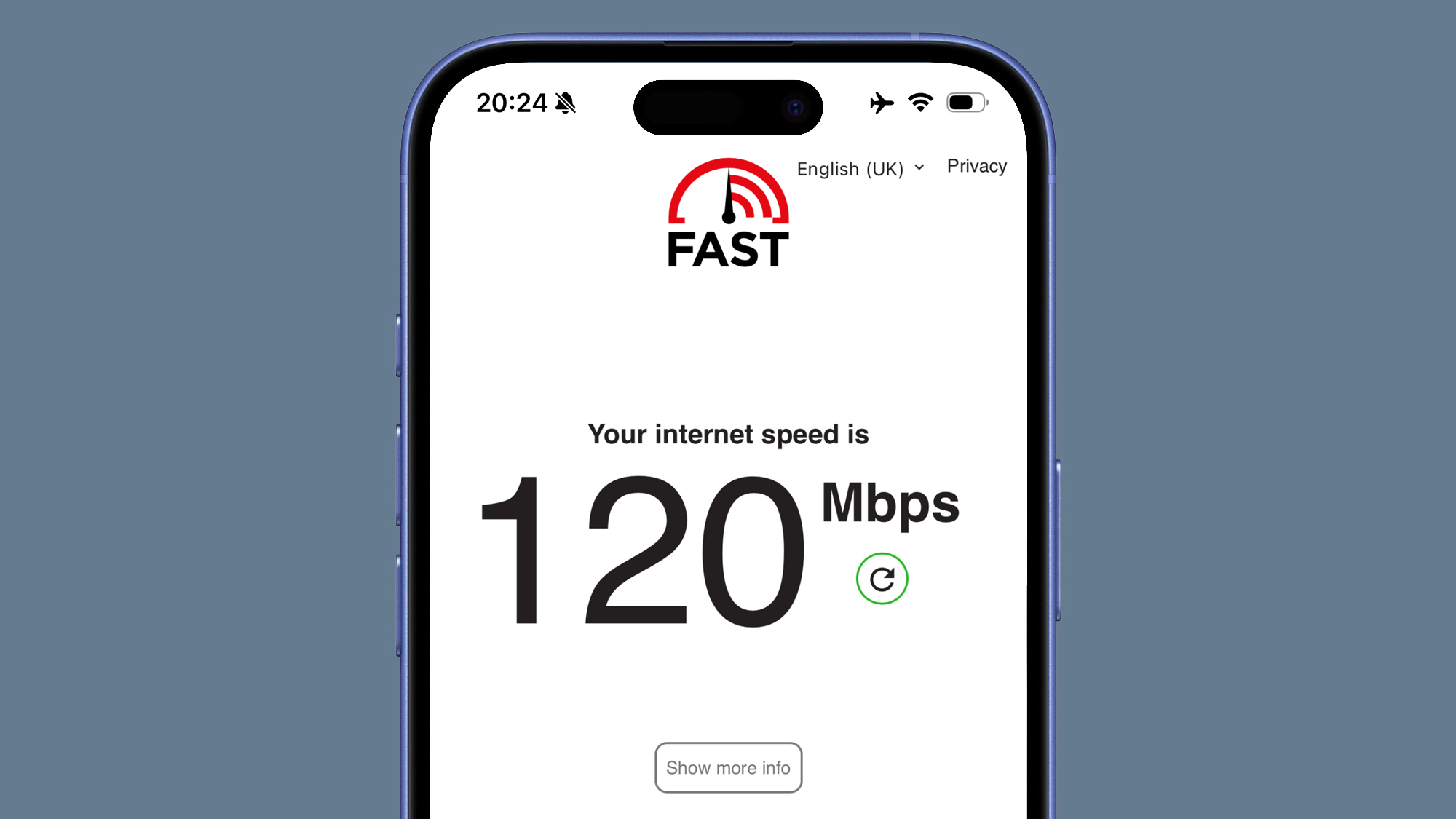
The Virgin Atlantic system utilizes dual antennas on the aircraft, each capable of delivering up to 500Mbps. This bandwidth is shared across the entire cabin. Throughout the flight, I performed multiple speed tests, clocking a peak of 120Mbps. While this is significantly lower than the theoretical maximum of the hardware, it is double the speed of most standard home broadband connections. More importantly, it was more than sufficient to support a high-definition stream without compromise.
Implications for the Airline Industry
The shift toward robust, high-speed, and free in-flight connectivity is no longer just a "nice-to-have" luxury; it is becoming a competitive weapon in the aviation sector.
During the flight, I spoke with fellow passengers who frequent long-haul routes for business. One traveler, Andy, who was flying in the Upper Class cabin, noted that the quality of the connection was becoming a deciding factor in his airline loyalty. "Not everyone is going to like the idea of being constantly reachable," he observed, "but it means I can get a full day’s work done. That tips the needle for which airline I choose. If carriers like Virgin and British Airways don’t keep pace, they will simply lose customers to those who do."
The industry is responding. IAG, the parent company of British Airways, has already signed a deal to equip over 500 aircraft with enhanced connectivity starting in 2026. Qatar Airways is currently reporting download speeds exceeding 200Mbps on its connected fleet. Meanwhile, Amazon’s Project Kuiper, a rival LEO satellite network, is slated to begin service on JetBlue flights next year. With over 10,000 Starlink satellites currently in orbit and a target of 42,000, we are entering an era where the "connected cabin" will be the industry standard rather than a differentiator.
Behind the Broadcast: Infrastructure at Altitude
It is worth noting that the seamlessness of the stream is also a testament to the infrastructure on the ground. FIFA’s broadcast for this summer’s tournament relied heavily on Lenovo ThinkSystem servers at the International Broadcast Centre in Dallas. These servers process live feeds for thousands of screens, keeping broadcast latency below five seconds. When this sophisticated ground infrastructure meets the low-latency capabilities of Starlink, the result is a viewing experience that is effectively indistinguishable from watching on a home television.
Verdict and Future Potential
My experience with Virgin Atlantic’s Starlink integration proved that the days of the "information vacuum" are over. While I would have liked the ability to mirror my device to the seat-back screen—a feature Virgin has indicated they hope to introduce in the future—the current experience is nothing short of a technological triumph.
The Pros:

- True Real-Time Connectivity: The low latency of LEO satellites makes live sports and video streaming viable.
- Consistency: The stream held its resolution throughout the flight, even during turbulence.
- Accessibility: Providing the service for free (via Flying Club membership) sets a high bar for competitors.
The Cons:
- Initial Handshake: The portal sign-in process could be more intuitive.
- Hardware Limitations: Current lack of seat-back integration forces users to use their own devices, which can be awkward on meal trays.
Ultimately, the ability to watch a live match while crossing the Atlantic is a marvel of modern engineering. For the soccer fan, it is a dream come true; for the business traveler, it is a productivity game-changer. Whether this connectivity is a "luxury" or an "intrusion" is a matter of personal perspective, but the technology is here, and it is remarkably effective. The flight of the future is officially open for business—and entertainment.