In a move that signals a fundamental shift in the economics of subscription-based gaming, Microsoft has announced a significant restructuring of its Xbox Game Pass service. Beginning this November, the tech giant will transition its cloud gaming component from an unlimited, "all-you-can-play" model to a strictly metered, hour-capped system. This strategic pivot, which impacts subscribers across all tiers, reflects a broader industry trend toward maximizing revenue per user and managing the skyrocketing infrastructure costs associated with high-fidelity server-side rendering.
For years, Xbox Cloud Gaming—formerly known as Project xCloud—has served as a vital gateway for gamers who lack the hardware to play the latest AAA titles. By bypassing the need for expensive graphics cards or high-end consoles, cloud gaming democratized access to the industry’s most demanding experiences. However, under the new policy, the convenience of the cloud now comes with a hard expiration date each month.
The New Reality: Understanding the Playtime Caps
Under the incoming policy, Microsoft is imposing rigid monthly playtime limits on the cloud-streaming portion of the Game Pass ecosystem. These limits are stratified based on the user’s subscription tier:
- Game Pass Essential: 5 hours of cloud playtime per month.
- Game Pass Premium: 10 hours of cloud playtime per month.
- Game Pass Ultimate: 15 hours of cloud playtime per month.
It is critical to distinguish that these restrictions apply only to Xbox Cloud Gaming—the feature that streams titles directly from Microsoft’s remote server farms to your browser, mobile device, or smart TV. Users who download and install games locally onto their Xbox consoles or PCs remain unaffected by these changes, enjoying unlimited playtime as they have historically.
Once a subscriber hits their allocated limit, their access to cloud-streamed games will be suspended until the next billing cycle. To circumvent this, Microsoft intends to introduce an "à la carte" purchase system via the Xbox Store, where users can buy additional hours of playtime. While the company has yet to confirm the exact pricing for these "top-up" hours, the implementation of this system effectively turns cloud gaming into a utility-based service, similar to a metered data plan.
A Chronology of the Shift
To understand why this change is happening now, one must look at the recent history of Microsoft’s subscription strategy.
Throughout 2023 and early 2024, Microsoft engaged in a series of price adjustments for the Game Pass service. In October 2023, the company implemented a significant price hike for Game Pass Ultimate, a move that drew criticism from the gaming community. Curiously, earlier this year, Microsoft pivoted slightly by reducing the monthly subscription cost for certain tiers, albeit while stripping away features such as day-one access to major titles like Call of Duty.
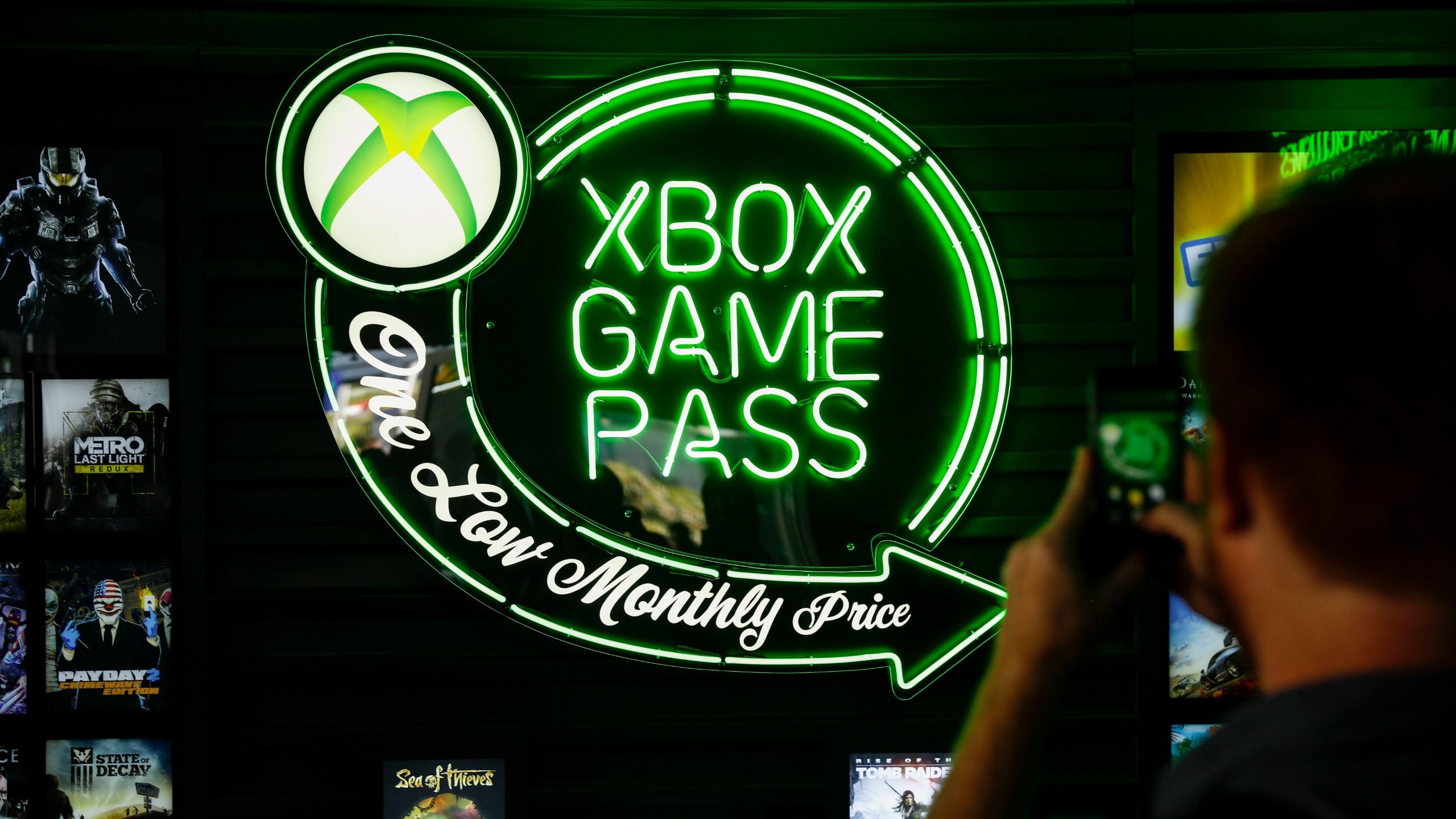
The announcement of the new metered cloud model comes at a time of intense industry scrutiny regarding the profitability of cloud infrastructure. Maintaining server clusters equipped with high-end GPUs to facilitate real-time ray tracing and high-frame-rate streaming is an incredibly capital-intensive endeavor. By shifting the burden of "excessive" usage onto the user, Microsoft is essentially attempting to shield its bottom line from the high operational costs of heavy cloud users.
Data Analysis: The Cost of Playing in the Clouds
The shift to a metered model forces a new calculation for the average consumer. Based on the current subscription pricing, the "effective" cost per hour for cloud gaming is remarkably high for those who exceed their allotted time.
For an Ultimate subscriber paying $22.99 a month, the 15-hour limit means that if they were to pay for the "privilege" of extra hours, they are paying roughly $1.53 per hour. When compared to the cost of a physical console, the math becomes increasingly difficult to justify for the frequent gamer.
A consumer who logs 50 hours of gameplay a month—a figure not uncommon for enthusiasts—would quickly exhaust their 15-hour limit. If they were to purchase the remaining 35 hours at the $1.53 rate, they would be adding roughly $53.55 in additional monthly costs. Over a period of 10 months, this additional expenditure exceeds the retail price of an Xbox Series S ($499.99). Similarly, a user could theoretically pay for an Xbox Series X ($749.99) within 14 months just by paying for the convenience of cloud gaming.
This data suggests that for the "hardcore" audience, cloud gaming is no longer a cost-effective substitute for dedicated hardware. Instead, it is being repositioned as a supplemental service for casual, occasional use.
Official Stance and Infrastructure Realities
Microsoft has defended the decision by citing the rising costs of infrastructure. While the company claims that only 4% of its user base will be impacted by these caps, the optics of the move remain contentious. The "4% figure" is likely a strategic attempt to frame the move as a minor adjustment rather than a major service degradation.
From an infrastructure perspective, cloud gaming requires dedicated hardware parity with current-gen consoles. Every hour a user spends in the cloud is an hour that a physical server rack is fully occupied, consuming electricity, cooling, and bandwidth. As the Game Pass user base grows, the demand on these servers has reached a breaking point where the current "all-you-can-eat" model is no longer viewed as sustainable by Microsoft’s board.
Implications: Why Now? The GTA VI Factor
Industry analysts point to one glaring reason for the timing of this announcement: the impending release of Grand Theft Auto VI.
Set to launch on November 19, GTA VI is widely considered the most anticipated entertainment product of the decade. Millions of players who do not own a current-gen console are expected to look toward cloud gaming as the cheapest way to play the title on release day. By introducing the cap in November, Microsoft is strategically positioning itself to monetize this massive influx of temporary, high-intent users.
Instead of allowing these millions of users to sign up for a $22.99 subscription and play the game for 100+ hours via the cloud, Microsoft is setting the stage to either push them toward purchasing consoles or forcing them into the new, potentially lucrative, per-hour billing system.
The Future of Subscription Gaming
This policy change marks a potential inflection point for the gaming industry. For the last decade, the industry has chased the "Netflix for games" model, prioritizing subscriber growth and platform lock-in over per-title or per-hour profitability.
However, the reality of cloud gaming—which is inherently more expensive to support than video streaming—is finally forcing a correction. If Microsoft’s model proves successful in reducing infrastructure strain without causing a mass exodus of subscribers, it is highly likely that competitors will follow suit. We may be entering an era where "unlimited" gaming is a relic of the past, replaced by tiered, utility-style billing that forces consumers to choose between the high upfront cost of hardware or the perpetual, unpredictable costs of cloud-based convenience.
As of now, the gaming community remains in a state of apprehension. While the 96% of users who do not utilize cloud gaming may feel unaffected today, the precedent has been set. The transition from "ownership" to "access" has evolved into "metered access," a change that fundamentally alters the relationship between the gamer, the publisher, and the platform. Whether this move secures the long-term viability of the Xbox ecosystem or alienates the very players who helped build its reputation remains the most pressing question for the industry as we head into the holiday season.