

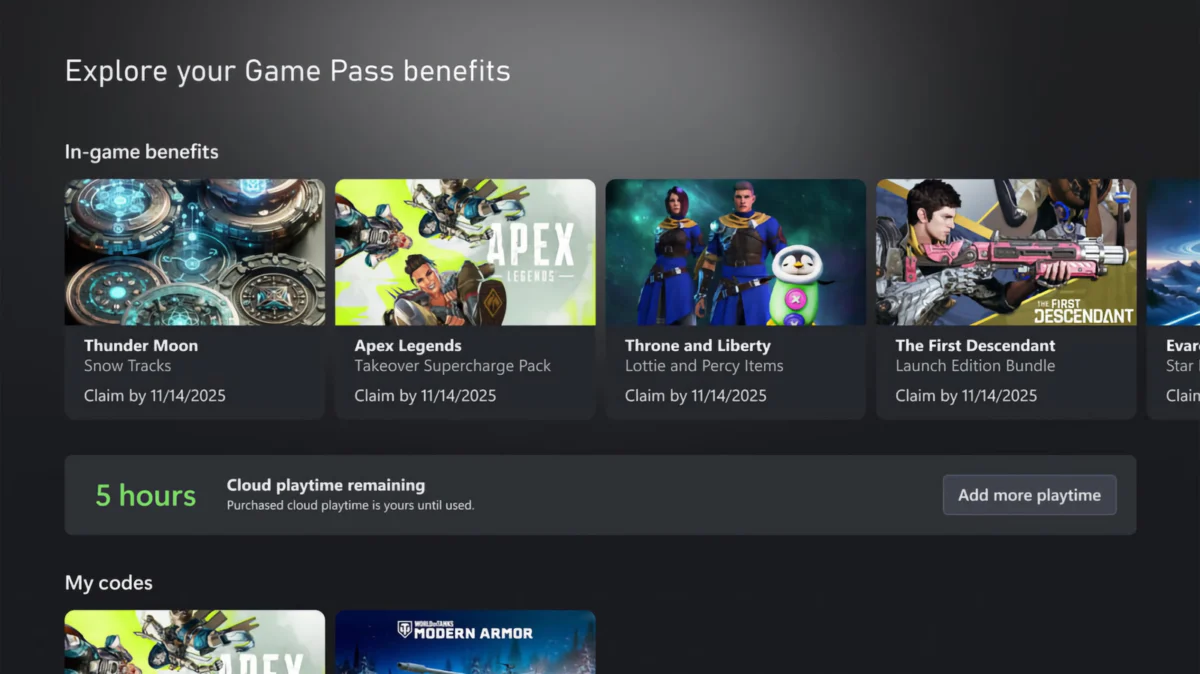
In a seismic shift for the video game industry, Microsoft has announced a fundamental restructuring of its Xbox Cloud Gaming service. Starting this November, the era of "unlimited" cloud streaming for Game Pass Ultimate subscribers will come to an end. This pivot marks a significant departure from the company’s long-standing vision of a console-agnostic gaming ecosystem, signaling a broader strategic retreat toward hardware-centric revenue models under the leadership of new CEO Asha Sharma.
The Core Changes: A Tiered Approach to Cloud Access
The core of the announcement centers on the introduction of monthly time limits for cloud gaming. Moving forward, access to Xbox’s cloud infrastructure will be strictly metered based on the user’s subscription tier. The new limits are as follows:
- Game Pass Ultimate: 15 hours of streaming per month.
- Game Pass Premium: 10 hours of streaming per month.
- Game Pass Essential: 5 hours of streaming per month.
For long-time subscribers who have grown accustomed to the convenience of instant, unlimited streaming—often marketed as the definitive benefit of the Ultimate tier—the news comes as a major disruption. Microsoft asserts that these changes will only affect approximately four percent of its total subscriber base, a statistic that industry analysts suggest highlights the current niche status of cloud-exclusive gaming. However, the optics of capping a service that was once the flagship "value proposition" of the Xbox brand cannot be ignored.
Chronology: From "This Is An Xbox" to Controlled Access
To understand the weight of this decision, one must look at the trajectory of Microsoft’s gaming division over the last five years.
- 2020–2022: The Cloud-First Vision: During the height of the global pandemic and the launch of the Series X/S, Microsoft aggressively pushed cloud gaming as a primary pillar of its ecosystem. The brand launched the "This Is An Xbox" campaign, emphasizing that the "Xbox experience" existed in the cloud, on smart TVs, and on mobile devices, rendering physical hardware optional.
- 2023–2024: Economic Headwinds: As the costs of server maintenance, energy, and high-performance hardware components began to rise, the viability of unlimited, high-fidelity cloud streaming came under scrutiny. Simultaneously, Xbox faced internal pressure to improve profitability after several high-profile game releases underperformed against internal metrics.
- Early 2025: Leadership Transition: Following the appointment of Asha Sharma as CEO, the company began a radical restructuring. This included mass layoffs, a re-evaluation of day-one release strategies for blockbuster titles like Call of Duty, and a renewed emphasis on physical hardware sales.
- September 2026: The Announcement: Microsoft officially confirms the shift to metered cloud gaming, framing it as a necessary step for sustainable operations.
The Shift Toward "A La Carte" Cloud Access
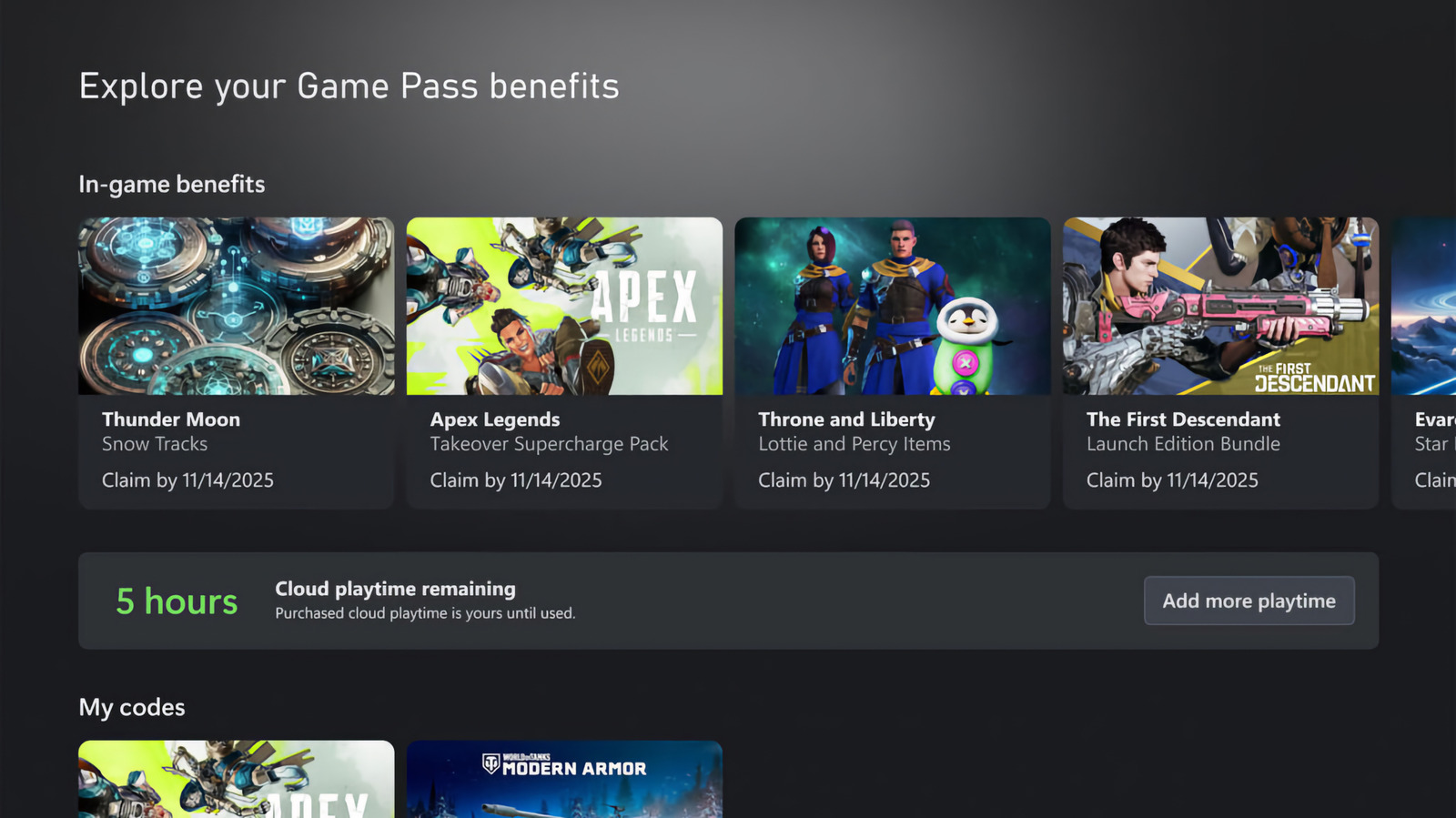
While the capping of subscription-based streaming is restrictive, Microsoft is simultaneously introducing a new accessibility feature: the ability to purchase individual "cloud playtime hours" via the Xbox Store.
This move effectively decouples cloud gaming from the Game Pass subscription requirement. For the first time, users who do not wish to pay for a monthly subscription can access cloud gaming by purchasing additional hours as needed. In theory, this allows owners of aging hardware—such as the original Xbox One—to stream high-fidelity, current-generation games (such as those optimized for the Series X/S) without investing in new hardware.
The success of this strategy hinges entirely on the pricing model, which Microsoft has stated will vary by market. If the cost of these hours is prohibitively high, the feature may become a decorative option rather than a genuine alternative to console upgrades. If priced competitively, it could serve as a vital bridge for gamers in regions where high-end console hardware remains prohibitively expensive due to tariffs or currency fluctuations.
Supporting Data: Why Now?
Industry experts point to a "perfect storm" of factors driving this policy shift.
- Server Infrastructure Costs: Cloud gaming is computationally expensive. Running thousands of virtualized Xbox Series X blades simultaneously requires immense GPU/CPU power and high-bandwidth, low-latency infrastructure. As the service scaled, the "unlimited" model likely became a financial liability.
- Hardware Synergy: Microsoft is preparing to launch its next-generation hardware, currently dubbed "Project Helix." By curbing the convenience of cloud gaming, Microsoft is subtly nudging users back toward physical hardware ownership, which remains a more predictable and lucrative revenue stream for the company.
- Subscriber Retention vs. Consumption: Analysis of user data suggests that the vast majority of subscribers use cloud gaming as a "trial" tool rather than a primary platform. By capping hours, Microsoft is optimizing resources for the users who actually require the service, while mitigating the cost of "idle" or low-utility streaming instances.
Official Responses and Corporate Rationale
In a brief statement accompanying the policy update, an Xbox spokesperson noted: "Our goal is to ensure the long-term sustainability of the cloud gaming platform. By evolving our access model, we can continue to offer high-quality, reliable streaming to our community while balancing the significant infrastructure costs required to support this technology at scale."
Critics, however, remain unconvinced. The move is widely viewed as a retreat from the "Netflix of Games" promise that defined the Phil Spencer era. Internal leaks suggest that the decision was met with friction within the company, as many developers had banked on the cloud as a primary distribution method for future, hardware-taxing titles.
Implications for the Future of Gaming
The implications of this move are twofold:
1. The Death of the "Netflix for Games" Narrative
The "unlimited streaming" model was the primary justification for the $23/month price point of Game Pass Ultimate. By stripping this feature back, Microsoft is signaling that the industry may have overestimated the consumer appetite for, and the economic viability of, purely cloud-based gaming in the current market.
2. The Return to Hardware Dominance
With the impending release of the Project Helix family of devices, Microsoft is clearly betting that the future of gaming still rests on the television stand. By making the cloud a secondary, metered experience, they are reinforcing the Series X/S and future consoles as the "premium" way to play.
3. Impact on Casual and International Gamers
The most significant losers in this transition are casual players who relied on the cloud to avoid console costs. In emerging markets where hardware is scarce, this shift may force players away from the Xbox ecosystem entirely. Conversely, if Microsoft manages the pricing of their "a la carte" hours correctly, they could create a flexible, pay-as-you-go ecosystem that appeals to budget-conscious players who only have time for a few hours of gaming a week.
As we look toward November, the gaming community will be watching closely to see if this pivot stabilizes Microsoft’s bottom line—or if it drives away the very user base that the company spent the last five years trying to court. For now, the message from Redmond is clear: the cloud is no longer an infinite resource; it is a premium utility.











