In an era where movie marketing is increasingly dominated by social media algorithms and influencer partnerships, film distributor Neon has opted for a radically different approach: psychological warfare. To promote the directorial debut of Alexander Ullom, It Ends—a harrowing horror flick centered on four college graduates trapped on an infinite, nightmarish highway—the studio invited a group of dedicated cinephiles to subject themselves to a grueling 36-hour marathon of the film.
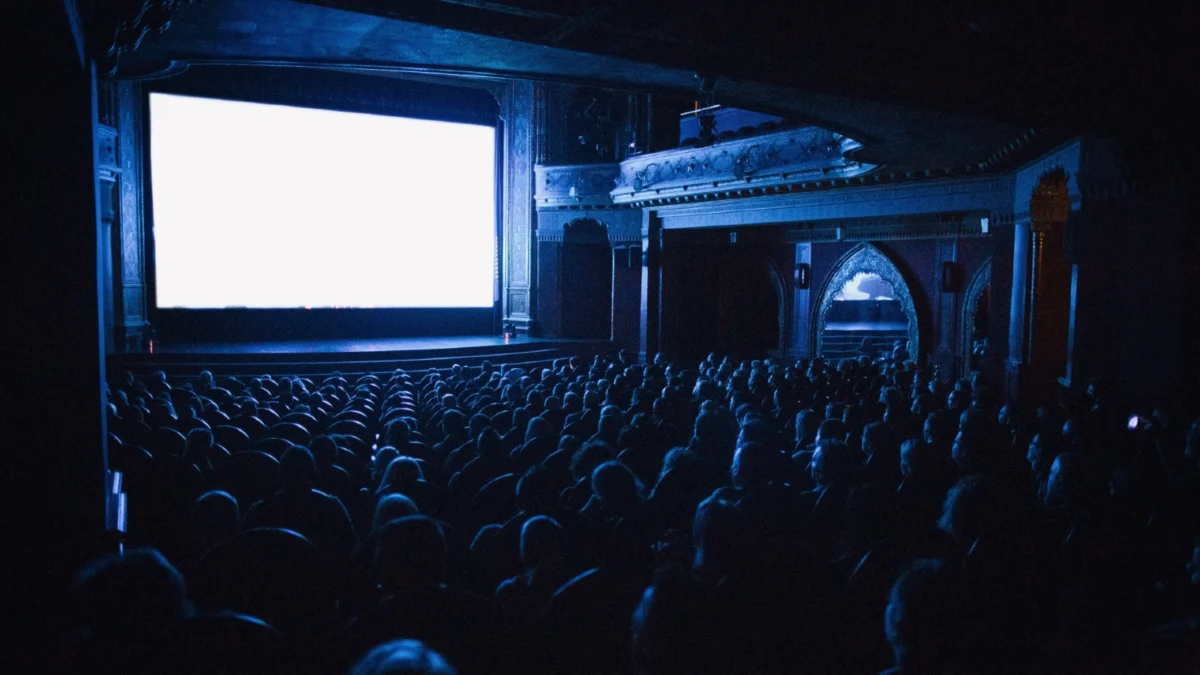
The event, held in a stark, dimly lit screening room in New York City, was designed to mirror the claustrophobia of the film itself. By turning the act of watching a movie into a test of physical and mental endurance, Neon transformed a standard press screening into a bizarre, high-stakes sociological experiment.
The Premise: A Highway to Nowhere
At the heart of the experiment is It Ends, the debut feature from director Alexander Ullom. The film’s narrative premise—four recent graduates finding themselves caught in a spatial loop on a desolate highway—serves as a meta-textual foundation for the marketing stunt.
Just as the characters in the film are forced to confront the monotony and terror of their endless journey, the participants were forced to confront the repetitive structure of the film itself. Neon’s choice of a 36-hour loop was deliberate; it pushed the boundaries of what a human being can reasonably endure in a cinema setting, effectively turning the theater into a captive environment.
The "Nuclear Bunker": Creating the Atmosphere
The physical environment of the challenge was carefully curated to strip away the comforts of a standard movie-going experience. Participants described the screening room as feeling more like a "nuclear bunker" than a cinema. The room was sealed, clinical, and devoid of the usual distractions that accompany a night at the movies.
Contestants were selected via a rigorous video application process, ensuring that only those with a high tolerance for psychological stress and a genuine passion for horror were chosen. Once selected, they were organized into teams of four—a direct nod to the ensemble cast of the film.
The rules were strict: participants were allowed to leave their seats only for brief, supervised bathroom breaks. Beyond that, they were effectively tethered to their chairs as the film played on an endless, repetitive loop. While they were permitted to bring personal comfort items, the sterile environment remained, ensuring that the psychological toll of the experience remained high.
Chronology of the 36-Hour Marathon
The event unfolded as a slow descent into sensory fatigue. The first few hours were characterized by curiosity and camaraderie, with teams settling into their designated spots. However, as the 12-hour mark passed, the novelty began to wear off, replaced by the crushing weight of repetition.
The Initial Phase (Hours 0–12)
During the first twelve hours, participants were alert, analyzing the film’s cinematography and narrative nuances. Most had arrived prepared, equipped with blankets, neck pillows, and various ergonomic supports. During this phase, the energy in the room was relatively high, with contestants engaging in light conversation between the loops of the film.
The Mid-Phase (Hours 12–24)
As the second day began, the physical symptoms of the marathon started to manifest. Sleep deprivation became the primary antagonist. The repetitive soundtrack of the film began to act as a form of sensory conditioning, with many participants noting that they could recite the dialogue by heart. This was the period where the "bunker" atmosphere felt most oppressive.
The Final Stretch (Hours 24–36)
The final twelve hours were defined by raw willpower. By this point, the film had been screened dozens of times. Participants reported varying degrees of dissociation. For many, the lines between the characters’ plight on the highway and their own situation in the theater began to blur. It was during this phase that the financial incentives—the 25 cents per minute earnings—became the primary motivator for those teetering on the edge of quitting.
Financial Incentives and the Cost of Endurance
Neon’s compensation structure was designed to gamify the experience. Participants were provided with a $250 stipend for theater concessions, excluding alcohol, acknowledging that sustained alertness requires proper fuel.
The payment structure was tiered:
- Base Rate: 25 cents per minute, accumulating to a maximum of $540 per person.
- Completion Bonus: A $500 bonus for those who successfully remained for the full 36 hours.
- Total Potential Earnings: $1,040 per participant.
This structure created a unique tension. While $1,040 is a significant amount of money, it is rarely enough to compensate for 36 hours of forced, repetitive consumption of a horror movie. The participants were not just chasing a paycheck; they were chasing the prestige of completion.
Participant Perspectives: The Toll of the Loop
Fola Olusanya, a 27-year-old participant, provided a candid look at the physical toll of the event. Having packed a survival kit—including cough drops, Tylenol, and a handheld fan—Olusanya was well-prepared for the physical discomfort, yet she was unprepared for the neurological impact.
"The hardest part of the night was the crazy headache I had," Olusanya shared in an interview with The Independent. The headache, likely a byproduct of the constant flickering of the screen, the lack of natural light, and the tension of sitting in one position for hours on end, became a constant companion.
In contrast, 24-year-old Veronica Giligan approached the event with a team-oriented mindset. Her group made a pact before entering the bunker: no one would leave. Their commitment to one another turned the challenge into a test of loyalty as much as endurance. "Going into the screening, my group made an agreement that we would not be leaving before the 36 hours were up," Giligan stated. "And I’m proud to say we did, in fact, last the whole time."
Implications for Modern Film Marketing
The success of this stunt raises significant questions about the future of film marketing. In an attention-deficit economy, Neon has proven that "eventizing" the viewing experience is a powerful way to generate earned media. By turning the promotion of It Ends into a news story in its own right, the studio bypassed traditional advertising channels, creating a narrative that captivated the public’s imagination.
However, this strategy is not without its critics. Some argue that such stunts exploit the physical and mental limits of participants for corporate gain. Is it ethical to subject audience members to a controlled environment that mimics the psychological distress of the film? Neon’s response, thus far, has been to frame the event as a celebration of cinephilia—an invitation to the most dedicated fans to engage with the medium in an extreme, immersive way.
Future Prospects: Is This the New Normal?
The It Ends marathon is likely to be studied as a case study in experiential marketing. It highlights a shift toward "immersion marketing," where the consumer is no longer a passive observer but an active participant in the product’s universe.
As we look toward the future of film distribution, we may see more studios attempting similar feats. Whether this leads to a new standard of promotional stunts or remains a one-off curiosity depends on how audiences react to the increasingly blurred lines between entertainment and endurance.
For now, the participants who survived the 36-hour loop stand as a testament to the strange, often obsessive nature of modern fandom. They have been "rewarded" for their efforts, but more importantly, they have become part of the film’s lore—a living, breathing piece of the very nightmare they spent 36 hours enduring.
As Neon looks to capitalize on the buzz surrounding It Ends, one thing is certain: they have successfully transformed a debut horror film into a cultural touchstone, proving that sometimes, the most effective way to sell a movie is to make the audience suffer for it.