Neng Nana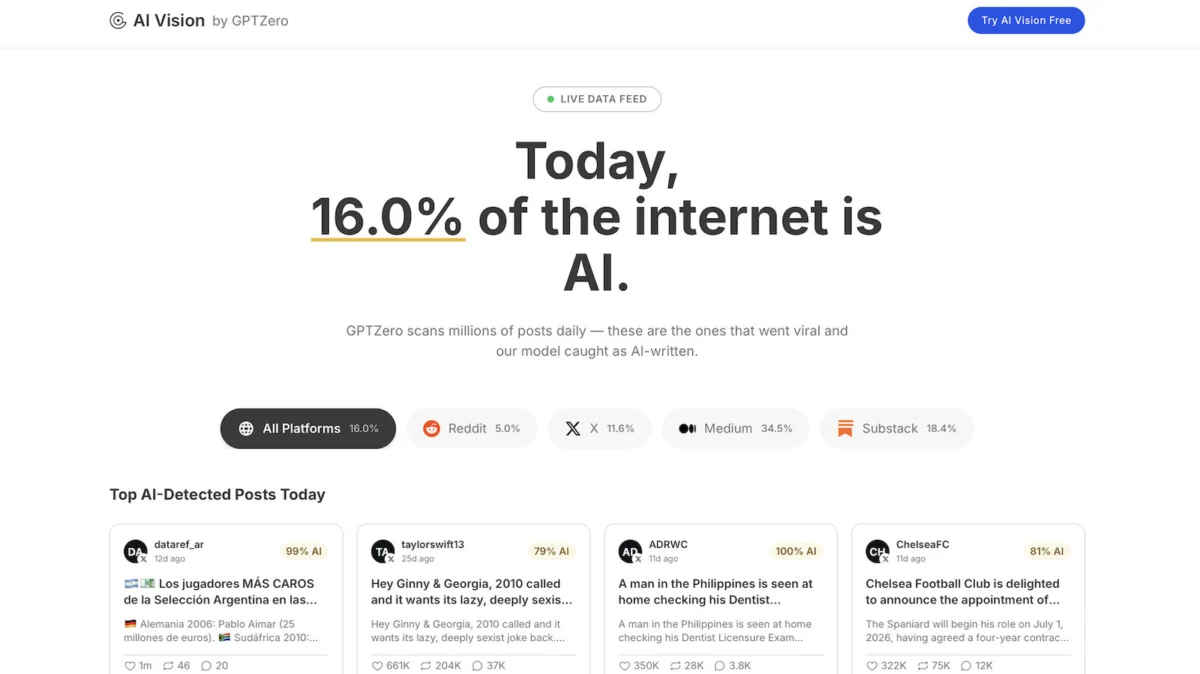
In a move that has sent ripples through the tech and academic communities, Superhuman—the company best known for its aggressive push into AI-assisted writing tools—has officially acquired GPTZero, a prominent service dedicated to identifying AI-generated content. At first glance, the acquisition appears counterintuitive: a company built on the premise of accelerating AI-generated text has purchased the very tool designed to expose it.
However, as the lines between human creativity and machine output continue to blur, this strategic consolidation suggests that the future of the digital economy will not be defined by a choice between "human" or "AI," but by the ability to verify the provenance of digital communication.
Main Facts: A Strategic Pivot
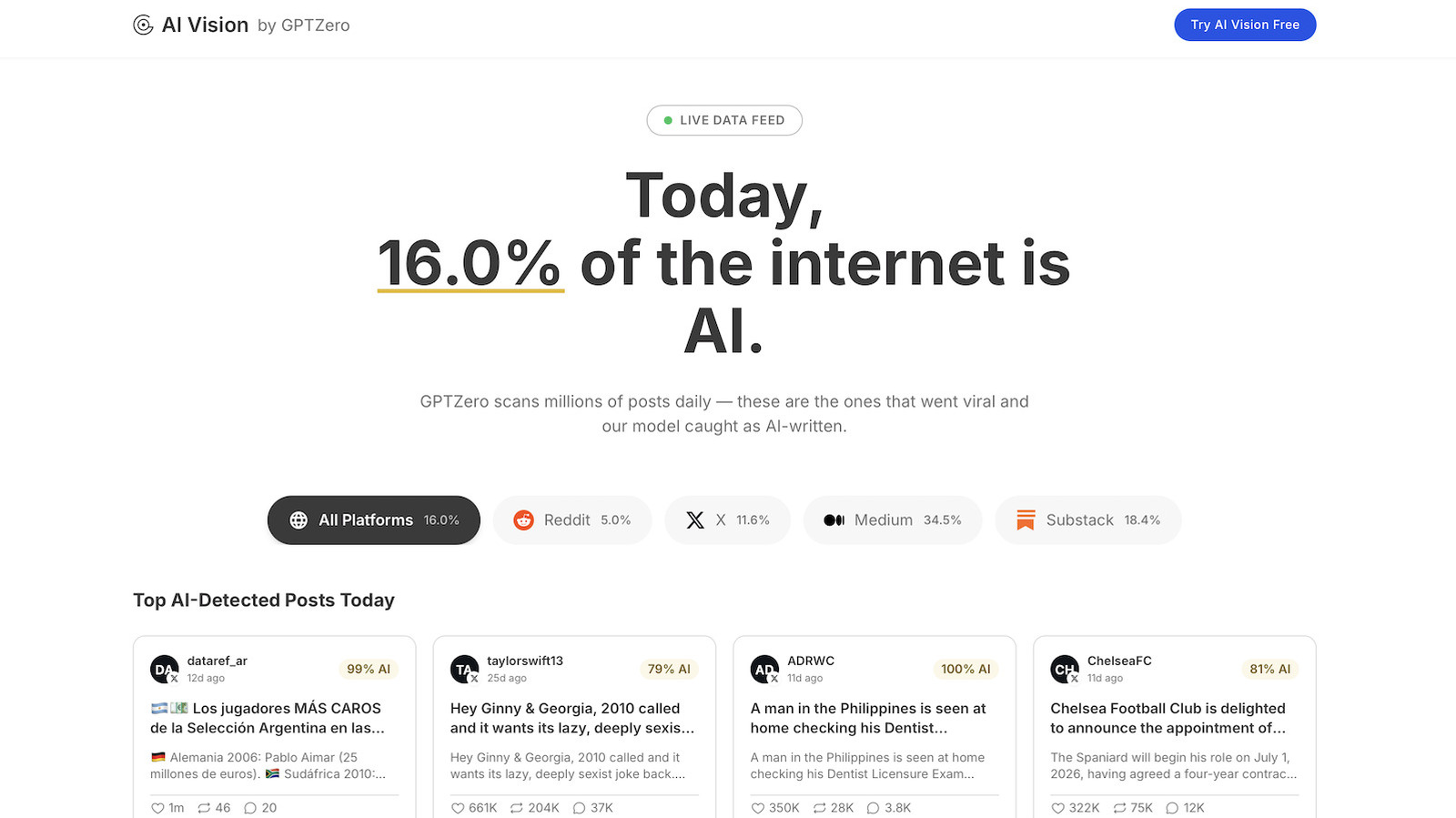
The acquisition, announced via official corporate channels, marks a significant shift in Superhuman’s portfolio. GPTZero, which gained early notoriety for its ability to detect text generated by Large Language Models (LLMs), offers a suite of diagnostic tools, including hallucination detection, plagiarism screening, and an "AI Vision" dashboard that tracks the prevalence of machine-generated content across the web.
While the financial terms of the deal remain undisclosed, the integration strategy is clear. Superhuman plans to embed GPTZero’s detection engines directly into its "Superhuman Go" AI assistant. The goal, according to the company, is to foster an ecosystem where AI-assisted writing remains grounded in accountability. Despite the acquisition, both parties have confirmed that the core user base—educators, students, and academic institutions—will remain the primary focus of GPTZero’s services.
Chronology: From Academic Integrity to Corporate Strategy
The trajectory of this deal can be traced back to the rapid, chaotic adoption of generative AI in late 2022.
- Late 2022 – Early 2023: As ChatGPT became a household name, the education sector faced a crisis of integrity. GPTZero emerged as a frontline defense, providing educators with a "policing" mechanism to differentiate between student-written work and machine-generated submissions.
- 2023 – 2024: Superhuman intensified its efforts to dominate the productivity market. Through its core product—the AI-powered writing assistant—the company sought to streamline communication. However, this period was marked by controversy, particularly when the company experimented with generative feedback tools that mimicked the specific styles and voices of real-world authors.
- Mid-2025: The "Authenticity Gap" began to widen. As AI tools became more sophisticated, "watermarking" and detection methods struggled to keep pace.
- June 2026: The definitive announcement of the Superhuman-GPTZero acquisition signals a new phase: the commoditization of AI "truth-telling" as a premium feature for enterprise and educational software.
Supporting Data: The Scale of the AI-Content Flood
To understand the necessity of this acquisition, one must look at the data surrounding the sheer volume of AI-generated content currently saturating the internet. According to recent metrics from GPTZero’s "AI Vision" platform, the percentage of web content utilizing some form of LLM generation has increased by over 400% in the last 24 months.
The technical challenge lies in the "hallucination rate"—the propensity for AI to present false information as fact. GPTZero’s internal benchmarks suggest that in high-stakes fields like legal documentation and technical writing, the error rate for unchecked AI content hovers between 5% and 15%. By integrating GPTZero, Superhuman aims to provide a "safety layer" that can flag these errors before a user hits "send," effectively positioning its product as an "authenticated" AI assistant.
Official Responses: Aligning Interests
In the wake of the acquisition, leadership from both organizations attempted to frame the merger as a natural synergy rather than a conflict of interest.
Superhuman’s Stance:
The company’s leadership emphasized that the acquisition is about "responsible expansion." In a statement, they noted: "We believe that AI will define the next decade of communication, but for that to be sustainable, there must be trust. By incorporating GPTZero, we are providing our users with the tools to verify their work, ensuring that human intent remains at the center of the creative process."
GPTZero’s Perspective:
GPTZero’s representatives highlighted the opportunity to scale. "Our mission has always been to ensure that human-authored content is recognizable and respected. By joining forces with Superhuman, we move from being a standalone ‘policing’ tool to a core component of the writing workflow. We are placing our verification technology directly into the hands of millions of people who are already creating content."
The "Grammarly" Precedent: A Cautionary Tale
The acquisition has not been without its detractors, largely due to Superhuman’s past struggles with ethical boundaries.
The most prominent example involves the company’s previous attempt to offer "AI-generated feedback" that mirrored the specific voices of well-known writers. The backlash from the creative community was swift and severe. Critics argued that the company was commoditizing the intellectual property and stylistic labor of authors without consent. When the tool was eventually disabled, it left a stain on the brand’s reputation regarding how it handles user-generated data and creative integrity.
This history makes the current acquisition feel particularly paradoxical to industry observers. If a company has previously shown a willingness to overstep ethical boundaries in the name of "AI innovation," can the public trust it to manage the very tools meant to monitor those boundaries?
Implications: The Future of "Authenticity"
The implications of this deal for the broader AI market are profound, suggesting three major shifts:
1. The Rise of the "Authenticated Assistant"
We are moving toward an era where AI-generated content will be categorized by its "verified" status. Just as email providers utilize spam filters, future word processors may include "authenticity scores." Superhuman is effectively betting that users will pay for the peace of mind that their AI-assisted content is "clean."
2. The Professionalization of Detection
Detection is no longer just a hobbyist endeavor for frustrated teachers; it is now a commercial enterprise. By bringing detection software in-house, Superhuman is creating a walled garden. This may lead to a future where only "Superhuman-certified" content is treated as credible, potentially marginalizing independent, non-AI-verified creators.
3. A New Ethical Standard
The acquisition forces the industry to confront the "black box" nature of AI. If an AI writing tool also functions as an AI detector, the company has total control over the narrative of what is considered "authentic." The potential for bias—where the company’s own AI is favored over that of competitors—will likely become a subject of regulatory scrutiny.
Conclusion: A Double-Edged Sword
The acquisition of GPTZero by Superhuman is a bold move that highlights the primary tension of the current technological cycle: we are building tools that make it easier to lie, while simultaneously racing to build tools that help us catch the lies.
Whether this merger will lead to a more honest internet or simply cement Superhuman’s grip on the content creation pipeline remains to be seen. What is certain is that the company has positioned itself at the center of the debate over truth in the age of algorithms. For the user, the promise is simple: a writing assistant that creates and verifies. For the industry, the question remains: who is auditing the auditor?
As the digital landscape continues to evolve, the distinction between human intent and synthetic output will become the most valuable currency on the internet. Superhuman’s latest move suggests they intend to be the primary brokers of that currency, regardless of the inherent irony of their position.


 Laily UPN
 Azzam Bilal Chamdy