


For centuries, the identity of Japan has been inextricably linked to the forest. From the towering peaks of the Japanese Alps to the lush, temperate lowlands, wood has served as more than just a resource; it is a cultural pillar. In a nation defined by its profound connection to nature and a reverence for the ephemeral, wood—with its grain, fragrance, and capacity to age with grace—remains the primary medium for both the sacred and the mundane.
As the world pivots toward sustainable development and carbon-neutral building practices, Japan’s centuries-old expertise in timber is moving from a localized tradition to a global standard.

The Architecture of Longevity: A Chronology of Mastery
The relationship between the Japanese people and wood is one of profound symbiosis. This bond is best illustrated through the nation’s architectural history, which spans over a millennium of structural excellence.
The Foundation of Tradition (600 AD – 1600 AD)
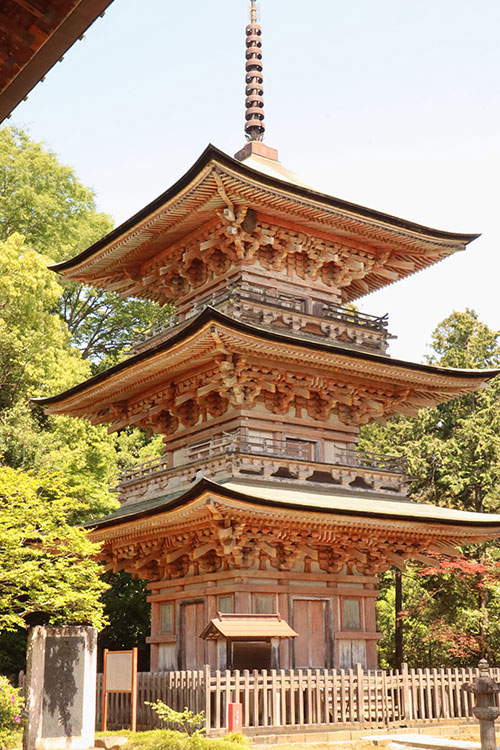
The story of Japanese woodcraft is anchored by the Hōryū-ji Temple in Nara Prefecture. Established in the 7th century, it is recognized as the world’s oldest wooden building. Its survival through over 1,300 years of earthquakes, typhoons, and humidity is not a stroke of luck, but a testament to the properties of Hinoki (Japanese cypress). Ancient master builders understood the innate resilience of this timber—its natural resistance to rot and insect infestation—and employed joinery techniques that allowed structures to sway rather than shatter during seismic events.
The Edo Period and the Rise of Craft (1603 AD – 1867 AD)
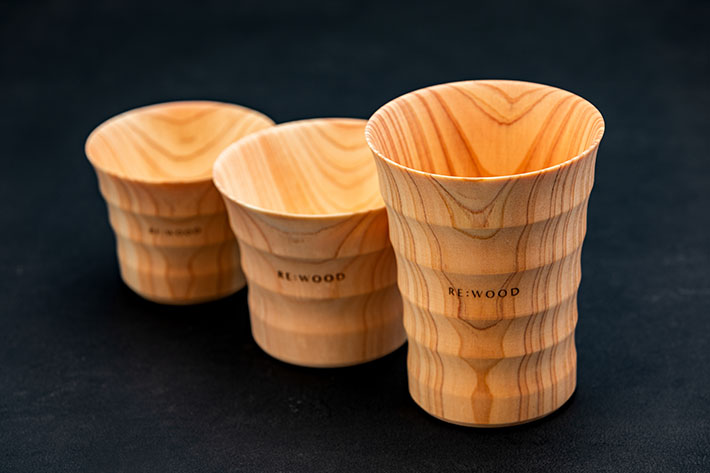
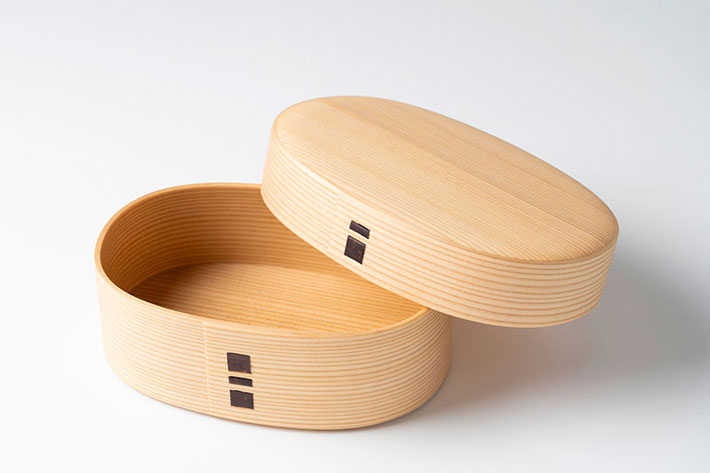
During the Edo period, the mastery of wood expanded from temples to the everyday lives of the merchant and samurai classes. It was during this era that the culture of magewappa—the art of bending thin, flexible sheets of Sugi (Japanese cedar) to create containers—reached its zenith. These artisans realized that Sugi was not only pliable but also possessed hygroscopic properties, meaning it could regulate moisture levels. This made it the perfect material for storing food, a practice that remains a hallmark of high-end Japanese culinary presentation today.
The Modern Frontier (2025 – Present)
In the modern era, the scale of wooden construction has shifted to the monumental. The main pavilion for Expo 2025 in Osaka is currently being hailed as one of the world’s largest wooden structures. This project signals a departure from the idea that wood is a "traditional" material suited only for low-rise dwellings; it is now at the forefront of contemporary, large-scale engineering.
Supporting Data: The Arboreal Backbone of Japan
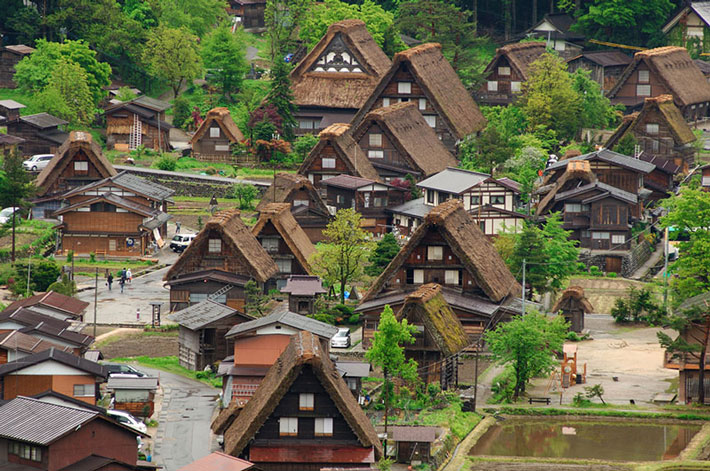
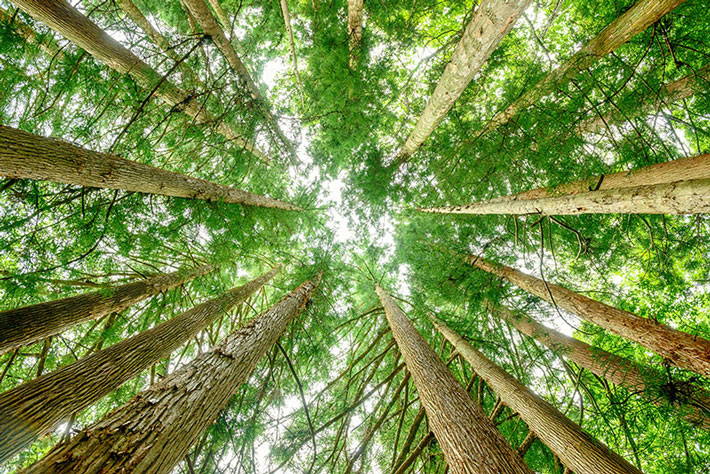
The continued relevance of wood in Japan is not merely sentimental; it is supported by the nation’s geography. Approximately two-thirds of Japan’s landmass is covered in forests. This abundance of natural resources is characterized by a high diversity of species, each with specific industrial applications.
- Sugi (Japanese Cedar): The most common domestic timber, prized for its workability, insulating properties, and ability to absorb harmful atmospheric substances.
- Hinoki (Japanese Cypress): The "gold standard" of Japanese timber, renowned for its distinct, therapeutic scent and extreme durability, which makes it the preferred choice for structural support in historical preservation.
- Karamatsu (Japanese Larch) and Todomatsu (Fir): These coniferous species provide the structural volume required for modern industrial applications and mass-timber projects.
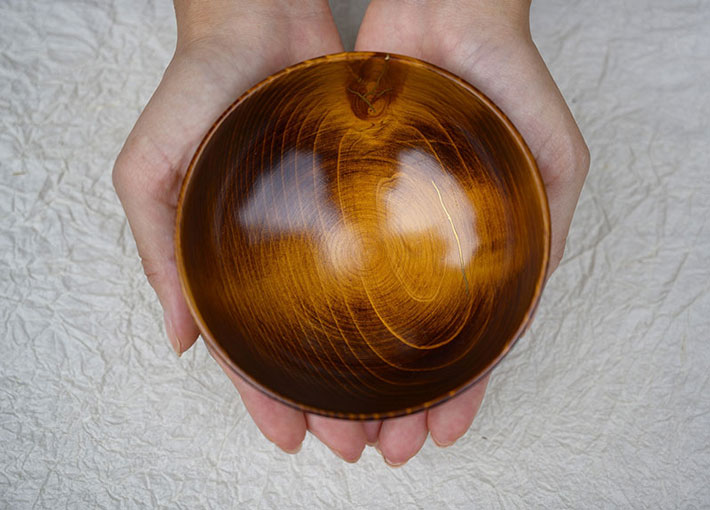
This diversity allows Japanese architects and craftsmen to select the exact "right tool for the job." Whether it is the softness of Sugi for a tactile soup bowl or the structural density of Hinoki for a load-bearing column, the wood-selection process in Japan is as precise as it is ancient.
Innovations in Wood Processing: The Science of Sustainability
The contemporary demand for wood as a sustainable building material has necessitated breakthroughs in material science. While wood is naturally beautiful, its vulnerability to decay has historically been its greatest weakness. Recent innovations in Japan have effectively "upgraded" the natural timber to meet the demands of the 21st century.
S-Tech: The Nitrogen Revolution
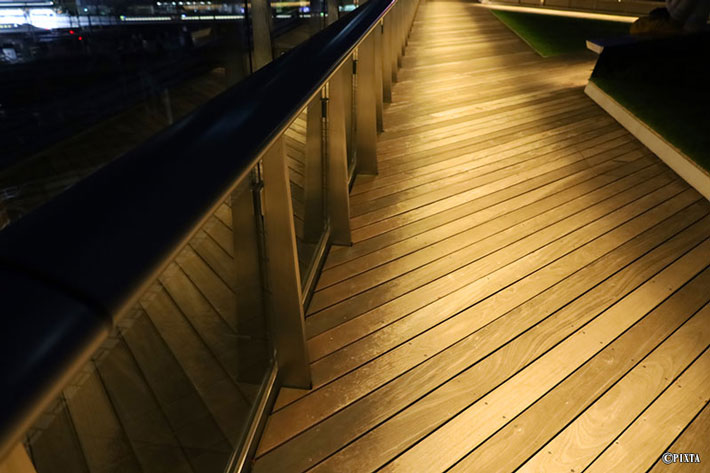
One of the most significant technological advancements is the S-Tech (nitrogen heat treatment) process. By treating wood in a nitrogen-rich environment at temperatures exceeding 200°C (392°F), manufacturers can decompose the hemicellulose and other components that attract termites and fungi. This process is entirely chemical-free, addressing the growing global concern regarding the environmental impact of synthetic wood preservatives. Boardwalks and exterior decking treated with S-Tech have demonstrated structural integrity for over two decades, proving that sustainability and longevity are not mutually exclusive.
Advanced Structural Plywood
For subterranean and exterior applications, Japan has pioneered the use of preservative-infused structural plywood. By embedding protection deep within the layers of the composite material, builders can ensure that even hidden structural components—such as subflooring and exterior cladding—are shielded from the degradation common in humid climates. This reduces the frequency of maintenance and replacement, lowering the overall lifecycle carbon footprint of the building.
Global Implications: The "Two-by-Four" Shift
For decades, the Japanese timber industry operated largely within its own borders. However, the international construction market is undergoing a structural shift, and Japanese timber is poised to become a key player.
A critical milestone occurred in April 2024, when the American Lumber Standards Committee officially certified the structural integrity of Hinoki-based "two-by-four" dimension lumber. This certification effectively opens the U.S. market—and by extension, other global markets adhering to similar standards—to Japanese-grown Hinoki.
This development holds profound implications for the global construction industry:
- Supply Chain Diversification: Global builders now have access to a high-performance, durable, and sustainable timber species that was previously restricted by international trade barriers.
- SDG Alignment: As countries work to meet the United Nations’ Sustainable Development Goals (SDGs), the move toward timber as a primary structural material is essential. Japan’s ability to provide sustainably managed, high-quality timber contributes to the global effort to decarbonize the construction sector.
- Cultural Exchange: The adoption of Hinoki in North American construction represents more than just a trade agreement; it is an export of Japanese craftsmanship philosophy, emphasizing the use of high-quality materials that improve with age.
Official Perspective: The Path Forward
The Japan Wood Products Export Association (JWPEA) is currently spearheading efforts to bridge the gap between Japanese forestry and international demand. Their mission is to provide transparency, technical data, and logistical support to foreign firms seeking to integrate Japanese timber into their supply chains.
"We are moving into an era where wood is recognized as the superior choice for a sustainable future," says a representative of the industry. "By leveraging our traditional knowledge of forest management alongside our modern advancements in S-Tech and structural engineering, Japan is prepared to share its arboreal heritage with the world."
As the world looks toward the next generation of skyscrapers and urban centers, the humble grain of a cedar tree or the aromatic strength of cypress may well be the building blocks of a cleaner, more durable global architecture. The wood that built the temples of Nara is now ready to build the cities of tomorrow.
For businesses and architects interested in the technical specifications and procurement of Japanese timber, the Japanese Wood Export Portal offers comprehensive resources at www.j-wood.org.











