In the current landscape of interactive entertainment, the prevailing winds of industry change feel increasingly cold for the average consumer. We are living through a period marked by what many enthusiasts have dubbed "RAMageddon"—a relentless surge in hardware costs driven by component scarcity—coupled with an industry-wide pivot toward ephemeral, digital-only ecosystems. From the quiet sunset of server-side support for beloved online titles to the controversial, slow-motion erasure of physical media by major industry titans like Sony, the sense of ownership over one’s gaming library is rapidly slipping away.
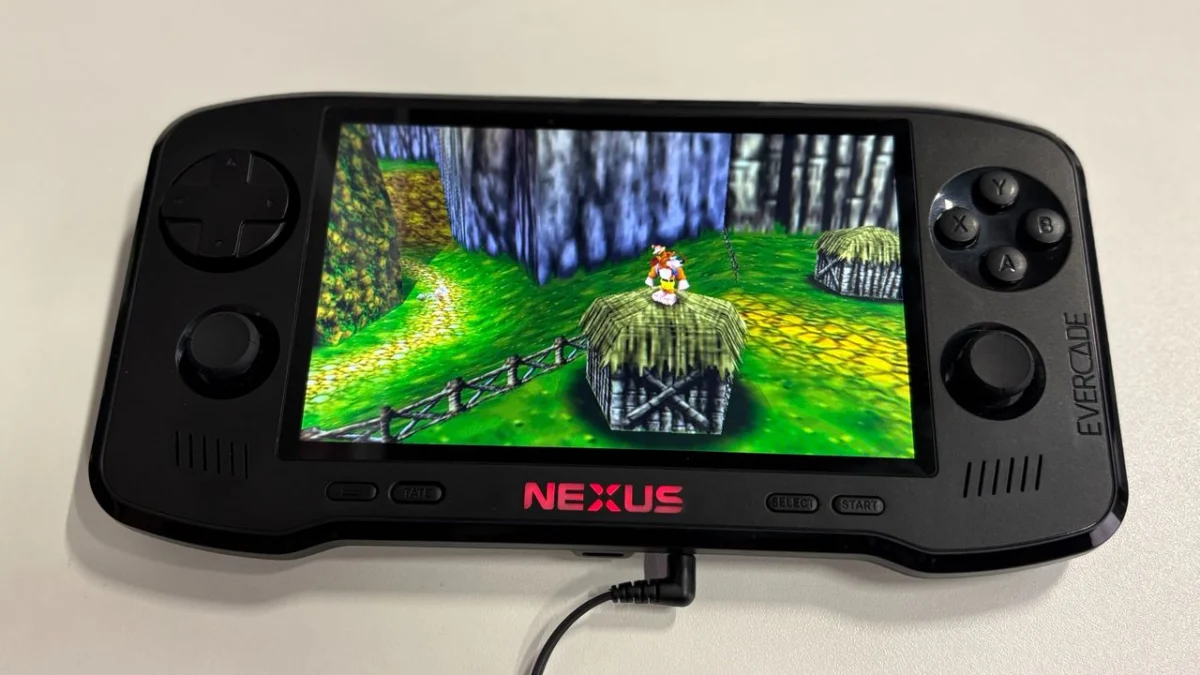
Amidst this backdrop of digital disposability, a beacon of physical preservation has emerged from the halls of Gamescom 2026. Blaze Entertainment, the UK-based architects behind the Evercade ecosystem, has unveiled the Evercade Nexus. More than just another entry in the crowded handheld market, the Nexus represents a deliberate, tactile counter-narrative to the "live service" model, promising to keep the heritage of gaming in the palm of your hand—quite literally.
The Evolution of an Ecosystem: A Chronology
To understand the significance of the Nexus, one must look at the trajectory of the Evercade brand. Blaze Entertainment did not enter the market by chasing high-fidelity 4K graphics or subscription-based streaming services. Instead, they identified a growing "retro-nostalgia" gap: a desire for the authenticity of physical cartridges without the legal and technical grey areas associated with "ROM-dumping" and emulators.
- 2020: The original Evercade handheld launches, establishing the proprietary cartridge system that prioritized officially licensed collections.
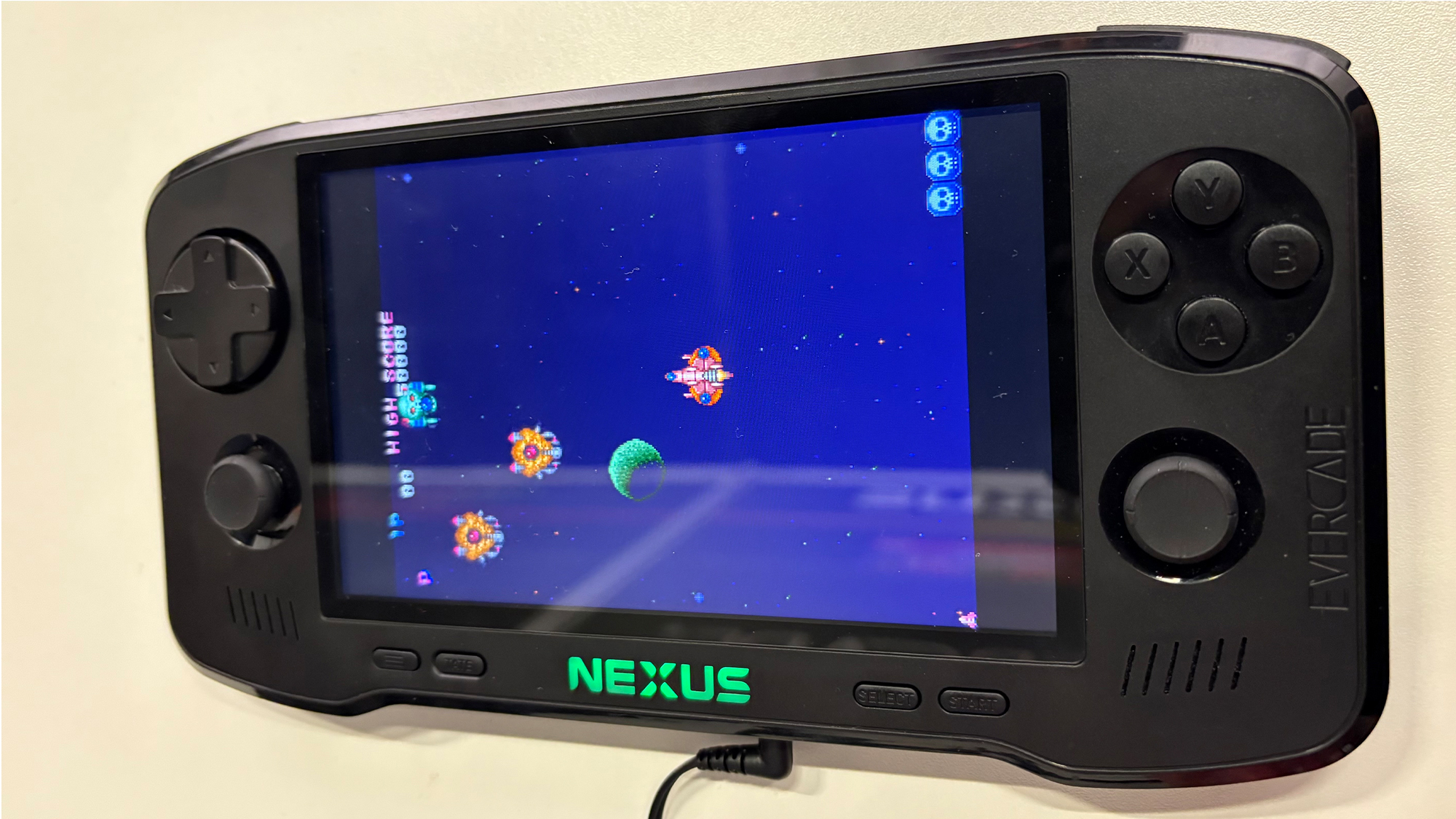
- 2021-2023: The ecosystem expands with the Evercade VS (a home console version) and the Evercade EXP, the latter introducing the revolutionary "Tate mode" for vertical arcade shooters.
- 2026 (Gamescom): The official unveiling of the Evercade Nexus. This marks a pivotal shift for the company, as it moves away from 8-bit and 16-bit roots to embrace the 3D dawn of the 32-bit and 64-bit eras.
The Nexus is not merely an iteration; it is an evolution. By moving into the 3D space, Blaze is attempting to capture the "Golden Age" of N64 and early PlayStation-era platformers, bridging the gap between historical preservation and modern convenience.
Hardware Specifications and Design Philosophy
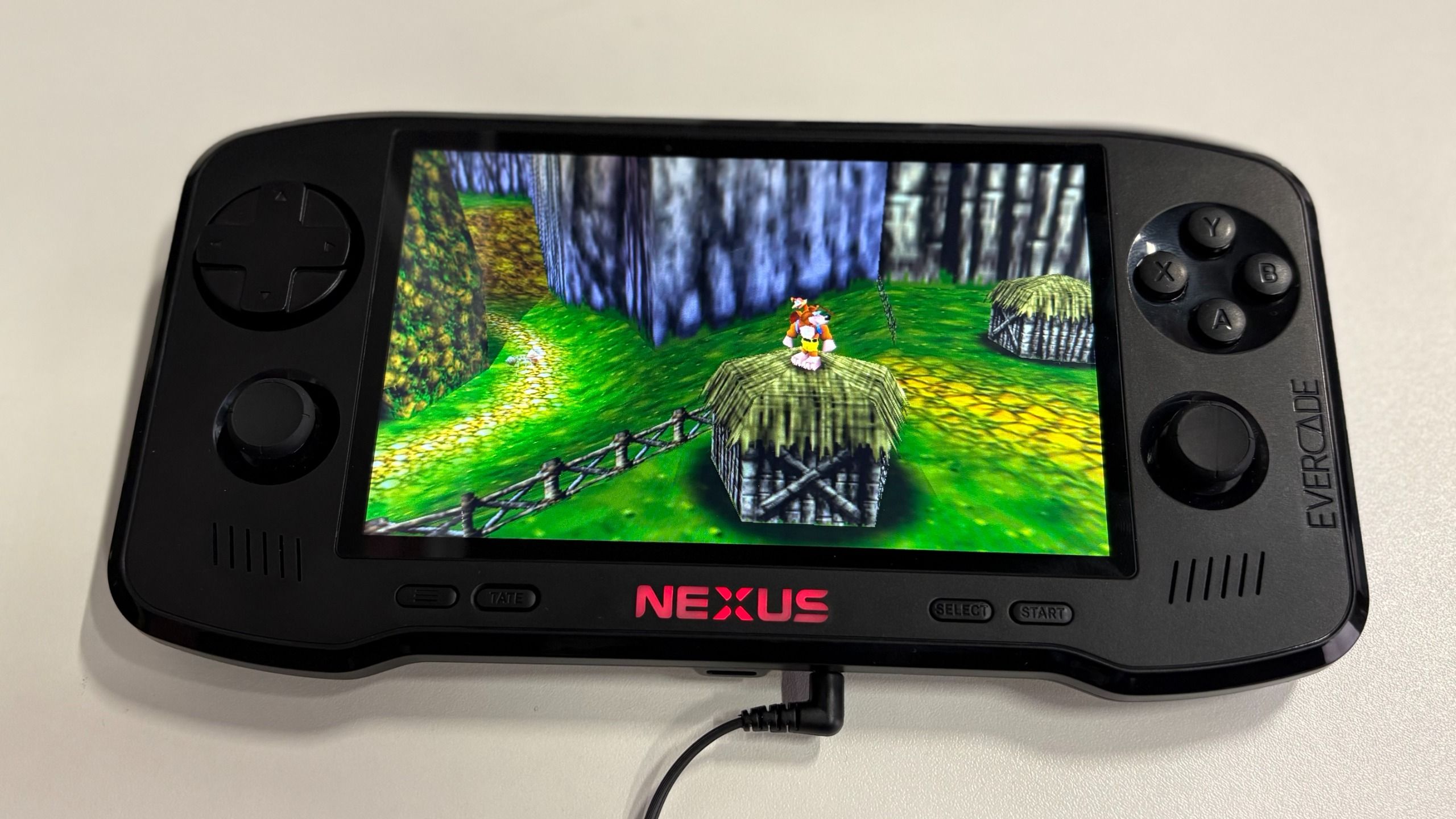
The Nexus distinguishes itself through a design language that respects the ergonomics of modern gaming while honoring the aesthetic of the past. Featuring a 5.89-inch display with an 840×512 resolution, the device provides a significant visual upgrade over the 4.3-inch screen of its predecessor, the Evercade EXP.
Key Specifications:
- Display: 5.89-inch IPS display (840×512 resolution).
- Controls: Symmetrical dual-analogue stick layout, specifically engineered to accommodate 3D camera control and movement.
- Connectivity: Wi-Fi 6 (exclusively for firmware updates and library syncing), wireless headphone support.
- Aesthetics: Customizable RGB lighting surrounding the central logo, a nod to modern gaming trends that can be entirely disabled for the purist.
- Price Point: $199.99 / £169.99.
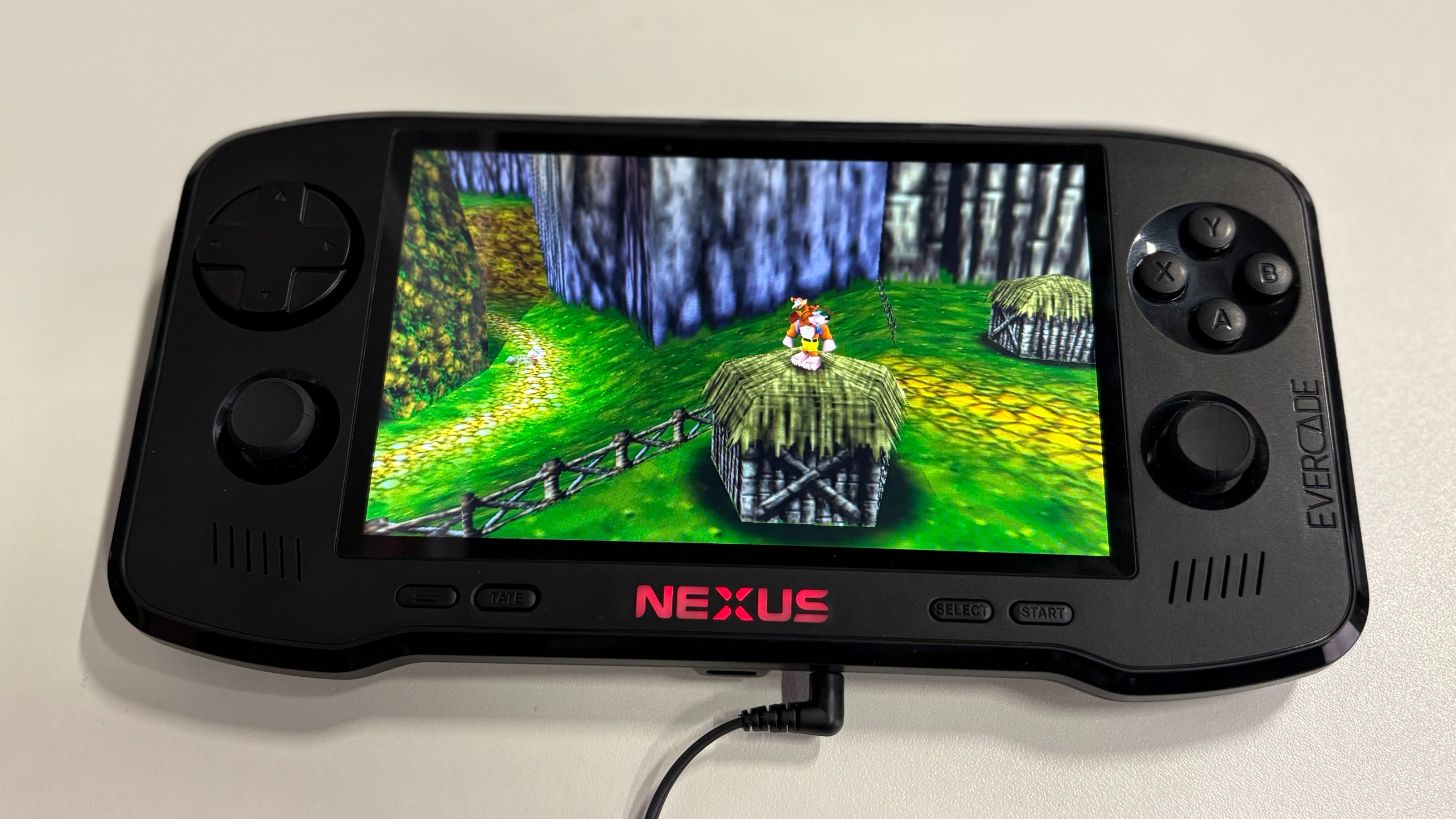
Blaze Entertainment has made a conscious choice to prioritize an accessible price point over high-end specifications. By avoiding the temptation to compete with the "four-figure handhelds" (high-end PC gaming handhelds), the Nexus remains a specialized tool. It is not designed to run Cyberpunk 2077; it is designed to run Banjo-Kazooie with the same love and care that a modern player expects from a contemporary title.
The "EverSync" Innovation and The Rare Replay Integration
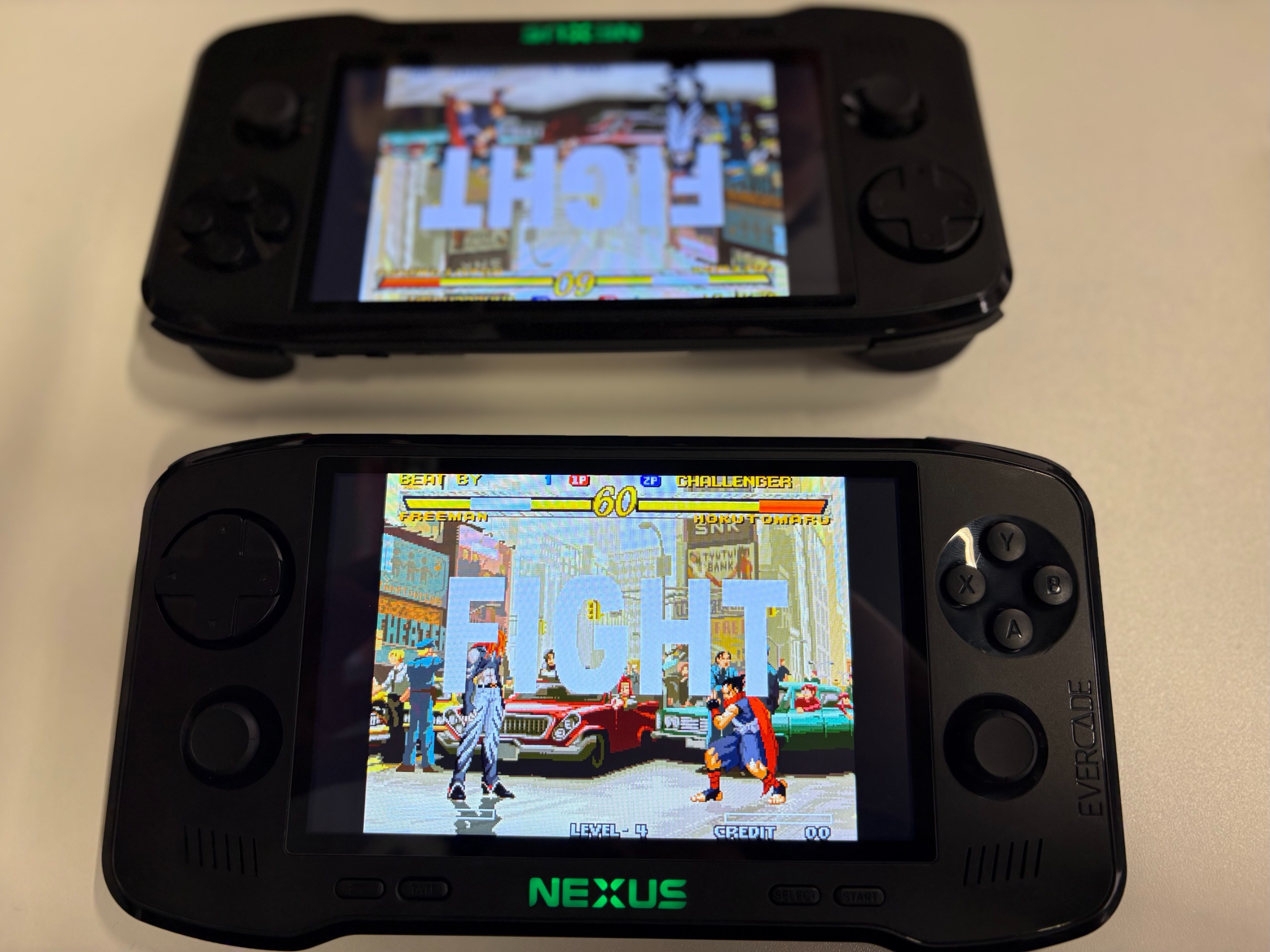
The most intriguing feature introduced with the Nexus is EverSync. This proprietary technology acts as the system’s answer to modern local multiplayer connectivity. In a market where multiplayer often requires multiple accounts and multiple digital copies, EverSync allows two Nexus owners to engage in local competitive play with only one physical cartridge required by the host.
While initial testing of this feature at Gamescom—specifically during high-intensity sessions of Garou: Mark of the Wolves—showed occasional latency or "patchiness," it remains a bold step toward making physical retro gaming social again.
Perhaps the most significant announcement regarding the software library is the inclusion of the Banjo-Kazooie Double Pack. Unlike many retro handhelds that rely on generic emulation wrappers, the Nexus utilizes native ports based on Microsoft’s Rare Replay release. This allows for widescreen output and modern control schemes, such as right-stick camera manipulation, which fundamentally changes how these 30-year-old games feel to play today. The presence of Microsoft’s branding on the title screen serves as a testament to the legitimacy of the Evercade ecosystem—a stark contrast to the unregulated world of budget emulator handhelds.
The Implication: Ownership in a Post-Physical World
The broader implications of the Evercade Nexus are perhaps more important than its technical specs. As major publishers continue to pull titles from digital storefronts—rendering games inaccessible if they aren’t already downloaded—the value of a physical cartridge has skyrocketed in the eyes of collectors and archivists.
Blaze Entertainment’s strategy is simple: they are building a "Fortress of Solitude" for gaming. Every cartridge is a tangible object, a piece of plastic that works regardless of whether a server is down in a data center halfway across the world. When you buy an Evercade cartridge, you are buying the right to play that game indefinitely.
However, the company faces a unique challenge: licensing. The current library of over 80 cartridges is robust, but the transition into 3D gaming requires the cooperation of major legacy IP holders. The industry is watching to see if Blaze can secure more "all-timer" titles beyond the Rare catalogue. If they can successfully bridge the gap between obscure, forgotten 32-bit gems and mainstream 64-bit classics, the Nexus could become the definitive home for retro preservation.
A Defiant Balm
In an industry currently defined by layoffs, studio closures, and the unsettling push toward cloud-only gaming, the Evercade Nexus feels like a defiant act of rebellion. It is a device that recognizes that gaming is not just content to be consumed, but history to be kept.
As we look toward the launch on October 30, the Nexus stands as a reminder that the best gaming experiences are often those that put the user in total control. It is an affordable, well-constructed, and highly curated machine that invites us to put down the phone, disconnect from the volatile "live-service" ecosystem, and simply enjoy the game.
For those who feel the hobby is becoming increasingly out of their control, the Evercade Nexus offers a compelling, tangible alternative. It is a piece of technology that respects the past, understands the present, and, perhaps most importantly, ensures that the future of our gaming libraries remains in our own hands.