Neng Nana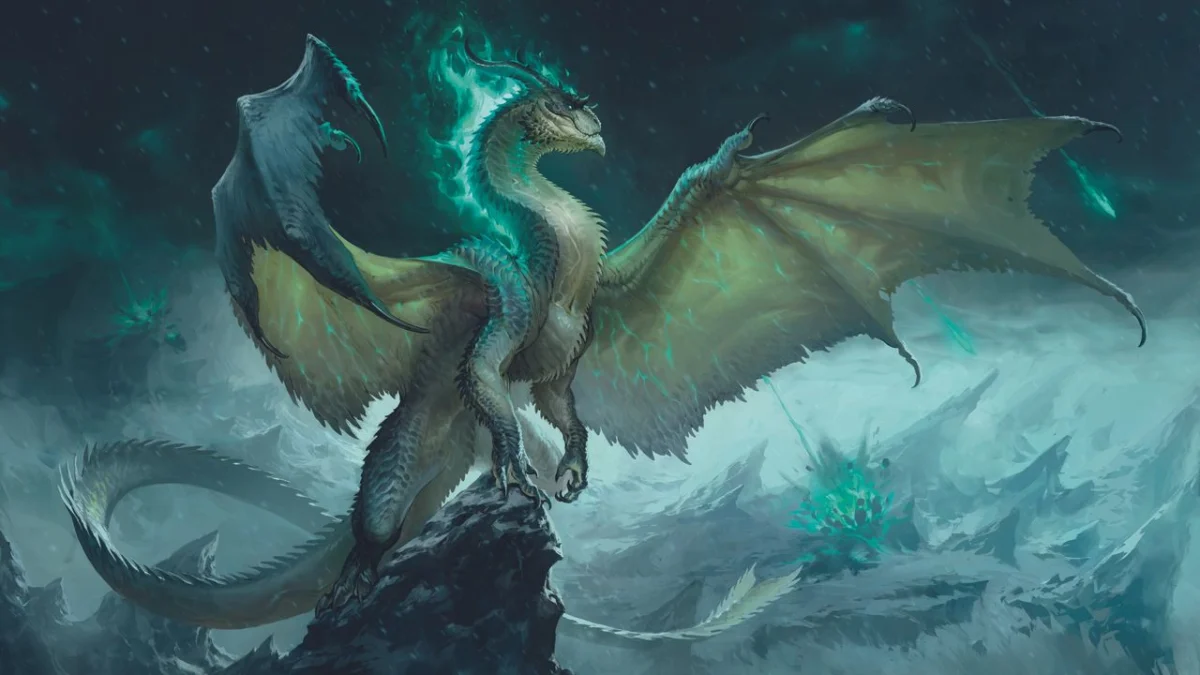
The creation of a mythical creature is a rite of passage for any fantasy illustrator. Among the vast pantheon of legendary beings, the dragon remains the ultimate litmus test for artistic capability. It is a creature that defies biological constraints, offering a blank canvas for the imagination to run wild. Recently, digital artist Javier Franco Santacreu shared his personal workflow for bringing a gargantuan, menacing dragon to life, providing a masterclass in composition, narrative tension, and the technical rigors of high-end digital painting.
The Conceptual Foundation: Why Dragons?
Drawing dragons is rarely just about scales and fire; it is an exercise in structural design and emotional storytelling. For an artist, the challenge lies in the creature’s versatility. Because there is no "real" dragon to reference, the artist is liberated from the shackles of realism while simultaneously tasked with creating a sense of believability.
Santacreu’s approach to his latest piece was rooted in a desire to convey raw, impending danger. "I wanted to portray a dragon in a powerful and menacing pose, as if it were a great threat about to unfold," he explains. He likens the anatomy of a dragon to human anatomy, particularly regarding the wings. Just as human hands are the primary vehicles for non-verbal expression, the wings of a dragon serve as the creature’s emotional megaphone. In this specific work, the wings dominate the canvas, effectively shrinking the viewer’s perspective and emphasizing the dragon’s overwhelming scale.
Chronology of a Masterpiece: A Three-Phase Workflow
For digital artists looking to emulate this level of detail, Santacreu breaks down the process into three distinct developmental stages. This methodical approach ensures that the "narrative" of the image is never lost to the complexity of the brushwork.
Phase 01: Testing Colors and Posture
The process begins not with detail, but with silhouette and intent. Santacreu emphasizes that the dragon’s posture is the focal point of the entire composition. Before committing to a color palette, he focuses on the "read" of the creature—the clear communication of movement and body language.
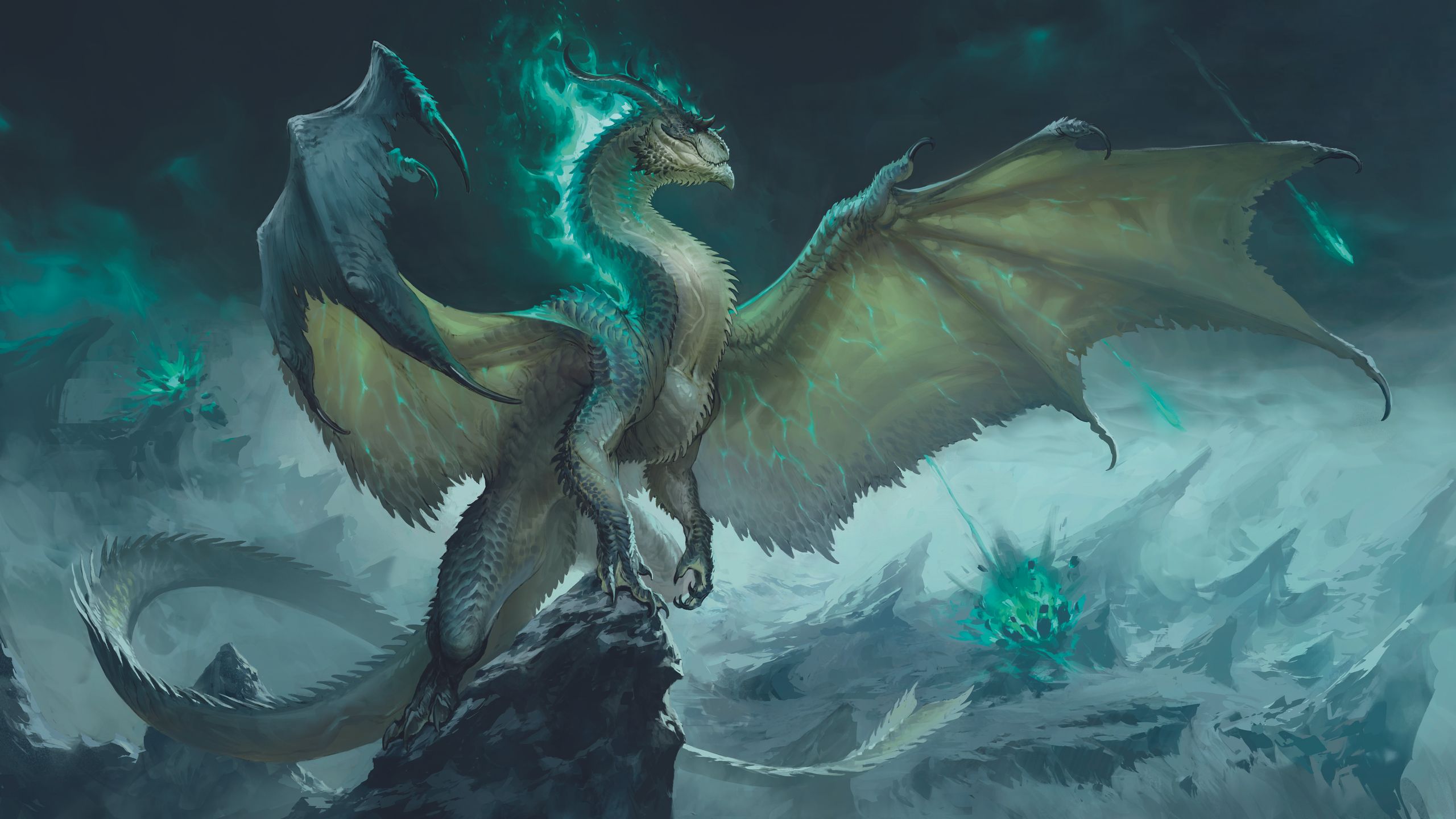
Once the skeletal structure and pose are established, the choice of color dictates the environmental mood. In this instance, Santacreu opted for a cool-toned scheme dominated by icy blues and deep, foreboding greens. By establishing these colors early, he creates an immediate psychological connection for the viewer: the scene feels cold, desolate, and inhospitable, reinforcing the danger of the creature within it.
Phase 02: Guiding the Gaze
Composition is the art of controlling where a viewer looks. Santacreu utilizes the background as a narrative device to frame his subject. By employing broad, sweeping brushstrokes to blend the mountains and the sky, he creates a sense of scale that makes the dragon appear even more gargantuan.
A critical aspect of this stage is the manipulation of negative space. By paying close attention to the gaps between the dragon’s wings and the surrounding landscape, he creates directional lines that force the viewer’s eye back toward the focal point—the dragon’s head and posture. The light in the background is not merely decorative; it is a surgical tool used to silhouette the wings, effectively carving the creature out of the chaotic environment.
Phase 03: Refining the Details
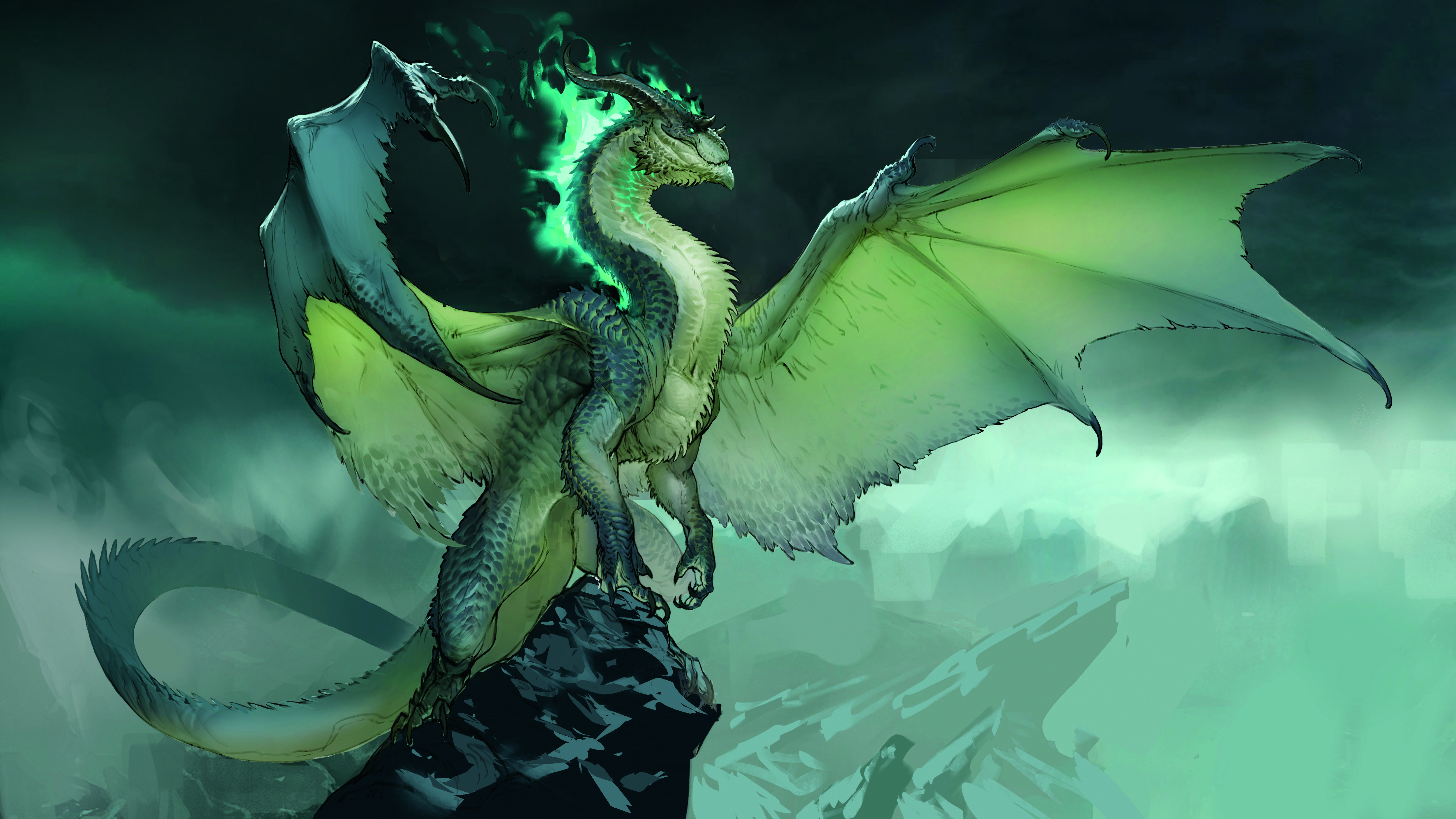
The final stage is the "polishing" phase, where the artist moves from broad strokes to intricate detail. This includes defining the texture of the scales, refining the planes of depth to ensure the image possesses three-dimensional volume, and adding atmospheric elements like a blizzard and falling meteorites.
Santacreu warns against the "detail trap"—the tendency for artists to lose themselves in minutiae at the expense of the overall composition. "You can always add more detail," he notes, "but the key to finishing an illustration is ensuring the planes of depth are clearly defined in relation to one another." By prioritizing depth over hyper-realism, he ensures that the dragon remains the central, terrifying force in the frame.
Supporting Data: The Tools of the Trade
Achieving this level of technical proficiency requires more than just artistic vision; it requires a robust digital toolkit. The modern digital artist is supported by a rapidly evolving ecosystem of hardware and software designed to mimic the tactile feel of traditional media while providing the infinite undo-states and layer management of the digital age.
For those looking to replicate Santacreu’s process, the industry standard relies on high-fidelity pressure sensitivity and color accuracy. Whether utilizing software like Adobe Photoshop, Corel Painter, or Clip Studio Paint, the hardware interface—the drawing tablet—is the bridge between thought and execution. Professionals generally look for tablets that offer minimal latency, tilt recognition, and a texture that mimics paper, allowing for the kind of broad, gestural brushwork Santacreu uses to create his mountain backdrops.
Implications for the Fantasy Art Industry
The rise of high-end digital illustration has changed the landscape of fantasy media. What was once a niche market for book covers and tabletop gaming manuals has expanded into a global industry covering film concept art, video game assets, and digital collectibles.
Artists like Santacreu, whose work appears in publications such as ImagineFX, demonstrate how the boundaries between "fine art" and "commercial illustration" are blurring. The narrative depth required for a compelling dragon illustration is the same skill set required for professional character design in modern cinema. By treating the dragon not just as a monster, but as a protagonist within a scene of "impending calamity," the artist transforms a simple creature design into a piece of visual storytelling.
Professional Insights and Advice
For aspiring artists, the takeaway from Santacreu’s work is clear: prioritize the "big picture" before the details. The most common pitfall for developing artists is rushing into the rendering phase (the scales, the light reflections, the skin texture) before the fundamental composition (the posture, the silhouette, the negative space) is sound.
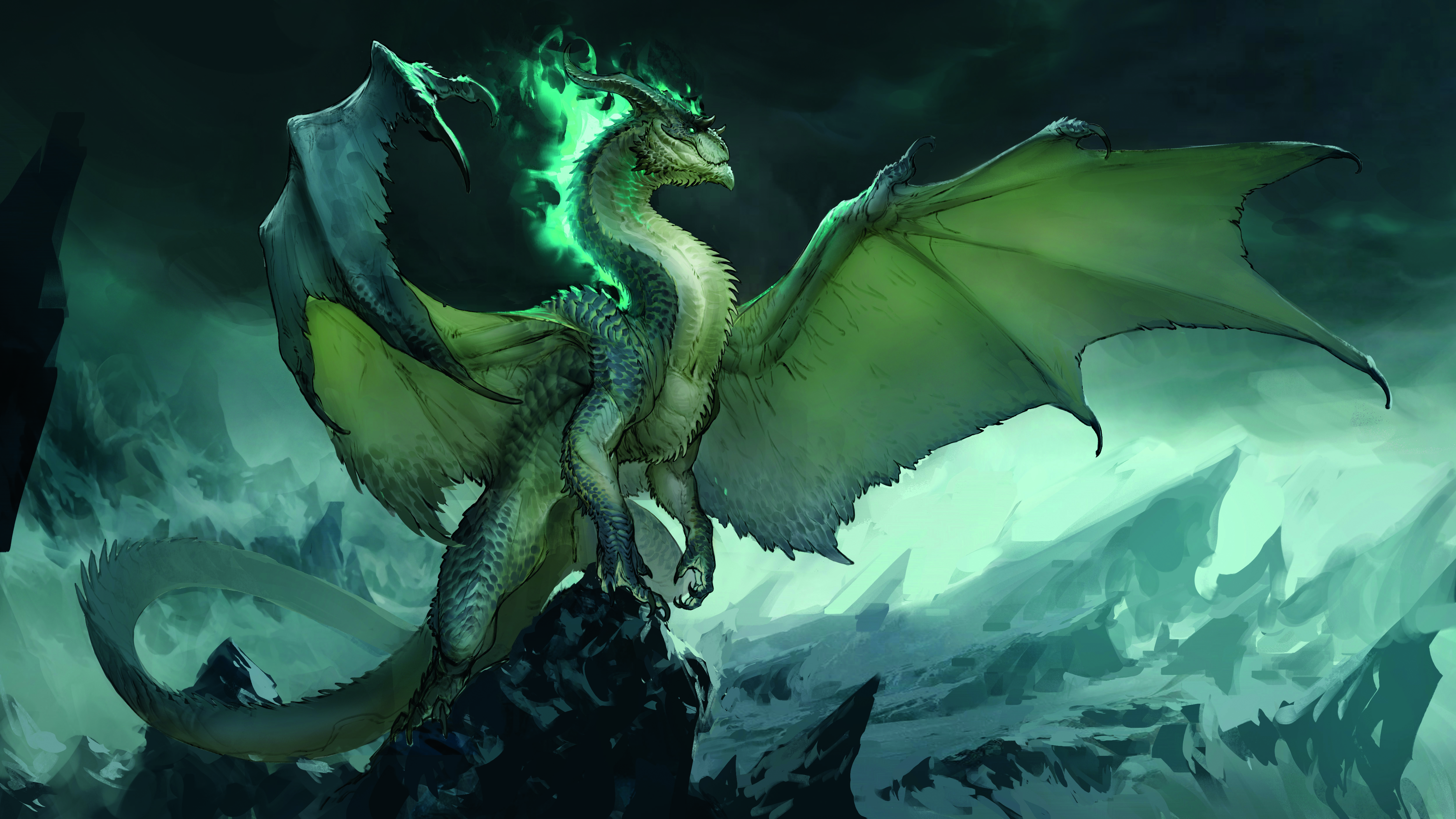
Furthermore, the integration of environmental narrative—such as the meteorites and the blizzard—serves to ground the fantastical in a tangible reality. Even in a world of dragons, the laws of light, shadow, and atmospheric perspective must hold firm. This is what separates a mere "doodle" from a piece that demands the viewer’s full attention.
As digital tools become more sophisticated, the focus remains firmly on the human element—the artist’s ability to imbue a digital file with emotion and threat. Whether you are using a top-tier drawing tablet or an entry-level device, the principles of composition and narrative remain the cornerstones of successful fantasy art.
This article features insights derived from the artistic workflow of Javier Franco Santacreu, as originally highlighted in ImagineFX magazine. For artists looking to elevate their craft, professional subscriptions to industry publications like ImagineFX offer consistent access to expert tutorials, interviews, and technical deep-dives. As you continue your creative journey, remember that the most effective tool in your studio is your own creative vision, bolstered by a disciplined approach to the fundamentals.

 Basiran
 Ammar Sabilarrohman